Cellar Tours Insight
— Since 2003, Cellar Tours has planned private food and wine journeys through the world’s leading wine regions, pairing tailor-made itineraries with VIP winery visits, fine dining, and expert regional guidance.
Estimated reading time: 11 minutes
Le Marche is known for olive all’ascolana, rich vincisgrassi, delicate maccheroncini di Campofilone, and the Adriatic fish stew brodetto. Inland, look for spreadable ciauscolo, local pecorino, and Acqualagna truffles; on the coast, explore the seafood dishes of Ancona and Porto Recanati. This guide introduces the specialties to try, where to find them, and regional wines to enjoy alongside them.
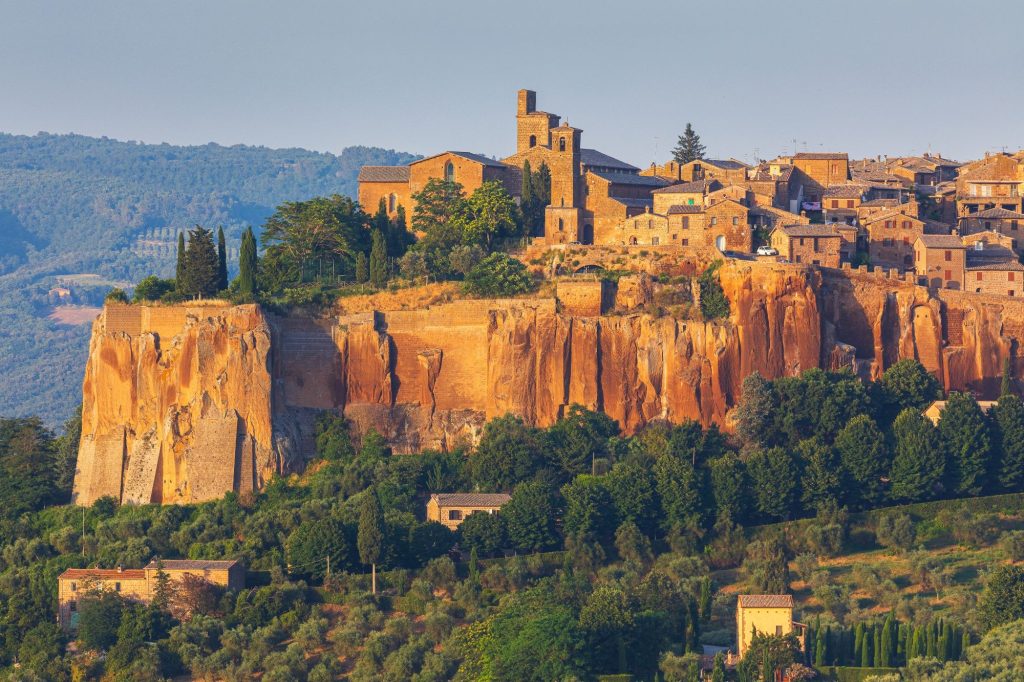
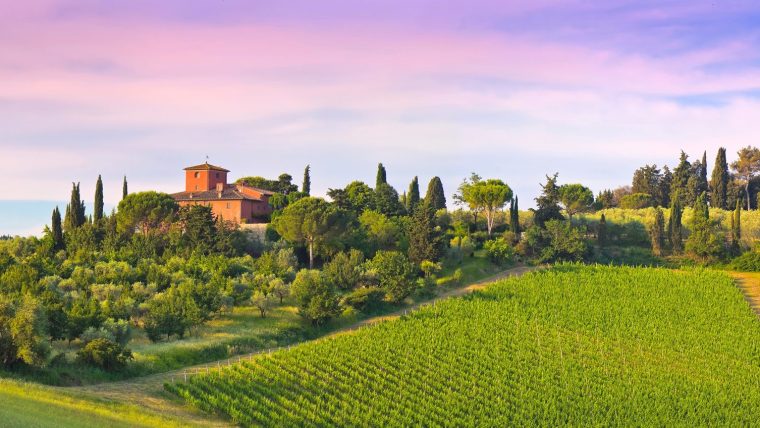
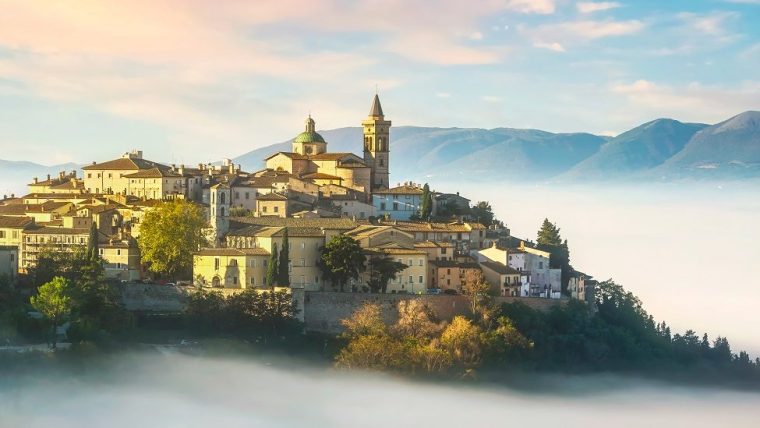
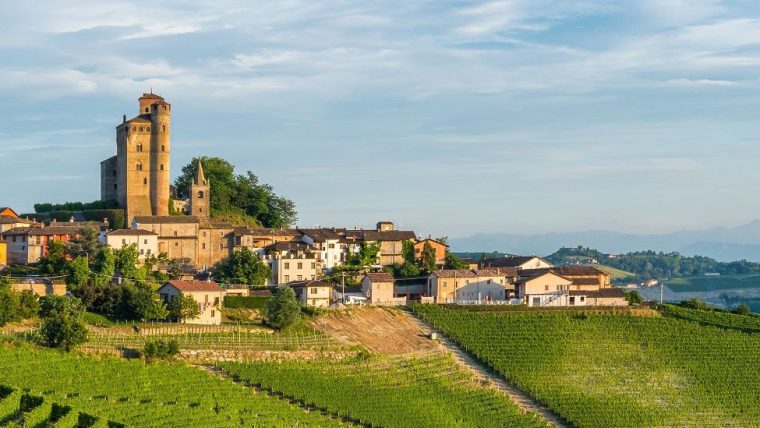
Le Marche is often overlooked in favor of its more well-known neighboring regions, such as Emilia-Romagna and Tuscany. The region borders the Adriatic Sea to the east, where seafood heavily influences the cuisine. Moving inland toward the west, you reach verdant rolling hills that rise to the foothills of the Apennines, with Umbria flanking much of Le Marche’s western border.
As the landscape changes, so does the cuisine, featuring rich pasta dishes, stews, grilled meats, and salumi. Deep-frying is prevalent, with many regional specialties fried to a delicious crisp.
Le Marche is known for its olives and high-quality olive oil, especially the olio extravergine di Cartoceto DOP, which has slightly bitter notes and spicy fruitiness. The region’s fresh produce also stars in several traditional dishes featuring staple ingredients like mushrooms, artichokes, cauliflower, and Le Marche’s prized black and white truffles.
Standout dish
Vincisgrassi: Le Marche’s Richly Layered Pasta
This classic Marche food resembles lasagna, though its rich meat sauce gives it a character of its own. Chicken livers and other giblets add distinctive flavor, along with pork, beef, or other meats.
Vincisgrassi alla maceratese STG layers egg pasta with a sauce of meat and poultry giblets, béchamel, and grated cheese. The browned surface gives way to soft pasta and a deeply savory filling. Macerata is a great place to find the dish. Make it the centerpiece of lunch, with a few olives beforehand and something lighter afterward.
Wine pairing: Rosso Piceno DOC – A red based on Montepulciano and Sangiovese, with fruit and refreshing acidity to accompany the meat sauce and balance the richness of the cheese and béchamel.
What to Eat in Le Marche: Where to Try the Local Specialties
Destination
Foods to look for
When or where
Urbino & Acqualagna
Crescia sfogliata, Casciotta d’Urbino DOP, and tagliatelle with Acqualagna truffles
Enjoy warm crescia filled with cheese or cured meats; look for fresh white truffles in autumn around Acqualagna.
Macerata & Treia
Vincisgrassi, spreadable ciauscolo IGP, and calcioni di Treia
Traditional trattorias for richly layered vincisgrassi; salumerie for ciauscolo and bakeries for calcioni, particularly around Easter.
Ascoli Piceno & Campofilone
Olive all’ascolana, fritto misto all’ascolana, and maccheroncini di Campofilone IGP
Try freshly fried stuffed olives in Ascoli Piceno, then seek out Campofilone’s exceptionally fine egg pasta with a traditional meat ragù.
Ancona & the Adriatic coast
Brodetto, stoccafisso all’anconetana, and wild Conero mussels (moscioli)
Seafood restaurants for local fish dishes; compare the brodetto of Ancona, Porto Recanati, and San Benedetto del Tronto. Ask whether advance ordering is required.
Companion Guide
Le Marche Wine Region Guide
Verdicchio, Pecorino and Montepulciano Between the Apennines and the Adriatic
While salumi often steals the show in Le Marche’s culinary scene, the region boasts several must-try cheeses.
Casciotta d’Urbino
Casciotta d’Urbino is a PDO-protected cheese associated with the Pesaro and Urbino area. Made with 70–80% sheep’s milk and 20–30% cow’s milk, it has a semi-soft, crumbly texture and a pleasant, grassy flavor. Its relatively short maturation produces a gentle cheese that makes an inviting introduction to the region’s dairy specialties.
Try it with bread or warm crescia to let its delicate milk flavor come through. It also provides a welcome contrast to the saltier cured meats on an antipasto board.
Pecorino dei Monti Sibillini
Another notable cheese is Pecorino dei Monti Sibillini, supported by the Slow Food Presidium. Produced in the Sibillini Mountains, this sheep’s milk cheese is traditionally made with raw milk and aged for around two months or longer, developing a more pronounced flavor as it matures.
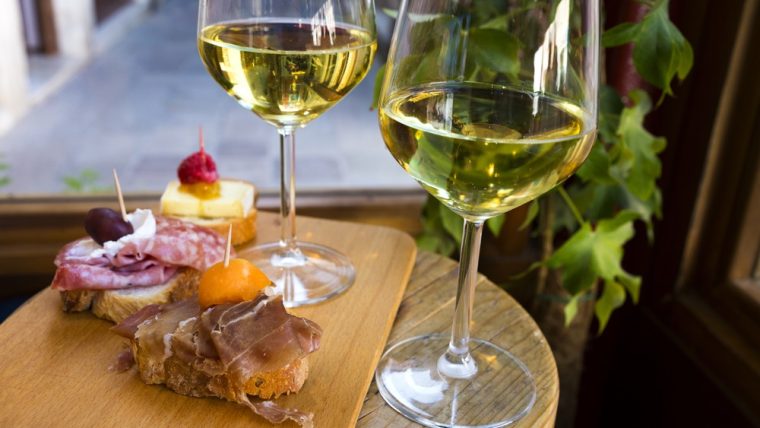
Wine pairing: Verdicchio di Matelica DOC – A dry white with lively acidity and savory character, particularly appealing with a younger pecorino or Casciotta d’Urbino.
Formaggio di Fossa
Known for its strong flavor, Formaggio di Fossa hails from the Apennine foothills. Made with cow’s milk, sheep’s milk, or a mixture of both, it undergoes a unique aging process. The cheese is placed in cloth bags and set into sandstone pits; Formaggio di Fossa di Sogliano DOP spends 80–100 days underground. This cheese-aging tradition is shared by parts of Marche and Romagna.
Its aromatic intensity makes a small piece worth lingering over alongside a milder local variety.
Cured Meats of Le Marche
Ciauscolo
Ciauscolo is one of the most beloved regional expressions of Marche’s salumi tradition. It’s a spreadable pork sausage produced in designated parts of the provinces of Macerata, Ancona, Fermo, and Ascoli Piceno under IGP-protected status.
Finely minced pork and fat give it its soft consistency, while wine, garlic, salt, and black pepper add flavor. Some versions are lightly smoked, though smoking is not essential to every ciauscolo.
Enjoy ciauscolo spread over bread. Its softness is the point: a different experience from the firm slices of salami you might expect on a cured-meat platter.
Prosciutto di Carpegna DOP
Another must-try cured meat specialty of the region is Prosciutto di Carpegna DOP. Named after Carpegna in the Pesaro and Urbino province, this prosciutto is made from pigs sourced from Le Marche, Lombardy, and Emilia-Romagna. It matures for at least fourteen months, resulting in an appealing balance of sweet, salty, and delicate flavors.
Enjoy it thinly sliced, with enough bread to accompany it and little else competing for attention.
Salame di Fabriano
Salame di Fabriano offers a firmer, peppery contrast to ciauscolo. Its lean pork is punctuated by visible white cubes of fat, giving the slices a distinctive appearance. Look for it at salumerie and on regional antipasto boards, particularly when visiting Fabriano and the surrounding inland towns.
related tour
Explore Le Marche Through Its Food and Wine
Our private Umbria and Le Marche wine tour combines regional dining with winery visits and time in towns such as Urbino and Ascoli Piceno. Explore the itinerary, then tell us which foods and wines you would most like to try.
Olive all’ascolana are among the most beloved deep-fried Le Marche foods—these savory, bite-sized antipasti hail from Ascoli Piceno. The traditional variety is Ascolana Tenera, a large, local, green olive with tender flesh.
The meat filling usually includes beef and pork, sometimes with chicken, flavored with vegetables, grated cheese, and nutmeg. A crisp breadcrumb coating surrounds the olive and its savory center. They are especially enjoyable freshly fried, when the contrast between the coating and the tender filling is at its best.
For a more substantial introduction to the region’s enthusiasm for frying, look for fritto misto all’ascolana. This fried mix includes olive all’ascolana, lamb, or other meats like veal or chicken, vegetables, and even a slightly sweet custard.
Crema fritta, also known as cremini, is a fried custard that provides a delicately sweet contrast to the savory flavors of this fritto misto. Ask what the platter includes and whether it is meant for sharing; it can be much more substantial than a small starter.
Wine pairing: Offida Passerina DOCG – A fresh, dry white whose citrus and floral character suits the olives, with acidity that refreshes the palate between crisp, savory bites.
Crescia
You can’t go to Marche without trying crescia. Many versions abound, but Pesaro and Urbino are particularly associated with these satisfying flatbreads. Crescia sfogliata is an enriched, layered version made with ingredients including flour, eggs, and lard, commonly served warm with savory fillings.
Salumi, cheese, and cooked greens make appealing accompaniments. It can be an antipasto to share, but a filled crescia also makes a practical lunch between sightseeing stops. Ask about the filling and dough if you are looking for a vegetarian option: vegetables inside do not necessarily mean the bread is made without lard.
First Courses – Primi Piatti
Olive all’Ascolana: Stuffed deep-fried olives
Maccheroncini di Campofilone IGP
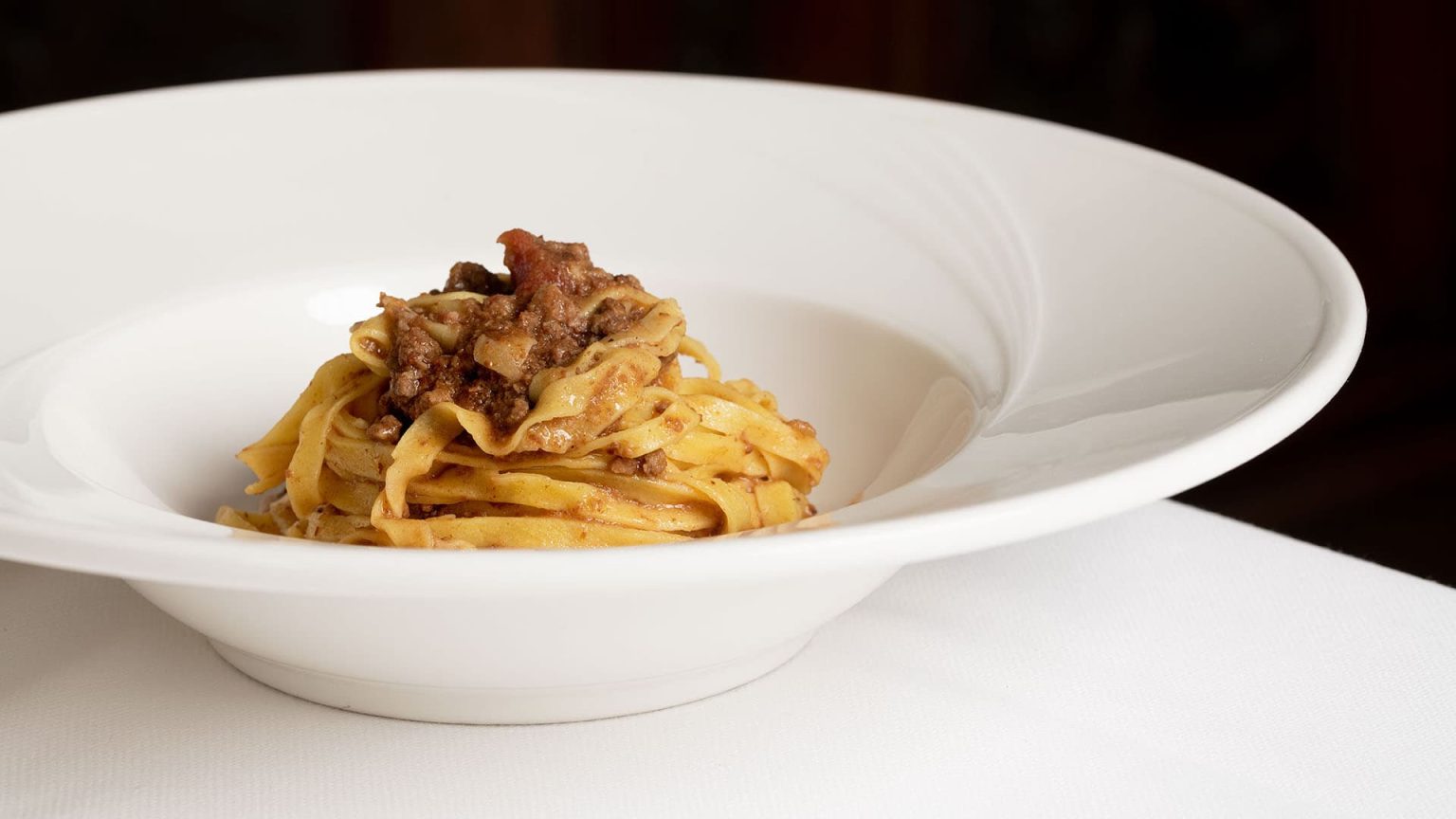
Maccheroncini di Campofilone is among the region’s most noteworthy pasta specialties. The dough forgoes added water and is made with flour or semolina and eggs, then formed into exceptionally fine strands. Despite the name, these are delicate threads of pasta, not the short tubes many English-speaking travelers associate with macaroni.
The IGP-protected pasta comes from Campofilone in the province of Fermo. Its thinness is central to its appeal, giving a generous plateful a surprisingly delicate texture. A rich, meaty ragù is a traditional accompaniment, though seafood and other sauces also appear on menus.
Tacconi
Tacconi is a specialty pasta made with a mixture of fava-bean and wheat flours. It is particularly associated with Fratte Rosa, a small hillside village in the province of Pesaro and Urbino, where local fava beans give the pasta its character.
The bean flour contributes a pleasantly earthy flavor and a substantial texture. Mushroom sauce is a classic accompaniment. Today, tacconi is eaten with a simple, fresh tomato sauce or more complex sauces made with meat, fish, or vegetables.
Tagliatelle with Acqualagna Truffles
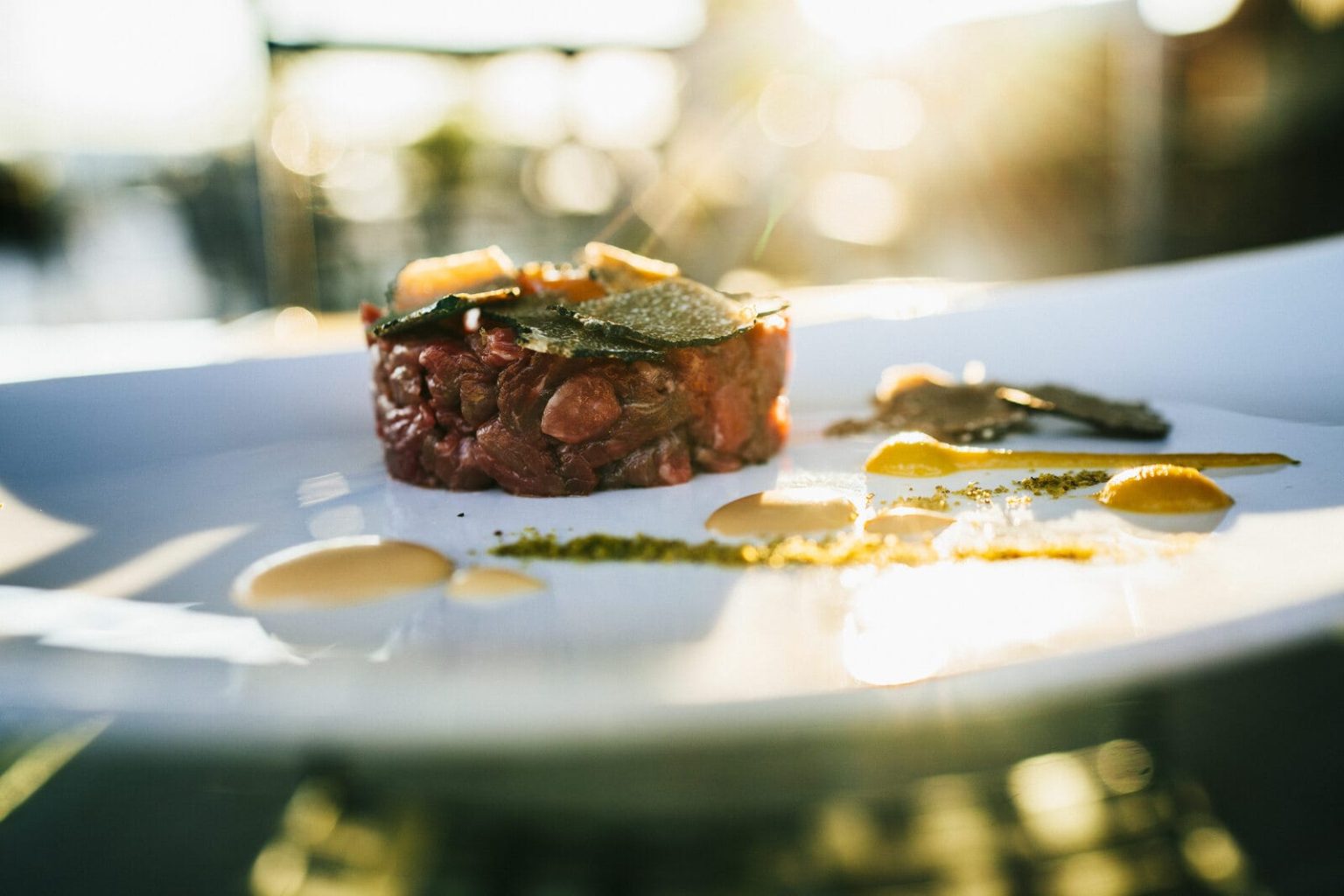
Lastly, watch for tagliatelle al tartufo di Acqualagna, another flavorful yet simple pasta dish in Marche cuisine. In the foothills of the Apennine Mountains, Acqualagna is a major center for fresh truffles, including the prized white Tuber magnatum and several black truffle varieties.
Ask which truffle they’re using and whether it is fresh. White truffles are an autumn specialty, while other types have different seasons. A simple pasta dressing allows the aroma of freshly shaved truffle to take the lead. If the menu gives a separate price for the truffle, confirm how the supplement is calculated before ordering.
Wine pairing: Verdicchio dei Castelli di Jesi Classico Superiore DOC – Choose a bottle with some maturity, offering savory depth and texture to accompany the truffle without overwhelming the pasta.
Main Courses – Secondi Piatti
Brodetto: fish stew
Brodetto
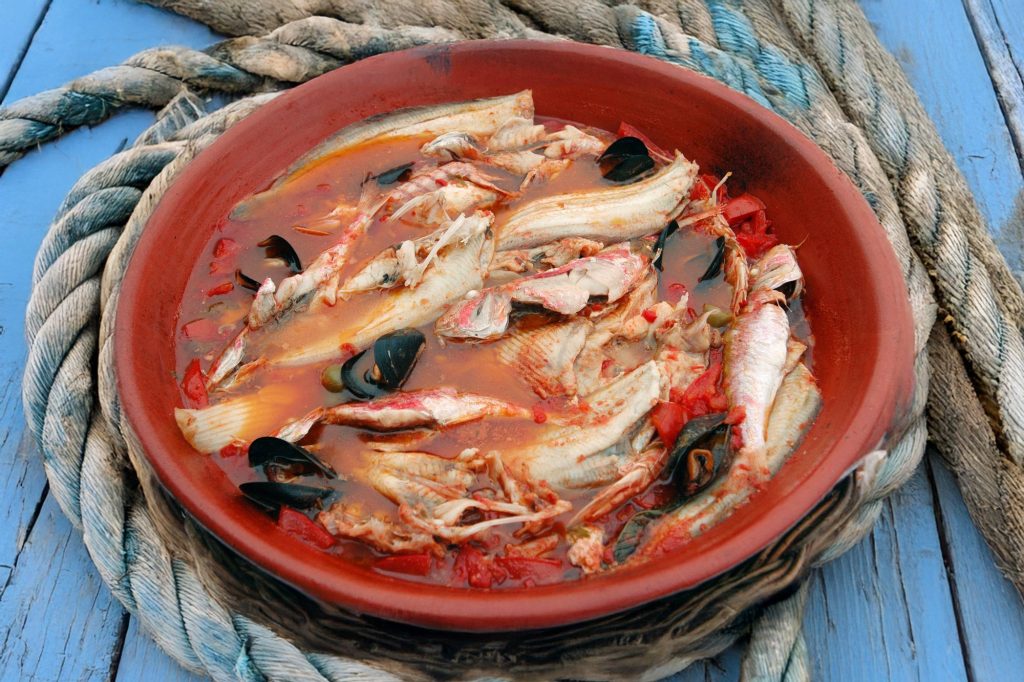
The Adriatic Sea offers coastal towns in Le Marche an abundance of seafood treasures, and brodetto is one of the most rewarding dishes to seek out. This generous fish stew changes along the coast, with each town defending its own combination of seafood and seasoning.
San Benedetto del Tronto’s version uses green tomatoes, peppers, and vinegar. At Porto Recanati, tomatoes are left out, and zafferanella gives the broth its characteristic golden color. Ancona has another celebrated interpretation, traditionally associated with a wide assortment of fish and seafood.
Ask which fish are included, whether a minimum number of diners is required, and whether you need to order ahead. Expect some patient eating around bones and shells, with bread to enjoy the broth.
Wine pairing: Offida Pecorino DOCG – A dry white with bright acidity and enough body for a substantial fish stew, particularly useful with the tangy tomato-and-vinegar character of the San Benedetto version.
Stoccafisso all’Anconetana
Stoccafisso all’anconetana is another seafood dish you’ll likely encounter in Le Marche. It’s made with stockfish—air-dried fish, usually cod, soaked before cooking—slowly cooked with potatoes, tomatoes, olive oil, vegetables, and white wine. Different versions include capers, anchovies, black olives, and herbs such as rosemary.
Stoccafisso all’Anconetana offers the ideal mix of Mediterranean flavors. The long cooking brings the fish and potatoes together in a rich, savory dish that makes a substantial main course in Ancona.
Around the Conero coast, also look for moscioli, the local wild mussels. Availability varies, so ask about their origin and the day’s catch rather than assuming every plate of mussels is locally harvested.
Coniglio in Porchetta
Coniglio in porchetta is a classic rabbit preparation from Le Marche. It’s made in the same spirit as porchetta, often stuffed with offal and sausage, flavored with wild fennel, and embellished with pancetta. Of course, every family has its variation on the original recipe. Still, the most important aspects are the unmistakable taste of fennel, tender meat inside, and a crisp exterior.
If you enjoy aromatic roast meats, this is a particularly good choice. Ask about the stuffing if you prefer to avoid offal.
Wine pairing: Rosso Conero DOC – A Montepulciano-led red with dark fruit and savory character to complement the rabbit’s roasted flavors and pork stuffing. Choose a supple example rather than a heavily oaked style.
Pollo in Potacchio
Pollo in potacchio is chicken slowly cooked with garlic, rosemary, and white wine, sometimes with a little tomato. The chicken absorbs the sauce’s flavors, resulting in tender meat with a fragrant, savory accompaniment.
It is a satisfying option when you want a meat dish without a rich stuffing. Order a vegetable contorno on the side, and save some bread for the sauce.
Desserts – Dolci
Frustingo, Christmas cake
Frustingo
If you’re in Marche around Christmas, try frustingo. Also known as fristingo, this dense cake includes breadcrumbs or flour in many versions. Walnuts, almonds, lemon zest, candied citron, and other additions give each version its own character. The base of this Christmas cake typically consists of nuts and figs.
Look for it in bakeries and food shops during the festive season, especially in southern Marche.
Calcioni di Treia
Treia’s baked calcioni bring an appealing sweet-savory finish. These pastries resemble large ravioli, enclosing a filling of pecorino, eggs, and sugar, often scented with lemon. After baking, the cheese filling oozes beautifully from the opening at the top, making for an irresistible bite.
They are particularly associated with Easter. Expect cheese and sweetness; ricotta-filled pastries found elsewhere in Marche offer a different take, so check which version is being served.
Where We Love to Eat in Le Marche
These are some of the restaurants we enjoy sharing with guests on our private food and wine tours. Our recommendations draw on personal dining experiences, restaurants featured in selected itineraries and guest feedback. From traditional countryside trattorias to creative Adriatic seafood, each offers a distinctive taste of Le Marche’s regional cuisine, local ingredients and wines.
Montacuto, Ancona · Traditional Marche cuisine and estate wines
Why we recommend it
Set among the vineyards of the Moroder estate, Aiòn specialises in seasonal Marche cooking, with homemade pasta, garden vegetables, locally raised meats and truffles. The estate's Rosso Conero wines make this an especially rewarding stop for food and wine lovers.
Passo del Furlo, Acqualagna · Truffles and traditional inland cooking
Why we recommend it
In the heart of Acqualagna's truffle country, Antico Furlo offers regional dishes prepared with local mushrooms, cured meats and seasonal truffles. Handmade tagliatelle, cappelletti and roast guinea fowl are among the dishes that make this a compelling introduction to inland Marche cuisine.
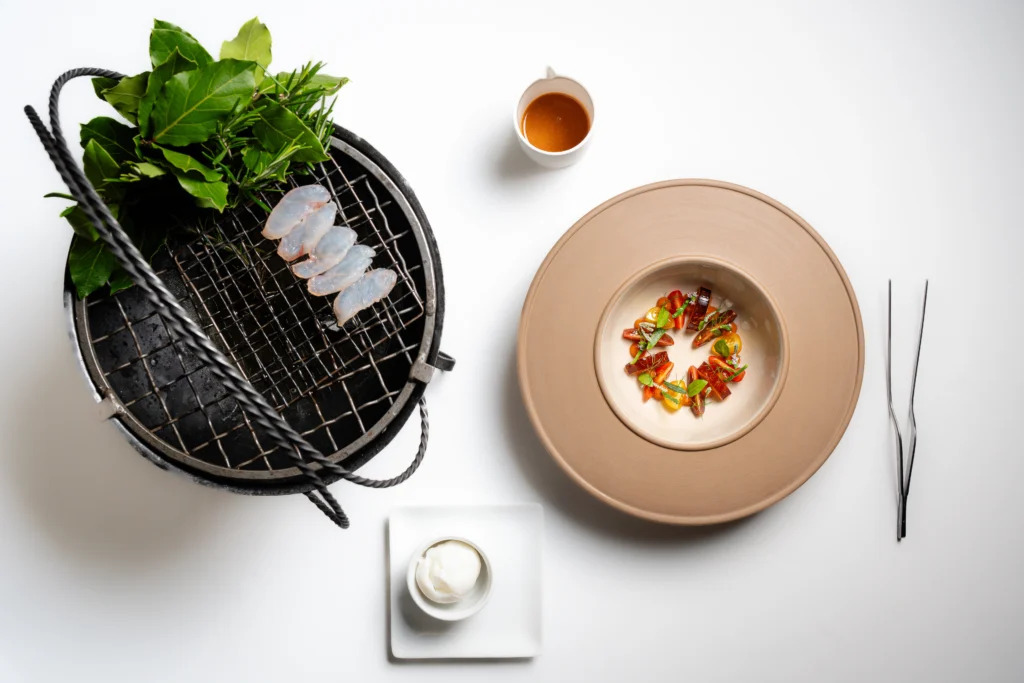
Mauro Uliassi brings exceptional creativity to the fish and seafood of the Adriatic, combining inventive techniques with flavours rooted in his home region. The tasting menus, attentive wine service and seafront setting make this one of Le Marche's outstanding gastronomic experiences.
Loreto · Michelin-starred wood-fired and grilled cuisine
Why we recommend it
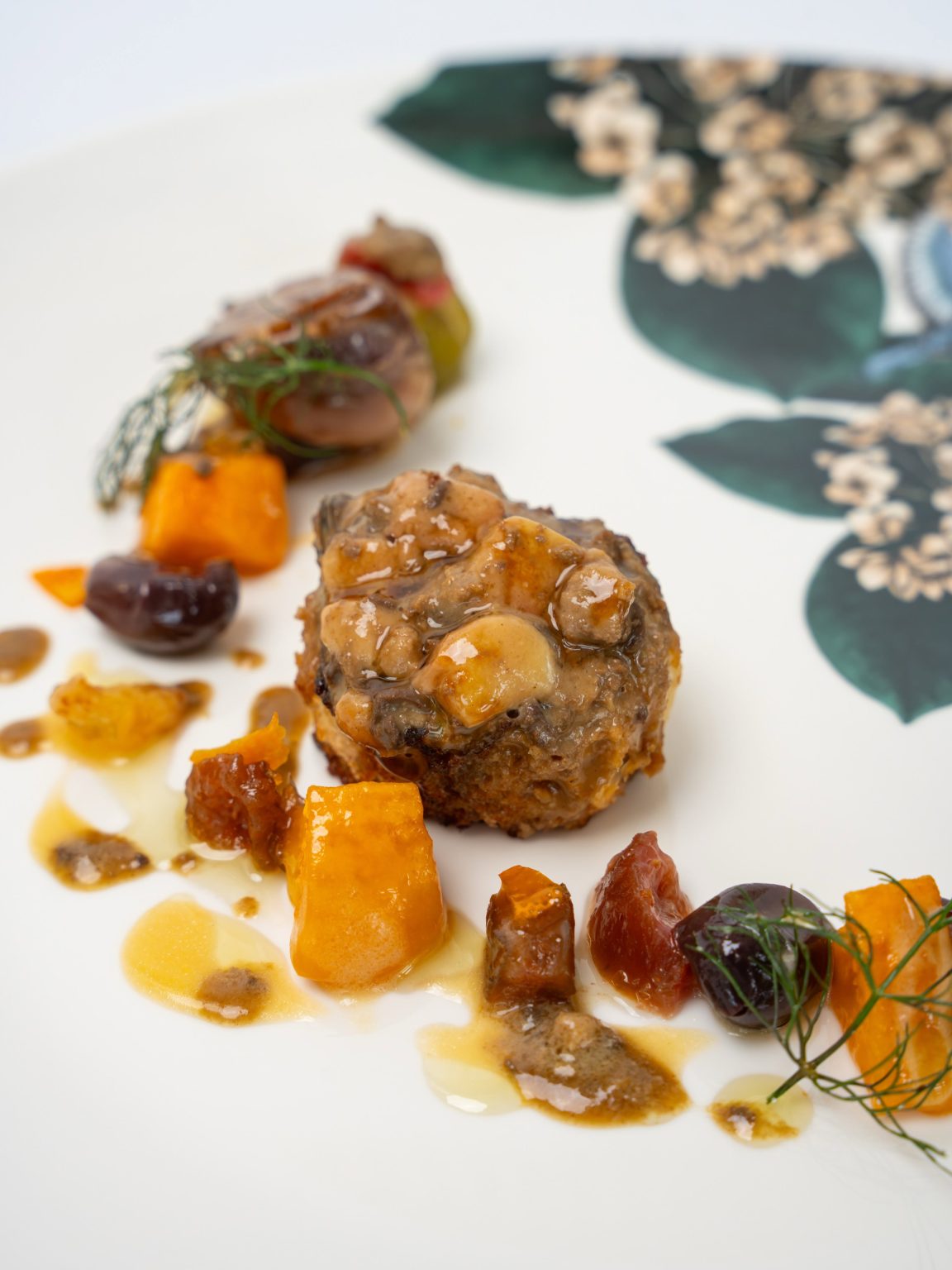
Chef Errico Recanati draws on his family's cooking traditions, using wood fires, embers and the grill to give local meats, game and vegetables remarkable depth of flavour. Andreina offers a distinctive interpretation of the hearty cooking of inland Le Marche.
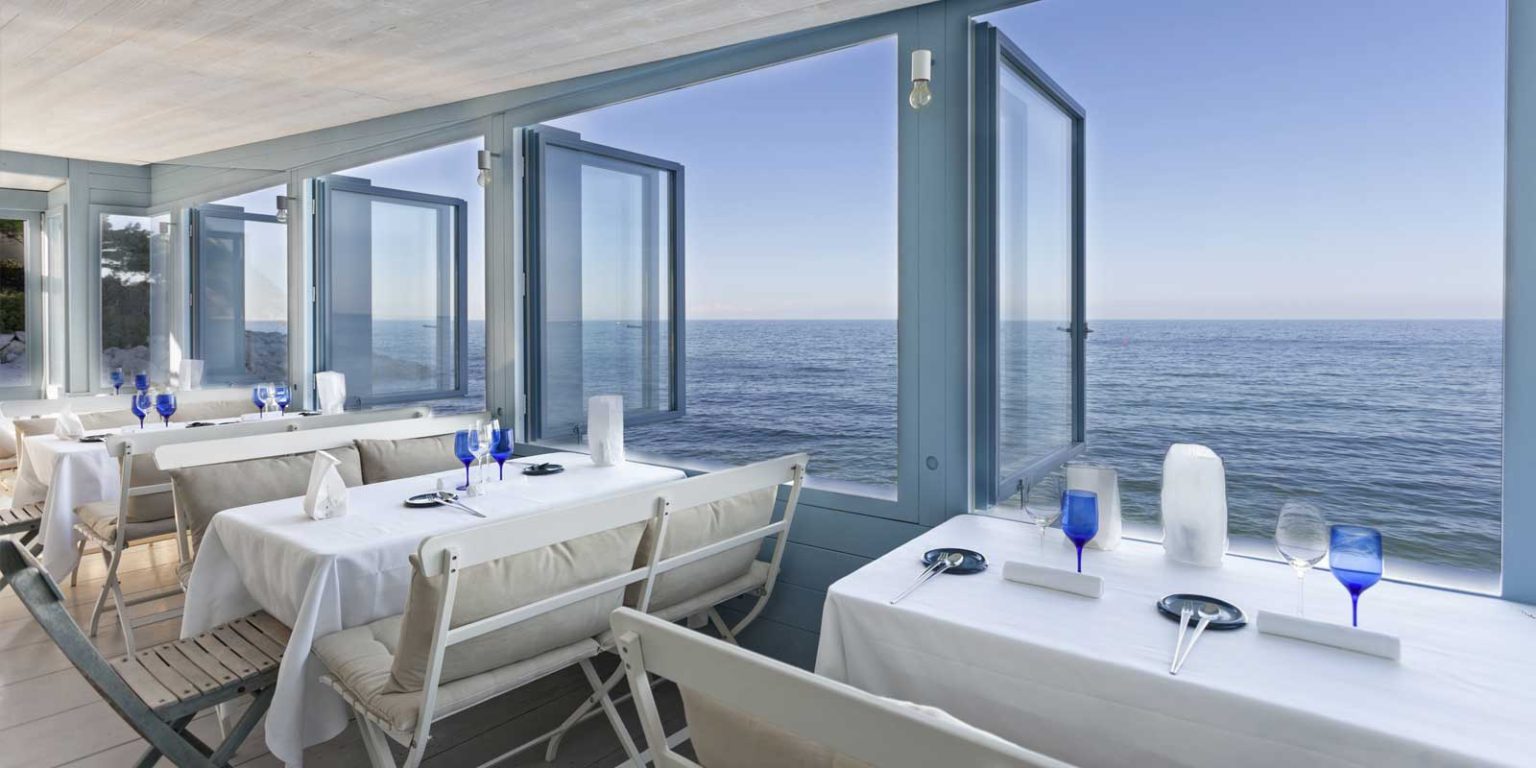
Moreno Cedroni's celebrated seaside restaurant gives fresh Adriatic fish a playful contemporary treatment, particularly through his imaginative susci creations. Its informal atmosphere and beautiful position overlooking Portonovo Bay make it a memorable place for lunch.
One thought on “Le Marche Food Guide: Traditional Dishes and Regional Cuisine”
Philsays:
September 7, 2022 at 4:38 am
Great article...love the area..worked in Ancona a few times and fell in love with the country side and beach towns. Want to live there 1 to 3 months every year. Try to buy the wines when I find them. Loved your article on cuisine Le Marche
To provide the best experiences, we use technologies like cookies to store and/or access device information. Consenting to these technologies will allow us to process data such as browsing behavior or unique IDs on this site. Not consenting or withdrawing consent, may adversely affect certain features and functions.
Functional
Always active
The technical storage or access is strictly necessary for the legitimate purpose of enabling the use of a specific service explicitly requested by the subscriber or user, or for the sole purpose of carrying out the transmission of a communication over an electronic communications network.
Preferences
The technical storage or access is necessary for the legitimate purpose of storing preferences that are not requested by the subscriber or user.
Statistics
The technical storage or access that is used exclusively for statistical purposes.The technical storage or access that is used exclusively for anonymous statistical purposes. Without a subpoena, voluntary compliance on the part of your Internet Service Provider, or additional records from a third party, information stored or retrieved for this purpose alone cannot usually be used to identify you.
Marketing
The technical storage or access is required to create user profiles to send advertising, or to track the user on a website or across several websites for similar marketing purposes.









Philsays:
September 7, 2022 at 4:38 am
Great article...love the area..worked in Ancona a few times and fell in love with the country side and beach towns. Want to live there 1 to 3 months every year. Try to buy the wines when I find them. Loved your article on cuisine Le Marche