
Discover the unique flavors of Bucelas Wine Region. Home to Portugal's renowned Arinto grape. Visit and taste exquisite wines. Plan your trip now. Open region guide
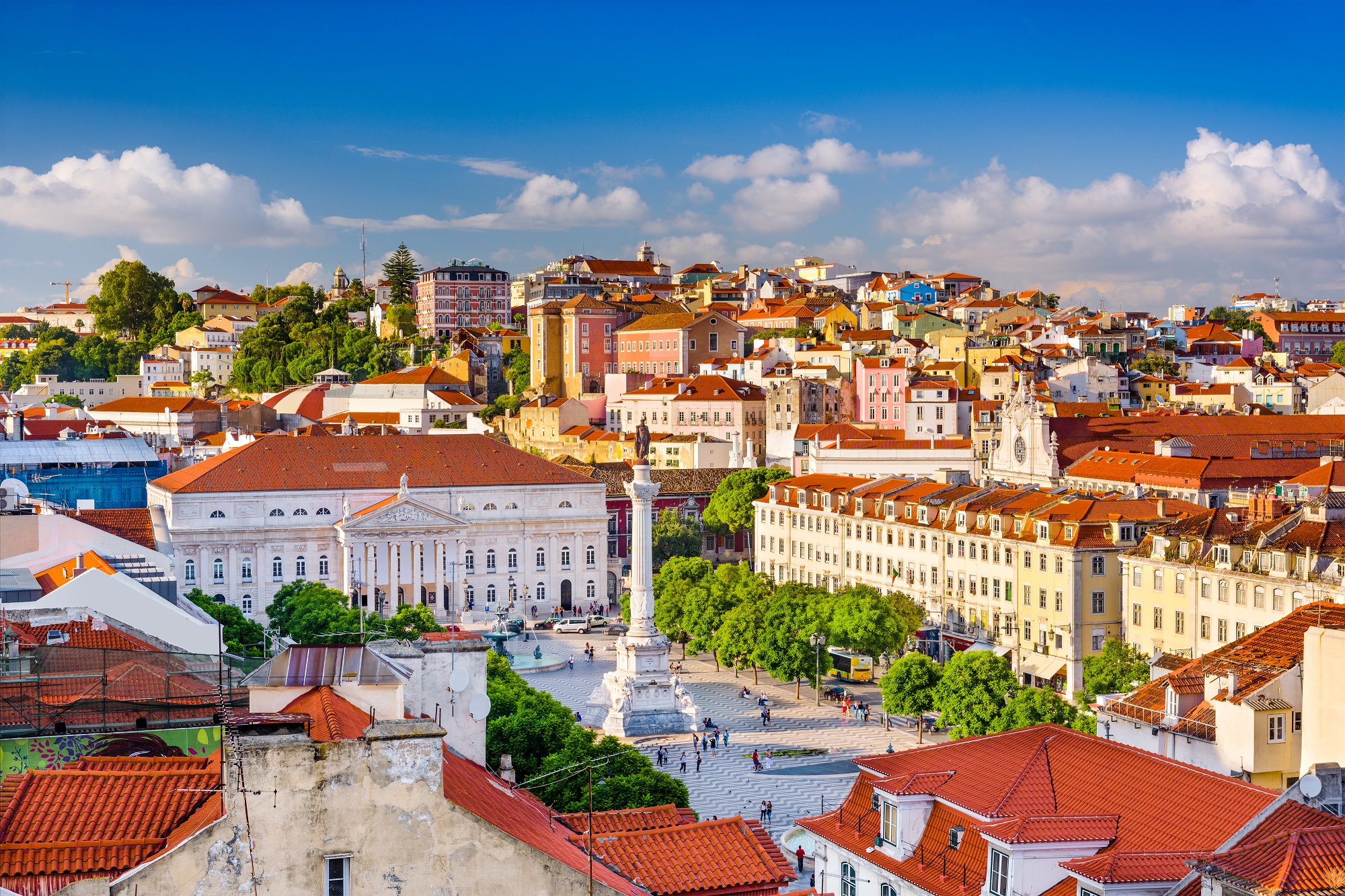
Lisbon is probably the most romantic city in Europe. Other cities are definitely more beautiful or graceful, but Lisbon has something special, something impossible to articulate in words. It’s melancholic, optimistic, traditional, trendy, frayed, and elegant simultaneously. The city is full of stunning Moorish tilework, medieval cobblestoned streets leading up to a wonderful castle, exquisite 18th-century palaces (some in perfect condition, others weathered), and San Francisco-like cable cars climbing up the tree-lined streets. Although the legend is that Ulysses first founded Lisbon, historians concur that the Phoenicians settled here 3,000 years ago. Being explorers and colonizers, they were attracted by the huge natural harbor and the strategic hill of São Jorge (where the castle is). Greeks followed, and next came the warring Carthaginians.
Lisbon became part of the Roman Empire in 205 BC and remained so for 300 years. Julius Caesar made the town the most important in Lusitania, changing the name from “Olisipo” to “Felicitas Julia.” With the decay of the Roman Empire, northern tribes pushed their way in overtime until they were replaced by the Moors in 714.
The Moors are the group that left the most impact on Lisbon. They left their art, tilework techniques, garden design, and irrigation practice. They stayed in power in Lisbon for 400 years, calling it “Lissabona,” fighting off the Christians all the while. Finally, Lisbon fell to Dom Alfonso Henriques and his band of Christian fighters in 1147 in a four-month battle called “The Siege of Lisbon.” From then until the great earthquake of 1755, Lisbon had a rich, glorious history, including discovering a sea route to India by Vasco de Gama, colonizing the “new world,” and trade and exploration, which brought great riches to the Portuguese Empire.
Very few pre-18th-century buildings remain today, except for the castle and remnants of the wonderful architectural style introduced, “Manueline,” named after the monarch Dom Manuel I. It is impossible to highlight every last tourist attraction in the city here, so we have chosen some of our favorites.
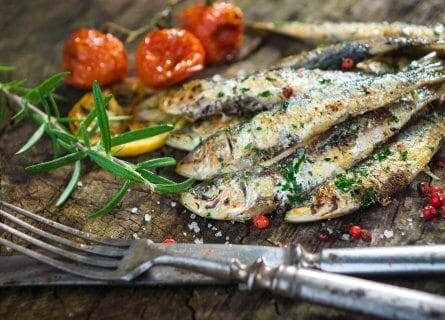
Apart from the ubiquitous seafood and fish dishes, including grilled sardines (“sardinhas grelhadas”), salt codfish (“bacalhau”), and tuna steaks (“bife de atum”), the “Lisboetas” also like their meat. You will frequently see dishes like “cozido à portuguesa” (boiled meats and sausages with vegetables) and “carne de porco à Alentejana” (pork cubes served with clams from the wine region of Alentejo, just east of Lisbon). “Frango Assado” is another specialty, and there is a great restaurant called Bonjardim in the Baixa district, calling itself the “Rei dos Frangos” (“King of Chickens”), where lovely roast chicken is served with homemade french fry wedges and salad.
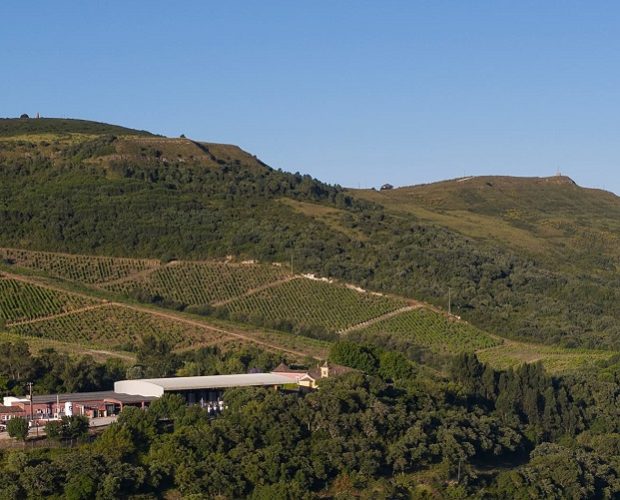
The closest wine regions to Lisbon include the Alentejo (to the east, Estremadura (region making better and better wines, the top winery being Alba da Serra), and the Setúbal Peninsula (southeast of Lisbon, encompassing the wines of Bucelas, Colares, and Carcavelos). The most traditional wine from Setúbal is the sweet Moscatel de Setúbal, quoted by wine expert Hugh Johnson as “rudely robust.” It has indeed fallen out of favor since its heyday as the darling wine of the Portuguese nobility. However, the wine region of Alentejo is swiftly gaining new room in the market thanks to serious investment, modern technology, and a wave of inspired and trained winemakers.
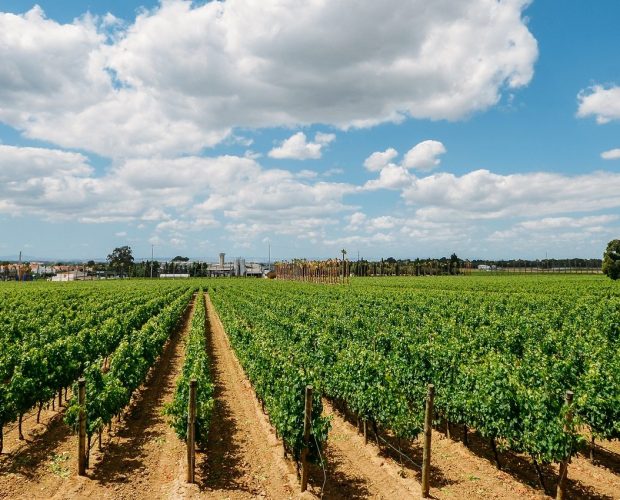
Perhaps our favorite winery is the oldest in the area, Herdade de Esporão, a gorgeous estate with over 700 years of history. Esporão is one of the Portuguese leaders in wine tourism and has set up facilities like an atmospheric restaurant and organized wine tours of the estate.
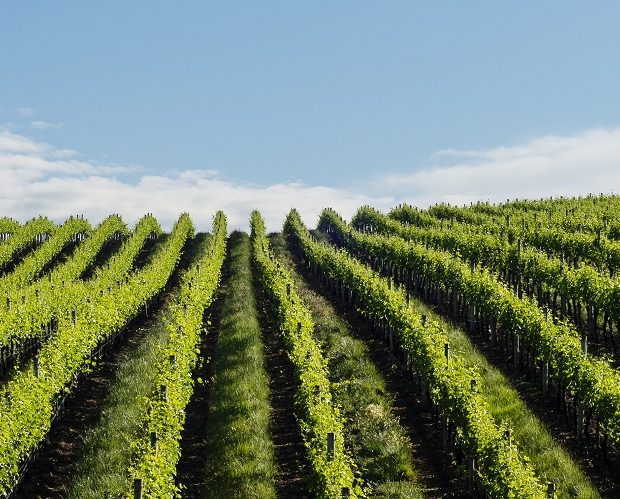
This is one of our favorite wine bars in a classy, 18th-century mansion where you can taste hundreds of ports by the glass. You can also purchase bottles of almost anything. It’s on the street, Rua de São Pedro de Alcântara, 45.
Fall in love with the enchanting city of Lisbon on our Lisbon Food and Wine Tour. Explore Portugal’s capital and surrounding area, including the esteemed Bacalhôa estate in Azeitão, aristocratic Cascais, and historic Sintra.
The majestic, medieval Castle of St George lies perched on the highest of Lisbon’s seven hills. Romans, Visigoths, and Moors occupied the castle’s location, and it was the royal residence until the late 1400s. The Moors built well-preserved walls. At the top, you can wander around the ramparts, towers, and gardens of the fortress and take in the incredible views of the Tagus River. It looks over the Baixa district and the Mouraria (the Moorish Quarter). The most atmospheric way to get up to the castle is on the legendary Tram 28, a tourist attraction in itself. Lisbon is full of vintage yellow trams dating from the early 1900s.
Alfama was one of the only parts of Lisbon to escape damage during the terrible earthquake in 1755. As a result, it is delightfully picturesque, with narrow winding streets and flowers spilling over balconies; you feel like you have stepped back in time. Around every corner, you can find wonderful sights in this charming area of Lisbon, reminding you of its Arabic influence and fishing port heritage.
We love this quarter, full of Fado bars, trendy restaurants and bars, and steep cobblestoned streets. It’s a brilliant place for a stroll or a cocktail, taking in the ambiance. The area used to be quite rundown, but in the last decade has emerged as an artsy haven, as New York’s Soho did in the ’80s. Apart from art galleries and stylish eateries, there are plenty of atmospheric, inexpensive tascas and traditional “taverns.”
A fabulous place if you love Portuguese tilework, this sweet museum is laid out around the cloisters of a 16th-century convent. You can see tiles dating to the 1400s and a wonderful 120-foot-wide, blue-and-white panorama of Lisbon in the 18th century.
This beautiful 16th-century monastery is one of the few surviving examples of medieval, Manueline architecture and is listed (along with the Torre de Belém) as a UNESCO World Heritage Site. It is also the resting place of Vasco da Gama and Portugal’s most famous writer, Luís de Camões. This magnificent monastery was built by King Dom Manuel in 1502. It was built to signify Portuguese importance as a world power at the time and, more specifically, to celebrate Vasco da Gama’s discovery of a sea route to India and the Spice Islands. It is the most unique expression of the wealth that Portugal acquired from discoveries and conquests in the 15th and 16th centuries.
This lovely tower (which looks more like a miniature castle) is positioned next to the bank of the Tagus River. It was built in 1515 as a monument to Portuguese maritime discoveries and, defensively, to protect the mouth of the river Tagus. It is another excellent example of Manueline-style architecture with fanciful naval themes.
If you come to Lisbon, you must see a Fado show. Coined Portugal’s answer to the blues, Fado is soulful, tragic, beautiful, and hopeful all at once. Accompanied by the mandolin-like guitar, the singing is intense and incredible to witness. Lisbon has many venues, mainly in the Bairro Alto and Alfama. “Parreirinha de Alfama” in the Alfama is small, intimate, and friendly, with good food. “Adega do Machado,” in the Bairro Alto, is fancier, founded in 1931, and has entertained prime ministers and presidents.
May 14, 2025
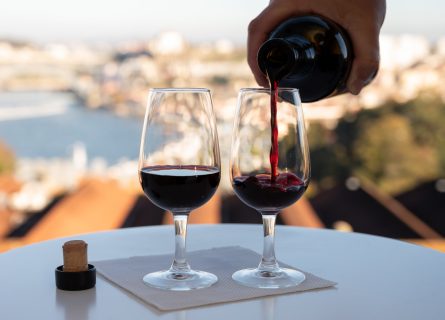
Understand Port wine, from Ruby and Tawny to Vintage and LBV, with history, serving tips, food pairings, and Douro travel context.
Read article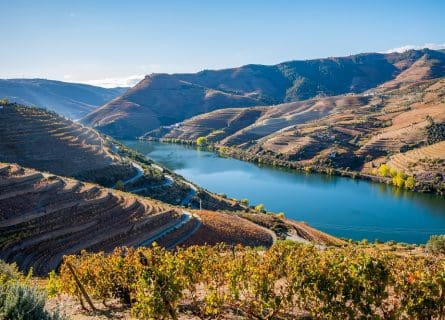
February 20, 2023
Learn about the unique characteristics of Gouveio, a grape variety used in the production of Port wine. Explore its flavor profile and history in our comprehensive guide.
Read article
October 25, 2025
Explore the Algarve wine experience and discover the unique terroir-driven wines from the sun-kissed region of Lagos.
Read article
March 8, 2023
Uncover the history and unique characteristics of Verdelho, a lesser-known grape variety used to make fortified wines.
Read article
February 10, 2023
Arinto is a versatile white wine grape variety known for its crisp acidity, citrus, green apple flavors, and a mineral finish
Read article
July 14, 2025
Uncover the secrets of the Fortified Wines of Portugal, beyond the renowned Port and Madeira wines celebrated globally.
Read article