
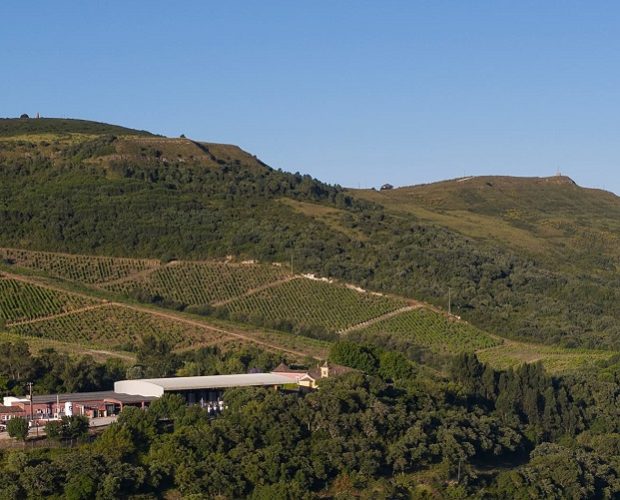
Discover the unique flavors of Bucelas Wine Region. Home to Portugal's renowned Arinto grape. Visit and taste exquisite wines. Plan your trip now. Open region guide
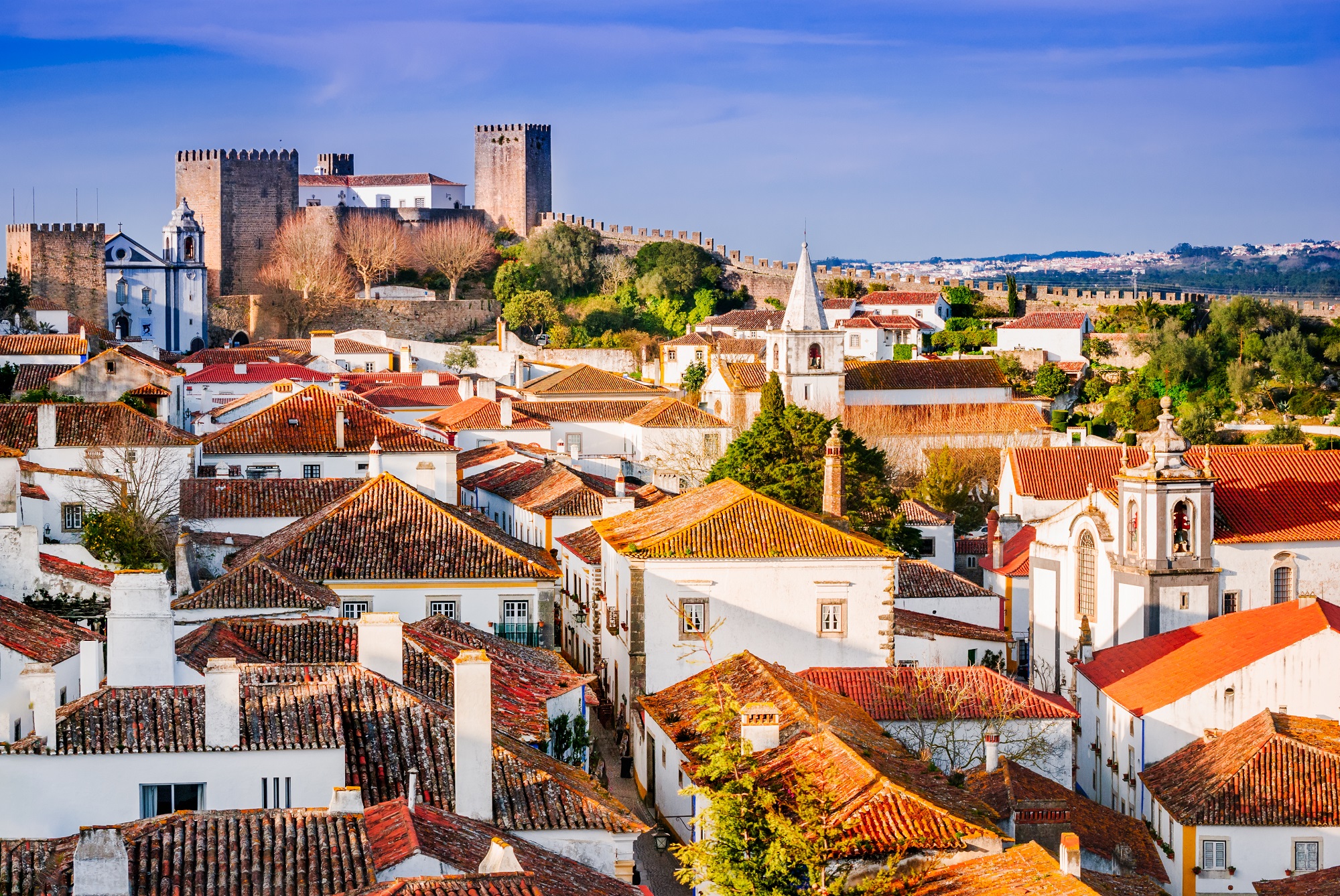
Óbidos is one of Portugal’s loveliest villages, located in the country’s center in the Ribatejo region. It is a “must-see” if visiting central Portugal, along with the nearby beautiful villages of Batalha, Santarem, and Tomar. Óbidos is extremely picturesque, with an enormous preserved castle crowning the village and narrow cobblestoned streets lined with bougainvillea-filled balconies leading up to it. Like many Iberian cities, it was founded by the Celts and later occupied by Romans, Visigoths, and Moors. Finally, the warrior King Alfonso Henriques captured the town from the Moors in the 12th century. An unusual tradition was born a century later: in 1282, King Denis gave the village of Óbidos as an extravagant wedding gift to his queen, Isabel. Until the 19th century, the town of Óbidos was part of the dowry of all Portuguese queens! Today, Óbidos is called “The Wedding City” and attracts many lovers and honeymooners to its charming and romantic old town.
This pretty village looks much as you imagine it did back in 1282, with ancient streets, medieval walls, and whitewashed houses. It’s hard to imagine that in 1755 it suffered massive damage from an earthquake and was again punished only fifty years after that; it was the site of fierce battles during the Napoleonic wars. Luckily, much of the village survives, and in the late 20th century, the Portuguese government began significant repairs to many of the ancient buildings. Today, visitors can even sleep in the impressive castle, which has been converted into a luxurious “Pousada,” a historic Portuguese hotel. A few times during the year are extraordinary to visit Óbidos, namely for the Ancient Music festival held in October and at Christmas time when it comes alive with nativity scenes, Christmas markets, and live entertainment.
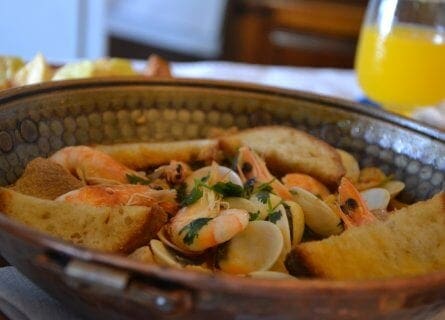
Like other regions, Portuguese cuisine in the center of the country is heavy on seafood. Camarões (shrimp), Carapau (mackerel) and Anchovas (anchovies) can all be found on local menus. Also typical in the Ribatejo is roast meat, often prepared on fiery grills. Many regional restaurants offer outdoor dining, where you can enjoy freshly roasted beef and rich, local wines. The wines of Ribatejo are quite well-known, mostly dry reds. Top wineries include the “Quinta de Alorna” and the “Convento de Tomar.” Vegetables also feature heavily on the menu, as the region is highly agricultural, and you will find plenty of veggies and beans (“Favas” and “Feijãos”).
Located in the central square, the “Praça,” this gorgeous church was interestingly chosen as the site for the child-king, King Alfonso V’s, wedding at his tender age of 10! Perhaps even more bizarre is that his fiancée was his 8-year-old cousin, Isabel. Of course, this was back in 1444; times were quite different. Most of what you see in the church now dates back to the Renaissance period, although there are preserved 17th-century Portuguese blue “Azulejos” (tilework brought to Portugal by the Moors).
The “Queen’s Spa,” this little town located only a few miles north of Óbidos, became famous for its healing waters and was founded as a Royal Spa in 1484 by Queen Leonor (the wife of King Joao II). These days the town is more famous for its pottery and Jewish heritage (during WWII, hundreds of Jewish refugees settled in this Portuguese city, creating a lively Jewish community.)
June 9, 2022
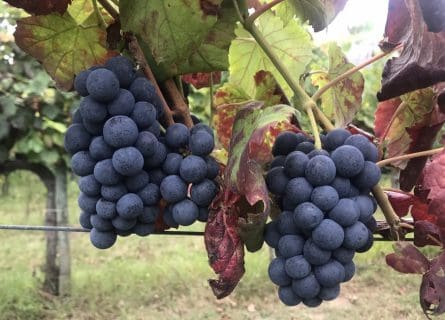
Discover Sezão, the dark-skinned Portuguese grape used in port and table wines, boasting rich flavors and a captivating history. 🍇🍷
Read article
July 14, 2025
Uncover the secrets of the Fortified Wines of Portugal, beyond the renowned Port and Madeira wines celebrated globally.
Read article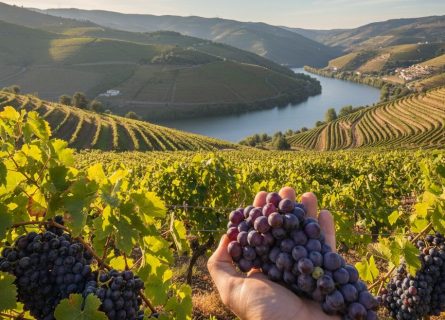
November 20, 2025
Explore the exceptional qualities of Portuguese wine, highlighting unique blends and the elegance of native grape varieties.
Read article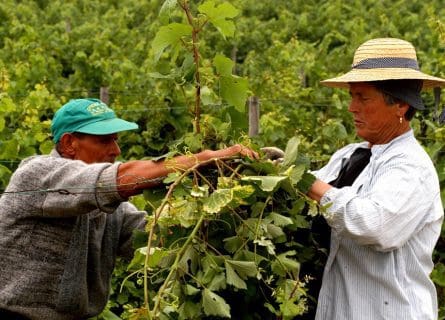
February 15, 2023
Bical grape produces crisp, refreshing white wines with high acidity and subtle mineral notes. Perfect with seafood and fresh dishes. Discover more.
Read article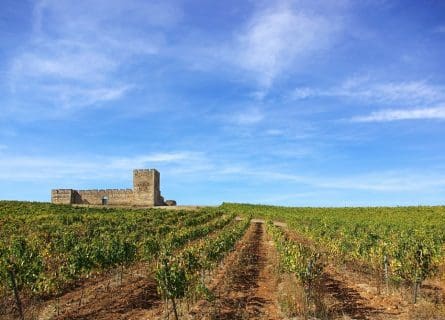
February 8, 2023
Antão Vaz: Popular Portuguese white wine grape, grown in Alentejo. Known for its fresh acidity, ideal for casual and fine dining.
Read article
June 4, 2022
Tinta Amarela, aka Trincadeira, is a red grape used in Port and red wine. Thrives in dry, hot climates, flaunting purple-skinned allure but susceptible to rot.
Read article