Unveiling Bairrada's wine revival: elegant reds with a Burgundy touch and captivating whites like Bical. Plan your trip now! Open region guide
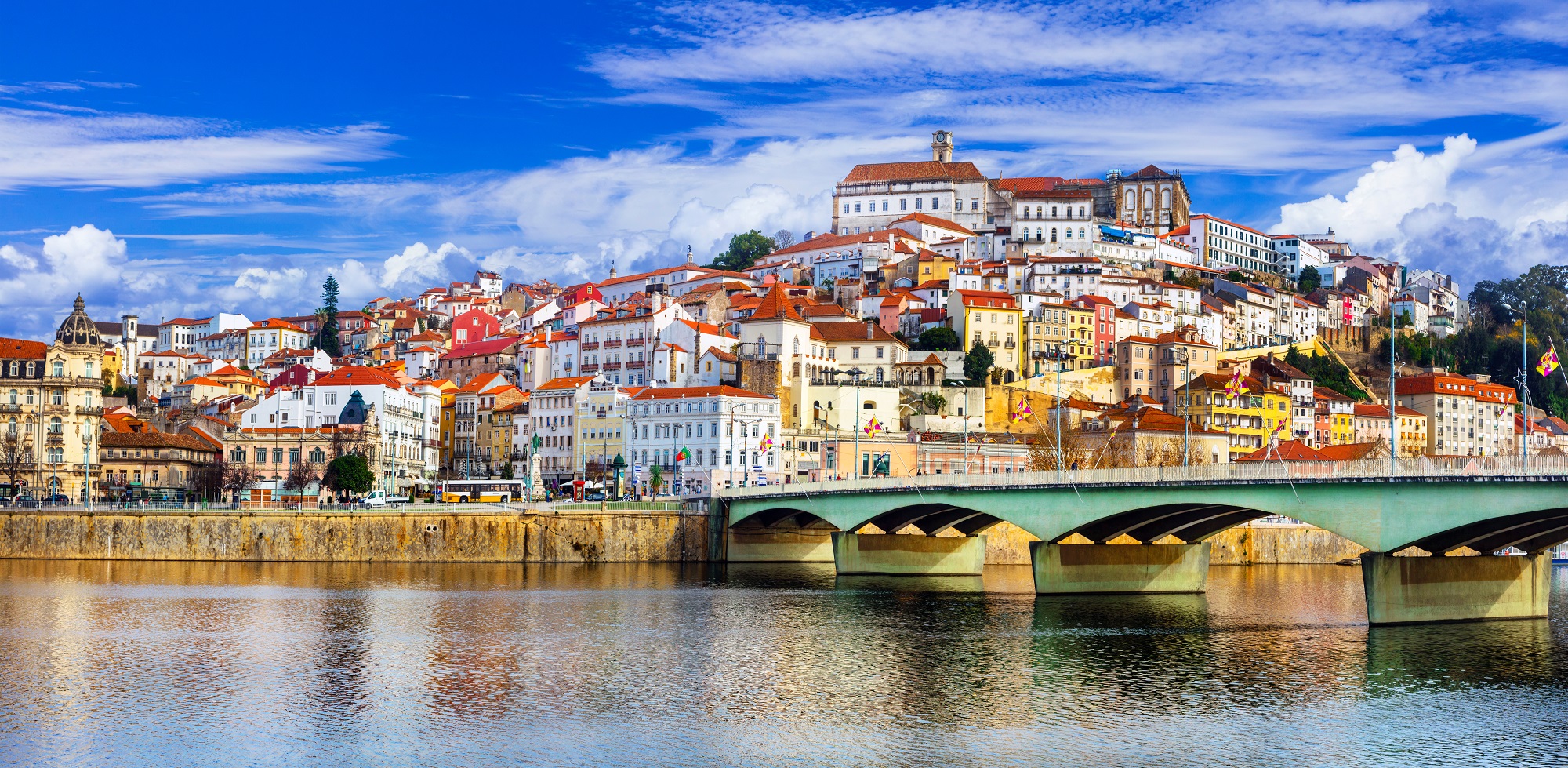
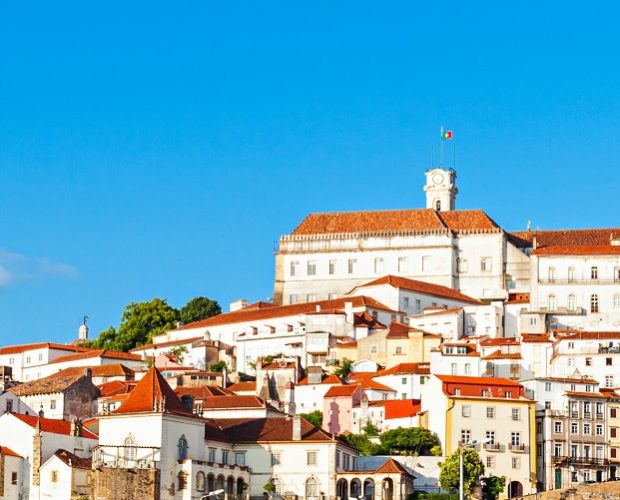
Coimbra, Portugal’s beautiful colonial university town, is located on a hill above the river Mondego. It is one of Portugal’s major historic capitals and is a beautiful mix of centuries of culture. Coimbra’s historic center is full of ancient alleyways, and the city’s claim to fame is that it houses Portugal’s oldest university, founded in 1290. The gracious town also boasts an extensive amount of Roman architecture. Coimbra used to be Portugal’s capital city from 1143-1255. Considering its reasonably small size, it has much to offer the culture vulture visitor in terms of history, art, and architecture. An air of importance and aristocracy runs throughout the city and its people. Coimbra is known as “the city of students,” and life has always been centered around the University of Velha. Shops, galleries, and cafes line Coimbra’s streets, including an assortment of bars and wine taverns catering to the city’s student population.
The city is technically divided into two areas. The ‘Baixa,’ the lower part of town, houses the city’s commercial zones. The ‘alta,’ upper part of Coimbra, is much older and must be entered through an arched gateway in the city wall, named the Arco de Almedina. This archway was created during Arab occupation and is aptly named ‘medina,’ which means “city” in Arabic. The lower part of town is home to student residences, as well as important cathedrals, the university, and the Casa de Sub-Ripas (a mansion with a beautiful Manueline-style doorway).
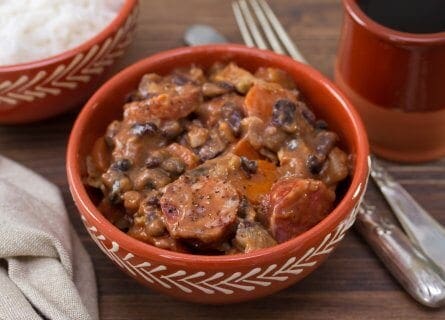
Coimbra is known for its love of pork. Some of its most regional dishes include ‘Leitao’ (roast suckling pig), ‘feijoada’ (a bean stew including chourizo, sausage, and paprika), and pork knuckle. The city and the surrounding region is one of the most gastronomically diverse in Portugal. As in other parts of Portugal, delicacies include eel stew and shellfish. Specifically, to Coimbra, the ‘Chanfana’ is popular throughout the university town. This is a casserole of kid or lamb meat stewed in red wine. The local cakes, called Santa Claras, are another local delicacy.
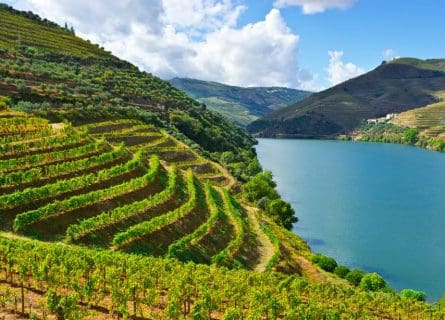
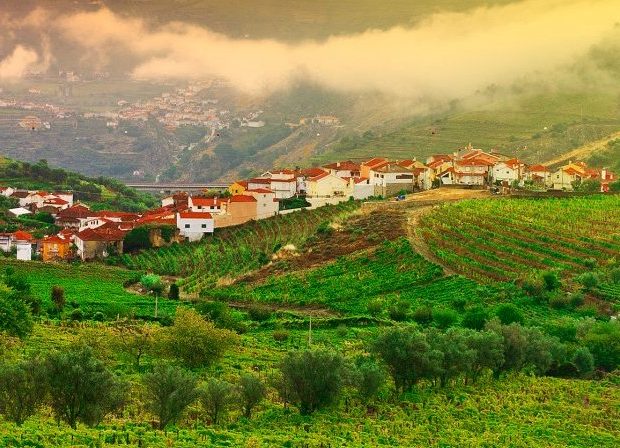
Coimbra is centered between the famous Dao and Bairrada wine regions in Portugal. The Dao region is known for its steep slopes and ideal grape-growing climate. Its local grape varieties make very characteristic wines. Only in the last decade have the white varieties been revived, and reds have begun to realize their potential. This new region is home to an innovative new winery called Quinta dos Carvalhais. This winery is computer controlled and located in the center of the region. The Barriada region was previously the home to Portugal’s best red table wines before the Douro and Alentejo. Its modern “international” wine styles are characterized by fruity flavors with interestingly high tannin levels.
Literally means “the old university,” the Velha Universidade was established in 1290. The main building that remains today dates back to the 16th century when João III declared its permanent residence in Coimbra. The facilities are set around the Patio des Escolas, a courtyard dominated by the Baroque clock tower nicknamed “A Cabra” (goat) and a statue of João III. The elaborate stairway to the right leads into the administrative quarters and the Sala dos Capelos. The hall itself is hung with portraits of Portugal’s Kings. It is used for conferring degrees and has an elegant wood-paneled ceiling with gilded decoration in the Manueline style.
The highlight is the narrow catwalk around the outside walls. The central door off the courtyard leads past the cupola, a very elaborate religious foundation. The famous library, a baroque fantasy, was presented to the faculty by João V in the early 18th century. Its rooms telescope into each other.
You can visit the historic city of Coimbra on one of our Portugal Wine Tours. Spend the night in the charming Quinta das Lagrimas, relax in the peaceful gardens, unwind in the spa, and dine in the excellent restaurant.
The body of Ines de Castro, King Pedro’s lover, was placed on the throne for homage by the people after she died in the form of a decomposing body. In this convent lies the tomb of Ines, alongside the convent’s founder and Coimbra’s Patron Saint-Queen Isabel. Isabel’s tomb is made of solid silver, and a covered walk of honeysuckle, financed by King João, is still kept up today. There is also a small military museum showcasing the rich military past.
The Se Velha is an old Cathedral about halfway up the hill in the old town. It opened in 1162 and is one of Portugal’s most important Romanesque buildings. It has only received slight alterations since its construction. The significant later addition of the Rennaissance “Porta Especiosa” doorway in the north wall has almost entirely crumbled away. Solid and square on the outside, the cathedral is also elegantly simple within, the decoration confined to a few giant conch shells holding holy water and some unobtrusive “azulejos” tiles from Seville around the walls. The Gothic tombs of the early bishops and low-arched cloisters can be found here.
The ancient city of Conimbriga is located 16 km southwest of Coimbra. It houses the most important Roman site in Portugal. It was a Celto-Iberian settlement, dating back to the Iron Age and later the site of Roman settlements when Portugal was part of the Roman Empire. Conimbriga used to be a major transit point on the road to Lisbon. It has survived better than the other Roman sites, mostly because its citizens abandoned Conimbriga for Coimbra and never resettled. A wall was quickly put up through the heart of this city, separating it into two. The remains of the abandoned houses and public sites are restored to working order, with fountains in the squares and mosaic tiles lining the floors of the old homes. An aqueduct, forum, temple, and even public baths can be found on this ancient Roman site.
Approximately 32 Km west of Coimbra lies the magnificent castle of Montemor-o-Velho. From the Romans to the Moors, and later in the hands of Dom Alfonso IV, Montemor-o-Velho became a royal residence and the site of the fated Ines Castro. Also, in this castle, João of Avis became King Dom João I. The main attraction inside the castle is the Santa Maria de Alcavova church. It has a beautiful wood ceiling with twisted columns and Moorish decorations.
July 14, 2025
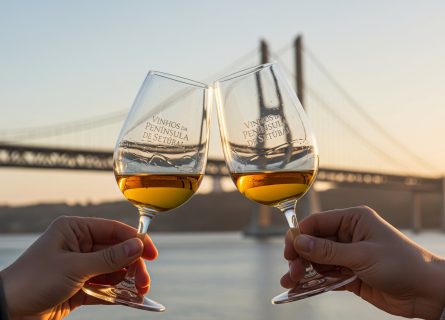
Uncover the secrets of the Fortified Wines of Portugal, beyond the renowned Port and Madeira wines celebrated globally.
Read article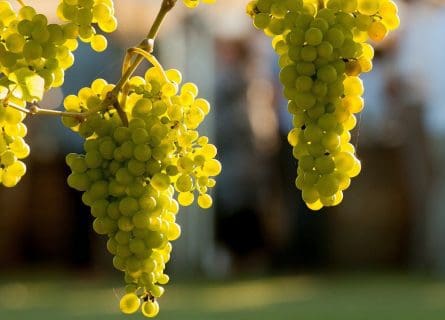
February 28, 2023
Discover the unique and versatile Rabigato grape, and learn about its history, characteristics, and food pairings.
Read article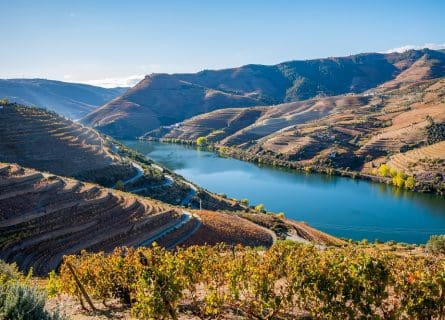
February 20, 2023
Learn about the unique characteristics of Gouveio, a grape variety used in the production of Port wine. Explore its flavor profile and history in our comprehensive guide.
Read article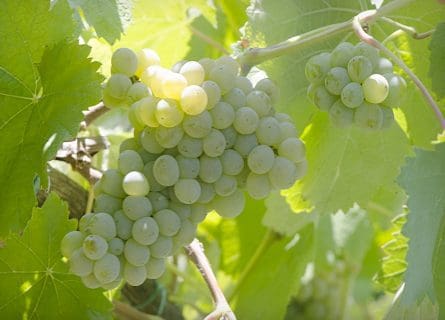
February 10, 2023
Arinto is a versatile white wine grape variety known for its crisp acidity, citrus, green apple flavors, and a mineral finish
Read article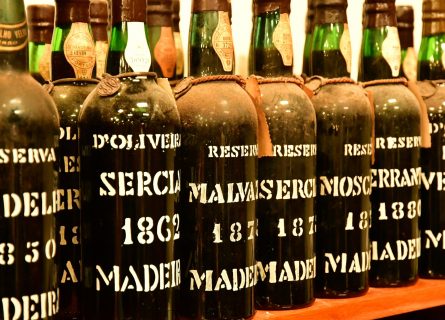
June 9, 2025
Explore the rich flavors of Madeira wine, from fig to caramel, and discover its exceptional longevity and character.
Read article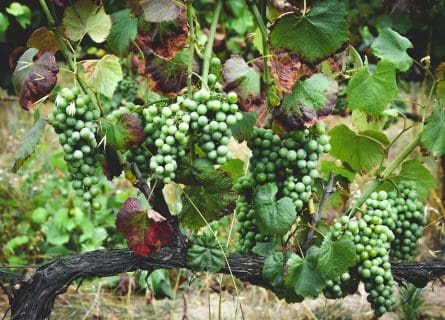
February 17, 2023
Discover the unique character of the Cercial grape, a Portuguese white variety known for its high acidity, citrus flavors, and mineral notes. Learn more here.
Read article