
Discover the unique flavors of Bucelas Wine Region. Home to Portugal's renowned Arinto grape. Visit and taste exquisite wines. Plan your trip now. Open region guide
Sintra is the most beautiful village in Portugal. Its landscape is filled with history and culture. In Ancient times, Sintra was known as Mons Lunae, the hills of the moon, because it had a strong presence of religious cults. As a result, the architecture and many gardens and fountains give it a somewhat mystical ambiance, even today. The town is surrounded by a massive granite mountain called the Serra de Sintra. It is 10 km long and rises north of the River Tagus. It twists into the Atlantic to form the cape that marks the westernmost point of continental Europe.
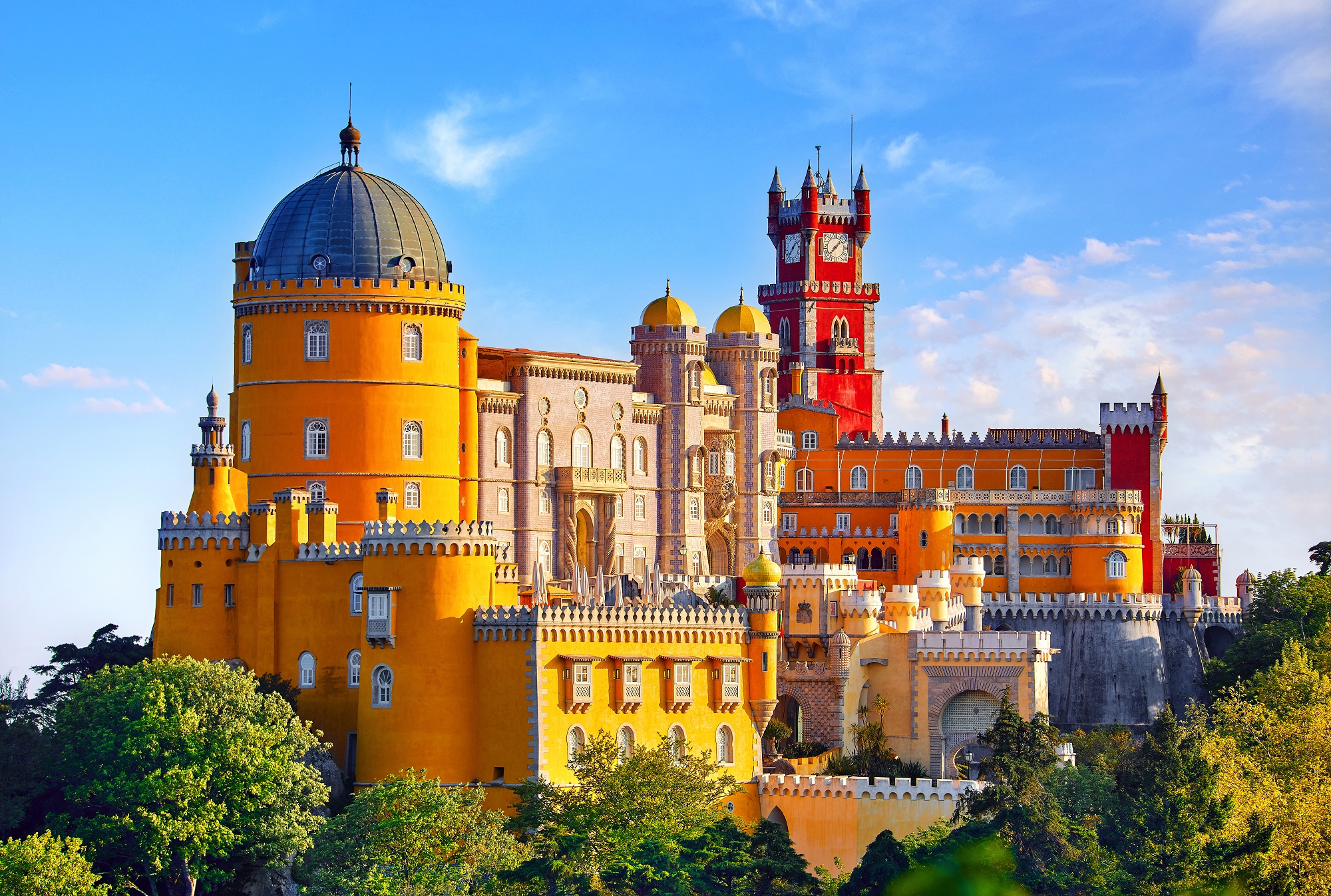
The history of this city is evident in its magnificently preserved structures, traditions, and gastronomy. Sintra has a collection of monuments from over the centuries, the most fantastical being the Palacio da Pena, a quasi-Bavarian/Disney-looking castle. The microclimate of Sintra, sheltered between mountain and sea, is given credit for the most beautiful sunsets in Portugal. Sintra has a medieval layout with narrow winding streets, steps, and roofed passageways throughout the city. Due to its mount of preserved historical sites and its incredible beauty, Sintra is a UNESCO-declared heritage site.

Like most of Northern Portugal, Sintra has various gourmet cuisines and wines. There are many types of seafood from the Algarve to Minho, with Portuguese cuisine adapting to the styles of countries worldwide, from Asia, Europe, and the Americas (namely Brazil). Portugal’s central region is gastronomically diverse, with local delicacies such as eel stew and an array of roast meats and shellfish, alongside other world-renowned cuisine styles. Most Portuguese dishes involve fish and seafood, but liver, partridge, and beef steaks also line the menus. Pastries, such as the cheesecakes found in Sintra, make up a special delicacy of the gastronomic culture of Portugal. Sintra’s cheesecake is called “Queijada” and is located in every café in town.
The wine region closest to Sintra is to the northwest in Colares. Colares is known for its white wines, the only white wine in Portugal that can be aged for over 2 or 3 years. Ramisco, Arinto, Dona Branca, and Malvasia are the grapes in this region’s sandy soils. They are light and fragrant with a unique flavor and gracefulness. As a result, the Colares region has won several golden awards for national and international wines.
Colares is famous for its “Ramisco” vines (exclusive to the region) that are deeply planted in sandy dunes protecting them from the Atlantic winds. They produce full-bodied red wines with so much tannin they are incredibly dry to taste. Whites are generally fruity and fresh and aromatic with age.
This 9th-century castle is set on two peaks of the Serra mountains. From the walls surrounding the castle, the incredible views of the city are not to be missed. Several towers link this surrounding wall. Although this is not the original construction, it was restored in the Romantic period of the 1860s. This Moorish castle was conquered by Dom Alfonso Henriques in 1147, leaving traces of the Arab culture in the cistern and Arab horseshoe arch gate.
This is the main tourist attraction in Sintra. It has a mesmerizing regal air created from a succession of different parts built in different phases. It has a puzzle of different styles and mentalities that all come together to create the beauty of this palace. The two most notable styles are D. João, a 15th-century architect, and D. Manuel I., a 16th-century architect. Palacio Nacional houses one of the largest and richest sets of Mudejar azulejos ceramic tiles on the Iberian Peninsula. It gives off the air of a Moorish fairytale palace with medieval legends and royal history.
On the border of the town lies one of the most invigorating and important creations of the Romantic Movement. It is atop the Serra mountains and was the dream of a noble artist, D. Fernando. Brilliant chalets line the foot of the hill and other small picturesque palaces, surrounded by the exotic Parque de Pena, a giant park and botanical museum with large elaborate homes and beautiful scenery.
Many interesting monuments can be found in this central part of the city. For example, from the Torre do Relógio (clock tower), Igreja de São Martinho (lovely church), Paço dos Ribafria, Convento da Trindade, Igreja de Santa Maria, a notable string of fountains, such as the Fonte da Pipa and the Fonte da Sabuga.
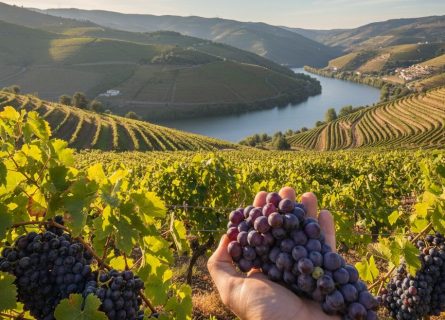
November 20, 2025
Explore the exceptional qualities of Portuguese wine, highlighting unique blends and the elegance of native grape varieties.
Read article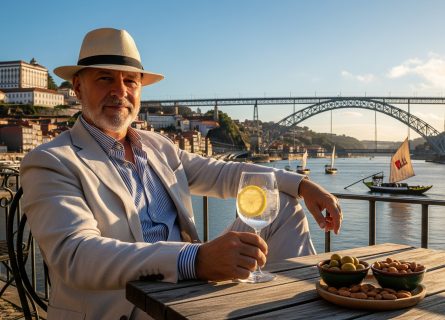
September 19, 2025
Explore Portugal food and wine pairing with regional wines that enhance every dish from seafood to desserts.
Read article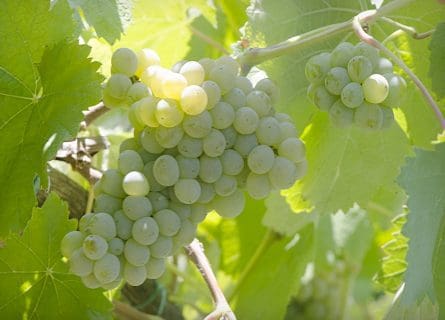
February 10, 2023
Arinto is a versatile white wine grape variety known for its crisp acidity, citrus, green apple flavors, and a mineral finish
Read article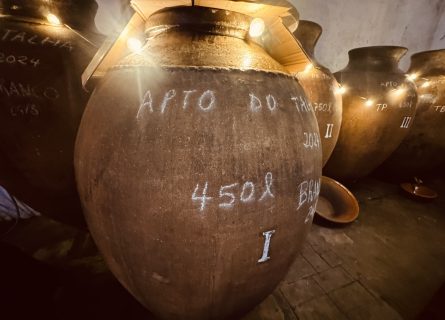
December 1, 2024
Discover the ancient tradition of amphora wine production and how winemakers are using clay pots to create unique and concentrated fine wines.
Read article
October 25, 2025
Explore the Algarve wine experience and discover the unique terroir-driven wines from the sun-kissed region of Lagos.
Read article
March 4, 2023
Learn about the Trajadura grape and its characteristics, including flavor notes, wine styles, and regions where it's grown. Discover the versatility of this Portuguese variety.
Read article