 21 tours
Country tours
Private Wine Tours in France
Unveiling France's Finest: Customized VIP Wine Tours and Gourmet Escapes
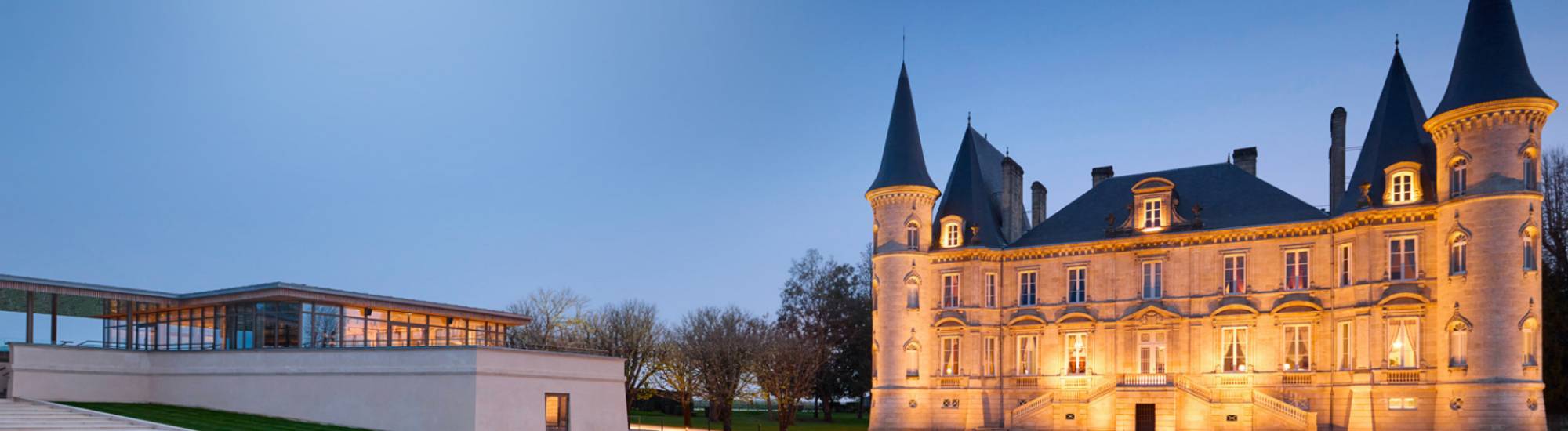
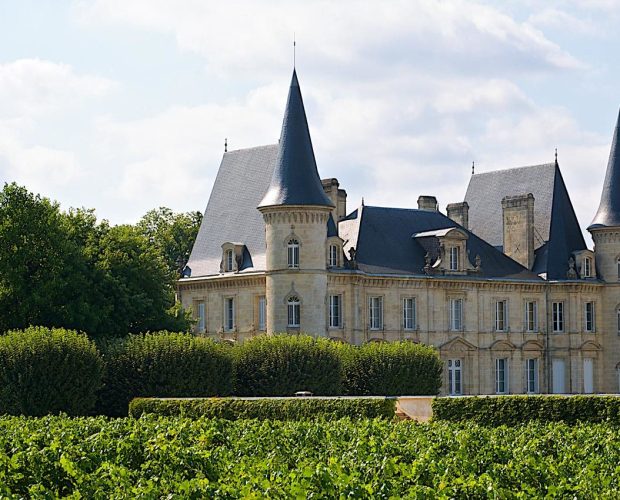
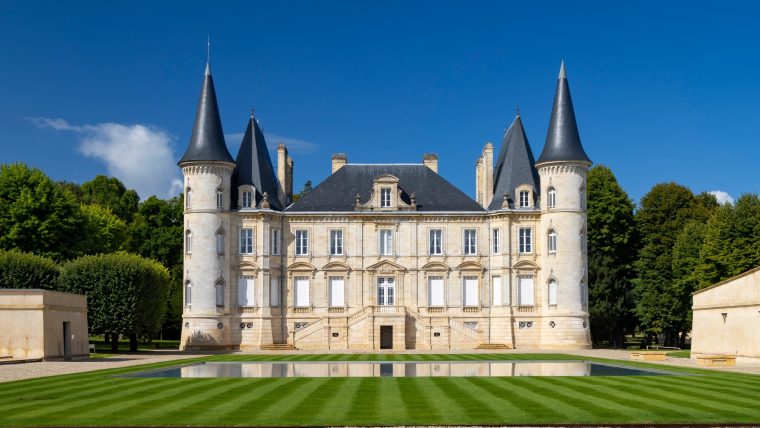
In the Pauillac wine region, beautiful Deuxième Cru (Second Growth) Château Pichon Baron is one of Bordeaux’s finest estates and the poster child for superlative claret. The wines are structured, Cabernet-led, long-lived Pauillac. Dominating the region with its architecturally splendid fairy tale Château, Pichon-Longueville’s star talking point is the bold, baroque winery, which is floodlit at night, giving first-time visitors to the area a wonderful sense of the estate’s theatricality and importance. Château Pichon Baron, historically Château Pichon Longueville Baron, has enjoyed a remarkable history in Bordeaux and has weathered prosperous and more challenging times, like so many of its neighbors.
Today, the wines of this renowned estate are justly celebrated. However, this was not always the case. In 1850, the Pichon Longueville estate was divided: Baron Raoul Pichon de Longueville’s share became Pichon Baron, while his sisters’ share became Pichon Comtesse. After that, the fortunes of Longueville would slide when it was sold to the Bouteiller family in 1933. Bertrand Boutellier, who inherited the property from his father Jean, showed little enthusiasm for producing fine Bordeaux, nor was he disposed to making an essential investment in the Châteaux. The wine quality slipped, and loyal customers slowly turned away.
The property’s return to splendor occurred in the late 1980s when the family sold Longueville to the AXA Millésimes insurance firm. The company director, Jean-Michel Cazes, and his winemaker friend Daniel Llose soon began an incredible program of improvements and restoration to this historical Château. Motivated by their desire to return Pichon to its former glory, they purchased new vineyards in superior sites. They commissioned the creation of the existing modern winery, designed by Patrick Dillon and Jean de Gastines. But most importantly, a massive investment was made in understanding the Longueville terroir and its best vineyard plots, and in modern winemaking techniques, all using only the finest French oak. The results speak for themselves: Pichon Longueville is now quintessential top-notch Pauillac, muscular, powerful, and concentrated wine of real ‘breeding.’ It is also very much a wine built to last; there is never any rush to drink Pichon from a good vintage, and great years seem to last for many decades – indeed, a fitting icon for the fine work.
Château Pichon Baron, one of the highlights of our Signature Bordeaux Wine Tour, can be visited privately with exclusive VIP tastings organized by Cellar Tours.
1694
92 ha
35 years
400,000 bottles
Explore further
Discover private journeys, the complete wine region guide, and expert stories from across France.
21 tours
Unveiling France's Finest: Customized VIP Wine Tours and Gourmet Escapes
 1 day (ideal from Bordeaux)
A private full-day journey through the Médoc’s classified-growth château country from Bordeaux
Left Bank, Right Bank and sweet-wine country from Bordeaux.
Compare France’s leading wine regions by grapes, wine styles, scenery, best base and ideal stay
Explore regions
Unveil Bordeaux Grapes' Secrets: Enhance Your Wine Knowledge & Appreciation with Expert Insights! 🍇 Discover Wine's Charm Now!
Read article
Master the art of buying Bordeaux wine - Expert tips, vineyard navigation, and selecting the perfect wine. Cheers to Bordeaux's wine culture! 🍷🍇
Read article