 46 tours
Country tours
Private Wine Tours in Italy
Private, Chauffeured Wine Journeys Across Italy’s Finest Regions
Compare Italian ham and prosciutto types, including Parma, San Daniele, and speck, with serving tips, wine pairings, and advice on ordering in Italy.
Part of our guide Italian food guide, region by region
Estimated reading time: 6 minutes
Italian ham includes dry-cured prosciutto crudo, cooked prosciutto cotto, and smoked styles such as Speck Alto Adige. Parma, San Daniele, and Tuscan prosciutto each have their own character, while Culatello offers another prized specialty to seek out around Parma.
When you think of Italian ham, you probably picture thin, crumpled slices of velvety, smooth, salty-sweet prosciutto. To the initiated, Prosciutto is a vast world of taste and texture, with each Italian region putting its own spin on this classic. Prosciutto di Parma from Parma is Italy’s best-known variety of cured ham. Still, many others compete with it: Tuscan prosciutto and Prosciutto di San Daniele are just two of the many kinds available.
| Ham or specialty | Where to look for it | Style | Typical character |
|---|---|---|---|
| Prosciutto di Parma DOP | Parma province, Emilia-Romagna | Dry-cured ham | Delicate, sweet flavor and creamy texture |
| Prosciutto Toscano DOP | Tuscany | Dry-cured ham with aromatic seasoning | Savory, peppery and fragrant |
| Prosciutto di San Daniele DOP | San Daniele del Friuli, Friuli Venezia Giulia | Dry-cured ham | Sweet flavor and a soft texture |
| Prosciutto cotto | Throughout Italy | Cooked ham | Mild and tender |
| Speck Alto Adige IGP | South Tyrol | Lightly smoked and air-dried ham | Gently smoky, with spice and a firmer texture |
| Culatello di Zibello DOP | The countryside along the Po in Parma province | A boneless portion of pork thigh, cured in a natural casing | Rich flavor and an intense aroma |
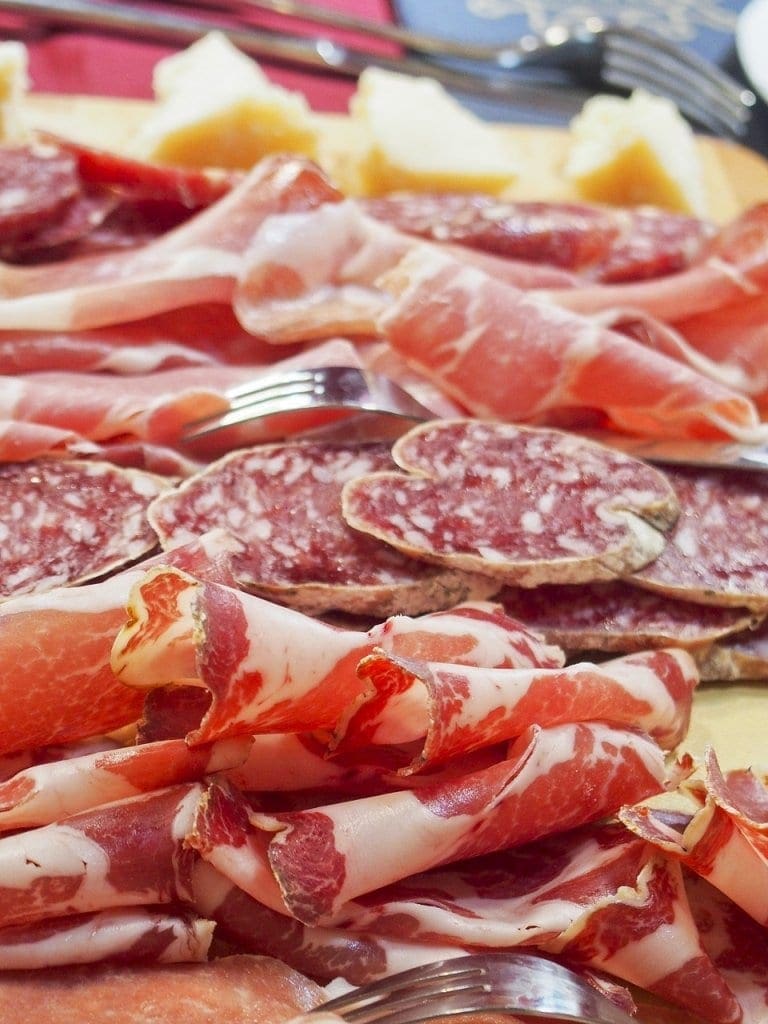
For a first tasting, try Parma and San Daniele alongside Tuscan prosciutto. Their differences are easier to appreciate side by side, with a little bread between slices. Add speck if you enjoy a gently smoky flavor.
related tours
To taste Parma’s cured meats where they are made, explore our Private Italian Gourmet Grand Tour. We arrange producer and cellar visits alongside private wine tastings in Valpolicella and Franciacorta, with your own driver and an itinerary tailored to your interests and pace.

Although each kind of Prosciutto claims its own flavor and texture nuances, the basic principles of dry-curing are similar. For the PDO hams discussed here, fresh pork thighs are refrigerated, trimmed, and salted before resting, washing, drying, and maturation. The precise sequence and timing vary by regional style.
During maturation, a coating of pork fat, known as sugna, plus salt, pepper, or flour (depending on the product) covers the exposed lean meat. This slows surface drying while the ham continues to mature. The process takes months, and some producers age their hams for considerably longer than the required minimum.
What can vary significantly between Prosciutto-making regions is the diet pigs are fed. To be officially recognized as a Protected Designation of Origin (PDO), the ham must follow strict guidelines on geographical origin, production methods, the type of pig used, and what those pigs are fed.
PDO stands for Protected Designation of Origin; DOP, which you will see on Italian labels, is the Italian equivalent, Denominazione di Origine Protetta. The geographical rules differ between products. Prosciutto di Parma, for example, is made in a defined area of Parma province using pigs from permitted Italian regions. Their regulated diet may include whey, reflecting the historic connection between pig farming and cheesemaking.
The delicate flavor of Prosciutto pairs well with a dry but not too powerful white wine (like dry Malvasia) so that none of the ham’s flavor is masked. Ideal Prosciutto recipes let the ham’s unaltered flavor shine through; serve it on thick Italian bread with Olive Oil, with a soft cheese like mozzarella, or alongside fruit like melon or figs.

With its sweet flavor and creamy texture, Emilia Romagna’s Prosciutto di Parma is one of Italy’s best-known hams, especially beyond Italy, where it’s widely exported. With roots going back to the second century BC, when salt-cured ham was mentioned in the writings of Cato, Prosciutto has a long and hallowed history here in the Parma province.
Today, Prosciutto di Parma DOP must mature for at least 14 months. Its delicate flavor makes it a good place to begin a tasting before moving on to more assertively seasoned styles.
Explore more of Emilia-Romagna’s cured meats.
Considered a savory ham, the Tuscan version of Prosciutto tends to be quite salty and may have notes of strong flavors like pepper, garlic, rosemary, and juniper. Prosciutto Toscano DOP is produced in Tuscany, using pigs born, raised, and slaughtered in six permitted Italian regions. The hams are cured with sea salt, pepper, and aromatic herbs. Tuscany’s unmistakable aromas subtly enhance the ham’s flavor.
In Friuli Venezia-Giulia, a region in northeastern Italy, makers have produced the prized Prosciutto di San Daniele for centuries. The town’s climate, where cool Alpine air meets warmer Adriatic breezes, gives Prosciutto di San Daniele an exceptionally creamy texture and sweet flavor.
Pressing gives San Daniele its characteristic guitar shape. Prosciutto di San Daniele DOP must mature for at least 13 months from the start of processing.
Prosciutto cotto is cooked ham, generally mild in flavor and tender in texture. Cotto and crudo describe how the ham is prepared, not where it comes from. If you are choosing a sandwich or ordering sliced ham at a deli, that distinction is the first one to understand.
South Tyrol’s Speck Alto Adige IGP has a savory flavor, fragrant with pepper and juniper. The pork legs are lightly smoked, then left to mature in the mountain air, but the smoke stays gentle enough for the seasoning to come through. Serve it simply with bread and a little local cheese.
Crudo means dry-cured ham and cotto means cooked, but crudo alone doesn’t identify a regional style. Parma’s sweet, creamy slices differ from a peppery Tuscan ham.
For a first tasting, try an affettati misti platter and ask which cold cuts it includes. You may also see a tagliere, a serving board that can bring ham, salami, and local cheeses together. Check the selection before ordering if you want to try a particular specialty.

The delicious Culatello is also revered in Italian cuisine. It is made from a boneless section of the pig’s rear leg muscles. This cured meat is made in the Zibello area of the Parma province. It is a whole-muscle salume, rather than a salami made from chopped or minced meat.
Placed inside a natural casing, traditionally a pig bladder, and tied with string, Culatello di Zibello DOP is then cured and matured for at least 10 months, often longer. Culatello has a rich, intense flavor and a deep red color; it is Italy’s crème de la crème ham!

Explore further
Discover private journeys, regional guides, and expert stories to help you plan an unforgettable trip through Italy.
46 tours
Private, Chauffeured Wine Journeys Across Italy’s Finest Regions
 13 days
A grand gourmet journey through Italy’s northern culinary heartlands.
 8 days
Cannonau, Vermentino and coastal beauty across Sardinia.

Compare Italy’s leading wine regions by signature wines, scenery, best base, travel time and ideal stay
Explore regions
What to eat in Tuscany: ribollita, pici and bistecca alla Fiorentina, plus Tuscan bread, local cheeses, traditional desserts and selected wine pairings.
Read article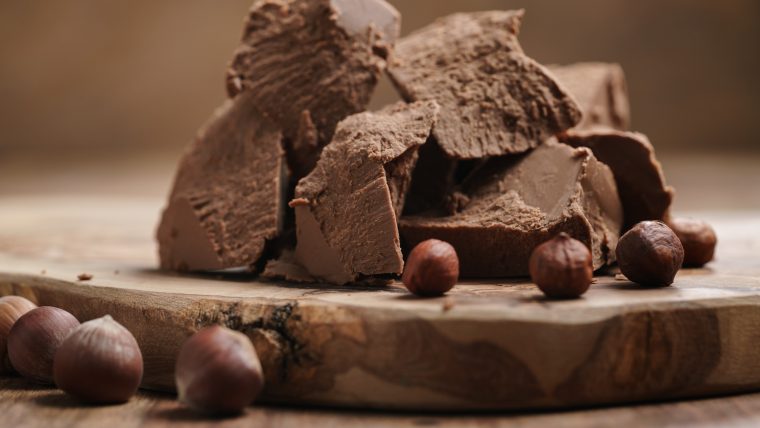
Discover Italian chocolate in Turin, Modica, Tuscany and Perugia, with regional specialties, notable makers and practical advice for tastings and visits.
Read article




Stacey Langsays:
September 11, 2017 at 8:29 pm
There used to be a ham that my father bought at the Italian market in cleveland called "spiced ham." Nope, it wasn't capicola, it wasn't really spicey. It was a processed square loaf of ham. Not chipped ham (yuck) -- more depth of flavor. Any idea what it was/is?
tim Wardsays:
August 29, 2017 at 5:36 pm
I want a prosciutto that does not need a cutting machine but can easily be cut by hand