
Unveiling Bairrada's wine revival: elegant reds with a Burgundy touch and captivating whites like Bical. Plan your trip now! Open region guide
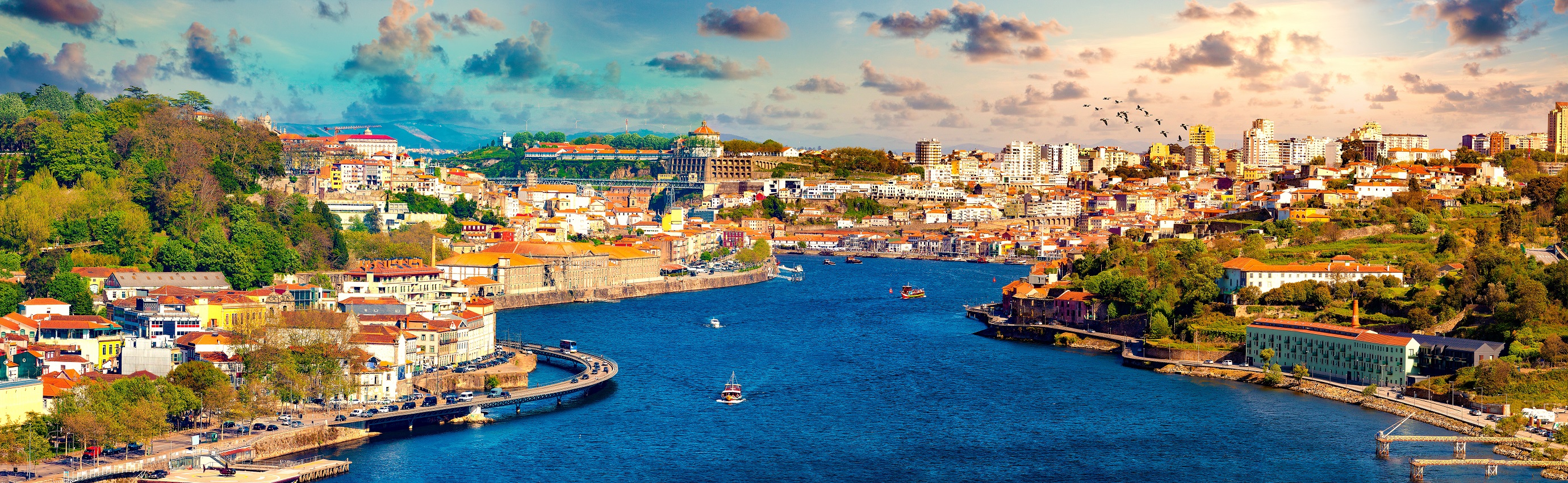
Portugal’s second biggest city, Porto, is the capital of Portugal’s most famous wine region – Port. It is home to most of the Port lodges (where the wines are aged after vinification in the wineries along the Douro further inland), located in Vila Nova de Gaia. It is located magnificently on the banks of the great Douro River. Porto is well known for its characteristic sailboats, the “Barcos Rabelos,” which used to ship Port downstream from the vineyards. The journey was quite dangerous, but despite the introduction of the Port train in the late 1800s, the Barcos Rabelos continued to be used for transporting Port until the 1960s. These days, the famous boats are used for an annual race held in Porto in June every year.
Porto is a town of contradictions- still relatively poor by European standards and yet full of unidentifiable charm that seduces the visitor. The river is lined with incredible, non-pretentious seafood restaurants, where traditional dishes like “Tripas” (tripe) and “Ameijoas” (clams) are served in boisterous bars and cafes. The city has a tremendous amount of atmosphere, with narrow, steep, winding lanes; old trams; beautifully tiled and deteriorating facades; and a bizarre blend of mom-and-pop shops rubbing elbows with elegant new shops, overcrowded and happily noisy neighborhoods falling into opulent suburbs full of villas and luxuriant gardens.
The main attractions architecturally are the Sé Cathedral, a 13th-century cathedral renovated in the 18th century and located on the hill above Porto’s historic São Bento train station. You can climb the Renaissance epoch stairs, which lead you to a chapterhouse and provide stunning views over the old quarter. The Igreja de São Francisco is another extraordinary church with a Gothic exterior and decadent gilded Rococo interior. The Stock Exchange, A Bolsa, is also an impressive building, constructed in the 19th century in an array of styles, including a neoclassic façade and Moorish interior.
What most visitors come to Porto for, however, is not only for the city itself but rather the city’s most significant export- Port. You only have to cross the Ponte Dom Luis I bridge from old town Porto to reach the fantastic old port lodges, many dating back to the late 1700s. Some port lodges are in transformed monasteries, like the Ferreira Lodge (a port company founded in 1715). Ferreira is, in fact, one of the most charming lodges to visit, along with the historic Sandeman (also housing a museum), Graham, and Calém.

Porto’s cuisine is heavily based on fish and seafood, like the rest of Portugal. Dishes you will commonly see on restaurant menus can include “Arroz de marisco” (seafood with rice), “bacalhau assado no forno” (cod roasted in the oven), “bacalhau à Brás” (cod fried with egg, potatoes & onions), “caldeirada,” (fish stew popular all over Portugal and lovely with the Vinho Verde wines) and “açorda de marisco” (seafood mix served with fresh bread). You will also find “cavala” (mackerel), “cherne” (stone bass), “enguias” (eels, an acquired taste), “linguado” (sole), “polvo” (octopus, sometimes served with paprika and recommendable with White Port), “raia” (skate, delicious) and the ever-present “sardinhas.”
Port is served more as an aperitif, with cheese, and as a dessert wine, although White Port is commonly drunk throughout a meal. The excellent zippy white wines from further north, bordering Spain’s Galicia, accompany the seafood perfectly. Vinho Verde (Green Wine) refers to the wine being “young,” and the wines can be very fresh and aromatic.
June 9, 2022
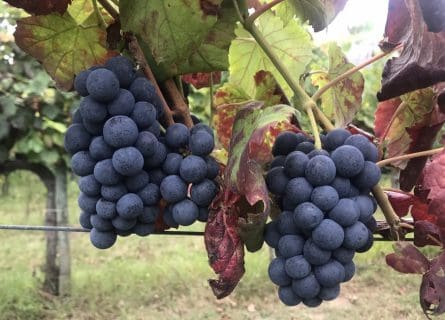
Discover Sezão, the dark-skinned Portuguese grape used in port and table wines, boasting rich flavors and a captivating history. 🍇🍷
Read article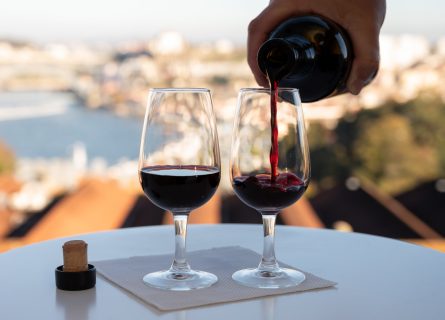
May 14, 2025
Understand Port wine, from Ruby and Tawny to Vintage and LBV, with history, serving tips, food pairings, and Douro travel context.
Read article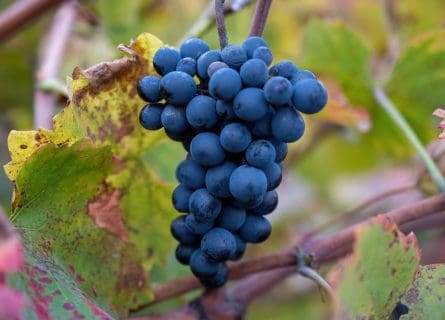
June 1, 2022
Explore Touriga Nacional, Portugal’s flagship red grape, including its role in Port, Douro reds, flavor profile, aging, and food pairings.
Read article
February 8, 2023
Antão Vaz: Popular Portuguese white wine grape, grown in Alentejo. Known for its fresh acidity, ideal for casual and fine dining.
Read article
February 20, 2023
Learn about the unique characteristics of Gouveio, a grape variety used in the production of Port wine. Explore its flavor profile and history in our comprehensive guide.
Read article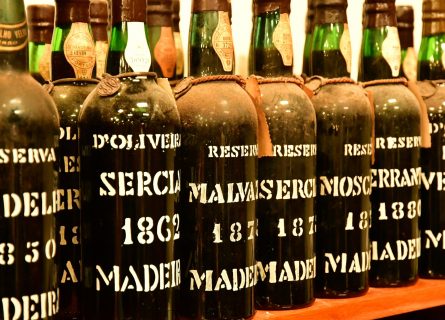
June 9, 2025
Explore the rich flavors of Madeira wine, from fig to caramel, and discover its exceptional longevity and character.
Read article