Muga Winery Guide
Winery Overview
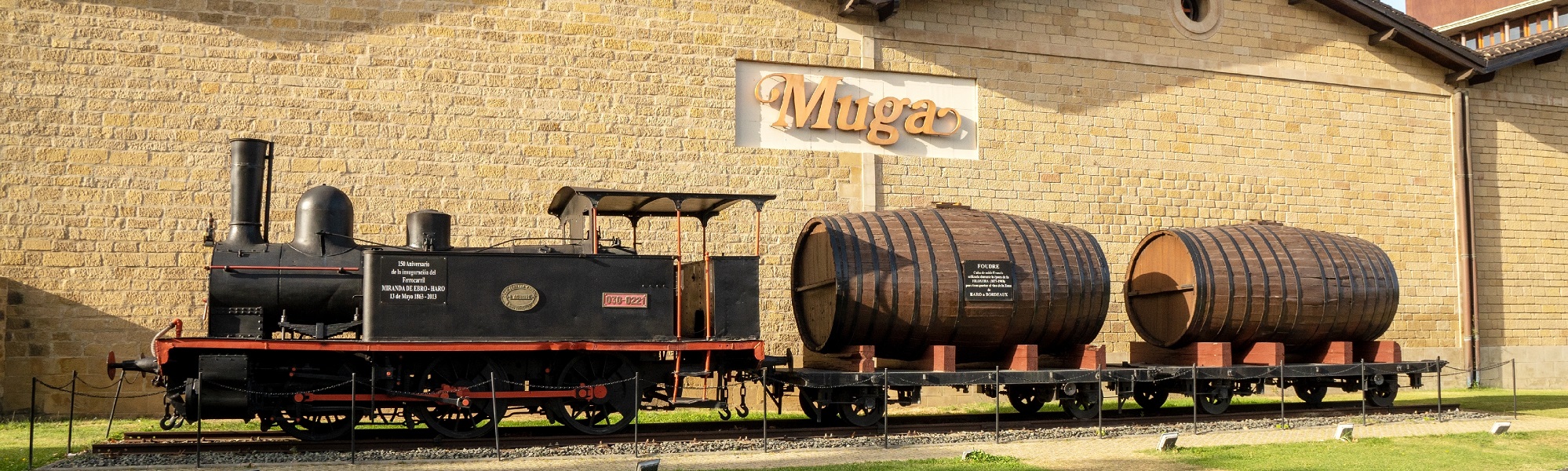
Muga stands proudly in the famous Haro Railway Station District, surrounded by some of the oldest wineries in Rioja. Despite being less than 100 years old, its brand’s strength and market positioning, with a presence in over 70 countries, place it among the appellation’s elite.
Encompassing a sprawling expanse of 300 hectares, Muga vineyards supply 70 to 85% of its requirements based on the unique characteristics of each vintage. As a result, the winery consistently produces approximately 1.5 million bottles of exceptionally high-quality wines each year.
The inception of Muga can be traced back to the marriage of Issac Muga and Aurora Cano, uniting two traditional winemaking families hailing from Rioja. In 1932, the couple established their winery within the subterranean cellars adorning Haro’s main street. In 1970, the family relocated to their current premises in the Barrio Estacion. Today, the business remains under the ownership and operation of the founders’ grandchildren, preserving the essence of their familial legacy.
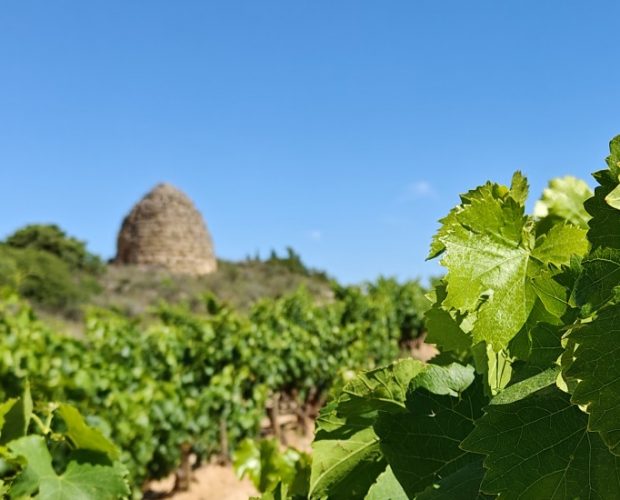
Muga’s winemaking prowess extends to four distinct vineyards: El Estepal, La Loma, Baltracones, and La Loma Alta. Situated on the slopes of the Obarenes Mountains, these high-altitude vineyards represent the outer reaches of the fertile growing region. Cultivating such extreme terrain is a rarity, yet Muga’s specialized cultivation methods unlock the full potential of each unique terroir. The resulting wines boast exceptional acidity and an inherent ability to mature gracefully over time.
Despite sharing a clay-based soil composition, each vineyard plot retains distinctive characteristics, fostering a delightful array of wine styles. This inherent diversity highlights the dynamic nature of Muga’s winemaking philosophy, rooted in an unwavering commitment to unearthing the full expression of its terroirs.
All aging is done in new oak vats; their aging techniques make Muga unique. With these techniques, each wine gives off a taste, smell, and appearance of wine at a higher level; for example, Crianzas taste like Reservas, and Reservas like Gran Reservas. Muga even has its own cooperage, buying French and American oak and crafting the wine barrels themselves.
Prado Enea is Muga’s flagship red wine made primarily from Tempranillo grape and about 20% of either Garnacha, Graciano, or Mazuelo grapes. The wine undergoes extensive aging in oak barrels and bottles, resulting in exceptional depth, refined tannins, and a harmonious balance. Prado Enea is known for its elegance, nuanced flavors of red and black fruits, spices, and earthy notes. It has significant aging potential and showcases Muga’s commitment to producing high-quality wines that reflect the unique characteristics of the Rioja terroir.

Wines produced
-
Prado Enea
- Tempranillo
- Garnacha
- Graciano
- Mazuelo (Carignan)
Tempranillo, Garnacha, Mazuelo (Carignan), Graciano -
Torre Muga
- Tempranillo
- Mazuelo (Carignan)
Tempranillo, Mazuelo (Carignan) -
Aro
- Tempranillo
- Graciano
Tempranillo, Graciano -
Selección Especial
- Tempranillo
- Garnacha
- Mazuelo (Carignan)
Tempranillo, Garnacha, Mazuelo (Carignan) -
Muga Reserva
- Tempranillo
- Garnacha
- Graciano
- Mazuelo (Carignan)
Tempranillo, Garnacha, Mazuelo (Carignan), Graciano
Winery Contact Details
Muga
Barrio de la Estación
Avda. Vizcaya, 2, Haro 26200
La Rioja
- Email [email protected]
- Tel +34 941 31 18 25
- Fax +34 941 31 28 67
- Website Visit website
Facts & Figures
-
Appellation
- La Rioja
-
Founded
1932
-
Area under Vine
70 ha
-
Age of vines
25 years
-
Oak barrel origin
- American and French oak
-
Winemaker
- Jorge Muga
-
Owner
- Muga Family
-
Production
1.5 million bottles
-
Grape varietals
- Tempranillo, Garnacha, Graciano, and Mazuelo
Grape Varieties Used by the Winery
-
Red grape
Tempranillo
Discover Tempranillo: Spain's iconic red grape. From Ribera del Duero to Toro, it yields concentrated wines. Explore its synonyms and unleash its prowess. View grape -
Red grape
Garnacha
Garnacha: Spain's Red Gem. Akin to Pinot Noir, it bridges terroir and winemaking, crafting captivating expressions. View grape -
Red grape -
Red grape
Mazuelo (Carignan)
Learn about Carignan wine, from old-vine Languedoc and Priorat to its flavor profile, synonyms, food pairings, and best examples. View grape
Further Reading
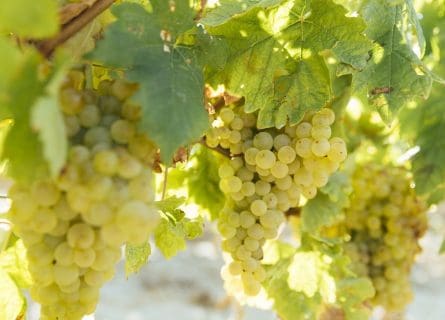
Tempranillo Blanco Grape Variety: Rioja’s Unique Gift
July 6, 2022
Explore the allure of Tempranillo Blanco: La Rioja, Spain's unique white grape. Born from a red Tempranillo mutation, it unveils a refreshing twist in every sip.
Read article
Exclusive Rioja Wine Tasting Masterclass in Laguardia
March 10, 2024
Experience exclusive Rioja wine masterclasses with Mikel Ruiz de Viñaspre in Laguardia. Dive into cult wines and Rioja's trends with an expert.
Read article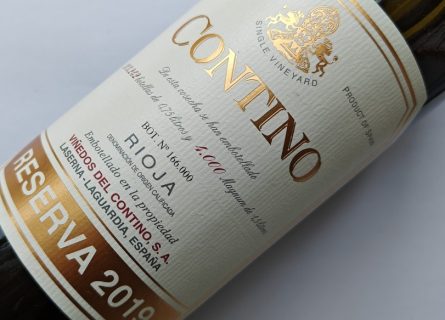
A Complete Guide to Spanish Wine Labels and Essential Terminology Glossary
April 1, 2024
Demystify Spanish wine labels and understand the key terminology. Learn about the diverse wine regions, classifications, and varietals of Spain.
Read article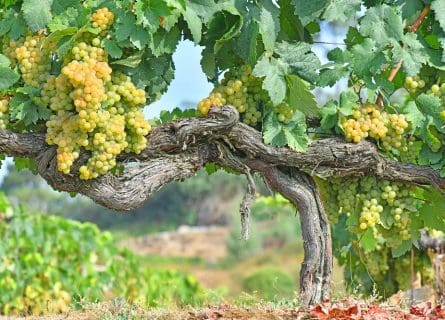
Godello Grape Variety: A Burgundy Imitation
June 22, 2022
Discover Godello: Galicia's Exquisite White Wine Grape from Valdeorras. Unveiling the Delights of this Northwestern Spanish Varietal.
Read article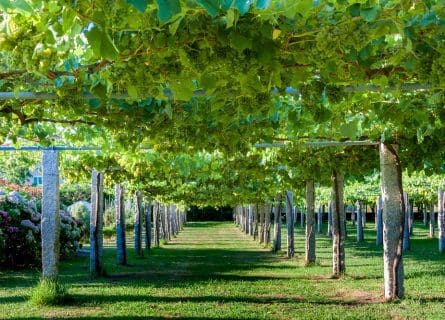
Albariño Grape Variety: Thrust into the Spotlight
June 18, 2022
Savor the Essence of Albariño: Northwest Spain's Delightful White Grape for Seafood Pairings. Explore the Lightness and High Acidity of this Galician Gem.
Read article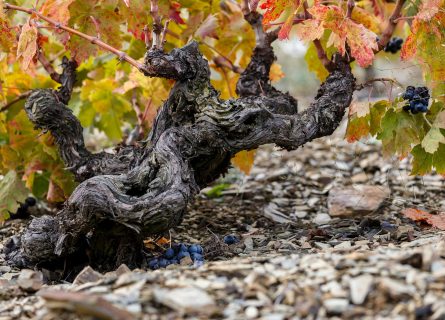
How Priorat’s New Wine Classification System Elevates Terroir
November 25, 2024
Explore Priorat's new wine classification system, Els Noms de la Terra, and its innovative approach to terroir-driven winemaking.
Read articleAuthor