Guide to French Red Wines By Region
April 18, 2022
Explore the exquisite french red wine regions and discover how they maintain their charm amidst global changes in the wine industry.
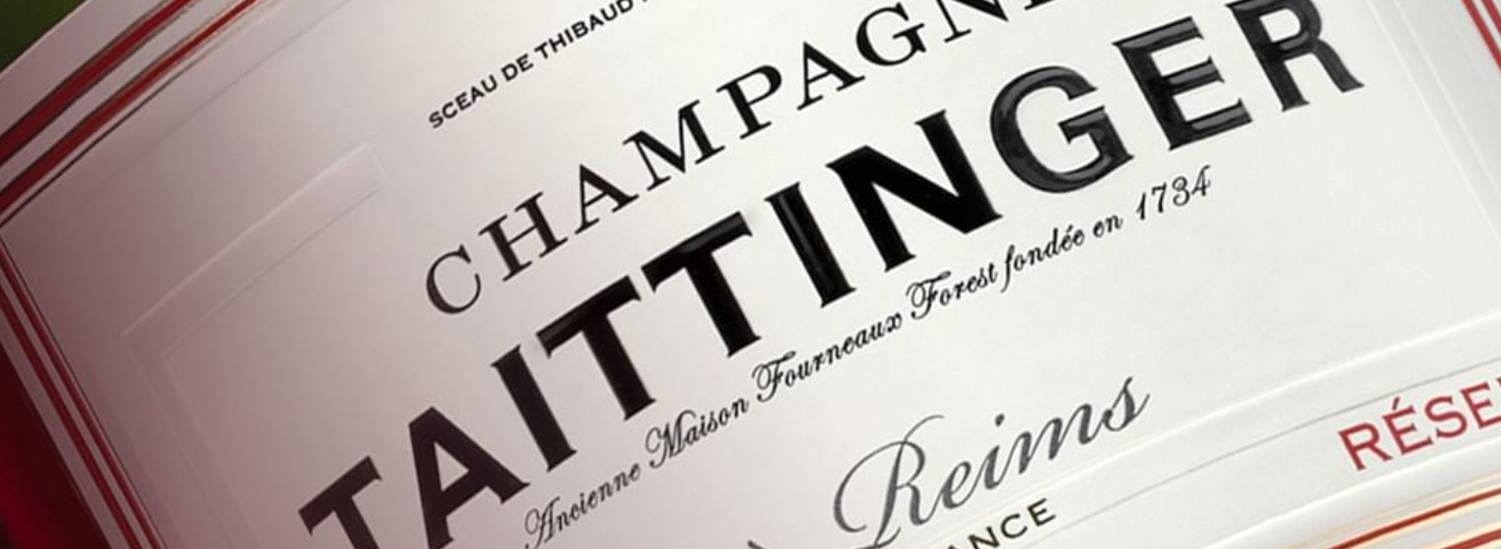
Read articleOne of the great and established names in the Champagne region, Taittinger, traces its origins to 1734, when Jacques Fourneaux founded the Forest-Fourneaux Champagne business; the Taittinger family’s modern chapter began in 1932. They produce around 5.7–6 million bottles of the always reliable and delicious Champagne cuvée Brut Réserve annually. That sets the scene for their exquisite vintage wines and exceptional Blancs de Blancs prestige cuvée Comtes de Champagne, matched by an equally exquisite and very rare rosé. Taittinger also created Domaine Carneros in Napa Valley and Domaine Evremond in Kent, UK. Its historic Saint-Nicaise site lies in Reims, where visitors can explore the maison’s chalk cellars and Champagne heritage.
In 2005, Taittinger was sold to Starwood Capital, a move that caused considerable unease in Champagne, where family ownership and regional identity remain central to the prestige of the grandes marques. In 2006, Pierre-Emmanuel Taittinger led a family-backed buyback with the support of Crédit Agricole, restoring the maison to family control after its brief period under outside ownership.
Taittinger is admired for a Chardonnay-led house style that emphasizes freshness, finesse, and length rather than sheer power. Its prestige cuvée, Comtes de Champagne, remains one of the maison’s defining wines. For Cellar Tours private guests, Taittinger can work well as part of a polished Reims-based Champagne itinerary, especially when balanced with smaller grower estates, fine dining, and visits to historic chalk cellars.
288 hectares
30 years+
April 18, 2022
Explore the exquisite french red wine regions and discover how they maintain their charm amidst global changes in the wine industry.
Read article
December 31, 2021
Marc de Bourgogne is regarded as the 'Grand Cru' of pomace brandy, not least because it involves world-class grapes and superior terroir
Read article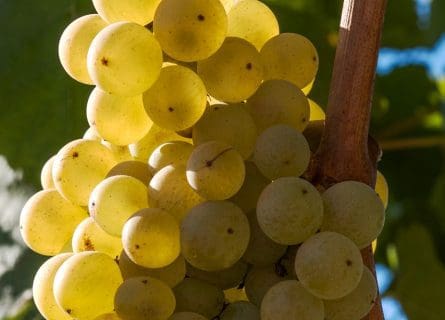
September 13, 2022
Melon de Bourgogne is a white grape varietal grown primarily in the Loire Valley region of France. It is best known for white wine Muscadet.
Read article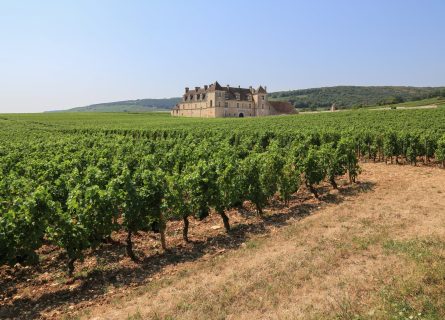
October 26, 2024
Discover the classifications of Burgundy wines and unlock the key to understanding this renowned region's beloved Pinot Noir and Chardonnay.
Read article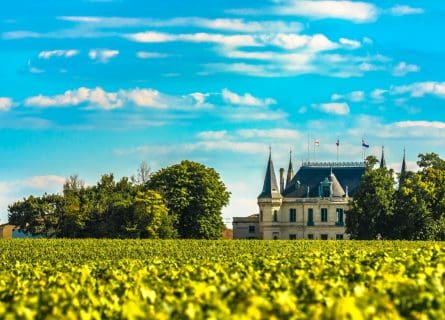
October 20, 2022
Explore the world of French white wine and discover its diverse flavors and styles that have captivated global wine lovers.
Read article
March 9, 2025
Explore Bordeaux's En Primeur and discover the legendary 1982 vintage praised by Robert Parker and its lasting impact.
Read article