Explore Rioja’s history, terroir, grapes and three subregions, with a map, leading wineries and practical advice for planning a private wine tour. Open region guide
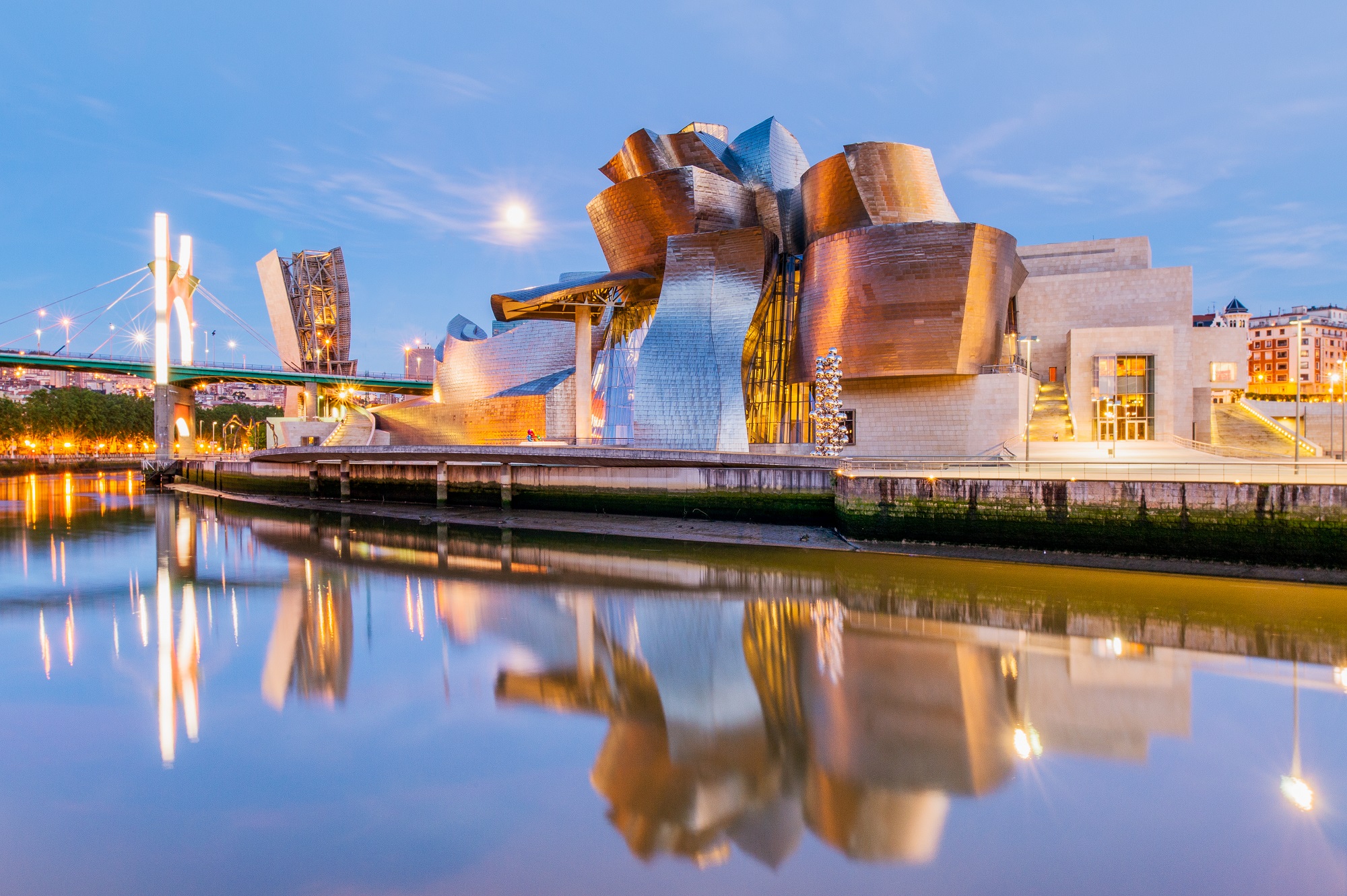
Bilbao is one of the principal cities in Spain’s beautiful Basque Country. Unlike the aristocratic San Sebastian, Bilbao has always been considered the ugly, industrial step-sister. It was Spain’s most important industrial city and became quite gritty. Things changed when Canadian-born American architect Frank Gehry chose Bilbao as the site for the magnificently modern and almost space-age Guggenheim Museum. The New York-based Solomon R. Guggenheim Foundation and the Basque regional government negotiated the deal. The result was one of Europe’s most impressive architectural achievements and a cultural renaissance in deindustrializing Bilbao. Bilbao suddenly appeared on the map of culture vultures, and a gust of creativity, commerce, and confidence burst into Bilbao.
Bilbao was founded in 1300, with the Magna Carta under Don Lopez de Haro. Before the town was “officially” founded, it had been home to settlements of Normans and possibly even Romans. Strategically located on the River Nervion, it has been an important commercial hub for centuries. The industrial era turned Bilbao into one of Spain’s most important cities. Despite wars and invasions (Bilbao was invaded by Napoleon’s troops in the early 1800s and suffered four “Carlista” wars, not to mention the horrific Spanish Civil War), Bilbao continued to grow and grow. However, hard times came upon Bilbao with the changing nature of the industry in the “first world.” The big, dirty industry was no longer desirable in Europe, and Bilbao has been grappling with this reality for the last few decades.
While still gritty enough, a visit to Bilbao is worthwhile, if only to do two things- visit the Guggenheim and EAT! Basque Country is the culinary mecca of Spain, with the highest concentration of Michelin-starred restaurants and famous chefs in the whole country and Europe. You could spend a week in Bilbao, munching your way through the city in bliss. Seafood and tapas (known as “Pintxos” in Basque Country) are the strongholds of regional cooking, and the famous wine region of La Rioja is only an hour and a half away. In addition, there are plenty of smaller museums of interest to art lovers. Bilbao is also an excellent base from which you can visit many beautiful Basque villages, such as Getaria and Zarautz, and villages of historical importance, such as Guernica. Bilbao has many stylish new “Design Hotels,” such as the Domine and the Miró.
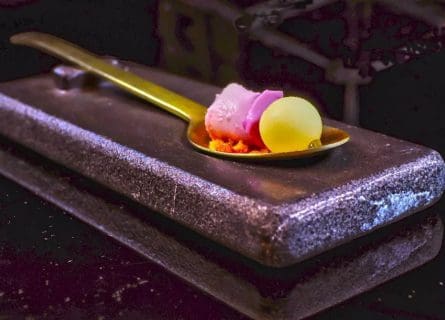
Visitors to Bilbao have an array of restaurants on offer, from the charming family-run “Victor’s” in the Plaza Nueva to the culinary powerhouses of Gorrotxa, Zortziko, and Goizeko-Kabi in Bilbao proper and the nearby villages such hotspots as Andra Mari and Aretxondo. The typical dishes of Bilbao and “Vizcaya” (the subregion of this part of Basque country) include “Cocochas” (hake cheeks), “Merluza en salsa verde” (hake prepared in parsley and Olive Oil sauce, often with clams and baby eels), “Ensalada de Bogavante” (chilled lobster salad), and “Txangurro” (Crab, usually stuffed in the shell. Other local delicacies include the top-class cheese “Idiazabal” and an assortment of wild mushrooms and truffles.
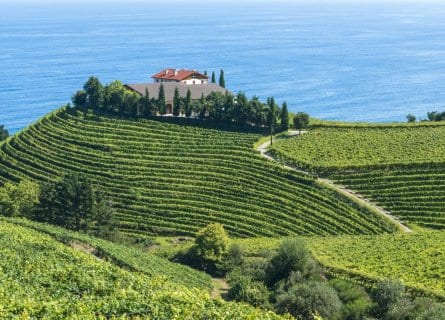
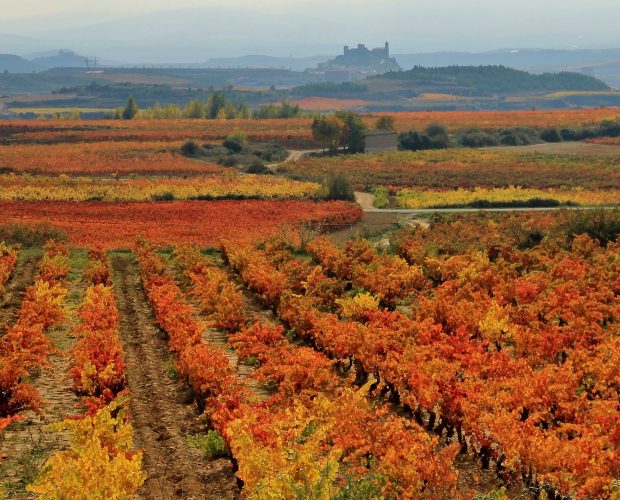
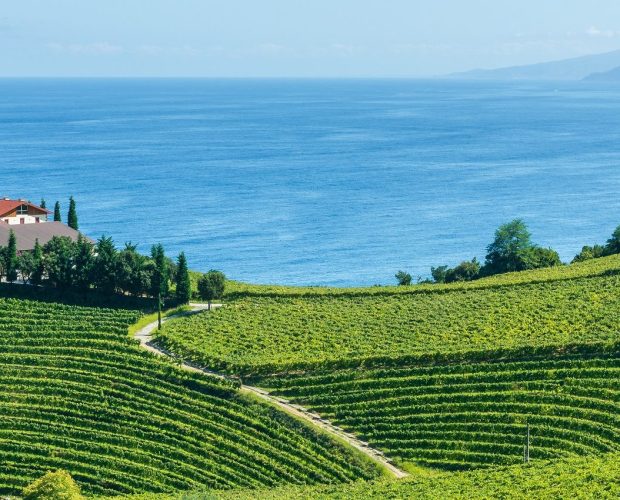
Basque Country is home to the wine region of Rioja Alavesa (boasting such famous wineries as Marques de Riscal), Txakoli (an exciting wine region near the Atlantic Ocean, known for zippy whites that pair perfectly with vinegary and garlicky tapas), and also, to cider. Basque cider is not as famous as the cider from Asturias, but it is delightful. The Basque cider houses open up to the public during cider season (January to April). You can drink as much cider as you like and enjoy rustic dinners eaten at long communal tables. La Rioja’s wineries are also a pleasure to visit; some are open to the general public, and others are only open to VIP groups.
Guide to Basque Cuisine: Read more
Nestled in the heart of Bilbao’s historic district, Restaurant Etxanobe is housed in the former Albia Glass Factory. This beautifully restored 19th-century industrial building adds to the restaurant’s unique charm and character. Led by award-winning chef Fernando Canales, who has earned a coveted Michelin star for his innovative cuisine, Restaurant Etxanobe is a culinary destination at the forefront of Basque Country’s vibrant food scene.
Chef Canales is renowned for blending traditional Basque flavors with contemporary techniques and global influences, resulting in an innovative menu deeply rooted in the region’s culinary traditions. His commitment to using the freshest local ingredients and his passion for pushing culinary boundaries have earned him a reputation as one of Spain’s most exciting and dynamic chefs today. At Restaurant Etxanobe, Chef Canales and his team continue to delight diners with their inventive dishes and unparalleled service, making it a must-visit destination for any food lover visiting Bilbao.
Only opened in 1997, the Guggenheim Museum has completely and utterly transformed Bilbao. If you find yourself in Bilbao, visiting the Guggenheim is “a must.” The permanent collection includes artists such as Richard Serra (who designed the “Snake”), Mark Rothko, and Willem de Kooning. The restaurant at the Guggenheim is top-class, so reservations are essential.
Located in the newer part of Bilbao, The Museum of Fine Arts is very charming and is, in fact, one of the best art museums in Spain. Artists featured include Bacon, Delauney, and Vasarelyas well as up-and-coming Basque and Catalan painters on view. In addition, they have high-profile temporary exhibitions, such as a recent showing of Rodin’s sculpture.
The old town (dating back to the 14th century) is dominated by one main square, the Plaza Nueva (literally translated as the “new” square, as it merely dates back to the 18th century). The Plaza Nueva is full of Tapas bars, a perfect place to rest your feet and grab a glass of “Txakoli” wine and some “Pintxos.” In addition, the square has frequent markets, everything from food to old records and flowers. “Restaurante Victor,” right in the Plaza Nueva, is a wonderful non-pretentious restaurant with fantastic seafood and an encyclopedia of a wine list.
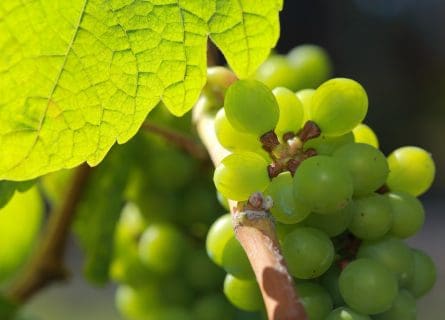
August 8, 2022
Unveil the allure of Parellada grape: a Spanish gem crafting elegant sparkling & white wines. Explore its unique qualities & flavor profile.
Read article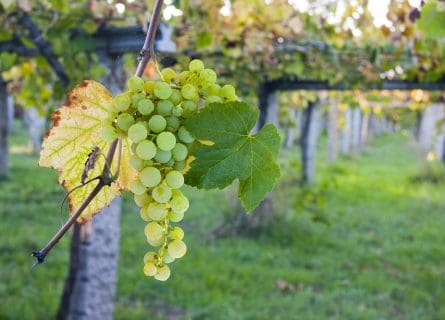
August 9, 2022
Unlock the secrets of Caíño Blanco grape, an intriguing Spanish variety. Delve into its characteristics and origins, and explore the wines it produces.
Read article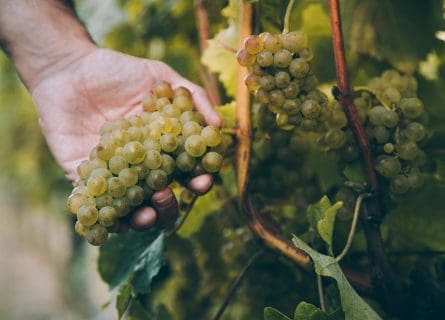
July 22, 2022
Unveiling the charm of the Hondarrabi Zuri grape. Explore its origins, unique flavor profile, and its role in crafting exquisite Txakoli wines.
Read article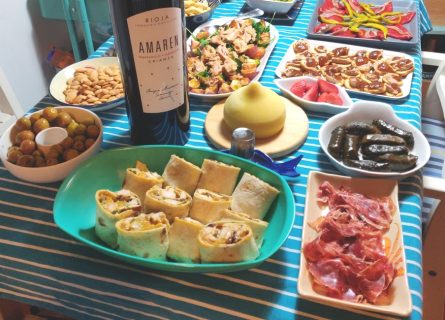
August 28, 2024
Explore the diverse flavors of Spanish wines. Learn to master the art of pairing wines like Albariño, Rioja, and Cava with your favorite dishes.
Read article
April 28, 2024
Learn what Cava is, how it is made, how it differs from Champagne and Prosecco, and where to taste it in Penedès.
Read article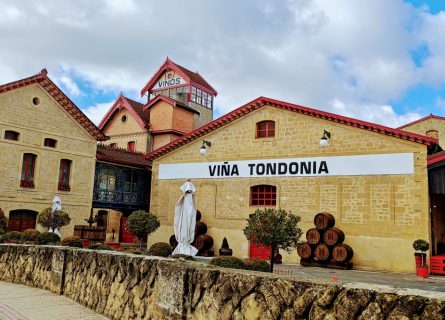
March 10, 2024
Haro's Barrio offers iconic wineries, exclusive tastings & festive wine celebrations. Must-visit for wine lovers!
Read article