Toro Wine Region Guide
Discover the Essence of Vines: Unveiling the Unforgettable Taste of Toro
Introduction
No other country can surprise and delight oenophiles quite like Spain. Especially wine lovers with long memories: in the 20th century, Toro was an unknown Spanish backwater producing harsh, strong reds destined largely for local consumption. Endowed with aggressive alcohol and rustic tannins, only the bravest consumers would tackle these muscular wines.
How times change; modern Toro is all about sophisticated tannins, ripe fruit, and a distinct cut of acidity that balances out the inevitable concentration that flows from this hot climate. As ever, significant investment and better viticultural management was the key to unlocking Toro’s potential: some of the industry’s world’s most renowned winemakers, including LVMH, Vega Sicilia, and Michel Rolland, have set up shop in Castilla y Leon. Their expertise has been put to good use, swapping rusticity for a powerful but balanced style of wine imbued with depth and structure. Today, Toro has become a serious rival to the more famous reds of Ribera del Duero. The knives are out.
Discover more about Spanish Wine

History
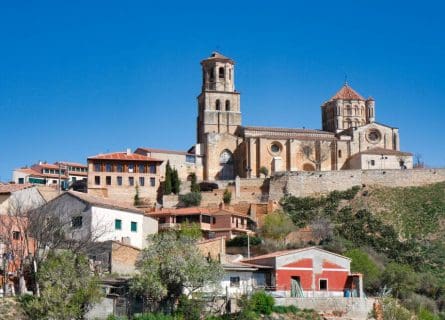
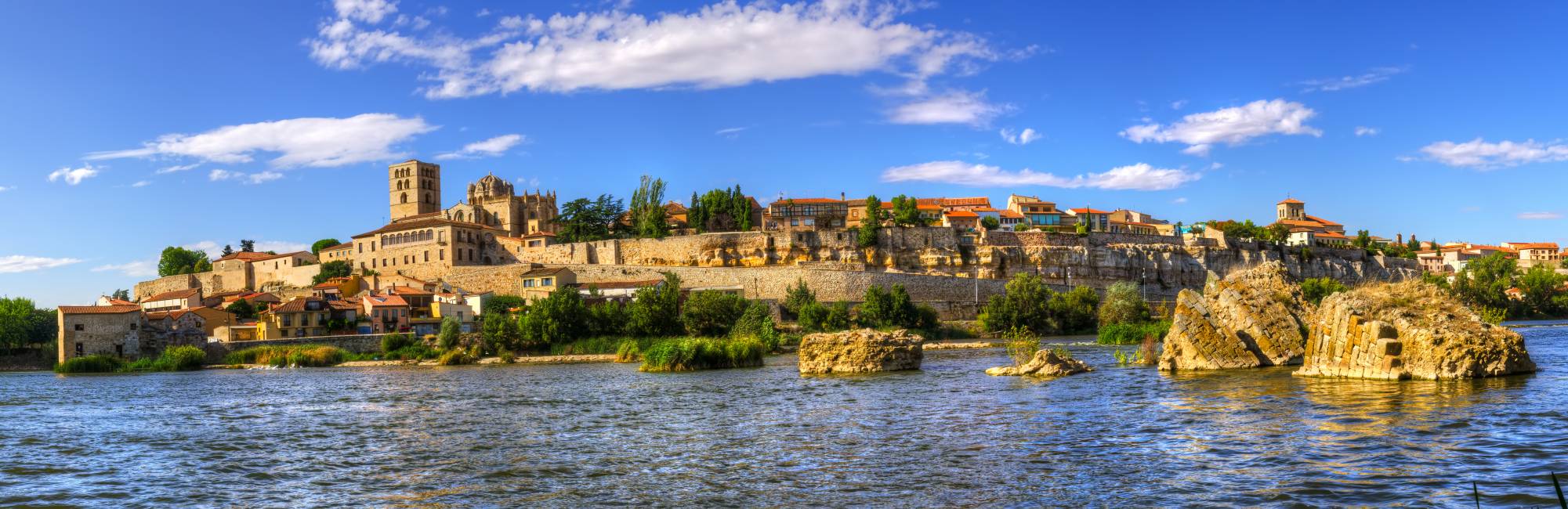
This up-and-coming DO (appellation) takes its name from the city of Toro, a center of winemaking that sits high above the banks of the Duero River. Known for its medieval architecture and stunning riverside setting, Toro was the site of Spain’s first university before it was moved to Salamanca. This historic town city was a center of culture and learning in the Middle Ages, as evidenced by remnants like the Colegiata, the Romanesque collegiate church, considered one of Spain’s finest examples of Romanesque design.
Although the Romans did not introduce viticulture to the Iberian Peninsula, they helped propagate vines across Western Europe, making wine the center of social and cultural life in their vast empire.
However, the Western Empire fell into anarchy in 476 AD – rival powers soon staked their claim on Hispania’s vast mineral and agricultural wealth. The question is: who would emerge triumphant? The Vandals, Seubi, Visigoths? Yet the civilization that eventually conquered most of the Iberian Peninsula was not European. In 711, Tariq landed an invasion force of Arab and Berber mercenaries on the island of Gibraltar; they swept into northern and central Spain, easily defeating the rotten Visigothic state and its precarious claim over Castilla y Leon. Their legacy was Al Andalus, an advanced civilization lauded by historians for its scientific and cultural advances.
Of course, this mattered not to the Christian monarchs of Hispania. Known as the Reconquista, a major campaign to eject the Moors from the Iberian Peninsula began in the 9th century, reaching a climax during the reign of Fernando of Aragon and Isabel of Castile. Tempranillo cultivation became widespread in Castilla y Leon during this period of Christian reconquest; an influx of bishops, priests, scholars, and royal family members created a sophisticated market for fine wines in the 11th and 12th centuries. However, the grape is known as Tinto de Toro in this part of Spain, producing wines that bear little resemblance to the soft and velvety Rioja Gran Reservas that so many oenophiles love.
By the 1500s, Spain was a fully Christian nation again and a wealthy one at that. A great deal of gold and silver was taken from Spain’s colonies in Central and South America, in addition to the duties of a very lucrative wool trade. Sadly, a number of ill-advised wars damaged much of Spain’s prosperity in the 17th and 18th centuries while its colonies declared independence from the Spanish state one by one.
The situation reached a crisis point in the early 20th century after the Fascist armies of General Franco defeated the ill-fated Second Republic. His dictatorship endured for over 35 years, although the transition to democracy was relatively painless after he died in the 1970s. Then, regions like Toro, free from the confines of Franco’s inefficient and lazy state monopolies, started to blossom.
The DO was created in 1987 with just four bodegas, but the area’s proven success, combined with ever-rising land prices in other Spanish regions, has pushed the number to more than 60 wineries. But more importantly, the trade’s key influencers – buyers, sommeliers, and journalists – now rave about the place.
Geography and terroir
Tucked away in western Castilla y Leon (a large autonomous region that encompasses historic towns like Salamanca, Leon, Avila, Zamora, Segovia, Burgos, and Valladolid) and only a mere 40km from the Portuguese border, the DO (appellation) of Toro is a historic, overwhelmingly rural region known for its bold red wines.
Its 5600 hectares extend throughout a floodplain bounded by the Río Guareña and Río Duero, the latter a wide river responsible for nourishing such great wine-producing areas as Ribera del Duero, Rueda, and the Douro and Porto regions of Portugal.
Old Bush Vines
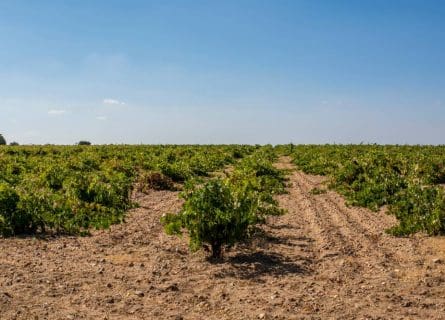
One of the appellation’s most precious resources is a sizable collection of old bush vines (about 1200 hectares) yielding small berries packed with rich flavor. These ungrafted vineyards produce Toro’s finest reds, grown in a fiercely hot continental climate; temperatures often exceed 40 degrees in July and August, yet winter can get very cold. As a result, vine irrigation is essential in this incredibly arid landscape.
Thus, producing balanced and fresh wines in Toro is no picnic: one of the biggest headaches is excessive ripeness, as sugar levels can rocket during the summer months. Naturally, few winegrowers covet this excess of glycerol, alcohol, and extract; however, Toro benefits from abundant high-altitude climats.
At 620-840 meters above sea level, the region’s producers can depend on cool nights to ‘fix’ the acid imbalance and maintain freshness until harvest time.
Soil Composition
In addition, the soils are a mix of clay, sand, and calcareous marl – since summers can be long, hot, and dry (with cool, crisp nights), vines can tap into the deep moisture in these clay soils. High-quality wine production would be impossible in Toro without their ability to retain moisture.
Winemaking and regional classifications
Toro is renowned for its big, bold reds. Such wines are made in the cellar as much as the vineyard; long macerations and the prolific use of new French oak is hardly conducive to subtlety. But a wine does not have to be restrained – or dainty – to qualify as world-class: full-bodied, meaty Toro is wonderful alongside rich casseroles and flame-grilled meats. It proudly wears its voluptuous body and weight on its sleeve, delivering a rich mouthful of red and black fruit balanced by a savory, spicy edge.
Most of Toro’s best-known wines are 100 percent Tinto de Toro, although wines with just 75 percent of the variety can still qualify for DO status. Other varieties grown here include Garnacha and Cabernet Sauvignon (although only Garnacha is permitted to accompany the Tinto de Toro in DO-certified wines).
Toro’s Diverse Wine Offerings
However, Toro is no one-trick pony. A small volume of excellent white wine is made here, typically from a blend of Malvasía and Verdejo. Moreover, many tapas bars and restaurants in Castilla y Leon make a healthy trade in inexpensive, juicy reds for early consumption. To satisfy that market, some Tinto de Toro is vinified quickly by carbonic maceration (the technique used to make Beaujolais) and sold at a very young age.
Barrel-aged Toro Reservas and Gran Reservas are at the opposite end of the spectrum, matured for 12 months and two years, respectively. To be frank, they will knock your socks off, particularly if you crave a dose of Spanish hedonism and vivacity in a glass.
Facts & Figures
-
Key wine styles
- Powerful, structured red wines
-
Appellation structure
- DO Toro
-
Hectares under vine
- Approximately 5600 hectares
-
Average annual production
- Approximately 36,000 hectoliters
-
Approximate number of producers
62
The lowdown
Longstanding aficionados of Spanish wines would hardly recognize Toro today. Yet, once a neglected corner of northwest Spain’s viticultural landscape, this small, fashionable DO west of Valladolid is now making delectable reds that rival the best of Cigales and, more importantly, Ribera del Duero. The net result: Castilla y Leon is producing ever-greater volumes of high-quality wines based on the Tempranillo grape.
This expansion is to be welcomed for three key reasons.
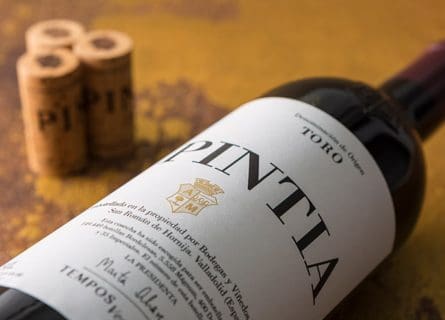
Firstly, it keeps producers on their toes. Success can breed apathy (just ask Cava), while increasing competition will prevent a slide into mediocrity. This can be seen with the efforts to reign in the sometimes harsh tannins of Toro wines, keeping freshness at the fore. Admittedly, the local Tinta de Toro does not always deliver balance in the hot climate of northern Spain; however, the number of coarse and over-alcoholic wines decreases yearly. Indeed, your choices are numerous: the black-scented Prima, glorious old-vine San Roman, Vega Sicilia’s marvelous Pintia, and the always powerful reds of Numanthia and Teso la Monja.
Secondly, it encourages a more collegiate approach to both winemaking and viticulture. The level of mutual interest – many owners have vineyards in Toro and Ribera del Duero – is a perfect example. Toro’s winemaking has evolved toward better balance – and less aggressive oaking – precisely because that philosophy has paid such handsome dividends in other parts of Castilla y Leon, not least the expansive plains of the Duero.
Thirdly, it helps to keep prices stable. The market’s sheer amount of good wine has prevented excessive speculation and inflation, although the most famous labels are not cheap. However, much of Toro is not aimed at oligarchs; few regions can deliver the immense concentration and opulent richness that make these wines so exciting. Salud!
Key Grape Varietals
-
White grape
Albillo Real
Exploring Albillo: Spain's Versatile Wine Grape in Ribera del Duero, Madrid, and Galicia. Uncover the Diversity of this Remarkable Varietal. View grape -
White grape -
White grape Moscatel de Grano Menudo
Moscatel de Grano Menudo, also known as Muscat Blanc à Petits Grains, is a white grape with a musky aroma. It is used to produce aromatic wines with... -
White grape
Verdejo
Unveiling Verdejo: Spain's Rueda Wine Region's Prized White Grape. Explore the Crispness and Lightness of this Dry White Varietal. View grape -
Red grape
Cabernet Sauvignon
Learn what Cabernet Sauvignon tastes like, where it grows best, why it matters in Bordeaux, and how to pair and serve this age-worthy red grape. View grape -
Red grape
Garnacha
Garnacha: Spain's Red Gem. Akin to Pinot Noir, it bridges terroir and winemaking, crafting captivating expressions. View grape -
Red grape
Tinto de Toro (Tempranillo)
Discover Tempranillo: Spain's iconic red grape. From Ribera del Duero to Toro, it yields concentrated wines. Explore its synonyms and unleash its prowess. View grape
Toro gastronomy
They say that going to bed before midnight is a crime in Madrid. Likewise, arriving in Castilla Y Leon without a healthy appetite is to deny yourself a surfeit of culinary delights, not least the famous Spanish jamon, sheep cheeses, oven-roasted lamb with garlic, and hearty stews. Every meal is a veritable feast in northwestern Spain, regardless of whether you’re dining in a glitzy restaurant or a humble tapas bar. Look out for the Zamorano cheese, in addition to the potent blood sausage, roast calf, and exceptional wild game; pigeon, partridge, and rabbit all feature heavily in the winter months.
Guide to Castilla y Leon gastronomy: Read more
Recommend Wineries
- Bodegas Fariña Explore the exquisite wines of Bodegas Fariña. Discover the essence of Toro's terroir and start planning your visit today! View winery
- Bodegas Numanthia Visit website
-
Bodegas Pintia - Bodegas Vega Sauco Visit website
- Bodegas Matsu Visit website
- Bodega Rejadorada Visit website
- Bodegas Elias Mora Visit website
- Bodegas Liberalia Visit website
Further Reading
Flavors of Spain: Exploring the Delights of Spanish Cuisine
May 5, 2022
Spanish ham guide to Jamón Ibérico, Serrano, and other Spanish hams. Learn the types, how they differ, and how to serve and pair them.
Read article
Feast Your Senses: Unveiling Southern Spain’s Top 10 Restaurants
July 30, 2018
Discover Andalusia's finest cuisine at the top 10 high-end restaurants. Impeccable service, exquisite flavors, and a culinary journey in Southern Spain.
Read article
Castilla y León: The Best Castilian-Leonese Dishes & Wines to Match
April 6, 2022
Explore Castilla y León's Gastronomy: Best Dishes & Wine Pairings. Plan Your Unforgettable Gastronomic Tour Today!
Read article
Pedro Ximénez Grape Variety: A Sweet Embrace
July 9, 2022
Indulge in the Sweetness of Pedro Ximénez: A Resplendent Grape for Andalusia's Montilla-Moriles. Experience the Richness of Sweet Sherries & Fortified Wines.
Read article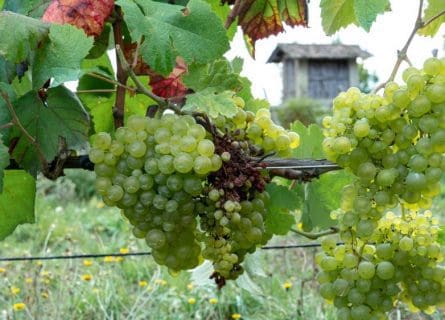
Treixadura Grape Variety: An Obscure Treasure
July 29, 2022
Discover Treixadura grape: Origins, Flavor Profile, and Exceptional Wines—a must-read for wine enthusiasts seeking new taste sensations.
Read article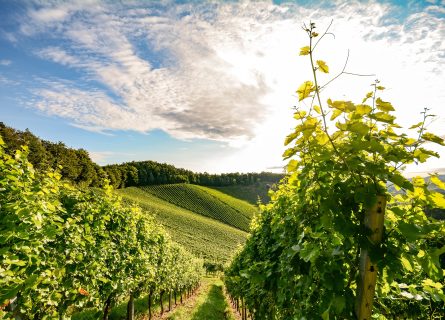
Spanish Wine Grape Varieties
February 21, 2017
Explore the hidden world of Spanish wine grape varieties. Discover the exceptional Albariño and Verdejo grapes and their unique characteristics.
Read articleAuthor