Gamay Wine Guide: Taste, Beaujolais, and Food Pairings
February 26, 2022
Discover Gamay wine, from Beaujolais and crus to its bright red-fruit profile, serving tips, food pairings, and age-worthy examples.
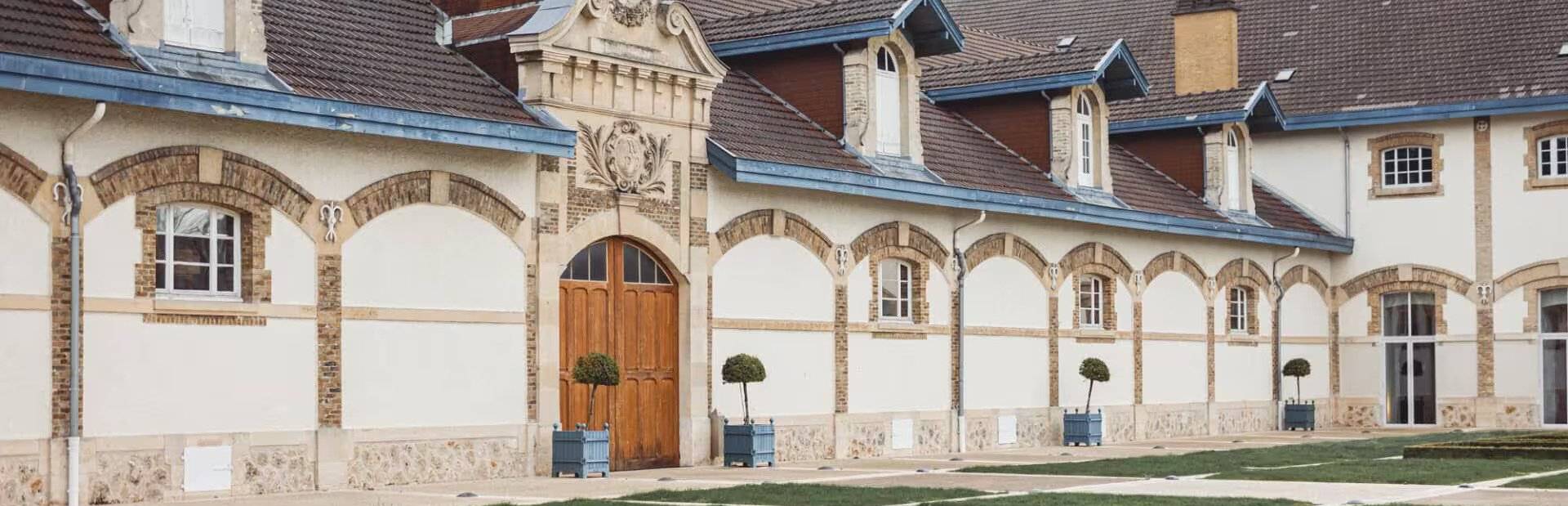
Read articleRuinart has kept a relatively low profile among the great Champagne houses, quietly getting on with producing exquisite and delectable Champagnes. Yet it has a legacy like no other in the champagne region, as it can lay claim to being the oldest established house, producing Champagne since 1729. That year, Nicolas Ruinart realized the dreams of his uncle, Dom Thierry Ruinart, and founded a small house in Reims. Dom Thierry Ruinart was a close friend of none other than Champagne’s father – Dom Pérignon – and his guidance ensured the house had the best start possible. Of course, we also have the French King Louis XV to thank for the Champagne we enjoy today, for his royal decree in 1728 allowed Champagne to be transported in a bottle; before this, the wine had to be transported in barrels, which invariably meant long-distance customers would enjoy flat Champagne!
Ruinart shipped its first vintage in 1730. At first, the wines were a gift for cloth purchasers involved with Dom Ruinart’s brother; 6 years later, the success of the Champagne sales meant that the family could focus solely on wine production. The house went from strength to strength and remained in family control throughout the 18th and 19th centuries. Nicolas passed stewardship to his son Claude and his grandson Irénée. He did much to build the success of Ruinart, creating a loyal following amongst the courts of Europe, and the American President Andrew Jackson was known to favor Ruinart. The family kept control through the first half of the 20th century, enduring two World Wars that greatly strained the business. Shells hit the company offices during the First World War, but the present owner Andre Ruinart soldiered on regardless, even using a floating office in his ruined cellars. Sadly, financial necessity demanded the outside help of the Rothschild family of Chateau Lafite fame, and in 1963, complete control finally passed to Moët & Chandon.
Although Ruinart is now part of the LVMH empire, the present owners have thankfully let the winemakers continue making superb wines with little interference. Chardonnay has always been an important part of the blending equation here, and the wines are refined and powerful. The vintage brut is consistently the best of its kind, and the rose offers wonderful complexity and finesse like no other Champagne. An exceptional introduction to the history and legacy of Champagne indeed.
1729
576 hectares
30 years+
200,000 cases per annum
February 26, 2022
Discover Gamay wine, from Beaujolais and crus to its bright red-fruit profile, serving tips, food pairings, and age-worthy examples.
Read article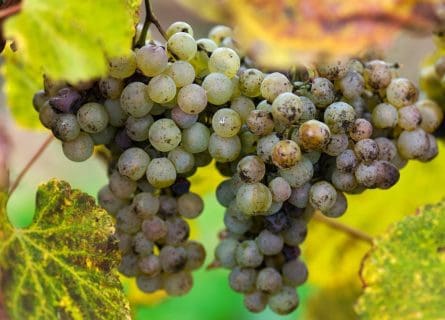
September 3, 2022
Explore Gros Manseng, a captivating white wine grape flourishing in South West France's Jurançon region. Unveil its delightful flavors!
Read article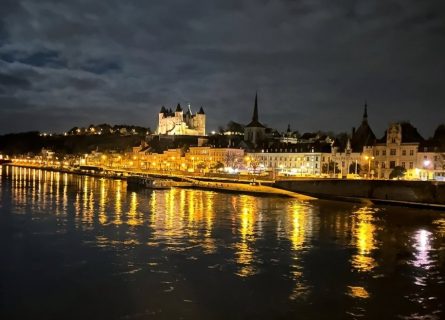
February 27, 2026
Explore the unique flavors of Loire Wines at Nantes’ first five-star hotel, Maison Maubreuil, featuring exquisite selections.
Read article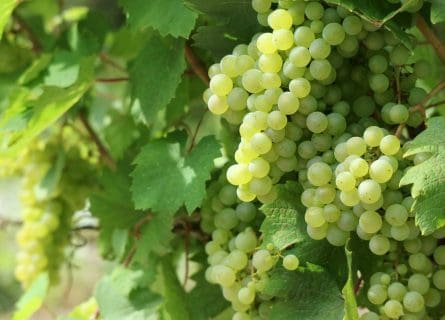
September 5, 2022
Jacquère is a white grape varietal found mainly in the Savoie wine region in eastern France. It produces refreshing and gently aromatic dry white wine.
Read article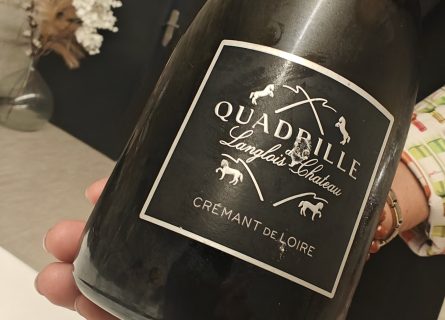
January 22, 2025
Explore the art of French food and wine pairing. Discover how traditional terroir pairings continue to thrive alongside culinary innovation.
Read article
December 31, 2021
Marc de Bourgogne is regarded as the 'Grand Cru' of pomace brandy, not least because it involves world-class grapes and superior terroir
Read article