Parisian Cuisine: Traditional Dishes & What to Eat in Paris
,Discover what to eat in Paris, from onion soup and steak frites to croque monsieur and macarons. Explore Parisian cuisine, food traditions and wine pairings.
Cellar Tours Insight
— Since 2003, Cellar Tours has planned private food and wine journeys through the world’s leading wine regions, pairing tailor-made itineraries with VIP winery visits, fine dining, and expert regional guidance.
Estimated reading time: 6 minutes
Parisian cuisine is as much about the experience of eating in the city as it is about the origins of any particular dish. Warm baguettes, buttery croissants, traditional brasserie fare, and exquisite pâtisserie are all part of everyday life in the French capital. Here are the classic Parisian foods worth seeking out, from French onion soup and steak frites to macarons and Paris-Brest.
Paris is one of the world’s most enchanting cities. Brimming with history and culture, the City of Light has long been a haven for fine artists, fashion designers, literary geniuses, and best-in-class chefs. Thankfully, for visitors and locals alike, the city’s remarkable savoir-faire extends into Parisian cuisine, too.
As France’s capital, Paris features culinary specialties from regions across the country. However, certain traditions and French dishes are quintessentially Parisian.
Savoring a glass of wine and a delicious meal while catching up with friends, people-watching, or enjoying a novel ranks high amongst the most popular Parisian pastimes. Brasseries are classic Parisian restaurants, while traditional bouillons offer a separate, more affordable dining style.
Soupe A’L’oignon
A useful distinction
French Onion Soup
One dish particularly associated with Parisian brasseries is soupe à l’oignon, or French onion soup. Although onion soup has a much longer history, the gratinéed version became closely associated with the old Les Halles food market, where it warmed market workers and late-night diners.
Today, soupe à l’oignon is adored worldwide. The soup bursts with flavor thanks to caramelized onions and beef broth. Crusty bread and melted Gruyère cheese complete the dish. The French turn the humble onion into a luxurious, heartwarming dish. You can easily find this onion soup in Paris brasseries, cafés, and restaurants.
Wine pairing: Red Burgundy (Pinot Noir) – The wine’s earthy flavors and red fruit aromas complement the rustic flavors of this Parisian comfort food without overwhelming the caramelized onions.
Bread & Croissants
The French Baguette
The baguette is a staple of French cuisine across regions, but it’s thought to have originated in Paris. However, historians still disagree. What is clear is that the French baguette became increasingly popular throughout Paris in the early twentieth century.
While exploring the city, find the nearest boulangerie by tracking Parisians on the go with warm baguettes tucked under their arms. Then, for a quick meal as you traverse the city’s bustling streets, grab a jambon-beurre baguette. Rich butter is slathered onto the freshly baked bread with slices of high-quality ham nestled inside. Jambon-beurre is an essential street food of Parisian cuisine.
A classic Parisian jambon-beurre normally uses cooked ham, or jambon blanc. France also has a long tradition of regional dry-cured hams, from Bayonne in the southwest to the Alpine regions.
Croissants & Pain au Chocolat
Although croissants and pain au chocolat weren’t created in Paris, they are fundamental to an authentic culinary experience in the city. These pastries, made with layers of dough and butter (and chocolate in the case of pain au chocolat), are indeed calorie-dense. But they are worth it and a great way to fuel up for a full day of exploring the city.
Whether enjoyed with coffee for breakfast or savored as a mid-morning snack, the best croissants and pain au chocolat are flaky pastries with a melt-in-your-mouth texture.
Related Tour
Explore Paris and Beyond
Paris may be the perfect place to discover the pleasures of French cuisine, but the wines served alongside its classic dishes offer an excellent reason to explore beyond the capital. From the Champagne houses of Reims and Épernay to the celebrated vineyards of Burgundy and Bordeaux, France has much more to offer food and wine lovers.
Escargots are a typical entrée served in Parisian brasseries. Loaded with butter, parsley, and garlic, they are often prepared in the same style as in Burgundy.
Although not exclusive to Paris, escargots remain a classic choice for anyone wanting to experience traditional French brasserie dining.
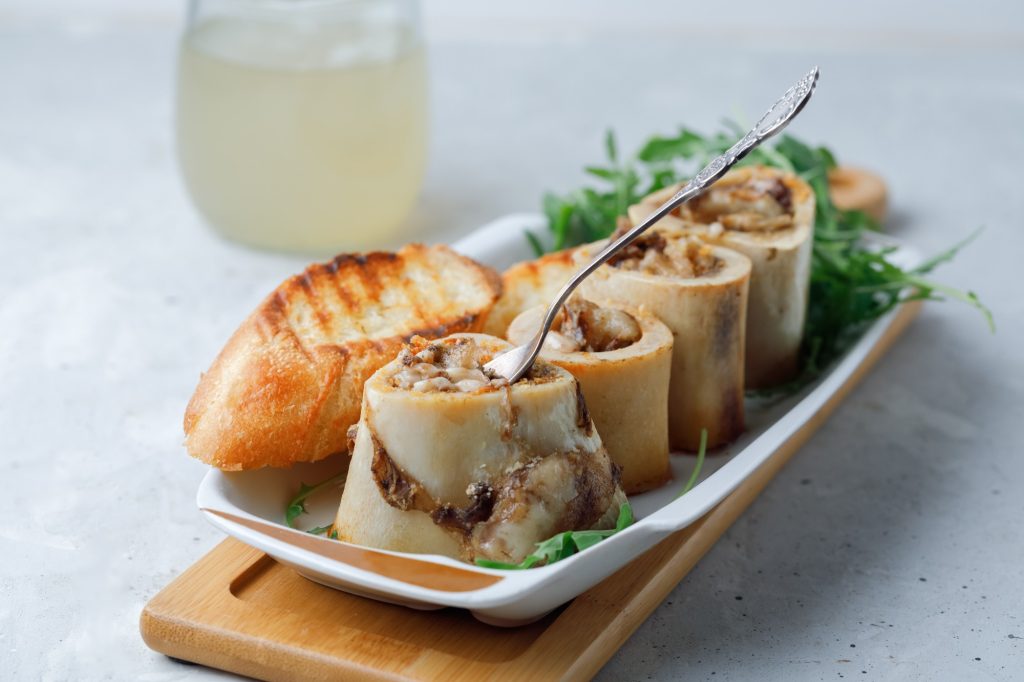
Os à Moelle
Os à moelle is a hearty, fat-filled dish that satisfies the appetite, especially during winter in Paris. It is served directly from the bones, and diners scoop out the bone marrow to spread onto crusty bread.
Main Courses
Steak Frites
Steak Tartare
Though consuming raw meat may not be for the faint of heart, steak tartare is a magnificent dish in Parisian cuisine.
Finely chopped raw beef is typically seasoned with capers, onions, and other condiments. A raw egg yolk occasionally tops the meat for added richness. Toasted bread or frites accompany the steak tartare.
Wine pairing: Blanc de Noirs Champagne – Its red-fruit character and freshness add depth without the firm tannins of some red wines, which can overpower the delicately seasoned beef.
Steak Frites
Steak frites make for the perfect plate for those who prefer fully cooked meat. The simple dish features a grilled steak accompanied by French fries. Sauce béarnaise also often tags along to pour over the steak and dip the frites.
It’s a straightforward brasserie favorite, with much of its appeal resting on good beef, properly cooked frites, and a generous helping of sauce.
Wine pairing: Médoc Bordeaux – A structured red with dark fruit flavors and firm tannins that complement the grilled beef and rich sauce.
Croque Monsieur
Another delightful yet straightforward brasserie specialty, croque monsieur, is a flavorful hot sandwich. Ham and melted Gruyère cheese mixed with béchamel are tucked between slices of bread—more béchamel and cheese top the sandwich, which gets browned under a broiler.
French fries or salad accompany a croque monsieur. For those craving something a bit more filling, order a croque madame. This version adds an egg on top.
Wine pairing: White Burgundy (Chardonnay) – Its freshness provides a welcome contrast to the richness of the melted cheese and béchamel.
Desserts
Colorful Macarons
Macarons
No trip to Paris is complete without relishing a colorful box of macarons. These delicate clouds of sugar have become a favorite canvas for pâtissiers such as Pierre Hermé, celebrated for his imaginative flavor combinations.
Today, these smooth meringue biscuits, often filled with ganache, feature rainbow-like colors and flavors ranging from everyday to exotic, such as passionfruit and green tea.
For another Parisian indulgence, explore our guide to French macarons, including La Maison du Chocolat’s chocolate-filled creations.
Paris-Brest
Chef Louis Durand created the Paris-Brest in 1910 in honor of the Paris–Brest–Paris bicycle race. The dessert features a ring of choux pastry filled with decadent praline cream, shaped like a bicycle wheel.
Topped with almond slivers and heavily dusted in powdered sugar, Paris-Brest is adored for its nutty flavors.
Where We Love to Eat in Paris
These are five restaurants we recommend for discovering Parisian food and wine. Drawing on our French wine tour itineraries, our travel planners' experience, and feedback from clients, the selection combines celebrated gastronomic institutions, traditional French bistros, inventive contemporary cooking, and the timeless atmosphere of a grand Parisian brasserie.
8th Arrondissement · Michelin-starred classical French gastronomy
Why we recommend it
One of Paris's most elegant dining institutions, Lasserre has been welcoming discerning gourmands since 1942. We feature this legendary restaurant in our French Food & Wine Odyssey tour for its exceptional cuisine, magnificent dining room, and impeccable service. Chef Jean-Louis Nomicos brings a contemporary touch to classical French cooking, with signature dishes including macaroni with foie gras and black truffle, sea bass with caviar, and Challans duck à l'orange. The famous retractable roof, which opens to reveal the Parisian sky, makes an evening here especially memorable.
5th Arrondissement · Historic French fine dining and exceptional wines
Why we recommend it
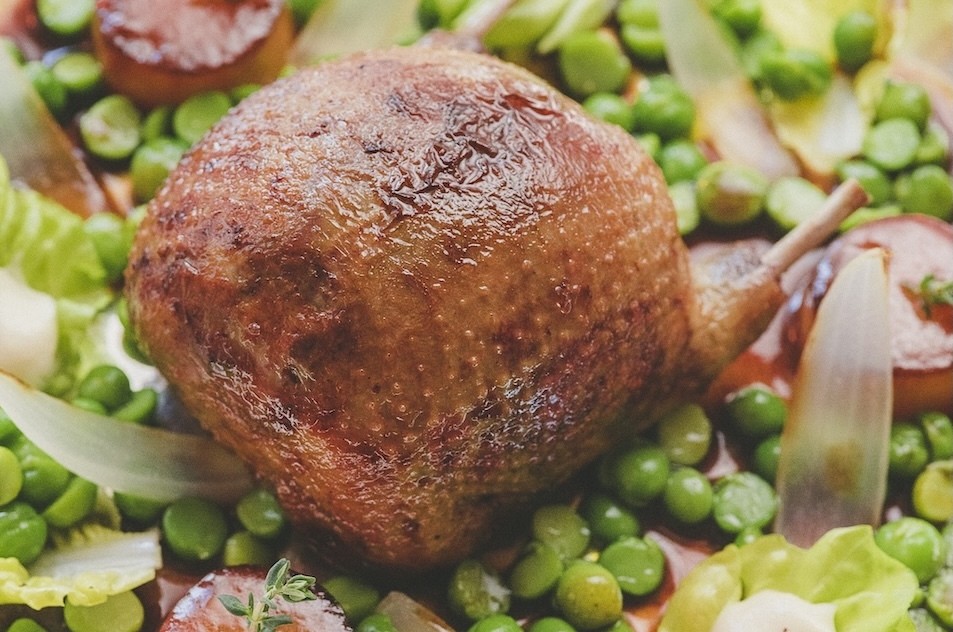
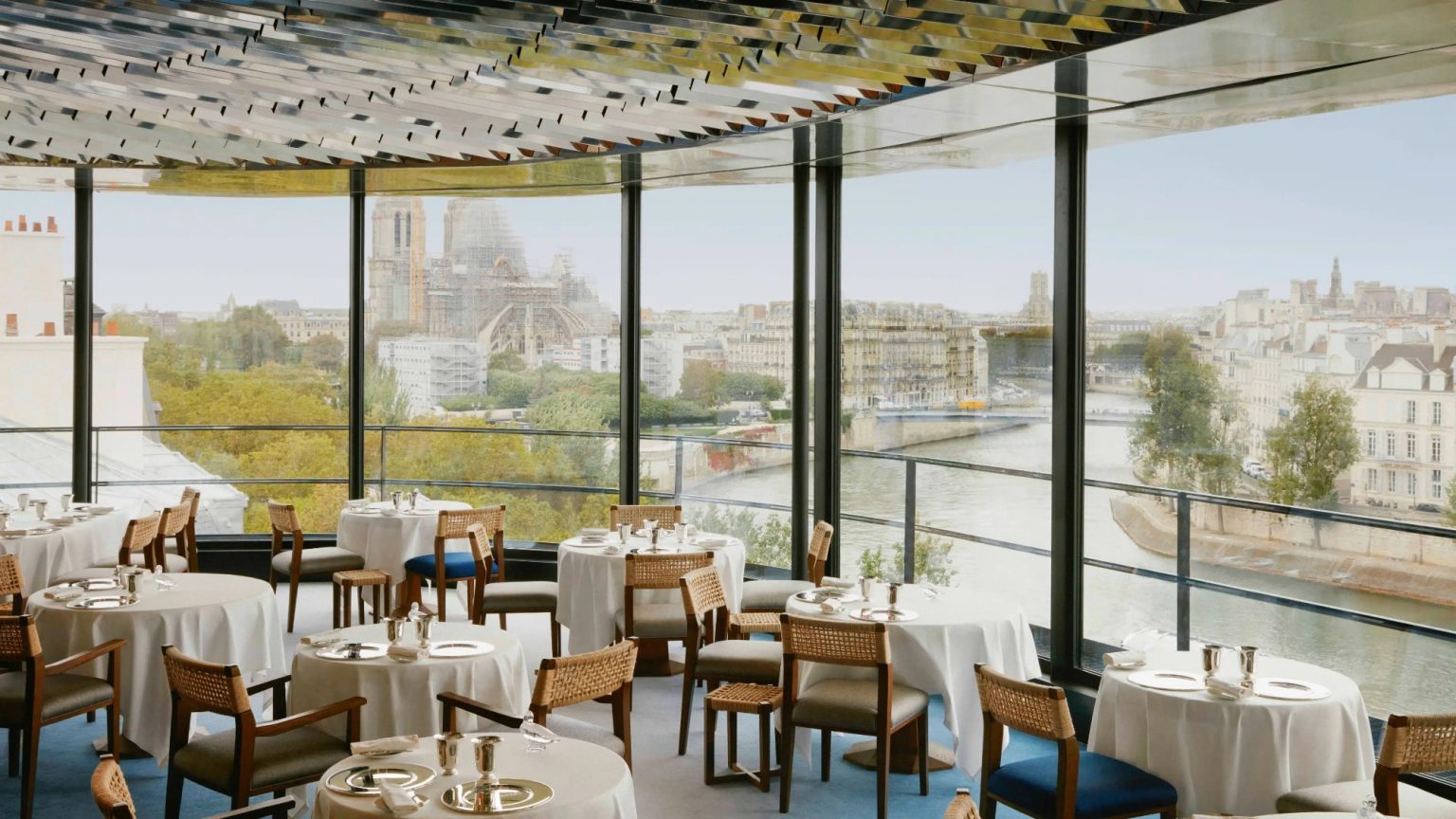
Overlooking the Seine and Notre-Dame Cathedral, La Tour d’Argent is one of Paris's most celebrated gastronomic institutions. Its history stretches back centuries, and the restaurant is particularly famous for its elaborate duck preparations, including the legendary pressed duck, served with considerable ceremony. The spectacular views and refined French cuisine are impressive enough, but wine lovers have another reason to visit: an extraordinary cellar containing nearly 300,000 bottles, including some of France's rarest and most prestigious vintages. A truly special dining experience for serious food and wine enthusiasts.
4th Arrondissement · Traditional French bistro and Burgundian specialties
Why we recommend it
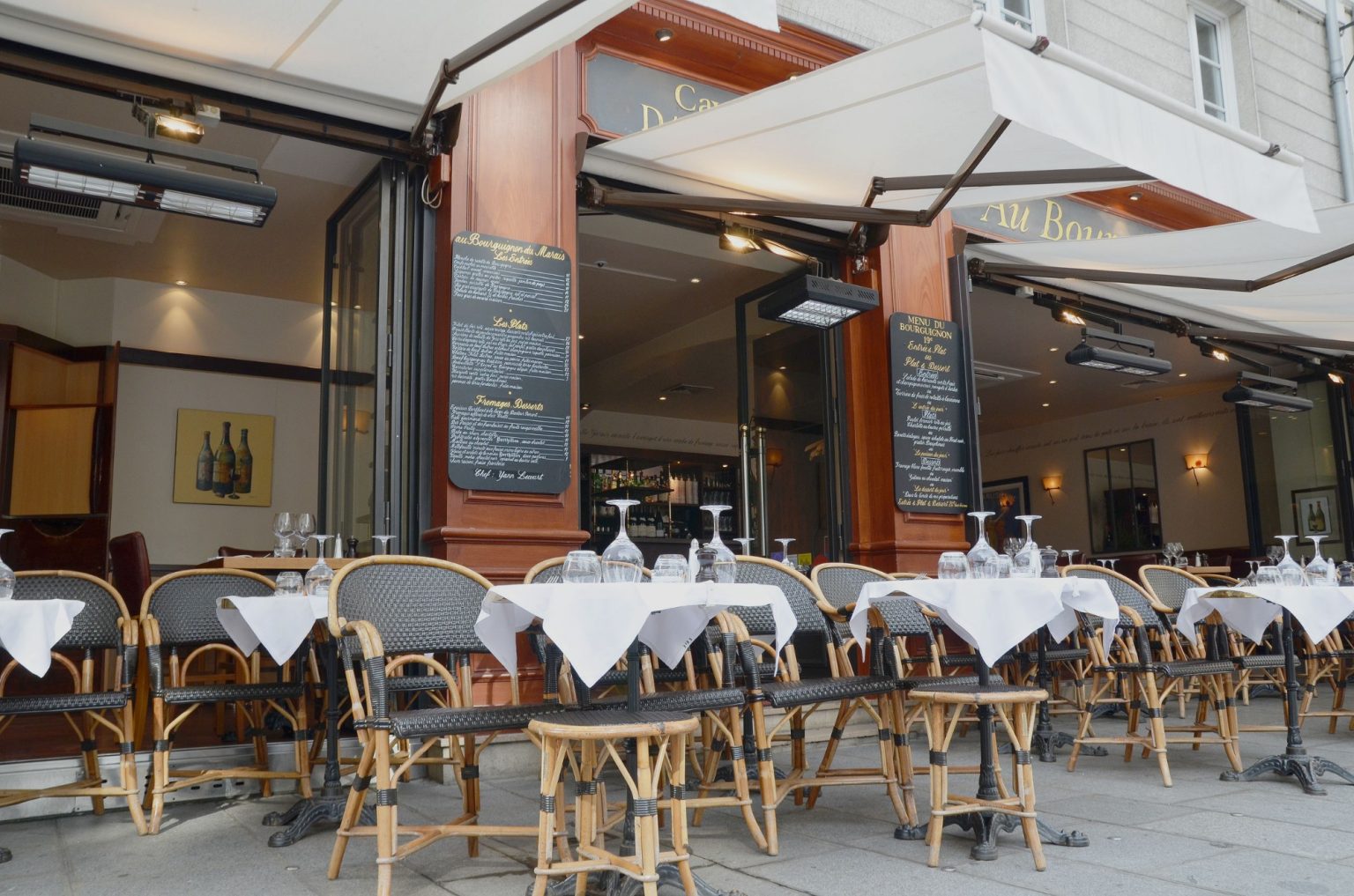
In the charming Marais district, Au Bourguignon du Marais is a wonderful place to enjoy hearty, traditional French cooking without the formality of haute cuisine. The restaurant specializes in the comforting dishes of Burgundy, particularly its excellent bœuf bourguignon, slow-cooked in red wine with mushrooms and lardons. Other favorites include French onion soup, escargots de Bourgogne, and eggs en meurette. The lively bistro atmosphere, inviting terrace, and selection of Burgundy wines make this a delightful choice for a leisurely Parisian lunch.
2nd Arrondissement · Contemporary French gastronomy and creative wine pairings
Why we recommend it
Tucked away on the charming Rue du Nil, Frenchie is an intimate restaurant that has earned an excellent reputation for creative, contemporary French cuisine. Chef Greg Marchand combines the finest seasonal ingredients with imaginative international influences, creating beautifully balanced dishes that are full of flavor without unnecessary fuss. The five-course tasting menu changes with the seasons, while thoughtfully selected wine pairings complement the kitchen's inventive approach. With its welcoming atmosphere and excellent attention to detail, Frenchie provides a refreshing alternative to Paris's more formal gastronomic establishments.
2nd Arrondissement · Historic Parisian brasserie and classic French cuisine
Why we recommend it
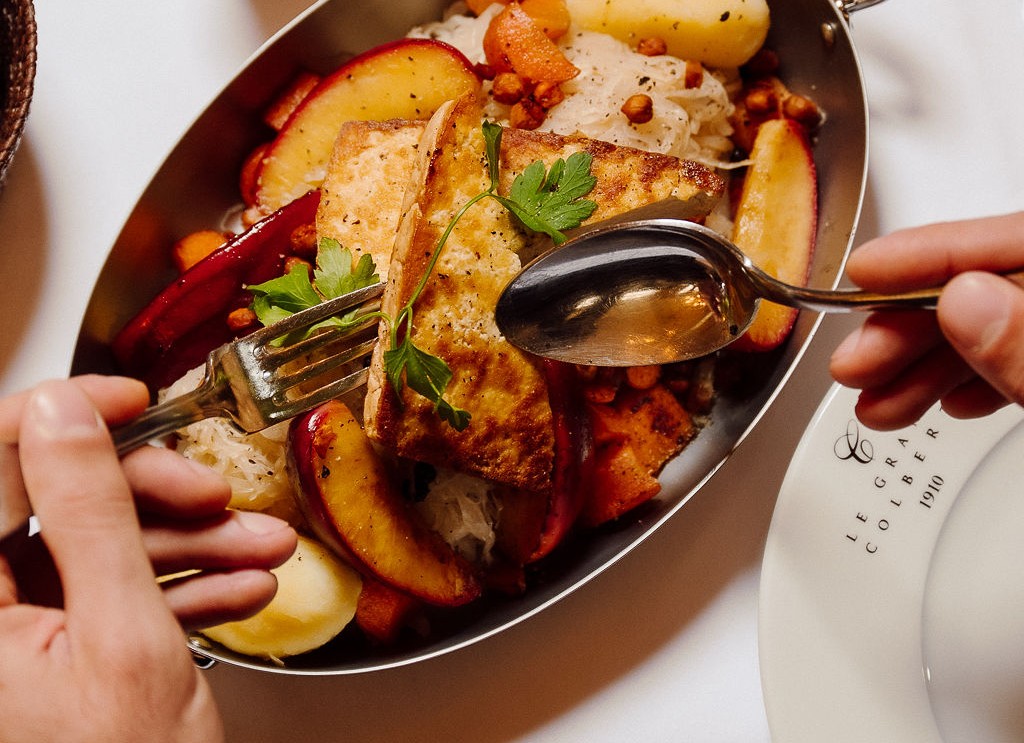
Few restaurants capture the romance of old Paris quite like Le Grand Colbert. Situated near the Palais-Royal, this magnificent brasserie is a feast for the eyes, with its soaring ceilings, mirrored walls, beautiful mosaic floors, and elegant leather banquettes. The menu is reassuringly traditional, featuring French onion soup, escargots, sole meunière, blanquette de veau, and tempting desserts such as crêpes Suzette and Paris-Brest. Whether visiting for a leisurely lunch or a celebratory dinner, the wonderfully atmospheric dining room is as much a part of the experience as the food itself.
To provide the best experiences, we use technologies like cookies to store and/or access device information. Consenting to these technologies will allow us to process data such as browsing behavior or unique IDs on this site. Not consenting or withdrawing consent, may adversely affect certain features and functions.
Functional
Always active
The technical storage or access is strictly necessary for the legitimate purpose of enabling the use of a specific service explicitly requested by the subscriber or user, or for the sole purpose of carrying out the transmission of a communication over an electronic communications network.
Preferences
The technical storage or access is necessary for the legitimate purpose of storing preferences that are not requested by the subscriber or user.
Statistics
The technical storage or access that is used exclusively for statistical purposes.The technical storage or access that is used exclusively for anonymous statistical purposes. Without a subpoena, voluntary compliance on the part of your Internet Service Provider, or additional records from a third party, information stored or retrieved for this purpose alone cannot usually be used to identify you.
Marketing
The technical storage or access is required to create user profiles to send advertising, or to track the user on a website or across several websites for similar marketing purposes.