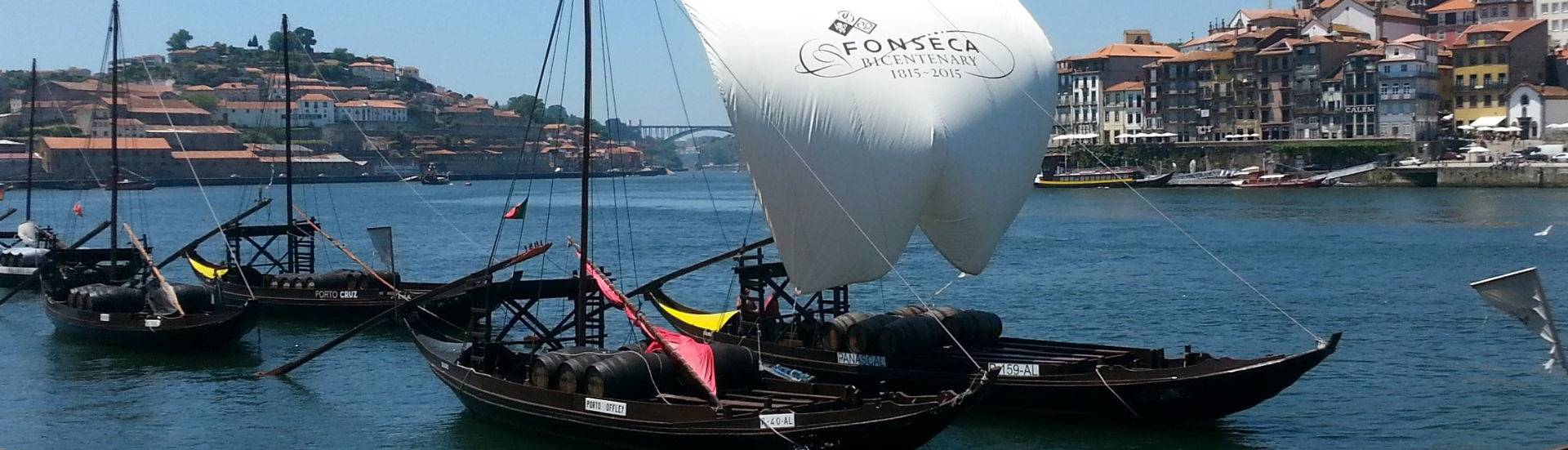
Fonseca Guimaraens Port House Guide
Port House Overview
Considered by top wine experts to be the “Petrus of Port,” Fonseca is quite definitely one of the best Ports in the world. Fonseca Guimaraens was established in 1822 when Manuel Pedro Guimaraens acquired control of the Fonseca & Monteiro Company. Of Brazilian origin, the Fonseca family had been involved in the trade (primarily in wine, but also olive oil and cloth, which they exchanged in Brazil for sugar cane and hemp from the colonies). As a condition of selling their shares to Guimaraens, the Fonsecas stipulated that whoever owned the business must retain their name as a brand name.
Over the next twenty years, Manuel Pedro, assisted by his oldest son, Manuel Fonseca Guimaraens, developed the important British, Dutch, Belgian, and Scandinavian markets. By 1840, Fonseca became the second-largest exporter of port wines. Near the end of that decade, the firm shipped its first vintage port, “the 1847,” to England.
Despite becoming part of the larger Fladgate Partnership group (which also owns Taylors and Croft), the family has played an important role in every Fonseca Vintage Port since the beginning. Frank Guimaraens served as the winemaker from 1896 until 1948. Following his death, his daughter, Dorothy Guimaraens, made the wines until 1955. Bruce Duncan Guimaraens, the great-great-grandson of the founder, made every Vintage from 1960 to 1992. His son, David Guimaraens, took over in 1994. David, a prodigy winemaker, formalized his education in enology at Roseworthy Agricultural College in South Australia and has gained winemaking experience in Australia, California, and Oregon. He is the current head winemaker for Tailors and Croft as well. Fonseca stands out slightly from the rest of the Port Houses as that extra bit special.
Wines produced
-
Siroco White Port
A full, dry white port with a superb balance of ripe fruit extract, delicate acidity and elegant notes of wood aging; finishing with an attractive, refreshing crispness. -
Fonseca Bin 27, Premium Reserve
Produced mainly from wines from Fonseca's own quintas in the Cima Corgo, and blended from reserve wines selected for their superb fruit character and depth of color. Rich, velvety full body and luscious blackcurrant and cherry flavours. -
10 Year Old Tawny
Of an average cask age of ten years, it is a young port of russet color with brilliant crimson highlights and a fragrant, ripe-fruit bouquet. Its smooth, silky texture and subtle oak nuances are balanced by a fresh acidity and tannic 'grip' that culminate in a long, elegant finish. -
LBV: Late Bottled Vintage
A robust, old-fashioned LBV with exceptional body and grip produced primarily from foot-trodden wines from Fonseca's vineyards. It is intense, firm and long on the finish, with impressive depth and complexity in the rich Fonseca style. -
Quinta Do Panascal
The decision to bottle a Quinta do Vintage is taken when the wine is judged to be of exceptional quality. The wine will spend two years ageing in vat before being bottled and will be released when it is ready to drink, normally 10 years after the harvest. These wines are lovely and intense and show great fruit, balance and structure. -
Guimaraens Vintage
In years when Fonseca does not 'declare' a classic vintage, it selects the finest grapes from its own vineyards to yield a small quantity of this superb wine, which is produced exactly as a declared Fonseca Vintage. Beautifully structured and perfectly balanced. -
Classic Vintage
In exceptional years Fonseca will 'declare' a classic vintage port. Only the finest wines, selected for their great intensity, depth and aging potential, are bottled under these labels. This happens about three times a decade. They are famed for being wines of breed, balance and great complexity
Winery Contact Details
Fonseca Guimaraens Port
Rua do Choupelo 84,
Vila Nova de Gaia
Portugal
- Email [email protected]
- Tel +351 22 374 2800
- Fax +351 223 742 899
- Website Visit website
Facts & Figures
-
Appellation
- Porto
-
Founded
1822
-
Winemaker
- David Guimaraens
-
Owner
- The Fladgate Partnership
-
Production
600 million liters
-
Grape varietals
- Touriga Nacional, Touriga Francesa, Tinta Roriz, Tinta Cao, Tinta Barroca, Tinta Amarela.
Grape Varieties Used by the Winery
-
Red grape
Tinta Amarela
Tinta Amarela, aka Trincadeira, is a red grape used in Port and red wine. Thrives in dry, hot climates, flaunting purple-skinned allure but susceptible to rot. View grape -
Red grape
Tinta Cao
Uncover Tinta Cão, the treasured Portuguese red wine grape. A vital Port Wine blend, embodying Portugal's winemaking legacy with grace. View grape -
Red grape
Tinta Barroca
Tinta Barroca is one of the most common red wine grapes grown primarily in the Douro region in northern Portugal. View grape -
Red grape
Tinta Roriz (Aragonês)
Discover the versatile grape: Spain's Tempranillo, and in Portugal, Aragonês and Tinta Roriz (Douro Valley). Embrace the rich cultural tapestry of this beloved varietal. View grape -
Red grape -
Red grape
Touriga Nacional
Explore Touriga Nacional, Portugal’s flagship red grape, including its role in Port, Douro reds, flavor profile, aging, and food pairings. View grape
Further Reading
Port Wine Guide: Types, History, and How to Drink It
May 14, 2025
Understand Port wine, from Ruby and Tawny to Vintage and LBV, with history, serving tips, food pairings, and Douro travel context.
Read article
Gouveio Grape Variety: Port’s Surprise
February 20, 2023
Learn about the unique characteristics of Gouveio, a grape variety used in the production of Port wine. Explore its flavor profile and history in our comprehensive guide.
Read article
Sousão Grape Variety (Vinhão): Weird and Wonderful
June 9, 2022
Discover Sezão, the dark-skinned Portuguese grape used in port and table wines, boasting rich flavors and a captivating history. 🍇🍷
Read article
Wine Lovers Guide to the Douro Valley
November 14, 2017
Unveil the Douro Valley's wine treasures, relish fine dining at renowned restaurants, and experience luxury stays in this ultimate wine lover's guide.
Read article
10 of the Best Port Wines to Try: Vintage, Colheita & Classic Producers
October 3, 2017
From mature Vintage Port to a fine single-vintage Colheita, James Lawrence selects ten outstanding Ports worth seeking out, with tasting notes and serving advice.
Read articleAuthor