
Discover Spanish Wines: A Complete Guide to the Best Regions, Varietals, and Traditions
July 1, 2024
Explore Spain's rich wine regions and indigenous grapes. A journey through diverse styles and deep heritage.
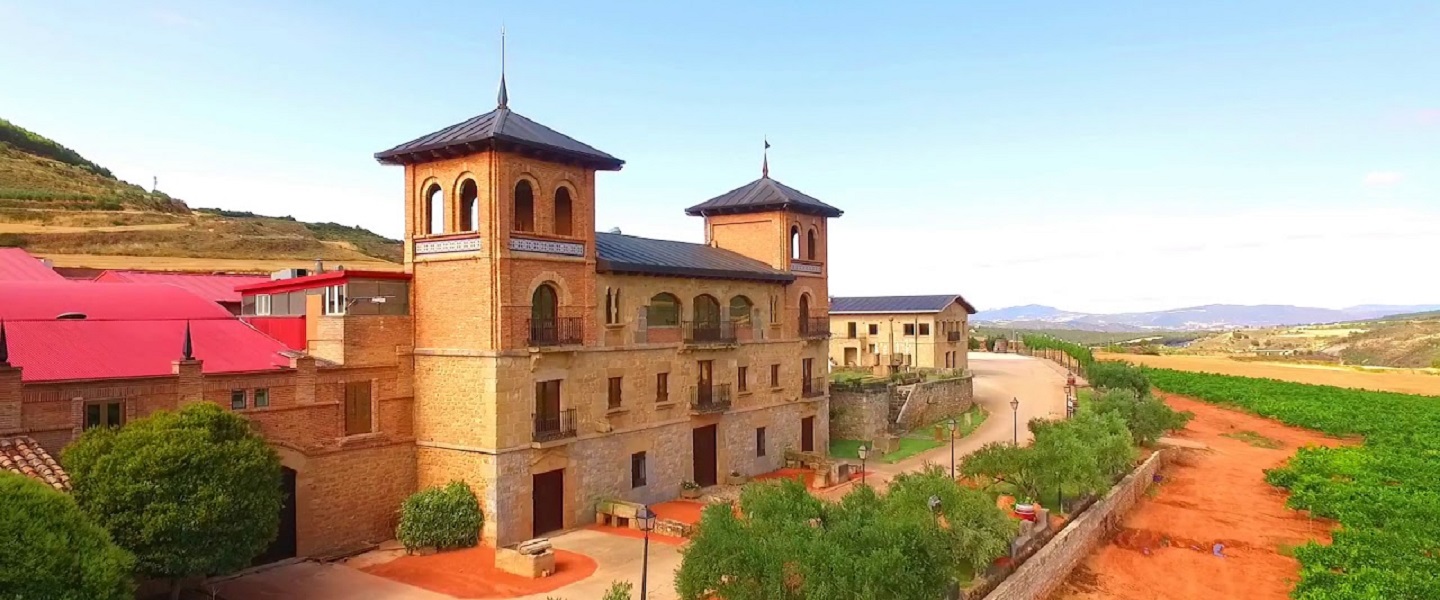
Read articleNestled in the picturesque San Esteban zone of Tierra Estella within the DO Navarra, Castillo Monjardin stands as a stunning and innovative bodega. Renowned for their exceptional cask-fermented Chardonnays and Merlots, the winery boasts an expansive 120-hectare expanse of single vineyards strategically positioned on slopes to harness the optimal climatic conditions. Situated at an altitude of 600 meters, their vineyards benefit from a unique microclimate that imparts a captivating aromatic profile and profound depth to their wines.
A true gem within the vineyard is its magnificent 4000-square-meter wine cellar; designed with meticulous attention to detail, it is ingeniously integrated into the slope, allowing for precise temperature control at every stage of the winemaking process. Grapes are harvested with the utmost care, employing mechanical techniques to preserve their pristine quality. Specifically, the Chardonnay grapes are selectively harvested during the cooler nighttime hours, harnessing the advantages of lower temperatures.
Castillo Monjardin’s commitment to quality extends beyond the vineyards and into their state-of-the-art wine cellar, ensuring that every step of the winemaking journey reflects their unwavering dedication to producing remarkable wines.
White grapes are put directly from picking into a closed pneumatic press. This 8 hr process constantly rotates, allowing the grapes to be pressed naturally by their own weight, hopefully leaving unripe grapes intact. Castillo de Monjardin invented this process and only produces 50% yield-free-run juices. Most of the white grape must is used for Chardonnay, fermented in stainless steel vats, and then aged in oak barrels.
Red wines are produced using the Bordeaux method. After the grapes are de-stemmed and crushed, they enter a long fermentation process followed by malo-lactic fermentation in stainless steel. Then, depending on the varietal and vintage, they are separated by young and Crianza and Reservas to be sent to age in oak casks.
1988
220 ha
12 - 70 years
July 1, 2024
Explore Spain's rich wine regions and indigenous grapes. A journey through diverse styles and deep heritage.
Read article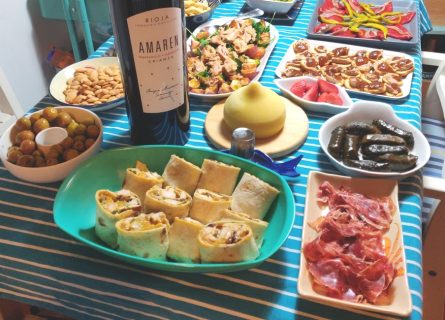
August 28, 2024
Explore the diverse flavors of Spanish wines. Learn to master the art of pairing wines like Albariño, Rioja, and Cava with your favorite dishes.
Read article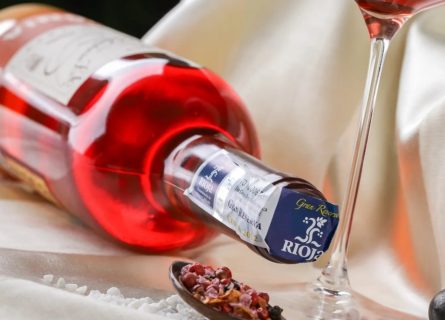
October 17, 2024
Discover the hidden gem of Spanish rosé wine! Explore the top regions, producers, and food pairings in this article.
Read article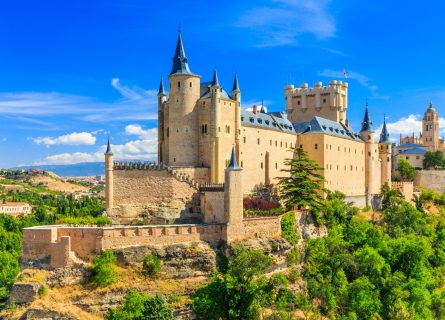
May 12, 2017
Explore Spain's 10 most stunning castles, uncovering architectural wonders and captivating history. Plan your adventure now!
Read article
April 28, 2024
Learn what Cava is, how it is made, how it differs from Champagne and Prosecco, and where to taste it in Penedès.
Read article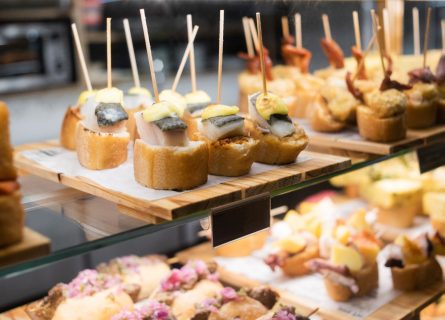
February 21, 2017
Discover Spanish food names, menu words, and classic dishes in this easy A-Z guide. A helpful reference for planning a Spain food and wine trip.
Read article