 19 tours
Country tours
Private Wine Tours in Spain
Luxury Food & Wine Journeys Across Spain’s Finest Regions
Discover the best wineries in Haro’s Barrio de la Estación, with wine bars, tasting tips, the official Passport and practical advice for visiting Rioja.
Immerse yourself in Rioja’s rich history at the Barrio de la Estación. This one-of-a-kind district is lined with back-to-back estates boasting the region’s most prestigious wineries. The neighborhood began to take shape in the second half of the 19th century, as rail gradually replaced horse-drawn transport for wine. This revolutionized Rioja’s wine transportation.
Discover More About Spanish Wine
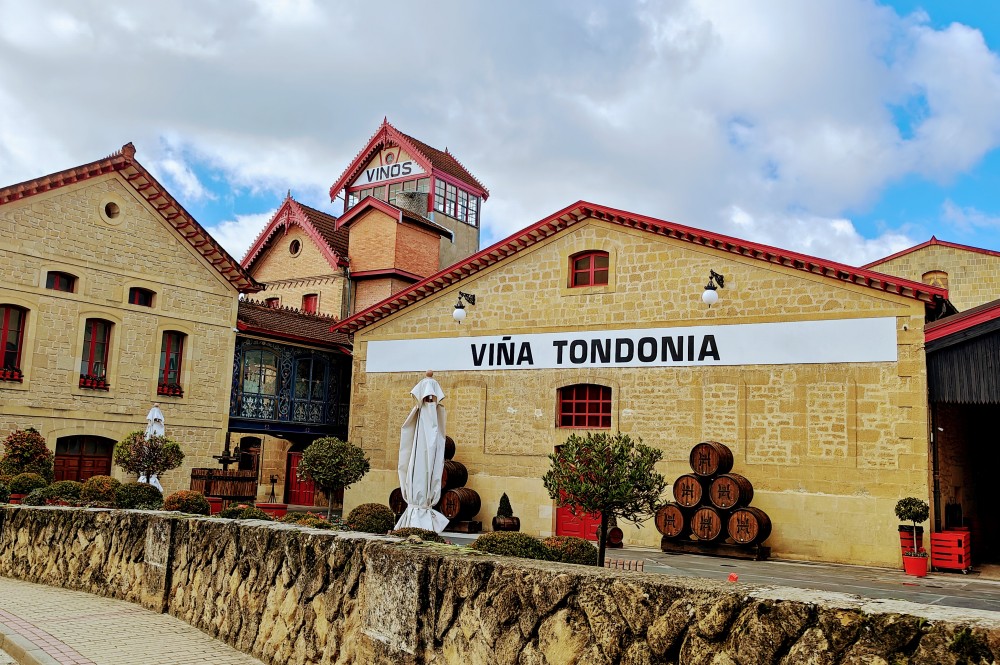
Located in the Rioja Alta town of Haro, the Barrio sat at a crossroads between France and the industrial Basque Country. French wine merchants came to La Rioja to buy wine after oidium in 1863 and phylloxera in 1867 damaged harvests at home, establishing export depots around the railway station; however, none of those original French warehouse-cellars survive today. Spanish-owned bodegas subsequently established themselves around the station.
The oldest winery in Barrio de la Estación was R. López de Heredia y Landeta, established in 1877. Compañía Vinícola del Norte de España (CVNE) followed in 1879, followed by Gómez Cruzado in 1886, La Rioja Alta S.A. in 1890, and Bodegas Bilbaínas in 1901. Bodegas Muga, founded in 1932 in central Haro, moved its winery to the iconic Barrio in 1970. Lastly, RODA established itself in the Barrio in 1987.
If classical Rioja is your thing, La Rioja Alta S.A. is an excellent place to start. The centenary winery has one of the most polished visitor setups in the Barrio without losing its historic feel. Guided visits explore the old cellars and the house’s great Reserva and Gran Reserva styles, while El Garaje del Club de Cosecheros pours both current and older vintages by the glass with tapas.
Muga is one of the most popular visits in the barrio. The winery still has its own cooperage, and the tour takes you through wooden vats, aging rooms, and the barrel workshop, then finishes with a tasting. If you do not want a full cellar visit, Espacio Torre Muga and the outdoor terrace are easy places to stop for a glass. It is one of the livelier addresses in the Barrio, but the working winery is the real star.
CVNE is an essential stop for understanding Rioja’s history. The company began in Haro in 1879, and its original complex still includes 19th-century cellars, handsome stone buildings, and the famous Eiffel Cellar. Imperial, one of the great names in traditional Rioja, is made within this historic site. The visit works particularly well if you enjoy architecture as much as wine: there is enough history to keep you occupied without the experience ever feeling like a museum tour.
RODA feels very different from the Barrio’s 19th-century bodegas. Founded in Haro in 1987, the winery built its reputation around a more contemporary interpretation of Rioja and a strong emphasis on vineyards and old vines. Its street-level wine bar occupies an impressive 19th-century cellar and can be visited without taking a full winery tour. If the older houses explain where Rioja came from, RODA shows how the region moved forward without turning its back on Haro.
Gómez Cruzado is the smallest winery in the Barrio, which is precisely part of its charm. The experience feels more intimate than some of its larger neighbors, with visits focusing on the winery, old-vine landscapes of Rioja Alta and Rioja Alavesa, and wines from both its classic range and Terroir Selection. The winery currently opens to visitors every day, including Sundays.
At Bodegas Bilbaínas, the vineyard is central to the visit. The estate owns more than 250 hectares around Haro, including Viña Pomal, while beneath the winery lie some 3,400 square meters of historic underground cellars. Visits can include the old Bodega Francesa, barrel rooms, and the vineyard, while the wine bar, terrace, and gardens make for a relaxed stop afterward.
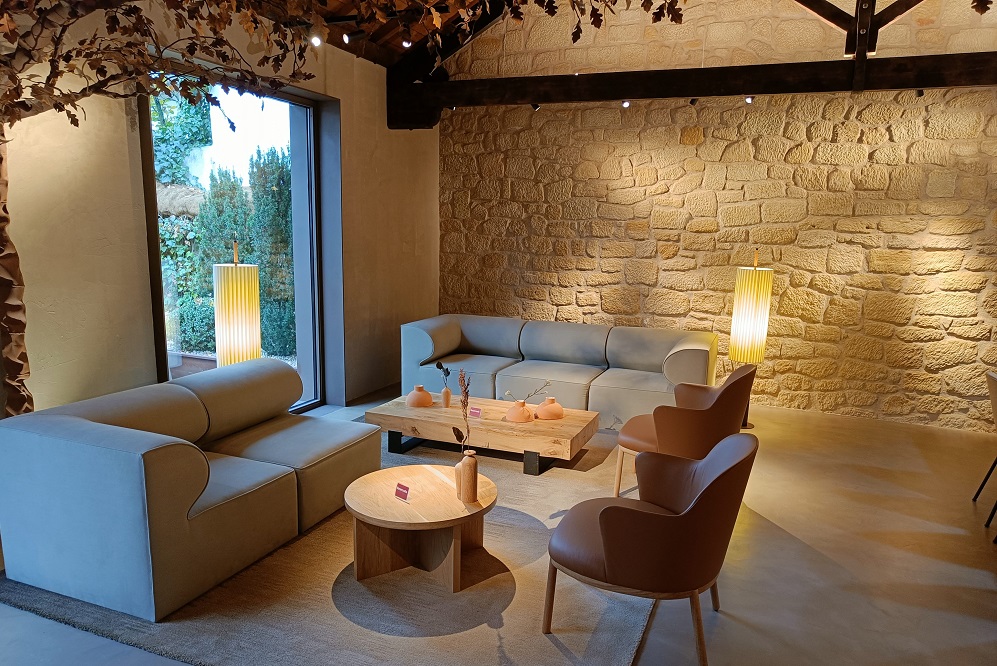
The six wineries belonging to the Barrio association each operate a wine bar, making casual tasting possible without a full cellar visit.
You can spend a glorious afternoon in the sunshine, walking from property to property. At each one, you can taste wines and enjoy tapas. What more could a wine lover ask for?
The Barrio de la Estación Passport offers a simple way to taste your way around the district without booking six formal cellar tours. Buy it in advance and collect the physical Passport at the CVNE Wine Bar; it includes one selected wine and tapa at each of the six participating wine bars. You can use it in a single day or spread the tastings out, as the Passport is valid for 12 months. Full winery tours are not included.
Beyond the regular tours and tastings, the entire Barrio has taken on a life of its own. Every two years, La Cata del Barrio de la Estación brings the six participating wineries together for a day devoted to wine, food, music and festivities.
The sixth edition took place on June 13, 2026, offering visitors wines from Bodegas Bilbaínas – Viña Pomal, CVNE, Muga, Gómez Cruzado, La Rioja Alta S.A. and RODA, alongside food and special activities throughout the Barrio.
Some years have also featured separate masterclasses and expert-led tastings, although the format and speakers change each edition.
For more information and booking tickets, click here.
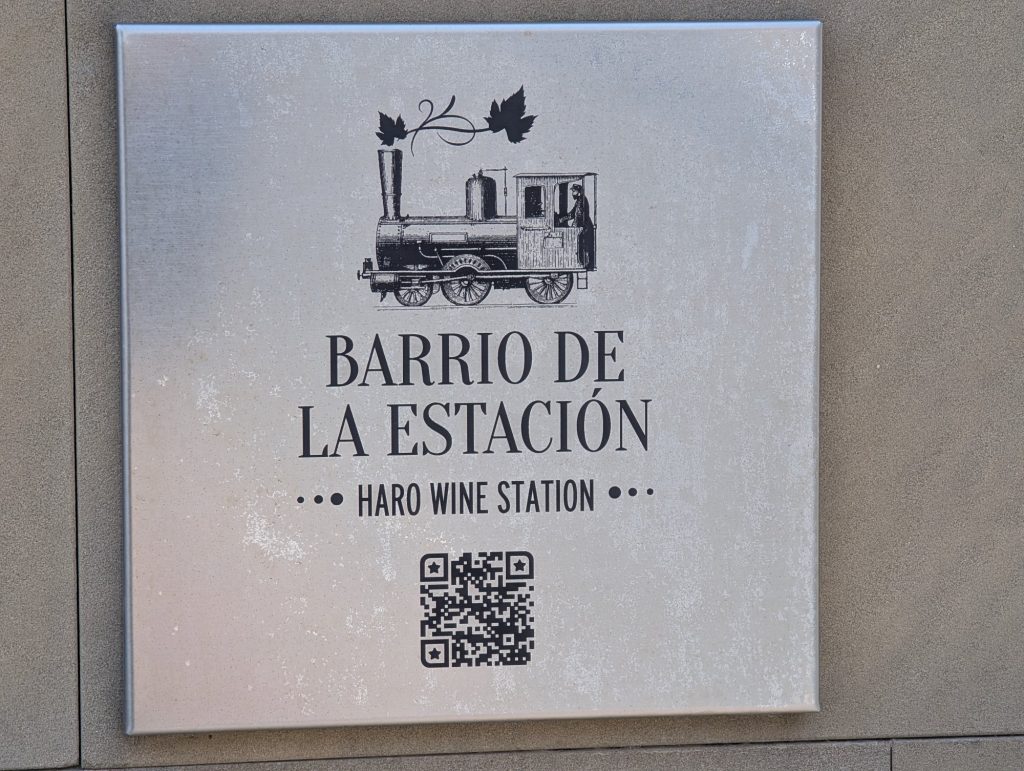
Wine-bar and visitor hours change during the year, and formal winery visits generally require advance booking. Check each bodega’s current timetable before traveling, particularly on Sundays and public holidays. For formal cellar tours, two wineries plus a relaxed lunch makes a comfortable day; the Barrio’s wine bars make it easy to add a more casual tasting afterward.
Always, always, always organize a driver in advance if you will be tasting wines!
Recommended taxis in the area:
Taxi Haro (Dionisio): +34 615 89 15 19
Taxi Haro (José): +34 660 55 41 88
Rioja & Rioja Alavesa: Enotaxi Sasazu (César): +34 688 82 07 59
Private car with English-speaking drivers: Talur

Explore further
Discover private journeys, regional guides, and expert stories to help you plan an unforgettable trip through Spain.
19 tours
Luxury Food & Wine Journeys Across Spain’s Finest Regions
 8 days
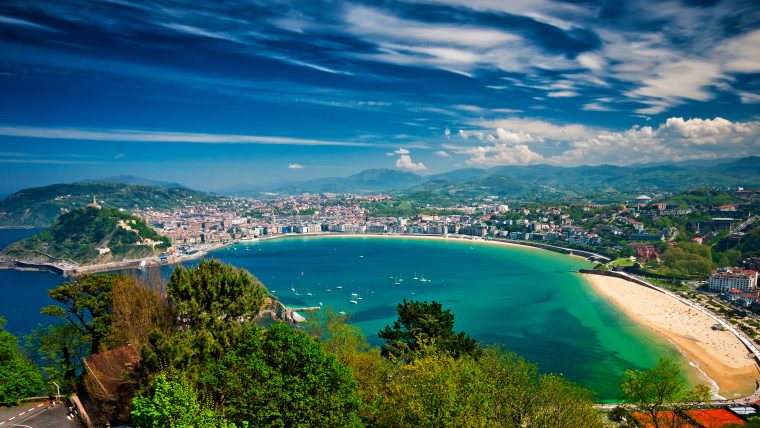
Stay seven nights in San Sebastián and explore the Basque Country without changing hotels, with private day trips to Txakoli vineyards, Rioja wine country,…
 14 days
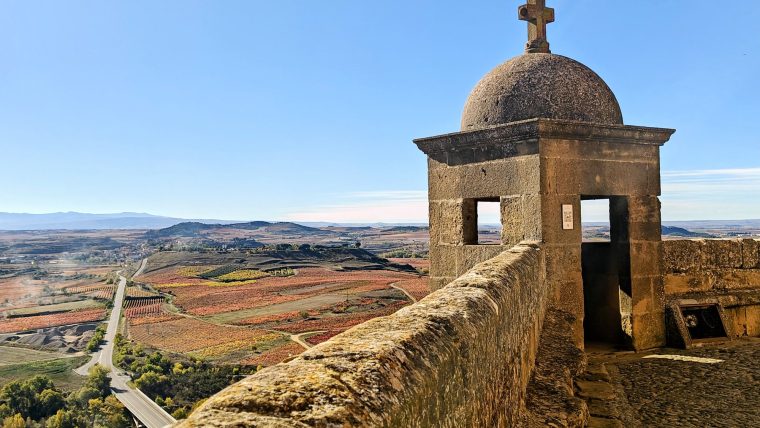
Ribera del Duero, Rioja and the Basque Country, all in one private journey.
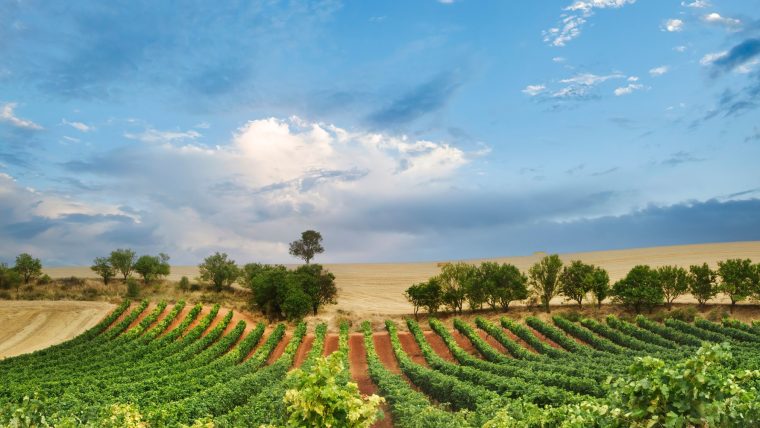
Compare Spain’s leading wine regions by signature grapes, scenery, best base, travel time, and ideal stay.
Explore regions
Discover the flavors of Spanish red wine grape varieties. Uncover the fascinating history and modern developments in Spanish winemaking.
Read article
Discover 10 of the best wineries to visit in Spain, from Rioja and Ribera del Duero to Penedès, Priorat and Jerez, with standout wines…
Read article