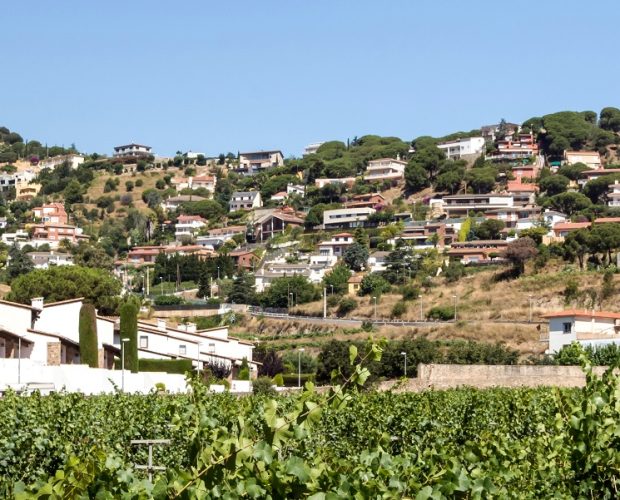
Explore Alella's exquisite wines, rich history, and stunning vineyards. Plan your visit to experience the best wineries and scenic beauty today! Open region guide
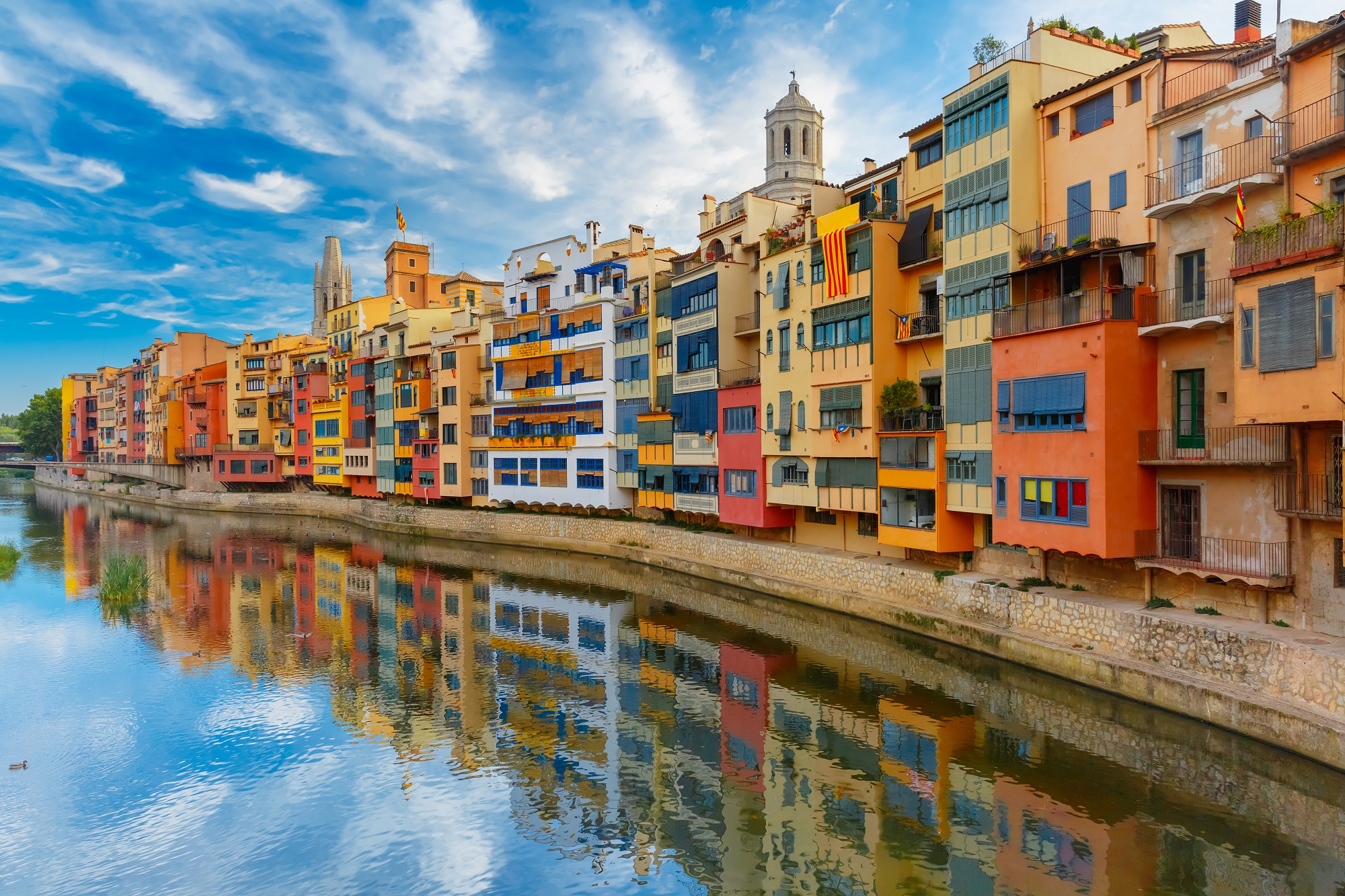
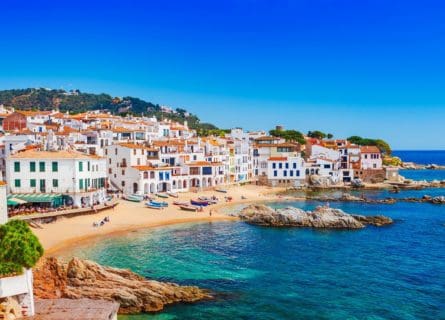
Girona is one of Catalonia’s biggest cities in North-eastern Spain, less than 2 hours away from France. It lies at the heart of one of the most beautiful provinces in Spain. The nearby Costa Brava’s beaches and coastline are reminiscent of California’s Big Sur, with many charming coves and pine forests. The best hotels in Spain are found in the Girona (“Gerona” in Spanish) province, and many historic castles and villas have been transformed into luxury hotels. Charming fishing ports, medieval villages, and the dramatic scenery of the majestic Pyrenees Mountains are all major attractions. Girona itself is a fascinating city to visit.
The Romans seized control of Girona from its early Iberian inhabitants, calling it “Gerunde.” Later, as in most of Spain, the Visigoth kings came into control before being knocked out of power by the Moorish Caliphs. Charlemagne took it back from the Moors in the 8th century, and shortly after, it became part of the kingdom belonging to the Counts of Catalonia. Barcelona was also a “countship” and is still called “La Ciudad Condal.”
In the 12th century, a Jewish community flourished in Girona. Along with Toledo, Cordoba, Seville, Besalu, Barcelona, Tarazona, and a few other villages and towns, Girona was a significant city in Sephardic Spain. In the 1100s, Girona was home to one of Europe’s most prominent Cabalistic schools. Sadly, in 1492, the year Columbus arrived in the Americas. He changed Spain’s future forever; all Jews who refused to convert were expelled from Spain, thus ending a period of tolerance that the Jews, Moors, and Christians had previously enjoyed. The Jewish Ghetto in Girona is today, amazingly, one of the best-preserved in Europe. As in Barcelona, the Jewish quarter (called “Juderia” in Spanish) is named the “Call.” It’s a lovely neighborhood of narrow cobblestoned alleyways, flower-covered balconies, and ancient houses and shops.
These days, Girona is a bustling, little-visited city. The Onyar River cuts through the city, and beautiful pastel-colored villa-style buildings line the river on both sides. It’s a delight to visit and not as packed with tourists as other Spanish cities full of fashionable shops and elegant restaurants, not to mention superb historic hotels in the region. Girona is full of beautiful reminders of its past- from the Jewish “Call” to the Moorish baths to the abundant medieval architecture and more recent “Modernista” architecture.
Girona used to be surrounded by a fortress wall, and some of the remaining parts of the eastern city walls have been rebuilt, called the “Passeig de la Muralla,” now a lovely walkway around the ancient city, the “Casc Antic.” Girona is definitely worth a visit if you are in Catalonia and is also an excellent base from which to visit many nearby attractions. The river setting is magical and a romantic place to stay overnight and see the city illuminated by night.
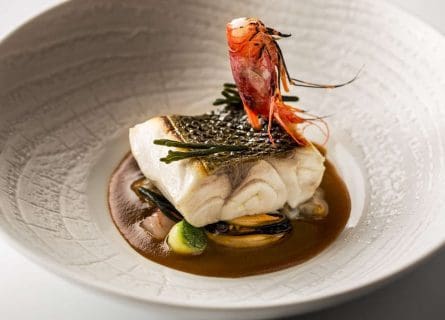
Foie gras and truffles are two unique gourmet products from the Girona region, and the local restaurants serve superb cuisine. Girona, also called “The Orchard of Spain, “grows many high-quality organic apples, asparagus, artichokes, peas, and artichokes for domestic consumption. In the Pyrenees Mountains, a mind-boggling number of wild mushrooms are collected, and Girona is known for its “Setas” and “Champiñones” from Chantarelles, Boletus, Tromppets de Mort (The Trumpet of Death), and Moixerons (some of the best, very intensely flavored). Seafood in Girona is an obvious asset with the coastline of the Mediterranean Sea, and some of the most typical fish you will find on Girona restaurant menus include “Rascassa” (Scorpionfish), “Lubina” (Sea Bass), “Salmonete” (Red Mullet), and “Mero” (Grouper). Lobster is also ubiquitous on the menus and is often served with chocolate, one of Salvador Dali’s favorite recipes.
Wine is also produced in Girona, and the most famous appellation is “Emporda-Costa Brava.” Dry red and white wines, sweet red wines, and sparkling wines are all made here. The principal grapes used include (White)- Garnacha Blanca, Macabeu, Moscatel, Xarel-lo, Chardonnay, (Red)- Garnacha Tinta, Ull de Llebre (Tempranillo), Cabernet Sauvignon, Merlot and Cariñena (Carignan). The most well-known wineries in this D.O. (Denominación de Origen) include the market leader “Castillo de Perelada” (in the gorgeous medieval village of Pereleda, this winery really does own a perfectly preserved castle), the funky and artsy “Celler Espelt” (most famous for their dessert wine “Airam Garnatxa de l’Emporda Dulce”) and Oliver Conti (whose red wine is considered to be one of the best in the region and who is also an interesting winery for their experimentation and innovation; they are making interesting wines with the Gewürztraminer grape).
Guide to Catalan Gastronomy: Read more
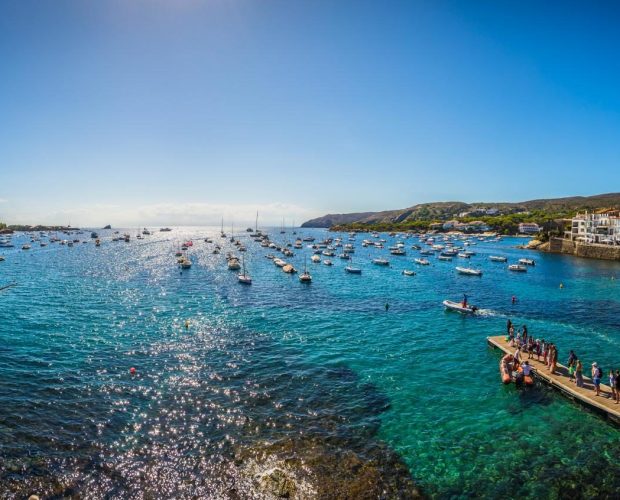
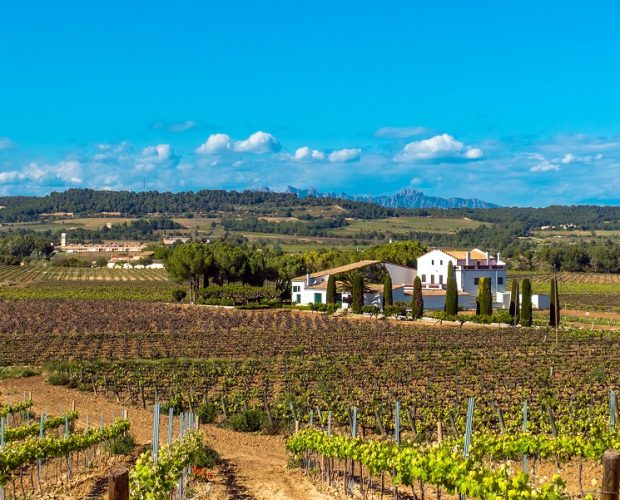
Restaurant Massana in Girona is a culinary gem. For over three decades, the skilled hands of Chef Pere Massana, alongside his wife Ana Roger, have guided this family-run establishment.
Recognized for its exceptional achievements, Restaurant Massana has garnered accolades such as a coveted Michelin star in 2007, the esteemed Repsol Guide Sun in 2008, and an additional Sun in 2010.
Prepare to embark on a culinary odyssey at Restaurant Massana, where tradition, innovation, and passion unite to create an extraordinary gastronomic experience. The dedication to showcasing local flavors, the impeccable attention to detail, and the warm hospitality of the Massana family will undoubtedly leave a lasting impression on your senses.
With over 300 carefully curated wines, from the distinctive wines of Empordà, influenced by slate and granite, to the essence of Penedès’ Xarello in its wines and cavas, the journey continues through Catalonia, Spain, France, and beyond.
These amazingly preserved Moorish “Baños” date back to 1194. In the 15th century, they came into private ownership until 1617, when they became part of the Order of Capuchin nuns’ convent, which they used as a laundry room! Thankfully in 1929, Girona’s monumental Arab Baths became Spanish Patrimony, and the reconstruction and repair of these ancient baths could begin.
The Jewish Quarter. The principal street with the most historical importance is the “Força.” Many tiny alleyways lead to and away from this street. Characteristics of this quarter are the narrow streets (you can touch both walls on either side of you on some streets) and the beautiful facades of the ancient structures.
One of the most important and curious archaeological museums in Spain. Located inside a 12th-century Romanesque Benedictine Monastery, this museum houses a collection of sculptures dating from the 11th to 14th centuries and exquisite Romanesque Frescoes.
A quirky, private museum dedicated to cinema. The owner, Tomás Mallol, has collected objects related to theatre and cinema for over 25 years, and for “Cineastas,” this museum is a must-see.
The city’s most beautiful gardens are considered a national treasure. The bullring is even inside these enormous gardens (over 40 hectares), and this “Parque” is an emblematic symbol of Girona.
Located in the city of Figueres, the “Museu Teatre Dal” is, in a word, fantastic! If you are an art lover, do not miss this museum, as it is one of Spain’s best. The museum itself is a work of art. Inside, you will find the most extensive collection of paintings, drawings, and multi-media works of art that Salvador Dali created: a fascinating visit and only 30 minutes from Girona.
The most beautiful medieval villages in the region include Besalu (with its Romanesque bridge and Jewish heritage), Peratallada (a Gourmet mecca for its local cuisine), and Pals (quite close to the coast). Pals is really a hamlet more than a village but boasts a cluster of gourmet restaurants and one truly special hotel, “Mas Salvi,” a gorgeous small luxury hotel, one of our favorites in Catalonia. There are many villages on the Costa Brava worth a visit, either for the village itself or the dining. Palafrugell, Palamos, and Calella de Mar are all quite pretty. A visit to Carmen Ruscadella’s restaurant “Sant Pau,” in Sant Pol de Mar (closer to Barcelona) is a gourmet must.
July 22, 2022
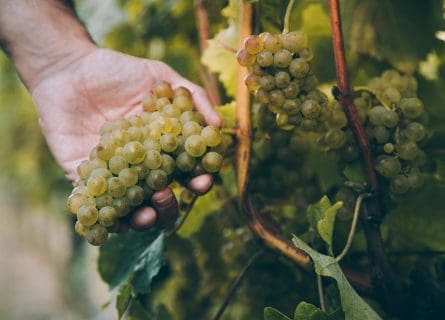
Unveiling the charm of the Hondarrabi Zuri grape. Explore its origins, unique flavor profile, and its role in crafting exquisite Txakoli wines.
Read article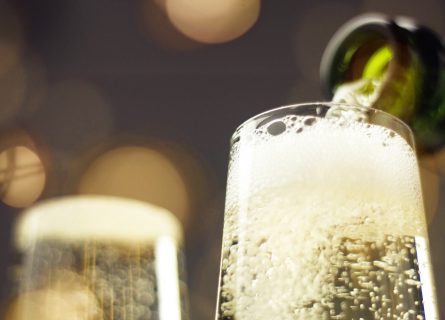
April 28, 2024
Learn what Cava is, how it is made, how it differs from Champagne and Prosecco, and where to taste it in Penedès.
Read article
May 30, 2024
A clear guide to Sherry styles, from Fino and Manzanilla to Amontillado, Oloroso and PX, with serving tips and food pairings.
Read article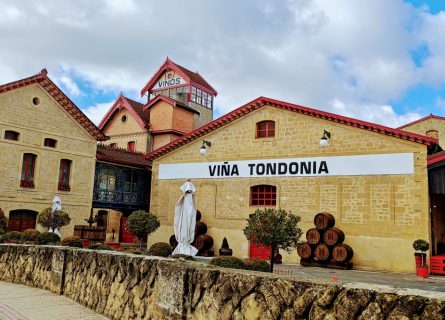
March 10, 2024
Haro's Barrio offers iconic wineries, exclusive tastings & festive wine celebrations. Must-visit for wine lovers!
Read article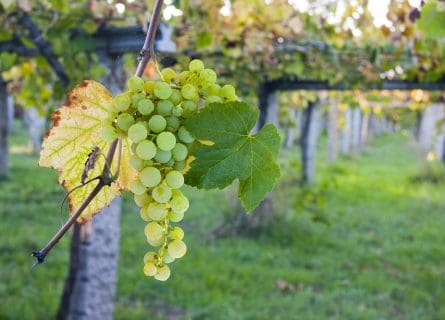
August 9, 2022
Unlock the secrets of Caíño Blanco grape, an intriguing Spanish variety. Delve into its characteristics and origins, and explore the wines it produces.
Read article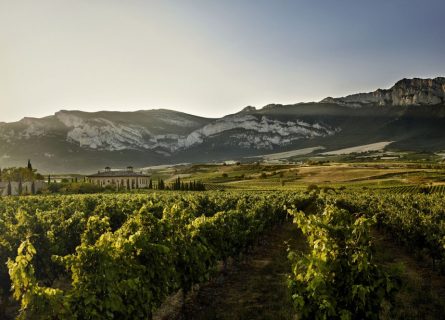
March 10, 2024
Escape to Spain's wine country! La Rioja beckons with breathtaking views, unique wines & cultural treasures.
Read article