
Explore the best of Rioja wine regions with our expert guide. Discover this iconic Spanish wine region's history, terroir, and top wineries. Plan your trip today! Open region guide
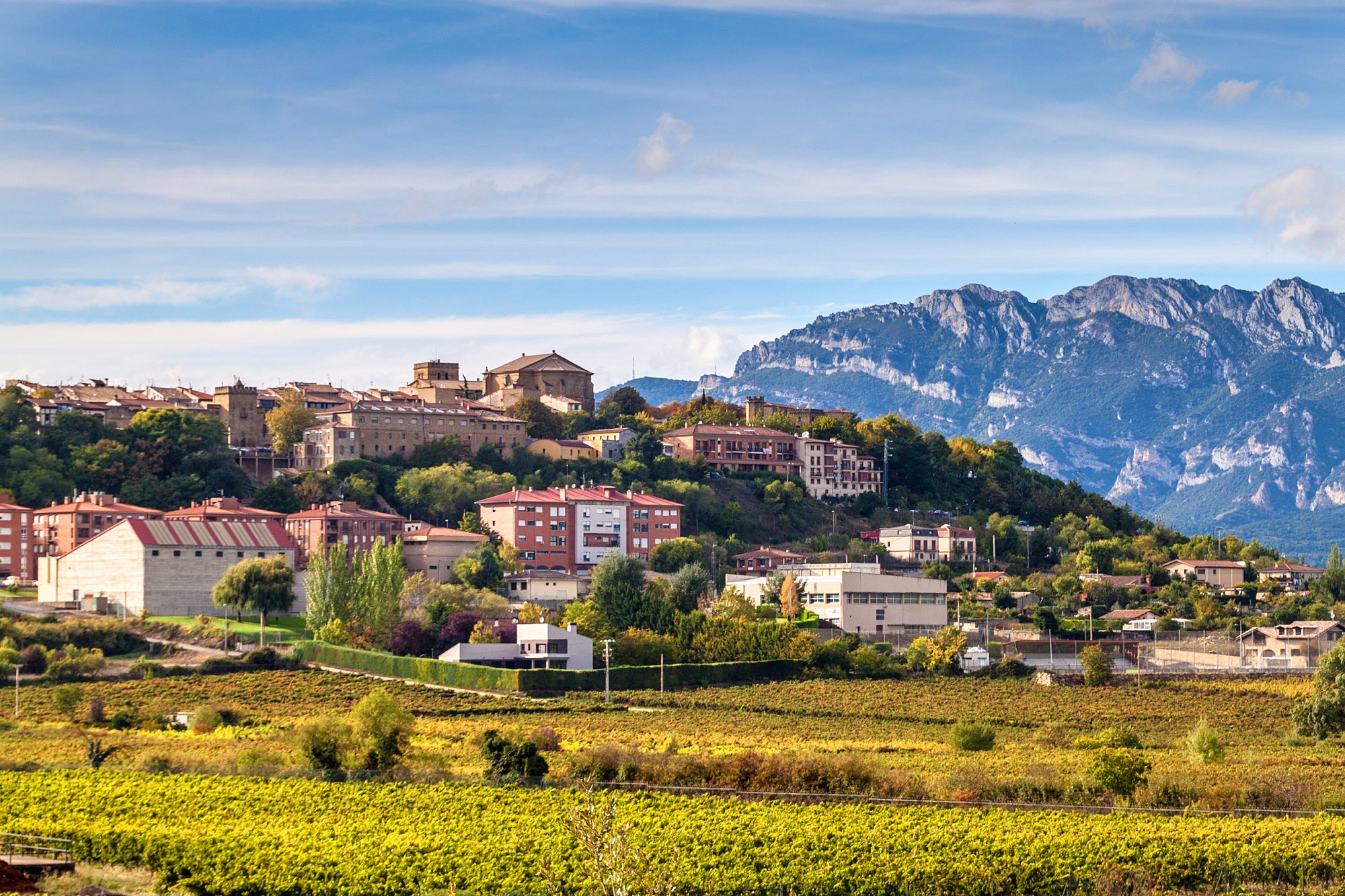
Laguardia is one of the most perfectly preserved medieval villages in Spain. It is also located in Rioja wine country and is the perfect base for your wine tour of Spain’s most well-known red wine region. Laguardia is a medieval hill hamlet (called “villa” in Spanish) reminiscent of Tuscan hilltop villages. An ancient wall surrounds the town and has a delightful jumble of cobble-stoned streets lined with “Tabernas,” wine shops, palaces, and cafes. Laguardia was founded in 1164 by King Sancho Abarca, and the spectacularly preserved wall dates back to the 15th century. The entire village became protected as Patrimony of Spain in 1964. The name “Laguardia” originates from “La Guardia de Navarra,” the “Guard” of Navarra, referring to its strategic importance in the kingdom of Navarre.
Before the medieval village was built (as we can see today), deep tunnels were carved out in the hill, and the town of Laguardia was underground. The tunnels were used as a defense tactic, but they came to be used to store wine and eventually even make wine over the centuries. In 1486, Laguardia was incorporated into the Kingdom of the Catholic Monarchs (Isabel and Ferdinand), who would unite Castille and Aragon’s kingdoms in 1492 to form what is now “Spain,” and the town was built on top of the existing town. The medieval wall was erected, as were many aristocratic palaces, many restored and still standing. In the 19th century, much of the medieval wall was destroyed during the “Carlista” wars and the War of Independence.
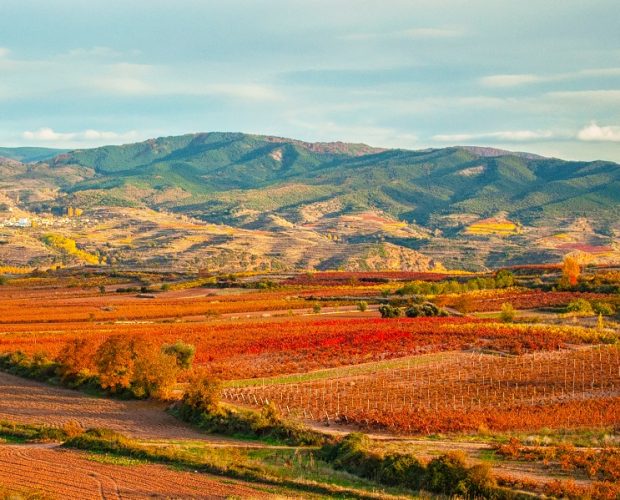
These days, Laguardia is a wealthy hamlet full of gourmet restaurants, charming small hotels, beautiful views over vines, and the fantastic backdrop of the Cantabrian Mountains. Whether you visit Laguardia with Cellar Tours or on your own, the important thing is that you come to spend a few days and eat and drink well. A visit to Laguardia is like stepping back in time, and the village is simply one of the loveliest places you could hope to visit in Spain. We hope to show you Laguardia soon!

Laguardia is a village where the locals live to eat and drink. For such a tiny village, dining options are abundant. The town pertains to La Rioja geographically but Basque Country politically and culturally. It is one of the most important wine villages in Rioja Alavesa, called so because it is also part of the sub-region of “Alava.” The cuisine is some of the best in Spain, with roast, milk-fed lamb, hake, and a colorful array of vegetable dishes being the leading players on the dinner table. Roast artichokes, sautéed spicy roast peppers (Pimientos de Piquillo), Swiss chard stuffed with ham and cheese, white asparagus dressed in balsamic vinegar and Olive Oil, potatoes (“Patatas a la Riojana”), Fava beans with chorizo and wild mushrooms are all quite typical in local dishes.
And then the wine. The choices are endless in this part of the world. Even tiny, hole-in-the-wall restaurants have wine lists that look like encyclopedias. Of course, the principal wines available are Tempranillo and Mazuelo-based reds from la Rioja, Garnacha-based rosé wines from neighboring Navarra, and Verdejo-based white wines from the up-and-coming wine region of Rueda. The white wines from La Rioja, based on the Viura grape, are waning in popularity, although Marques de Murrieta’s historic winery makes a smashing white wine. While not made in the area, the sparkling wine “Cava” is a classic aperitif. A digestif is essential after your six- or 7-course taster menu at any local gourmet haunt. The most common digestif in La Rioja (as well as Navarra and Basque Country) is Pacharán (Sloe Berry Liqueur).
Guide to Riojan Gastronomy: Read more
The main square of this village has a pretty arcaded Town Hall (which dates back to the 15th century) with a Royal Coat of arms dedicated to Carlos V and a very unusual clock with dancing hands (called the “Reloj de Carillon”). The square has a beautiful wine shop with fantastic wines such as Ramirez de Ganuza, Artadi, and Finca Valpiedra at very competitive prices. The main square is the center of village life, and during the local festivals and fiestas, it comes alive. There is an unusual Bagpipe festival in Laguardia in May, an event that originated in the middle ages. The villagers make a parade with bagpipe musicians, jugglers, and entertainers.
The fortification of Laguardia is the most impressive aspect of the pretty village. The wall wraps clear around the hamlet, and in the fall, the locals hang peppers out on the wall to dry in the sun. There are four main vaulted entrances into the village through the Muralla, and various turrets and towers. The storks, so typical in La Rioja, have claimed the towers and church tops of Laguardia as their home, and you can see the beautiful birds flying overhead daily.
In 1935, the Hoya archaeological site was discovered by a villager from Laguardia. What the archaeologists discovered was breathtaking- a Bronze Age settlement dating back 3,500 years!
Tour La Rioja with your chauffeur, accommodation at luxurious wine hotel & fine dining at top restaurants in Rioja & Basque Country
January 13, 2025
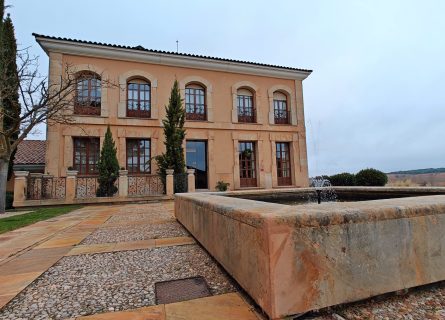
Explore the charm and history of Ribera del Duero wine tastings in Northern Spain. Discover the world-class winemaking and rugged landscapes that make this region unique.
Read article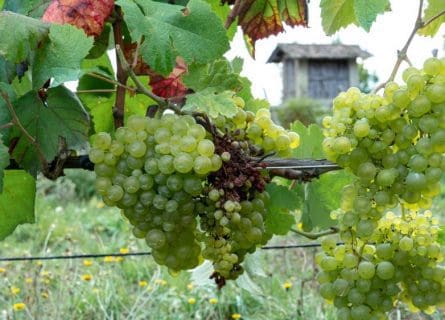
July 29, 2022
Discover Treixadura grape: Origins, Flavor Profile, and Exceptional Wines—a must-read for wine enthusiasts seeking new taste sensations.
Read article
April 28, 2024
Learn what Cava is, how it is made, how it differs from Champagne and Prosecco, and where to taste it in Penedès.
Read article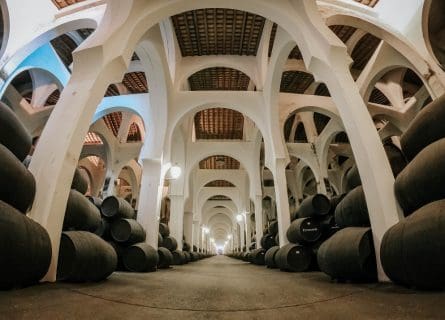
July 12, 2022
Learn about Palomino, the grape behind most Sherry, including its flavor, vineyard role, Jerez terroir, and Fino, Manzanilla, and Oloroso styles.
Read article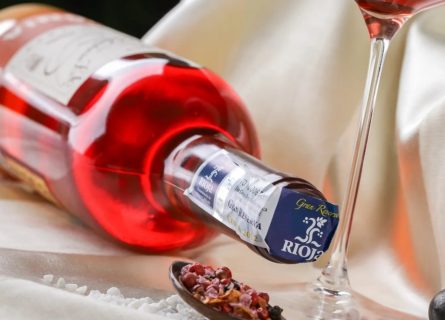
October 17, 2024
Discover the hidden gem of Spanish rosé wine! Explore the top regions, producers, and food pairings in this article.
Read article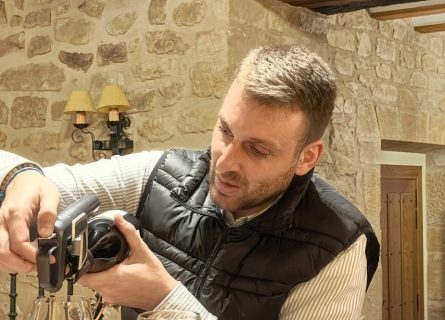
March 10, 2024
Experience exclusive Rioja wine masterclasses with Mikel Ruiz de Viñaspre in Laguardia. Dive into cult wines and Rioja's trends with an expert.
Read article