Dalmatia Wine Region Guide
Dalmatia: Ancient Vines, Island Whites, and Powerful Reds
Introduction
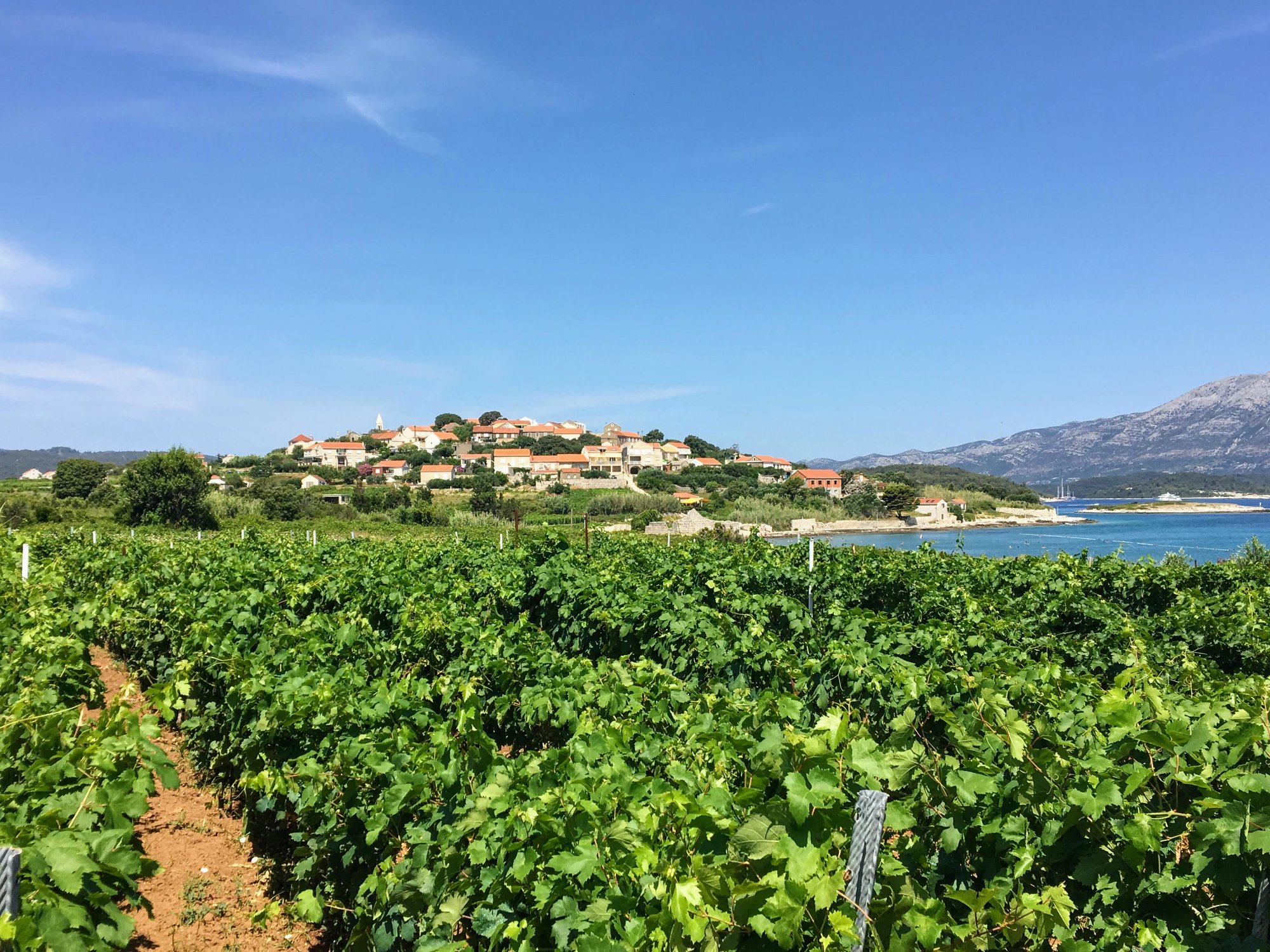
Dalmatia in Croatia offers more than scenic vistas. Its Mediterranean climate, soils, and maritime breezes support a wine industry central to local identity and economy. Vines have been cultivated here for over two millennia. Venetian influence remains visible in grape varieties and culinary traditions. Producers craft authentic wines—a testament to both indigenous varieties and contemporary innovation.
This colorful medley of flavors and textures, hitherto consumed within Croatia’s borders, is starting to find an appreciative audience abroad. The timing is perfect – wine lovers increasingly seek originality, and Dalmatia really delivers: foremost among its treasures are its native reds such as Plavac Mali, a descendant of Crljenak Kaštelanski – the very grape that gave the world Zinfandel. Its delicious wines, rich in color and vibrant fruit, are the highlight of any visit to the region. Meanwhile, the savory Babić and Posip, a sun-loving white grape imported from the island of Korcula, both thrive here. There are few wine cultures as impressive, dynamic, and surprising as that of the Dalmatian coast.
Geography and terroir
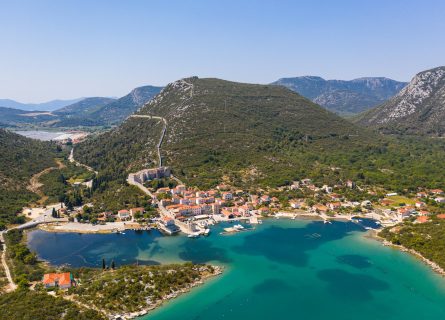
Dalmatia is a remarkable region, both geographically and geologically. Extending from the port of Zadar down to the majestic Pelješac Peninsula, it is renowned for its incredibly unspoiled Adriatic coastline, situated in the heart of the Balkans in Eastern Europe.
Understanding its unique landscape is essential, as for centuries, an interplay of maritime and mountainous influences has produced wines of verve, balance, and a certain je ne sais quoi! Local varieties – and a smattering of international styles – thrive in the area’s stone-covered valleys and limestone slopes, with sunlight and salt air delivering something that is quintessentially and unmistakably Dalmatian.
The climate? Stereo-typically Mediterranean: warm summers and mild winters, tempered by essential Adriatic breezes that cool plant canopies, encouraging healthy, low-yielding vines. Today, approximately 4,000 hectares are cultivated along the Dalmatian coast, drenched in intense sunlight from June to October. Annual rainfall, meanwhile, is quite limited and generally confined to spring and fall. It is this combination of UV light, warmth, and low moisture level that imbues Dalmatian wines – especially reds – with their signature concentration and power, while freshness is a top priority too.
The region has long been home to a large community of family growers, with vineyards averaging just a few hectares. Indeed, large-scale, corporate winemaking is largely absent from Dalmatia – mechanization is limited by the terrain, and many of the best climats (vineyard sites) are farmed by hand. In recent years, a quiet revolution has reshaped viticulture along the coast and in the interior, as producers embrace organic and sustainable practices that benefit both the environment and wine quality.
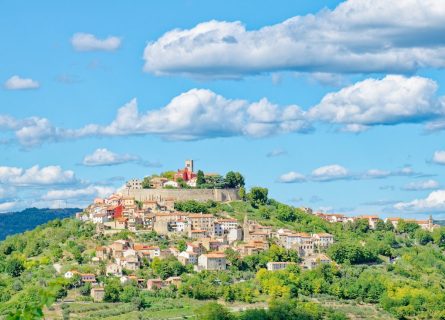
Yet many winemakers would claim that Dalmatia’s greatest asset is its geological inheritance: exceptional subsoils of limestone and dolomite, with top layers of red clay/sand and stone fragments. Distinct regional features come to the fore, as in the north, stony terraces known as bunje mark the landscape – an eye-catching part of Dalmatia’s archaeological heritage. In the south, meanwhile, steep terraces flank the Adriatic, producing savory and powerfully structured reds.
Indeed, red wines have long dominated production on the Dalmatian coast. Its star turn remains Plavac Mali, a versatile grape that features prominently in regional viticulture and reflects terroir with uncanny accuracy; the Dingač subzone is renowned for its meaty, bold expressions of the grape, while Postup tends to yield a slightly finer, aromatic interpretation. At the same time, the discovery that Crljenak Kaštelanski (“red grape from Kaštela”) is genetically identical to Zinfandel was met with great excitement in Dalmatia, particularly as it yields stupendously concentrated and vivid wines in the right conditions.
However, while red varietals dominate, the coastal plains and inland valleys also support a growing population of high-potential white grapes. Indigenous to the area, Pošip is quite possibly one of Croatia’s finest dry whites: full-bodied and pleasingly saline. Like another local gem, Debit, it shines at the dinner table when seafood and fresh oysters are being served.
Despite rising competition from Istria, Dalmatia remains a vital part of Croatia’s viticultural landscape. It produces wines that could only come from here.
Winemaking and regional classifications
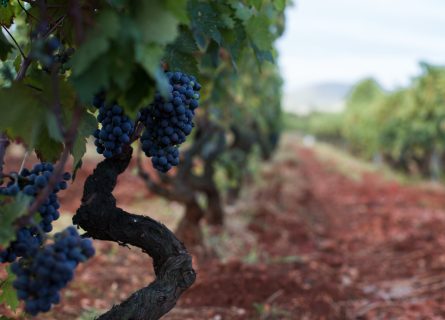
The Dalmatian Coast is an area of outstanding beauty and strong cultural identity – a region forged by rugged landscapes, turbulent history, and splendid native varieties. Turning to the winemaking itself, despite its image as the land of sun-kissed reds, there is real diversity in Dalmatia today, exemplified by the growth in saline dry whites, aromatic rosé, and a small volume of sparkling. Applying precision winemaking to exceptional raw materials – vines cling to stony terraces carved into limestone – producers are able to coax great depth and energy out of red and white grapes.
Nevertheless, Dalmatia does have a totem, and that grape is Plavac Mali. This small blue variety, hardly known outside of Croatia, has become synonymous with the nation’s viticultural soul. A direct descendant of Zinfandel (Primitivo), it thrives in the sun-baked terraces of the Pelješac Peninsula, yielding intense red wines of captivating power.
In the 20th century, however, Plavac Mali could be difficult to enjoy – rustic winemaking produced alcoholic and tannic monoliths, devoid of freshness or finesse. But in recent years, younger generations have embraced gentler extractions and the use of large, neutral barrels (botti in Italian) to tame the grape’s natural intensity.
Frano Milos, a small producer located at the heart of the Peljesac peninsula, has become a poster boy for this growing movement. His multi-award-winning wines are a benchmark for transparent, artisanal Plavac Mali. Working organically on vertiginous, dry-farmed slopes, Milos is an advocate of minimal intervention and slow, oxidative aging in neutral wood, bottling wines unfiltered and with low levels of sulfur. He has no time for heavy extraction or new oak, regarding both as detrimental to the expression of Plavac Mali’s terroir character.
The production of his iconic label, Stagnum, strictly adheres to this philosophy. Hand-harvested berries are fermented in open vats with natural yeast strains, often with a mix of whole clusters and crushed berries, depending on the vintage and cuvée. Controlled oxygen ingress is encouraged during vinification (sulfur is only added at bottling), and the wines mature for at least 2 years (potentially 4 or more) in large oak barrels, aiding the evolution of phenolics (especially tannins) and enhancing aging potential. This shows intelligence and nuance: Plavac Mali is a naturally tannic grape, and therefore slow oxidation is invaluable in softening its occasionally overbearing structure – much like Barolo.
In bottle, Stagnum reveals wild herbs, dried fig, and tobacco on the nose, supported by a firm (but ripe) tannin spine and a lingering, mineral-driven finish. Sommeliers demand red wines like these: energetic and yet graceful; age-worthy and yet approachable. In a small corner of the Adriatic, Frano Milos has tamed Plavac Mali – and shown it can roar with elegance, rather than simply brute power.
Facts & Figures
-
Key wine styles
- Full-bodied red wines
- Fresh, mineral-driven whites
-
Appellation structure
- PDO (Protected Designation of Origin)
-
Hectares under vine
- Approximately 4,000
-
Average annual production
200,000 hectoliters per annum
-
Approximate number of producers
300 wineries
Key Grape Varietals
-
Red grape -
Red grape Crljenak Kaštelansk
Croatia’s original Zinfandel: juicy, spicy, sun-filled, and usually drier than California Zin. -
Red grape Plavac Mali
Dalmatia’s bold red: dark fruit, firm tannins, warmth, and seaside spice. -
White grape Debit
A fresh Dalmatian white with citrus, herbs, sea breeze, and an easy, dry finish. -
White grape Grk
A rare Korčula white: dry, textured, salty, and full of citrus and stone fruit. -
White grape
Pinot Gris
Pinot Gris is a white-wine grape variety originally from Burgundy. It is thought to be a mutant clone of Pinot Noir. View grape -
White grape Pošip
A fuller Dalmatian white: peachy, rich, fresh, and excellent with seafood. -
White grape Vugava
Rare Dalmatian white grape from Vis, giving rich, textured wines with ripe stone fruit, citrus, herbs, and a salty Mediterranean finish.
Dalmatian gastronomy
Seasoned travelers will tell you that nothing compares to experiencing Dalmatia on a plate. They’re right: local gastronomy, simple yet incredibly exciting, offers a myriad of flavors and textures – the result of centuries of maritime trade and divergent cultural influences. At dawn, eager chefs visit their local harbor, ready to inspect the catch of the day that will inevitably include sardines, prawns, langoustines, and squid. In the warmer months, seafood is often grilled over charcoal, drizzled with lemon, salt, and rosemary, and served immediately to preserve its flavor intensity. Such experiences are an essential part of any trip to Dalmatia’s islands, where chilled Posip and grilled prawns are a mouthwatering combination. It captures the region’s maritime soul with brilliant, unpretentious directness.
Further inland, however, the cooking shifts to hearty meat dishes, exemplified by Pasticada – beef braised in wine, prunes, and wild herbs – or mountain lamb grilled over vine embers. Like its wines, Dalmatian cuisine is about harmony rather than showy technique. The quality of garden produce, olive oil, cheese, and local cured hams is no equal in Croatia today. In Dalmatia, meal times always unfold slowly, in tune with the relaxed pace of family life.
Author