Croatia Wine Regions Guide
Guides: Croatia Wine Regions
Introduction
Croatia is a séductrice: a tourist magnet since the days of Holy Roman Emperors and Venetian Doges. The nation, situated in the central Balkans, has produced wine for centuries, as producers took full advantage of Croatia’s diverse topography and patchwork of distinct terroirs. Yet, for much of the 20th century, Croatia’s viticultural reputation languished in obscurity – subsumed into the mediocrity that defined much of Yugoslav winemaking.
But things change. Today, approximately 21,000 hectares are under vine, planted in some of Europe’s most spectacular landscapes. As a newly independent nation in the 1990s, Croatia benefited enormously from globalization, EU investment, and an influx of young talent that had honed their skills working in France, Germany, and Italy. The effect was almost instantaneous: cooperatives were joined by family-owned wineries, rather than large corporations. Meanwhile, new PGI designations have been springing up like wild mushrooms – the country now boasts over 55 appellations and numerous important wine regions. The rebirth continues apace.
Yet Croatia has not succumbed to the temptation of easy money. Native varieties, above all Malvazija, Teran, Plavac Mali, Debit and Graševina, thrive alongside Chardonnay and Merlot – an obligatory part of the commercial mix. Significant improvements in land management – viticulture is increasingly organic or sustainable – combined with ongoing investment, are positioning Croatia as a real competitor to Slovenia to the north. From the idyllic island of Hvar to the limestone slopes of Istria, there is little that does not quicken the pulse in this magnificent country. The only question is: what comes next?
History
Croatia’s wine heritage has been shaped by geopolitics as much as topography and climate – a succession of Mediterranean and Central European powers have left an indelible mark on its viticulture. In the pre-Roman era, Illyrian tribes planted vines in the fertile soils of Dalmatia, long before the Greeks established their colonies on Vis and Korcula in the 4th century BC. Yet establish them they did – modern Croatian viticulture owes much to the Greeks’ choice of grape varieties. Nevertheless, it was the Romans who truly formalized a winemaking culture in this part of the Balkans, expanding the area under vine across Pannonia, Dalmatia, and Istria; remnants of their terraces can still be observed in Adriatic hillsides.
However, the collapse of the Western Roman Empire in 476 AD had a profound impact on Eastern Europe. In the aftermath of the chaos, Dalmatian ports and islands became territories of the Eastern Roman (Byzantine) Empire, while inland territories squabbled among themselves. In tandem with much of Europe, the church took an active role in winegrowing during the medieval period – monasteries produced wine for both ecclesiastical and commercial purposes. In the latter Middle Ages, the Venetian Republic controlled most of the Adriatic Coast, including Istria and Dalmatia – prime viticultural real estate. It is due to their influence that producers built up a thriving industry, supplying sweet and fortified wines for the Doges of Venice and their court. Malvazija (a Croatian variant of Malvasia) played no small part in this enterprise – it remains one of the key white varieties of Istria today. Meanwhile, Croatia’s inland territories fell under the jurisdiction of the Habsburg crown.
By the 19th century, Croatian wines were justly celebrated across Europe, not least because so many other European vineyards had been devastated by phylloxera. Unfortunately, this destructive louse arrived in the country in 1874 on the Dalmatian coast. As a result, large swathes of vineyards were abandoned before a regrafting program was instigated in the early 20th century. Without the aid of American rootstocks, many indigenous Croatian varieties would have been lost forever.
The 20th century brought more political upheaval: the formation of the Socialist Federal Republic of Yugoslavia and its state-owned planned economy was a disaster for the wine industry. Industrial-grade agriculture saw the end of quality and diversity: cooperatives produced vast quantities of plonk, which became emblematic of regional production.
Yet the declaration of independence in 1991 led to a series of dramatic reforms. Most important of these was the end of centralized quotas and the rise of private enterprise. This encouraged innovation, investment, and experimentation, empowering growers to rediscover old varieties and ancient terroirs.
Meanwhile, much-needed EU funds helped to transform infrastructure and improve outmoded farming practices. As a result, Croatian wine is now being taken seriously by buyers, sommeliers, and other key stakeholders. It’s long overdue.
Geography and terroir
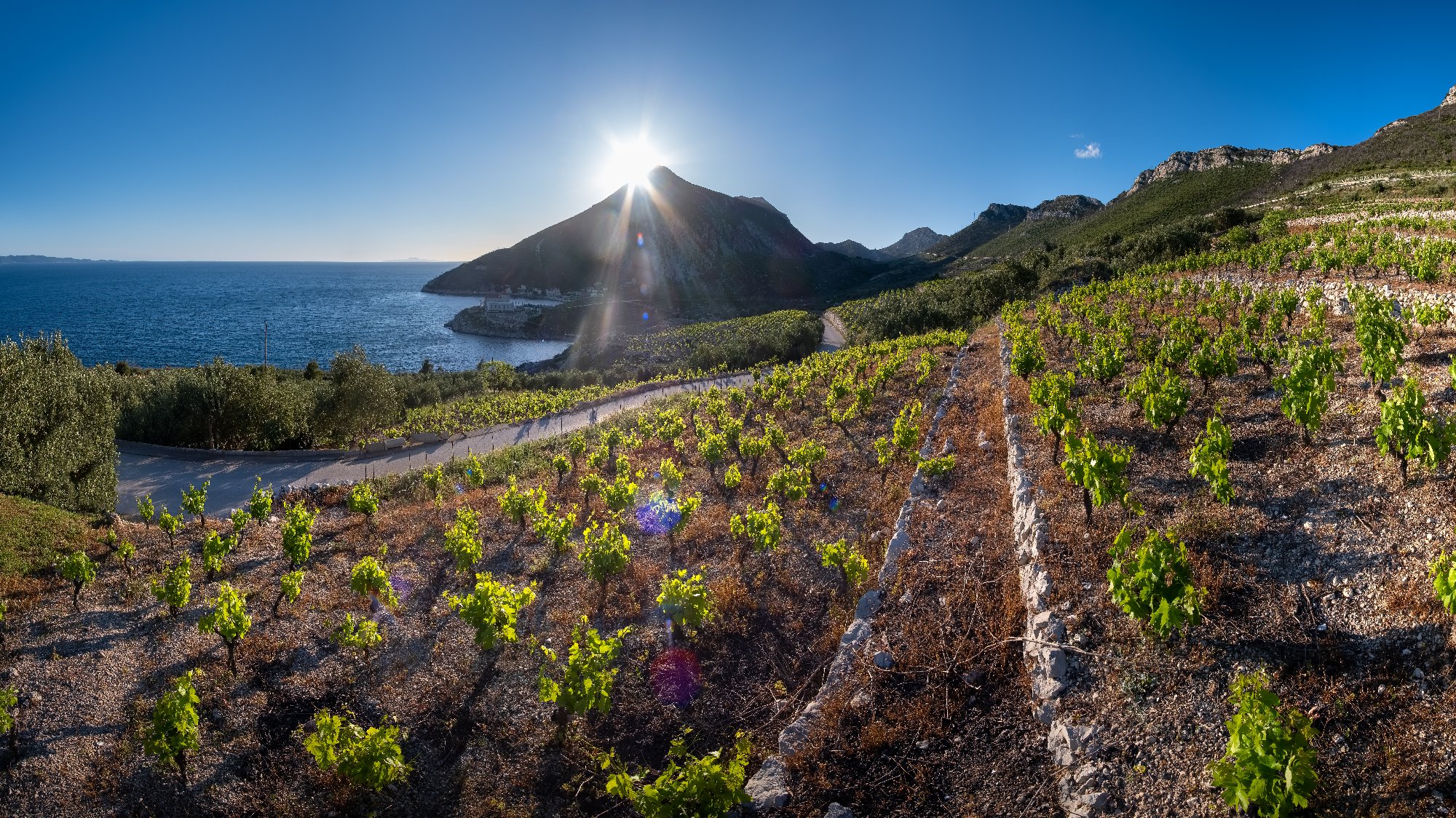
Let there be no doubt: Croatia is an exceptional place to make wine. Stretching along the eastern Adriatic in the Balkans, its magnificent coastline is over 6,000 kilometers long if you include Croatia’s 1,000-plus islands – a bridge between Mediterranean culture and culturally distinct Eastern Europe. Since the pre-Roman era, vines have been cultivated both inland and along the coastline, thriving in Croatia’s limestone soils and indeed in the fertile – occasionally too fertile – plains that border Hungary and Serbia to the east. Today, most travelers (we don’t blame them) ignore the interior in favor of the Dalmatian islands and the Istrian Peninsula. But while there is much to recommend in beaches and ancient villages, this is the tip of a very large iceberg. Croatia’s wine heritage is about far more than looking good – it’s rooted in diverse landscapes, ancient varieties, and proud traditions.
Today, approximately 21,000 hectares are under vine in Croatia, with production dominated by family growers and cooperatives rather than large firms. Indeed, ownership is highly fragmented: many families literally cultivate a few rows in their gardens for personal use, while 93% of growers own around 1 hectare of vines. Indigenous grape varieties rule the roost in Croatia, ranging from crisp, mineral-driven Graševina to structured and oak-aged Plavac Mali – the country’s star red grape. Closely related to California’s Zinfandel, this singular grape thrives in the intense sunlight of Dalmatia, producing concentrated wines with notes of spice, dark fruit, and lip-smacking salinity. The range of styles made in this fascinating country is simply astonishing.
But how is this possible? The simple answer is diversity: for a relatively small nation, Croatia showcases striking regional contrasts. The country is effectively divided by the Dinaric Alps, the spectacular mountain range that follows the coast, endowing Croatia with an enviable patchwork of terroirs – elevation, soil, and exposure all vary dramatically. For high-volume production, the fertile valleys of inland Croatia, especially Slavonia and the Danube, are rich in deep loam and alluvial soils; however, yields can be excessive unless the grower maintains a vigilant approach.
Nevertheless, it is difficult to generalize about the best producers in Slavonia, harnessing the advantages of a continental climate, as they fashion high-quality wines that showcase vivid fruit flavors.
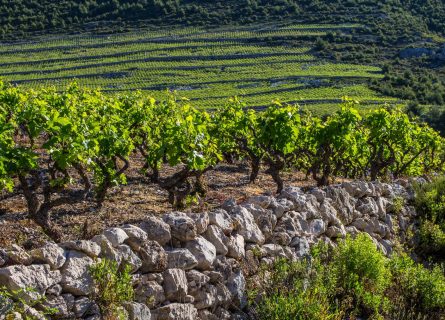
In dramatic contrast, the Dalmatian coast (southern Croatia) and islands such as Hvar showcase vertiginous, sun-kissed vineyards cultivated on calcareous and rocky terraces, overlooking the Adriatic. Under such conditions, mechanization is impossible and labor expensive – the wines are among the finest being made in Croatia today.
This broad palette of styles, including a generous selection of high-acid, aromatic dry whites, may seem counterintuitive. After all, coastal terroirs enjoy a quintessentially Mediterranean climate, with warm, dry summers and mild winters – hardly conducive to freshness and balance. So how is this possible?
The answer is elevation and maritime influences – both vital to maintaining freshness. The most favored vineyards of the Adriatic, for example, receive welcome gusts of cooling sea breezes, while higher altitudes experience diurnal temperature variation, slowing vine metabolism and preserving acidity. The most famous meteorological phenomenon is the bura wind of Dalmatia , which moderates the intense heat and humidity of summer and, into the bargain, reduces disease pressure. When vines are grown on cold limestone terroirs – loam, clay, and gravel are also found – combined with this favorable mesoclimate, the results can be spectacular.
Croatia has become very adept at defying expectations in the 21st century. It is a small country with an impressive breadth and depth of vinous offer; a relatively young nation that can boast centuries of viticultural history. Its scale, terroirs, and sheer originality have few equals in the Balkans today.
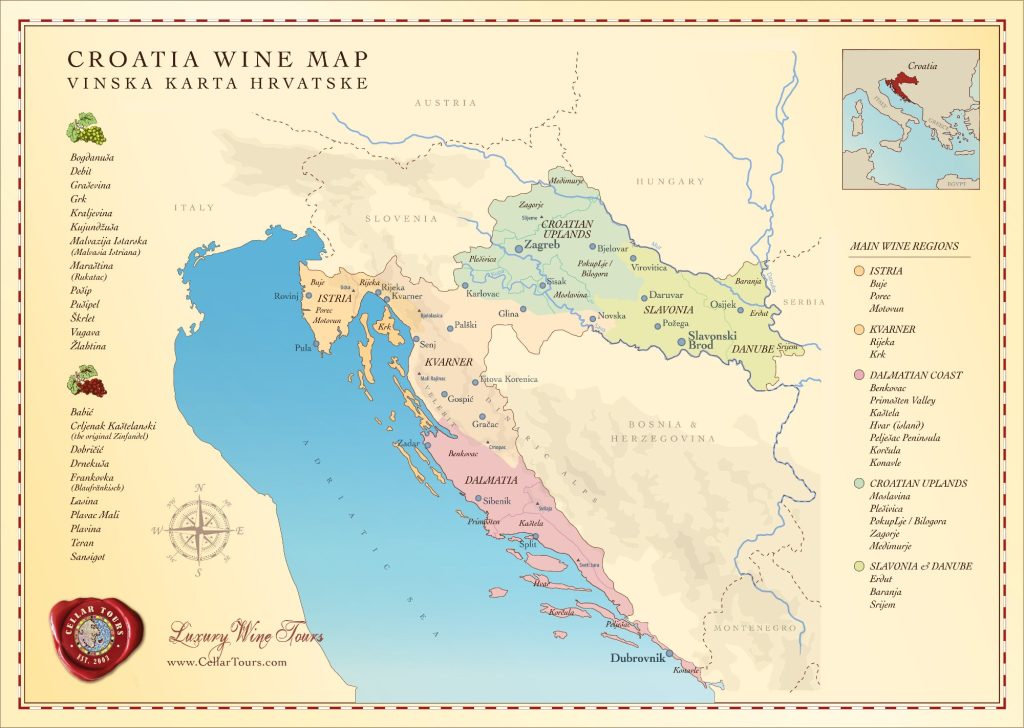
Winemaking and regional classifications
Croatia has undergone a remarkable transformation over the past 25 years, shifting from a largely cooperative production model to one of Europe’s most promising sources of fine wine. Overshadowed by its neighbors for most of the 20th century, Croatia is a wine country reborn. Yet its renaissance is a product of both geopolitical and viticultural factors: the fall of Yugoslavia in the 1990s temporarily stifled production as capital, modern quipment, and expertise were in short supply.
That all changed following Croatia’s accession to the EU in 2013, coupled with the energy and passion injected from the post-Yugoslav generation. Today, the nation’s wine culture is driven by innovation and confidence – a potent fusion of tradition and modernity.
The results can be tasted in wine bars across the country. From saline, aromatic dry whites to luscious sweet wines, bottles tell the story of a land shaped by both the Mediterranean and the Danube. Key wine-producing regions include Istria and Kvarner, the Croatian uplands, Slavonia and Podunavlje, and Zagora. Indigenous grapes such as Malvasia, Plavac Mali, and Kraljevina (don’t even try to pronounce it!) have reclaimed center stage, joined by a small volume of international varieties – Syrah can do well here. Approaches, attitudes, and philosophies, of course, vary, and yet there is an underlying thread that binds Croatian wine together: old-world sensibility updated through modern winemaking techniques. Exploiting its wonderfully diverse topography with all the gusto of a first-year oenology student, Croatia’s new era has dawned.
Key regions
Istria/Kvarner
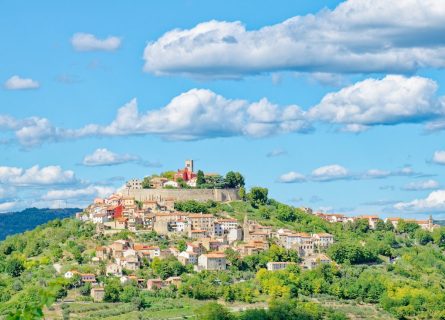
The most northerly coastal region, Istria, is the country’s leading producer of Malvasia. Known locally as Malvazija Istarska, it produces gloriously concentrated white wines, celebrated for their bouquet of honeysuckle and stone fruit. Vines are cultivated in a very attractive facsimile of Tuscany – a sea of rolling hills, olive groves, and hilltop villages, minus the tourists. The area is also blessed with very favorable terroir: terra rossa soils (red clay) that yield aromatic whites and supple reds, often based on the local Teran and occasionally blended with Merlot. Istria also benefits from a relatively temperate Mediterranean climate, moderated by Adriatic breezes.
Just south of Istria lies the Kvarner Gulf, home to the delicious Žlahtina grown on the beautiful island of Krk. It flourishes in the island’s limestone soils, producing a small volume of exceptional white wines. Nevertheless, they have developed a cult following among Croatian sommeliers who prize their purity and sense of place.
Dalmatian coast
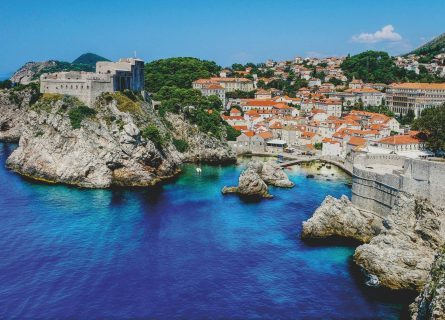
The beautiful Dalmatian coast, with its turquoise waters and hundreds of islands, is understandably Croatia’s most popular tourist region. Stretching from Zadar to Dubrovnik, it boasts a myriad of diverse terroirs, squeezed between the Dinaric Alps and the Adriatic. Here, a combination of warm Mediterranean climate (tempered by maritime winds), varied exposures, and exceptional soils yields mineral-driven whites and full-bodied, powerful reds. Plavac Mali is the region’s star grape, responsible for some very fine and robust red wines, expressive in their intense bouquet of black fruit and spice. Yet in light of climate change, many producers are wary of excessive alcohol, toning down the extractions and employing cool fermentations to maintain freshness and balance. Meanwhile, the elegant and stylish Babić thrives on stony terroir near Šibenik. The potential for fine wine production on the Dalmatian coast is unprecedented.
Commercially, however, it is the dry whites of Dalmatia that are generating the most excitement and interest. In the subzones of Šibenik and Split, producers are fashioning very on-trend, mineral-driven styles, increasingly based on organic grapes and sustainable farming practices. Their goal is to restore dignity to a region once dismissed as a source of mediocrity and bulk wine. So far, they’ve enjoyed considerable success.
Croatian uplands
The mountainous Croatian uplands, centered around the capital Zagreb, form the nation’s premier cool-climate zone. Its landscape, punctuated by rolling hills and forested ridges, produces some very refined whites, including dessert wines based on the Škrlet grape. Yet international grape varieties have a reasonably strong following in the vineyards of inland Croatia, including Welschriesling, Sauvignon Blanc, Pinot Gris, and Riesling. They come in a range of guises that encompass taut and mineral to richly textured, and everything in between.
There is also a proud tradition of sparkling wine production in the Croatian uplands. The best of these traditional method cuvées can rival top examples from neighboring Slovenia, notable for their intense aromatics and bold freshness. An elegant and welcome contrast to the power of Croatian reds.
Slavonia and Podunavlje
Croatia’s leading continental vineyard lies far inland, north and east of the Dinaric Alps, extending toward the Hungarian border. A vast expanse of fertile plains that include majestic oak forests, it is the country’s most extensive and warmest wine region. It is widely planted to Welschriesling, also known as Graševina. It can achieve a remarkable balance of ripeness and acidity in Slavonia, producing wines that range from light and crisp to opulently honeyed late-harvest styles. Viticulturists believe that Welschriesling may be indigenous to the Danube basin, and some astounding wines are being made in the subzones of Baranja and Ilok. However, international styles provide essential revenue in global markets – Chardonnay, Gewurztraminer, and Riesling are increasingly found in local vineyards.
Zagora/Imotski
Zagora and the Imotski Valley are Instagram sensations waiting to be discovered. Both regions are found inland from the Dalmatian coast, producing a great deal of exceptional wine from nonetheless very obscure varieties, including the difficult-to-pronounce Kujundžuša and Trnjak. Benefiting from high elevation, top climats are planted on steep terraces – the vines are often exposed to intense sunlight and yet brisk winds. Historically associated with rustic table wines designed for local consumption, both Zagora and the Imotski Valley have seen considerable investment, boosting both quality and confidence. These are regions to watch.
Dalmatian islands
A perennial tourist favorite, Hvar and its neighboring islands have a natural talent for growing the Malvasia grape, in addition to aromatic Vugava and the difficult- to-pronounce Bogdanuša. On Hvar, one of the sunniest destinations in Europe, vines cling precariously to terraced slopes overlooking the Adriatic below. Meanwhile, the best producers have been experimenting with skin contact and amphora maturation, emphasizing the unique textures and aromatics of local gems like Prk and Mekuja. A revival in island winemaking occurred after the late Miljenko ‘Mike’ Grgich – founder of Grgich Hills in Napa Valley – returned to Dalmatia in the 1990s, helping to popularize Hvar and its magnificent wines in the US.
Facts & Figures
-
Key wine styles
- Crisp and mineral-driven whites.
- Structured red wines.
- Dessert wines.
- A small but growing volume of sparkling.
-
Appellation structure
- Four key geographical regions
- 12 subregions
- PDO and PGI designations
-
Hectares under vine
21,000
-
Average annual production
650,000 hectoliters per annum
-
Approximate number of producers
1600 commercial producers
Main Wine Regions
-
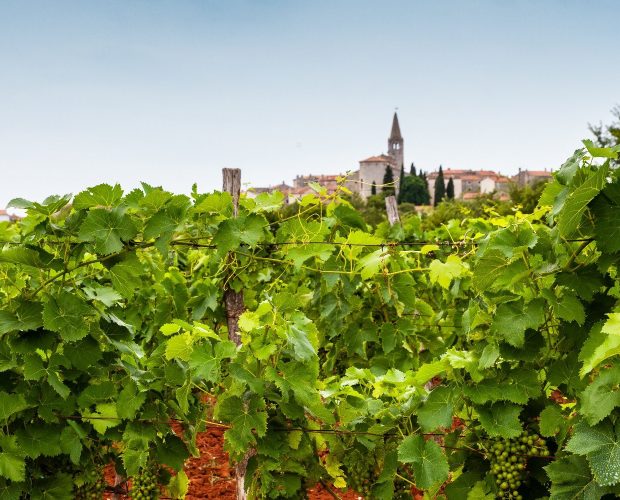
Istria & Kvarner Wine Regions Guide
Delve into the Istria and Kvarner Wine Regions. Find fascinating facts and charming towns to enhance your wine journey. Explore region -
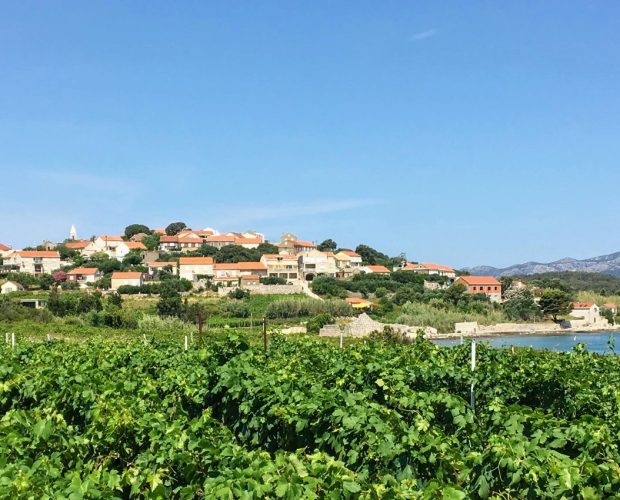
Dalmatia Wine Region Guide
Dive into the dalmatian coast wine region and learn about its famous grape varietals and nearby charming cities. Explore region -
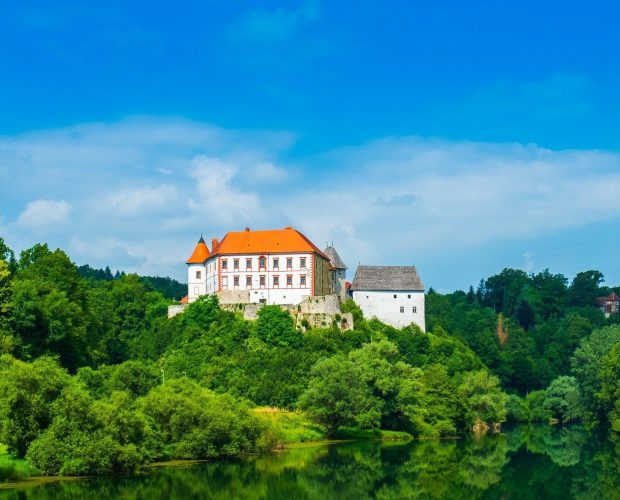
Croatian Uplands Wine Region Guide
Explore the Croatian Uplands Wine Region, where cool-climate wines from talented winemakers offer freshness and precision. Explore region -
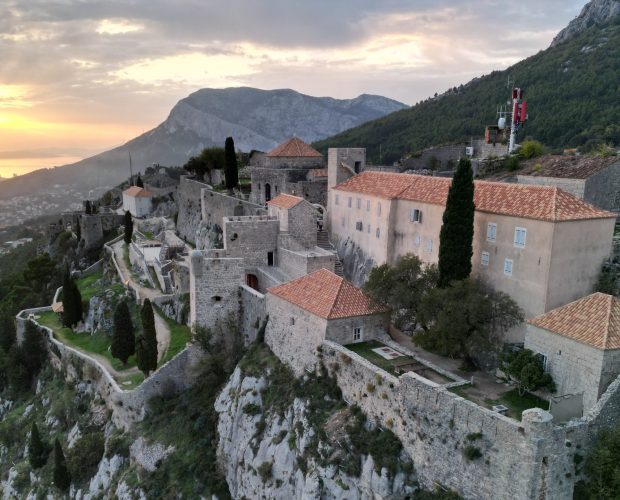
Dalmatinska Zagora Wine Region Guide
Dalmatinska Zagora wine region guide, covering native Croatian grape varieties, boutique wineries, historic towns, and scenic inland landscapes. Explore region -
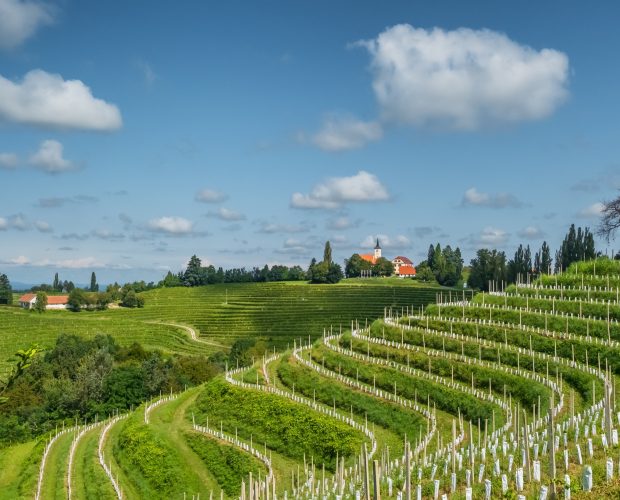
Slavonia Wine Region Guide
Visit the Slavonia Wine Region for a genuine taste of Croatia, highlighting its unique craftsmanship and diverse wine offerings. Explore region -
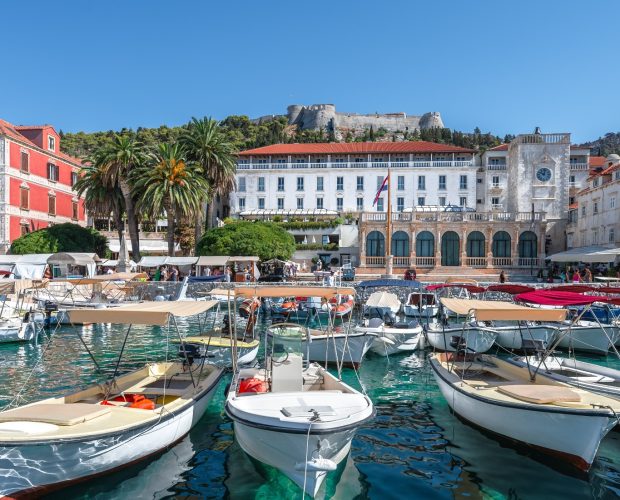
Hvar Wine Region Guide
Explore the Hvar Wine Region Guide to discover ancient vineyards, premium wines, and the charm of this Adriatic paradise. Explore region
Key Grape Varietals
-
Red grape -
Red grape Crljenak Kaštelanski (Zinfandel)
Croatia’s original Zinfandel: juicy, spicy, sun-filled, and usually drier than California Zin. -
Red grape Frankovka (Blaufränkisch)
A bright, lively red with cherry, pepper, freshness, and easy food-friendly charm. -
Red grape Lasina
A softer Dalmatian red with red berries, herbs, gentle tannins, and a relaxed feel. -
Red grape Plavac Mali
Dalmatia’s bold red: dark fruit, firm tannins, warmth, and seaside spice. -
Red grape Portugizac
A light, cheerful red made for drinking young, slightly chilled, and without fuss. -
Red grape Teran
Istria’s punchy red: dark, tangy, earthy, and full of fresh bite. -
Red grape Trnjak
A rare red with dark fruit, herbs, spice, and a slightly wild edge. -
Red grape Vranac
A deep, bold Balkan red with black fruit, spice, and plenty of grip. -
White grape Debit
A fresh Dalmatian white with citrus, herbs, sea breeze, and an easy, dry finish. -
White grape Graševina / Welschriesling
Croatia’s everyday white hero: crisp, apple-scented, lightly floral, and very food-friendly. -
White grape Grk
A rare Korčula white: dry, textured, salty, and full of citrus and stone fruit. -
White grape Kraljevina
A light, cheerful continental white with gentle fruit, freshness, and simple charm. -
White grape Malvazija
Istria’s signature white: fragrant, rounded, fresh, and often touched with herbs and almond. -
White grape Maraština
A Mediterranean white with ripe stone fruit, herbs, soft texture, and a sunny feel. -
White grape Pošip
A fuller Dalmatian white: peachy, rich, fresh, and excellent with seafood. -
White grape Škrlet
A bright, delicate white with citrus, flowers, and a clean, refreshing finish. -
White grape Traminac / Gewürztraminer
An aromatic white with rose, lychee, spice, and a rich, perfumed style. -
White grape Žlahtina
A light island white from Krk: crisp, citrusy, gentle, and made for seafood.
Croatian gastronomy
From the idyllic Adriatic coastline to the fertile plains of Slavonia, Croatian gastronomy is a melting pot of ideas, history, and geographical influences – a convergence of Mediterranean, Central European, and Balkan traditions.
And, much like their Italian neighbors across the Adriatic, Croatians regard food and drink as pivotal to a rich social and cultural life. Residents laugh at the idea that dinner simply provides fuel; it brings people together and fosters life-long bonds from dawn to dusk. For your education, we recommend diving headfirst into a typical weekend market, where aromatic truffles from Istria, cured ham from Dalmatia, and tangy sheep’s cheese from Pag island fill the space with intoxicating sights and aromas. They are ubiquitous all over the country – and a true joy to behold.
But what truly motivates all resident gastronomes, from the passionate, amateur foodie to the Michelin-starred chef, is seasonality and authenticity. Some regional classics include black risotto cooked in cuttlefish ink, grilled sea bream drizzled with lemon and dill, and the very Austrian-influenced schnitzel, stuffed to the brim with ham and cheese. Dining out in Croatia is rarely a quotidian experience. Like locals, you’re here to savor tradition and geography on every plate. Otherwise, what’s the point of being here?
Recommended Wineries
Istria/Kvarner 10 wineries
Dalmatian Coast 10 wineries
Croatian uplands 1 winery
Zagora/Imotski 1 winery
Island regions 4 wineries
Author