Navarra Wine Region Guide
Garnacha, rosé and Chardonnay across five contrasting winegrowing zones.
Introduction
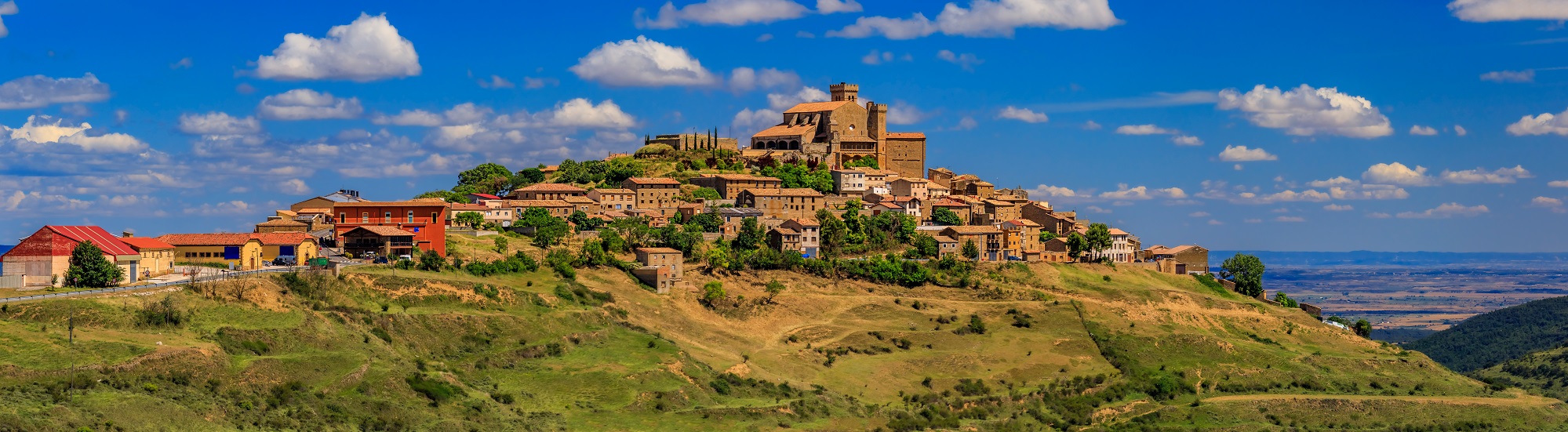
With all the excitement concerning Rioja and Ribera del Duero, Navarra’s superlative red and white wines are sometimes unwisely overlooked. Indeed, while the vast majority of oenophiles could name at least five Riojan bodegas at the drop of a hat, turning our attention to Navarra would undoubtedly present a greater challenge. Yet this is the world’s loss, for Navarra is one of the great unsung heroes of Spanish winemaking, offering excellence and astonishing value in equal measure.
However, there are tentative signs that the international community is taking these diverse wines more seriously. For one thing, outside investors have caught a whiff of the area’s enormous potential, not least the Artadi family, who own a brilliant label called Artazu. Pago de Larrainzar, meanwhile, is a glamorous star in this up-and-coming region; Bodegas Chivite continues to make a range of excellent wines based on a judicious mix of indigenous and international varieties. So, there is no doubt that Navarra has spent far too long in Rioja’s shadow. It’s time for the region to stand proud and share its fantastic story.
Discover more about Spanish Wine
History
This ancient land has a long history of viticulture. In the 2nd century BC, the Romans were already making wine in Navarra, as the remains of ancient bodegas and amphorae attest.
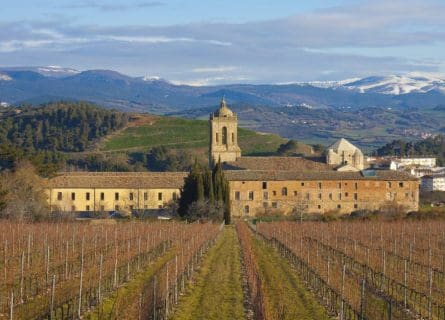
Yet the decline of Roman rule did not end winegrowing. Under Moorish rule, vineyards continued to spread, while monasteries established in the 9th and 10th centuries further boosted viticulture.
Monasteries and the Medieval Wine Trade
Winegrowing became a vital part of Navarra’s economic and cultural life—pilgrims traveling the Camino de Santiago route, in particular, held Navarra’s wines in high regard during the Middle Ages. The monasteries also played an important role in improving winemaking techniques and introducing new grape varieties.
By the 14th century, Navarra had become an important wine producer and exporter. Indeed, in the following century, vineyards expanded so rapidly that the authorities eventually had to restrict further planting to ensure sufficient land remained for growing cereals.
The 19th century brought another major expansion, as phylloxera devastated vineyards in France, and demand for Navarra’s wines soared.
Sadly, phylloxera’s arrival at the end of the 19th century devastated most of Navarra’s vineyards, killing over 90% of the region’s vines. Yet all was not lost, and at the beginning of the 20th century, like most of Europe, growers replanted their vines on phylloxera-resistant American rootstocks.
Co-operative wineries subsequently became an important part of Navarra’s wine industry, while Garnacha-based rosé became the region’s most familiar calling card. Navarra received official DO recognition in 1933, although much of the 20th century was still dominated by inexpensive, everyday wines.
Modern Revival and Transformation
Its modern transformation began relatively recently in the 1980s, when winemakers adopted a new approach, bringing a more international outlook and fresh ideas to Navarra’s wines. Chardonnay, Cabernet Sauvignon, and Merlot joined the traditional varieties, while new investment in vineyards and cellars helped improve quality.
The next generation – winemakers such as Adriana Ochoa of Bodegas Ochoa – has continued to drive improvements in wine quality. Once derided (justifiably) as a region of cheap jug wine, Navarra is now proving it can make characterful, terroir-driven wines at highly competitive prices.
Geography and terroir
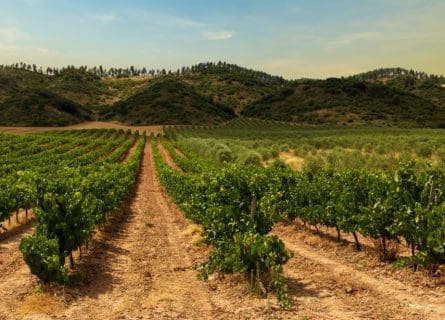
Navarra’s vineyards are in northeastern Spain, a beautiful and undulating region bordering the Basque Country, Rioja, and Aragon. Indeed, Navarra is a paradise for outdoor enthusiasts: the Pyrenees offer skiing in winter and climbing, hiking, and canoeing the rest of the year.
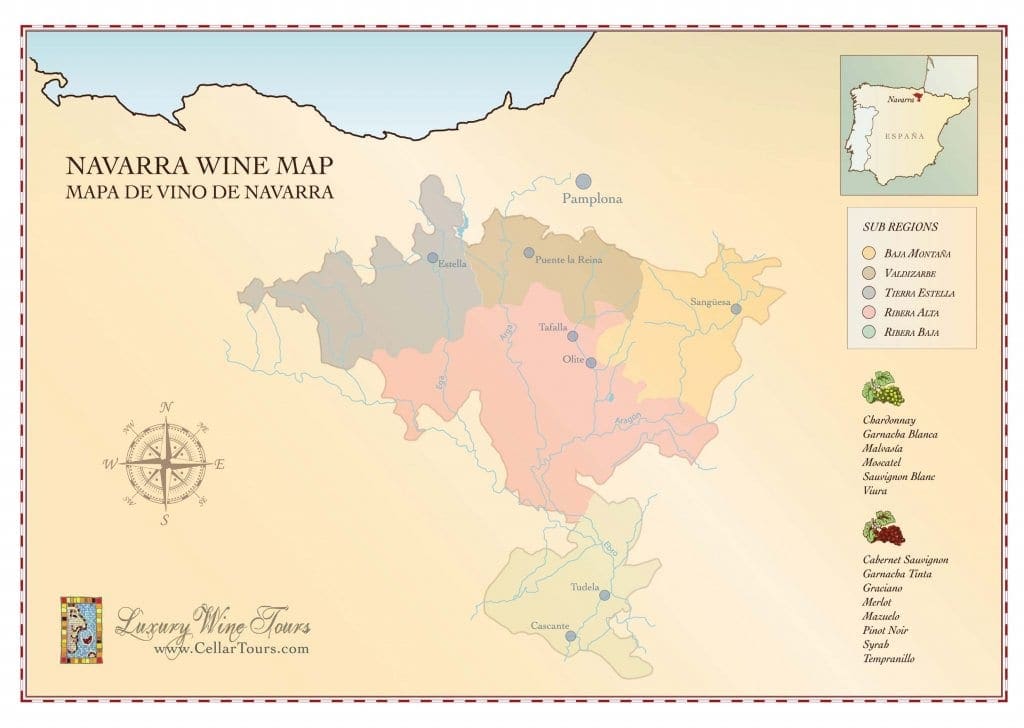
It is also one of the most heterogeneous vineyards in northern Spain, with marked differences in soil, mesoclimate, and elevation. The vineyards of DO Navarra are spread over five subregions: Tierra Estella, Valdizarbe, Baja Montaña, Ribera Alta, and Ribera Baja.
If you visit Navarra, it soon becomes apparent that there is a great deal of difference between the hot, dry, and flat Ribera Baja and Ribera Alta subzones in the south and the less-planted, cooler terroirs of the north. Bathed in endless sunlight, Ribera Alta’s warm conditions are well suited to Garnacha and Syrah. Ribera Baja serves as another Garnacha hotspot, particularly around Fitero, where the poorer soils can produce some excellent wines.
Unique Climate and Soil Variations of Northern Navarra
However, Tierra Estella, Valdizarbe, and Baja Montaña represent a whole other world; a baking-hot day in the south can be relatively cool in the mountainous north, closer to the Atlantic. Moreover, this part of Navarra is far wider than the southern section – the western fringes are within striking distance of Rioja’s capital Logroño.
Like Rioja, northern Navarra’s altitude can delay ripening, particularly for varieties such as Cabernet Sauvignon, although much depends on the vineyard and the growing season. In terms of soils, clay and limestone are the norm here, in addition to alluvial matter and some metamorphic rock. Site selection, as elsewhere, is of paramount importance in Navarra.
Planning a Wine Tour in Navarra
Navarra looks agreeably compact on a map, but the vineyards are scattered across five markedly different zones. Olite is the sensible base for exploring the central vineyards, while Pamplona offers a wider choice of hotels and restaurants, approximately 40 minutes away by road. Two serious winery visits in a day are generally plenty, particularly if lunch is involved. Cellar Tours can arrange private appointments, a chauffeured car and lunch, whether Navarra is the main event or part of a longer journey through northern Spain.
Planning resources
Winemaking and regional classifications
Getting to grips with Navarra’s classification framework is not quite as easy as it first appears. Navarra DO covers the production of white, red, and rosé wines across five subregions. However, the wider autonomous community also includes vineyards classified under Rioja DOCa and Cava DO, in addition to five separate Vino de Pago designations. The drive to improve quality and, more importantly, to express the nuances of Navarra’s eclectic terroirs is occurring across the region.
The 2026 vintage brings another development. Navarra DO has introduced the ‘Vino de Pueblo’ and ‘Rosado Tradición’ mentions, recognising wines from individual municipalities and traditional Garnacha rosé made by the saignée method.
For most of the 20th century, growers in Navarra’s vineyards dedicated themselves to producing a great deal of Grenache, which they used to make potent reds and luscious rosé. It was a wise decision: Garnacha shines in Navarra’s calcareous soils, yielding perfumed wines with bright fruit and irresistibly crunchy acidity.
The best bottles, such as Gran Feudo Viñas Viejas Reserva, a blend of Garnacha and Tempranillo from old vineyards, offer deep complexity and a profound sense of place.
Diversity and Evolution
However, that is not to suggest that Navarra is a one-trick pony. Far from it – growers in the region plant a large cross-section of Spanish and international varieties, including Tempranillo, Cabernet Sauvignon, Merlot, Graciano, Viura, Malvasía, and Chardonnay. Winemakers produce some of Spain’s finest Chardonnay here: structured and refined with the opulence of Premier Cru Meursault. Of course, not every wine made in Navarra electrifies the palate – sizable co-operatives still account for much of the region’s pedestrian output.
But the number of world-class bottles is constantly growing as businesses realize that the future of cheap plonk is dwindling as Western consumers embrace the mantra of ‘drinking less but better.’ The most critically-lauded wines of Navarra share a few strands of common DNA, despite the variety of grapes planted in the region, namely finesse, elegance, an ability to age, and the sense that it could only have been produced in Navarra.
The lowdown

What does a typical wine from Navarra smell and taste like? That’s a challenging question; the region sets its stall on diversity rather than producing one signature wine style like Chablis or Cava. As a result, Navarra can offer everything from Tempranillo-based reds with more than a whiff of Rioja about them (often at lower prices) to oak-infused Chardonnays reminiscent of top Burgundy. Indeed, Navarra’s astonishing diversity makes it unique in Spanish winemaking, and some superb value wines can be found across this complex and varied region. Of course, dross sits alongside quality, but Navarran wines are truly fantastic value at their best quality.
Exploring Navarran Wines
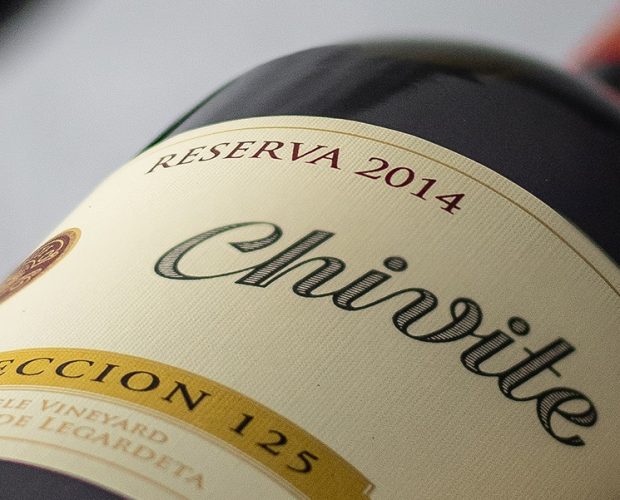
So, where should the curious oenophile start looking? Bodegas Julián Chivite is an excellent place to begin any Navarran journey. Its winemaking history dates back to 1647, although the business now forms part of Perelada & Chivite, owned by the Suqué Mateu family. Much of the Colección 125 range comes from Finca Legardeta, near Villatuerta in Tierra Estella, and the consistency of quality across the board is remarkable. Their 125 Chardonnay is among the best in its class and regularly ranks alongside the finest Spanish whites being made today. Other wineries like Domaines Lupier focus more exclusively on indigenous varieties such as Garnacha, arguing that ubiquitous grapes such as Chardonnay and Merlot have no place in Navarra. Yet the quality of Navarran Cabernet can astound – an equal to top Pauillac.
But, if time is short and the options are many, the discerning oenophile will usually plump for one of Navarra’s exceptional Grenache wines. The purity of fruit, sophisticated tannins, and textbook acid line that characterize these wines would command considerably higher prices in the hills of Priorat. So the question is: why pay more for perfection?
Key Grape Varietals
-
White grape
Chardonnay
Navarra produces both fresh, unoaked Chardonnay and more substantial barrel-aged whites, with some of the finest examples coming from the cooler vineyards of Tierra Estella View grape -
White grape
Garnacha Blanca
A relatively minor but increasingly important variety in Navarra, Garnacha Blanca produces generous, textured whites, sometimes with delicate herbal and floral aromas. View grape -
White grape
Malvasía
Malvasía is a minor traditional white variety in Navarra, valued for its aromatic character and its contribution to selected white blends View grape -
White grape -
White grape
Sauvignon Blanc
Sauvignon Blanc adds another dimension to Navarra's white wines, producing fresh, aromatic styles with citrus and herbal notes View grape -
White grape
Viura
Known elsewhere as Macabeo, Viura is one of Navarra's traditional white varieties, producing fresh, relatively understated wines and contributing to regional blends View grape -
Red grape
Cabernet Sauvignon
Cabernet Sauvignon has become an established variety in Navarra, producing structured reds and contributing tannin, colour and ageing potential to blends View grape -
Red grape
Garnacha
Navarra's emblematic red variety, Garnacha produces everything from fresh, fruit-driven rosados to serious old-vine reds with perfume, freshness and considerable character View grape -
Red grape Graciano
Graciano plays a supporting role in Navarra's red blends, contributing acidity, colour, perfume and structure -
Red grape Mazuelo
Mazuelo is a minor traditional red variety in Navarra, valued for its acidity, firm tannins and contribution to structured blends -
Red grape
Merlot
Merlot has found a home in Navarra, producing supple, fruit-rich reds and often complementing Cabernet Sauvignon and Tempranillo in blends View grape -
Red grape
Pinot Noir
Pinot Noir is permitted in DO Navarra, although it remains a minor variety compared with Garnacha and Tempranillo. View grape -
Red grape
Syrah
Syrah thrives in suitable warmer sites across Navarra, producing dark-fruited, spicy reds and adding structure to regional blends View grape -
Red grape
Tempranillo
One of Navarra's principal red varieties, Tempranillo produces approachable, fruit-driven wines and more structured, oak-aged reds, either alone or in blends View grape
Navarra gastronomy
Dinner time is the highlight of any trip to Navarra. Ensure you arrive hungry: chefs don’t believe in bijou portion sizes and overly elaborate culinary wizardry. Hearty, fresh food is what it’s all about; one of the local favourites is calderete, a substantial stew of potatoes and meat, often lamb or rabbit, traditionally prepared for communal gatherings. Meat features heavily in Navarra, where farming is a major part of the local economy.
In addition to lamb, you can feast on wild game, suckling pig, and rabbit in the many excellent restaurants of Pamplona, where good food is rarely expensive. Navarra is also famed for its locally grown white asparagus and the sweet piquillo peppers of Lodosa.
For more on northern Spain’s food traditions, read our guide to Basque cuisine
Cellar Tours Selection of Top Wineries in Navarra
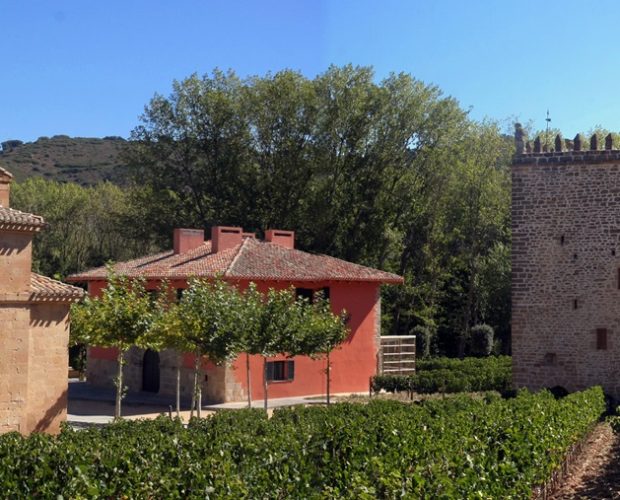
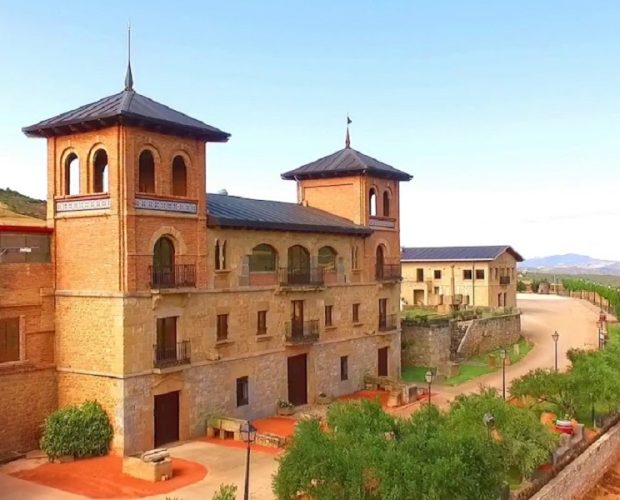
- Arínzano Arínzano combines its own Vino de Pago designation with vineyards, distinguished architecture and ambitious red and white wines View winery
- Castillo de Monjardín Explore Castillo de Monjardín, a Navarra winery near the Camino de Santiago, known for its Chardonnay and red wines View winery
- Chivite Discover Chivite in Navarra, a wine dynasty dating to 1647, with Finca Legardeta, Colección 125, current wines, vineyards, and winery details. View winery
- Bodegas Ochoa Explore Bodegas Ochoa in Olite, Navarra: its family history, vineyards in Olite and Traibuenas, and wines from rosado and Reserva to Moscatel. View winery

Explore further
Continue Exploring Spain
Discover private journeys, the complete wine region guide, and expert stories from across Spain.
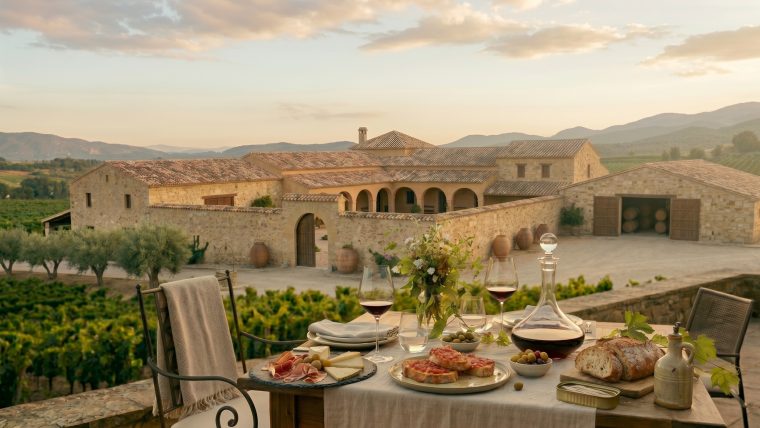 19 tours
Country tours
Private Wine Tours in Spain
Luxury Food & Wine Journeys Across Spain’s Finest Regions
 9 days
Private tour
Private Food & Wine Tour in the Spanish Pyrenees
Somontano and Costers del Segre wines, two-Michelin-starred dining and the landscapes of Ordesa.
 1 day (from Seville or Cádiz)
Private tour
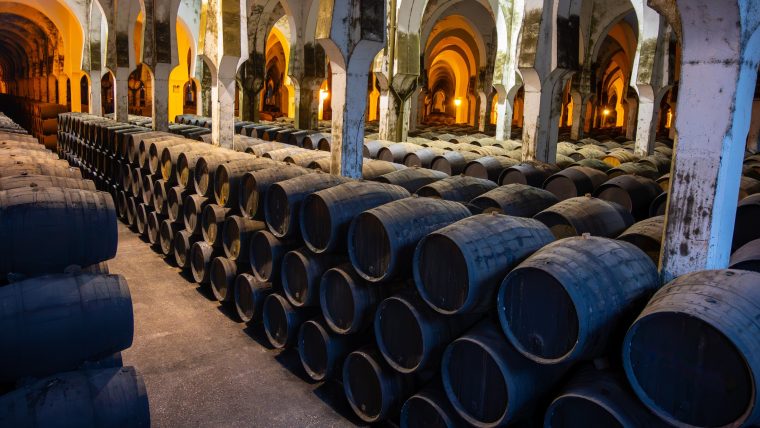
Private Wine Tour from Seville or Cádiz
Two private Jerez bodega visits, Sherry tastings, a wine-paired lunch and a guided old-town tour.
Wine regions
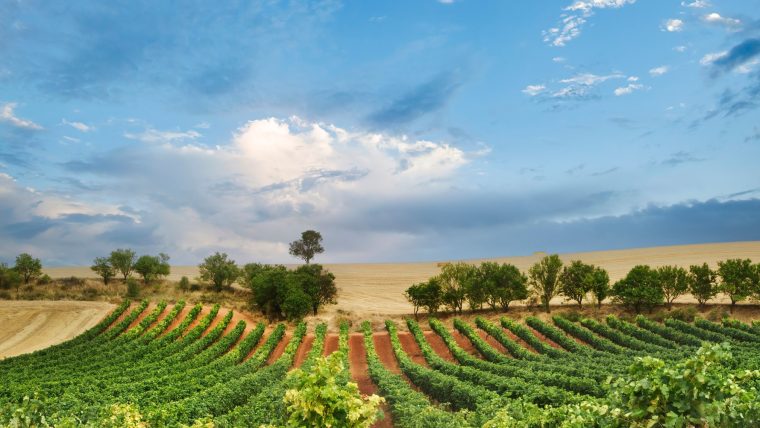
Best Wine Regions in Spain
Compare Spain’s leading wine regions by signature grapes, scenery, best base, travel time, and ideal stay.
Explore regions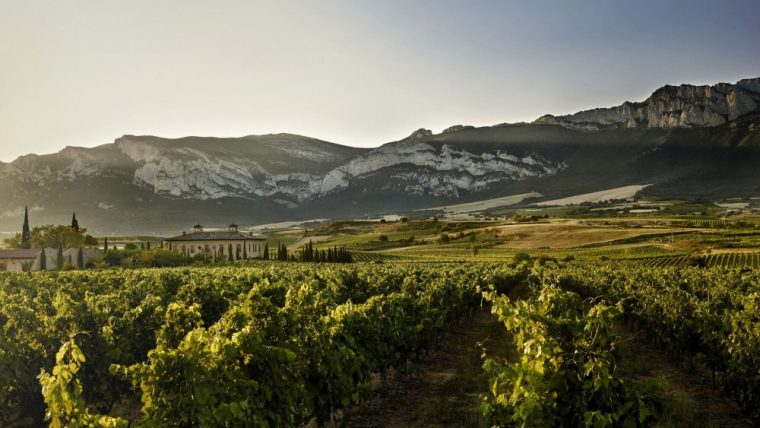
Article
8 Best Rioja Wineries to Visit
Plan a Rioja wine tasting trip with 8 standout wineries in Haro, Rioja Alta and Rioja Alavesa, plus tasting highlights, drive times and private…
Read article
Article
Palomino Grape Guide: The White Grape Behind Sherry
Learn about Palomino, the grape behind most Sherry, including its flavor, vineyard role, Jerez terroir, and Fino, Manzanilla, and Oloroso styles.
Read articleAuthor