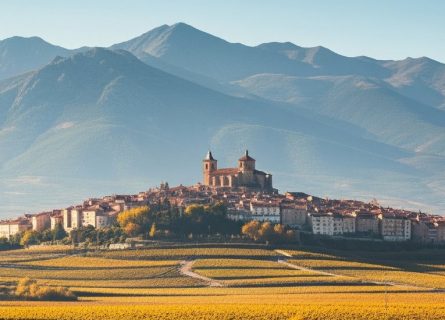

Flavors of Spain: Exploring the Delights of Spanish Cuisine
Spanish ham guide to Jamón Ibérico, Serrano, and other Spanish hams. Learn the types, how they differ, and how to serve and pair them.
Estimated reading time: 11 minutes
Traditional Spanish food is uncomplicated, flavorful, and based on the freshest regional ingredients made available by Spain’s diverse geography. The Atlantic and Mediterranean oceans surround most of the country, and Spain shares its eastern border with France. While mountains and valleys sprawl across the country’s vast and varied interior landscape. Historically, these mountains acted as natural barriers impeding communication and transportation between regions, and culinary traditions tended to remain local.
Spanish dishes of inland regions like La Rioja, Castilla y Leon, and mountainous zones of Catalan feature beef, pork, chicken, and game meats more prominently. Legumes and hearty stews are also eaten more in these regions to counteract colder temperatures. Understandably, areas like Galicia, Andalusia, and the Basque Country incorporate more fresh seafood into local Cuisine.
Beyond vibrant Cuisine, Spain also delivers an abundance of wines to explore. The wine options are endless, from bold reds in La Rioja to aromatic Albariño in Galicia and Sherry in Andalusia. As with other European cultures like France and Italy, Spanish food and wine go hand in hand. So, here’s what to expect from Spanish Cuisine in the country’s dynamic, highly frequented regions.
Discover More About Spanish Wine
The Spanish Kitchen
Olive Oil: Olive oil is an essential component of Spanish Cuisine, playing a central role in numerous culinary techniques and dishes. Spain, known as the world’s foremost olive oil producer, takes great pride in its abundant olive groves, primarily concentrated in the scenic region of Andalusia, located in the southern part of the country.
This versatile and highly valued ingredient adds a delightful touch to salads and imparts a distinct flavor profile to various dishes. Its culinary applications extend beyond mere dressings, as it is a go-to option for frying and other cooking methods. Spaniards recognize the significance of olive oil as a cornerstone of their gastronomic heritage, utilizing it to enhance the taste and texture of their traditional and modern recipes.
Spanish Ham
Jamón is Spain’s other cherished local product, and Spaniards take their ham very seriously. Consequently, travelers are very likely to encounter jamón ibérico or serrano. However, there are numerous other types of hams worth discovering, too.
Spices
Spanish Cuisine is quite diverse from one region to the next due to the variability of naturally available ingredients. Read more about popular Spices used in Spanish Cuisine.
NORTHERN SPAIN
Northern Spain is a captivating blend of diverse landscapes. Situated between the rugged Cantabrian Mountains and the sparkling waters of the Bay of Biscay, the region offers a rich tapestry of natural beauty. From the lush meadows and dense forests of Asturias to the sun-kissed vineyards of La Rioja, each area boasts its own unique bounty. The coastal regions are abundant in delectable seafood, including hake, mussels, and the famed percebes. Inland, fertile valleys yield an array of fresh produce, such as Pimientos de Padrón and the esteemed Idiazabal cheese. Charming fishing villages add to the allure, producing hearty stews like Basque marmitako. Northern Spain’s alluring landscapes and flavorful delights leave a lasting impression on any visitor.
Galician Cuisine
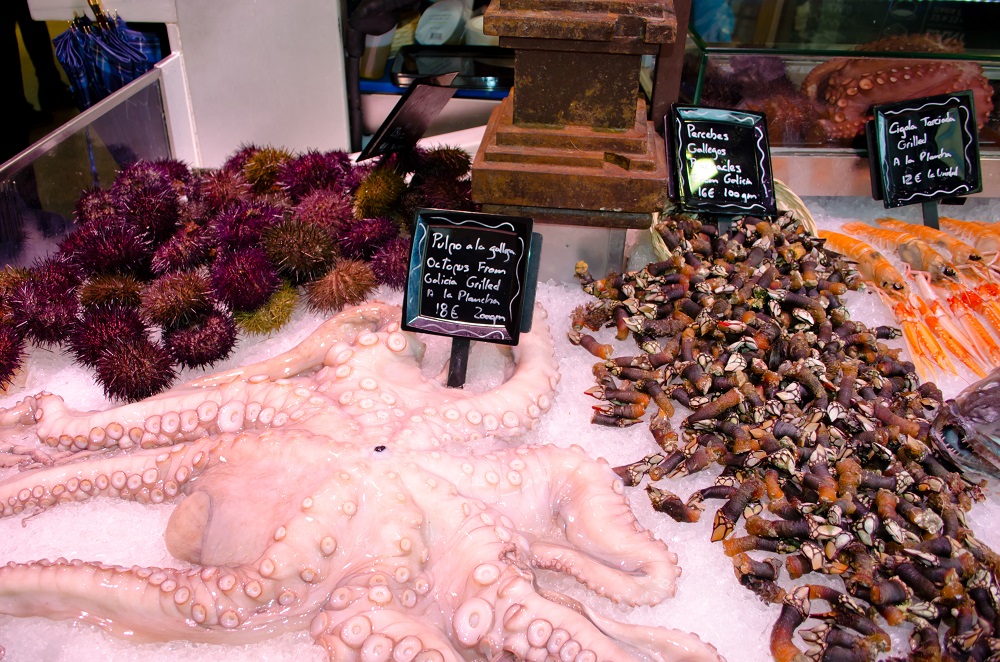
Galicia is situated in the northwestern corner of Spain, with the Atlantic Ocean to the west and the Cantabrian Sea to the north. These bodies of water provide a wealth of seafood that proliferates in the Cuisine of the region. In various preparations, expect flavorful octopus dishes like polbo á feira, mussels, mejillones, and hake or other fish prepared in garlic sauce. Sirloin steak, heartwarming stews featuring ham, and numerous cow’s milk cheeses are also common.
Basque Country
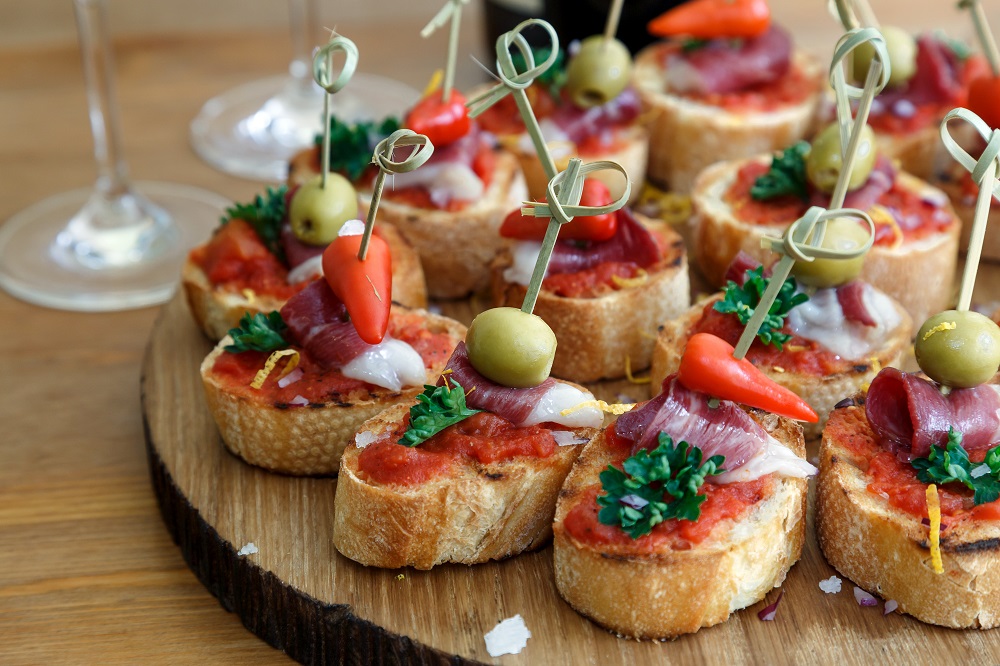
The Basque country is a destination if you’re a fan of small bites and bar hopping. The region is a culinary paradise with countless Michelin-starred restaurants, bordered by the western Pyrenees Mountains and the Cantabrian Sea; the region is a must for the gourmet explorer. Pintxos are a popular attraction for locals and tourists in Basque country. Entire bars are dedicated to these bite-sized dishes, often held together by a piece of bread and a toothpick. A few must-try pintxos are Idiazábal cheese, fried croquettes, anchovies, and shrimp, prepared in various ways. They’re best savored alongside a glass of refreshing Txakoli wine. Other local dishes in Basque Country include a fish and potato stew called marmitako, a fisherman’s soup served in coastal towns known as ttoro, and the massive Basque txuleton steak [rib steak].
La Rioja
Situated among the foothills of the Cantabrian Mountains and the lowlands near the Ebro River, La Rioja is the land of Tempranillo and bold red wines. However, the region also boasts outstanding Cuisine. Peppers are prominent in Rioja kitchens and are featured prominently in dishes, as are artichokes and asparagus. Piquillo peppers make their way into salads and a stuffed pepper dish called pimiento relleno. Caparrones is a hearty meat and bean stew perfect for warming up in cooler mountain temperatures. Other signature dishes of the region include patatas a la Riojana, Riojan-style cod, and pochas con codornices, or white beans with quail.
MEDITERRANEAN SPAIN
In Mediterranean Spain, a captivating coastal landscape awaits, embraced by sun-soaked beaches, rugged cliffs, and charming fishing villages. The region’s warm ambiance is accompanied by the delightful scents of grilled seafood and fresh produce, nurtured by citrus groves and olive orchards under the radiant Spanish sun. Culinary traditions steeped in history come alive in bustling markets, offering a variety of olives, cheeses, and cured meats. The harmonious blend of land and sea creates an enchanting atmosphere, leaving a lasting impression on all who savor its flavors. Mediterranean Spain’s culinary journey celebrates life’s simplest pleasures, evoking a sense of delight and contentment that lingers in memory.
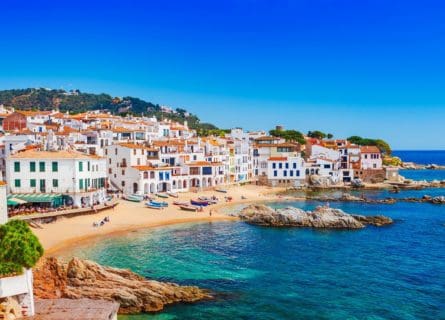
Catalonia
Catalonia is a unique region situated along the Pyrenees Mountains. It shares a border with France and possesses a stunning Mediterranean coastline, plus the bustling city of Barcelona. Rice from the Ebro Delta, Catalan olive oil, sausages, cheeses like Tupi, Tou del Tillers, and more are staples in local Cuisine.
Notably, calçots are one of the quintessential Catalan dishes. Made with a green onion grown in the province of Tarragona, calçots are grilled to a char over an open flame and served with a romesco sauce, a deliciously messy affair. Additional Catalonian specialties include paella, rice dishes like arròs negre made with squid ink and seafood, and fideuá, a paella-like dish made with short noodles. The Cuisine includes seafood and meat since the region encompasses mountains and coastlines. Pollastre amb escamarlans exemplifies the regional geography, a dish that combines prawns and chickens.
CENTRAL SPAIN
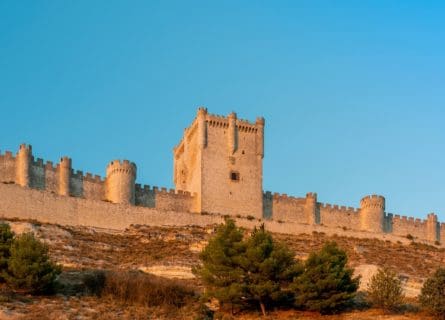
In Central Spain, a diverse and captivating landscape unfolds before visitors. The region boasts mesmeric plateaus in Castile and undulating hills in La Mancha, adorned with golden wheat fields, vineyards, and olive groves. Traditional practices of cattle-raising contribute to delectable dishes like Castilian roast lamb and cocido madrileño. The historic cities of Madrid, Toledo, and Segovia add their charm, offering tantalizing tapas such as Jamón Ibérico and pulpo a la gallega in lively markets and tavernas. Central Spain’s geography nurtures a rich culinary heritage that enchants all who experience its flavors.
Cuisine of Castilla Y Leon
Castilla y León is a massive region hugging La Rioja to the east with the Cantabrian Mountains to the north. Galicia and the Atlantic Ocean encompass the west coast, and the Duero River runs throughout. The region’s fertile plains are ideal for the wealth of agriculture grown in Castilla y León, which makes its way into Spanish Cuisine here.
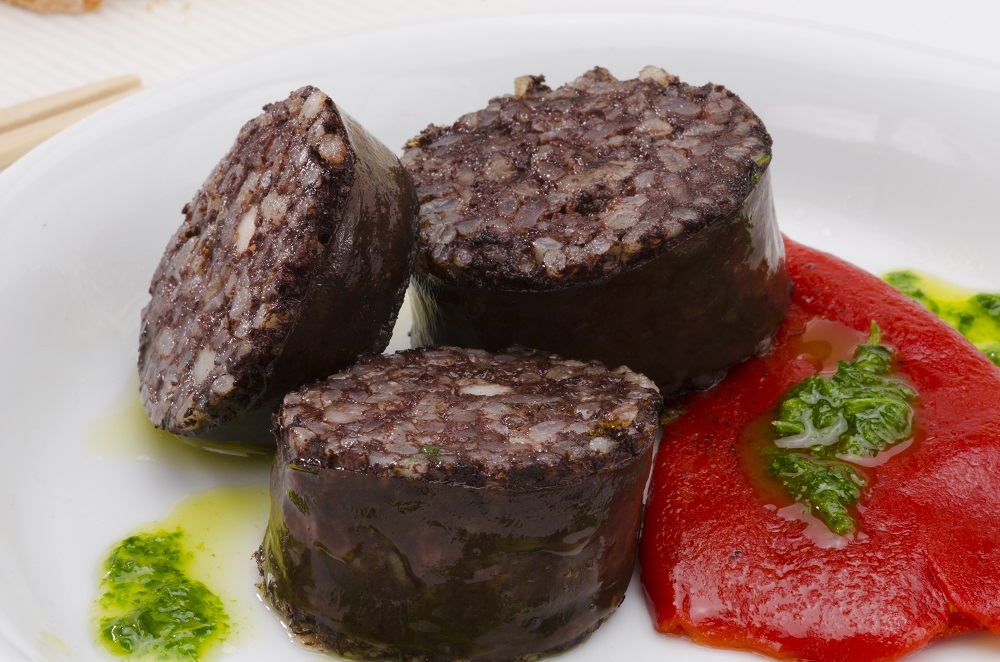
Yet the most famous regional dishes are meat ones like Morcilla de Burgos blood sausage, cochinillo, and lechazo (roast suckling pig and lamb respectively), and a mixed meat and chickpea stew called cocido maragato. But meat isn’t the only dish on the menu in Castilla y León. Seafood lovers can try cod in garlic sauce, known as bacalao al ajoarriero, fried trout, or a trout soup from Obrigo. In addition, soups like sopa de ajo and hearty stews such as olla podrida and morañega stew are highly popular here in the wintertime.
SOUTHERN SPAIN
In Southern Spain, a culinary paradise is embraced by a diverse and picturesque landscape. The region offers a feast for the senses, from the majestic Sierra Nevada mountains to the sun-soaked coastlines. Vibrant cities like Seville, Granada, and Cordoba showcase a delightful fusion of Moorish influences in their spices and flavors. The fertile plains of Andalusia yield an abundance of fresh produce, contributing to iconic dishes like gazpacho and espinacas con garbanzos. Along the coast, places such as Malaga and Cadiz boast a delectable array of fresh seafood. Southern Spain’s culinary heritage and rich flavors captivate travelers at every turn, making it an unforgettable destination for gastronomic delights.

Andalusia
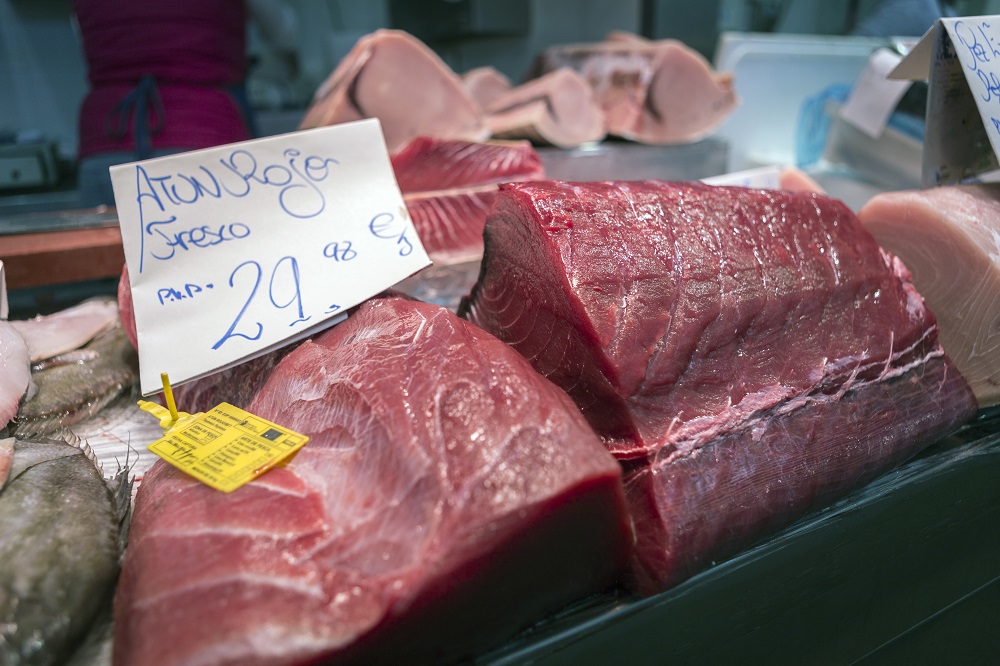
Covering the southwestern corner of Spain, Andalusia’s Cuisine also incorporates a bounty of ingredients from land and sea. Cold soups like gazpacho, ajo blanco, and salmorejo are ideal for cooling off in this hotter part of the country. In addition, Andalusians love their chickpeas, which are utilized in various recipes. As for seafood, red tuna migrates in the waters off the southern coast, swimming from the Atlantic to the Mediterranean Sea. Consequently, this is one of the most prized fishes in Andalusian Cuisine. Other prevalent seafood specialties include donax crabs, king prawns, crab, sole, sea bream, hake, seabass, and many more. Seville-style duck, a lamb stew called Caldereta del Condado, and Rabo de Toro [oxtail] are other not to be missed Andalusian dishes.
Author

Explore further
Explore Spain’s Food & Wine
Discover private journeys, regional guides, and expert stories to help you plan an unforgettable trip through Spain.
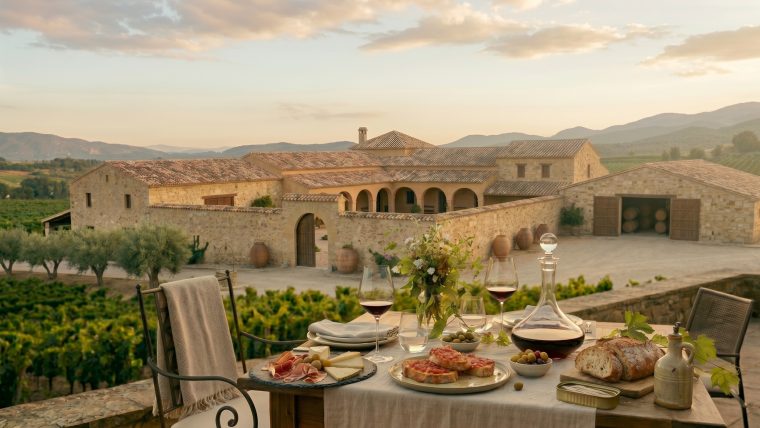 19 tours
Country tours
Private Wine Tours in Spain
Luxury Food & Wine Journeys Across Spain’s Finest Regions
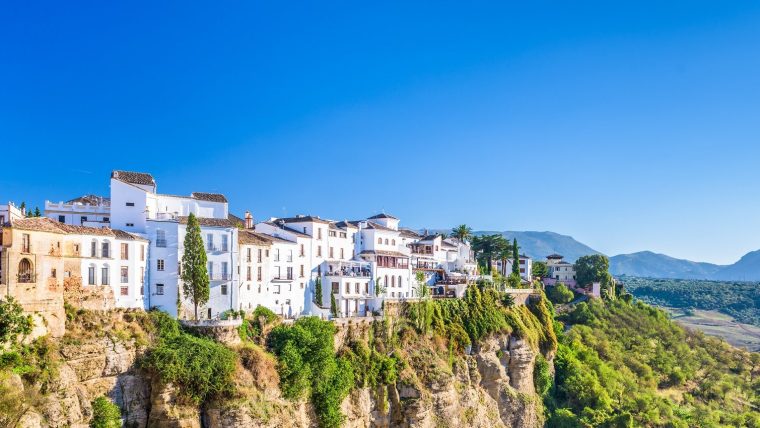 1 day (ideal from Marbella)
Private tour
Private Ronda Wine Tour from Marbella
Ronda wineries, mountain landscapes and Andalusian elegance.
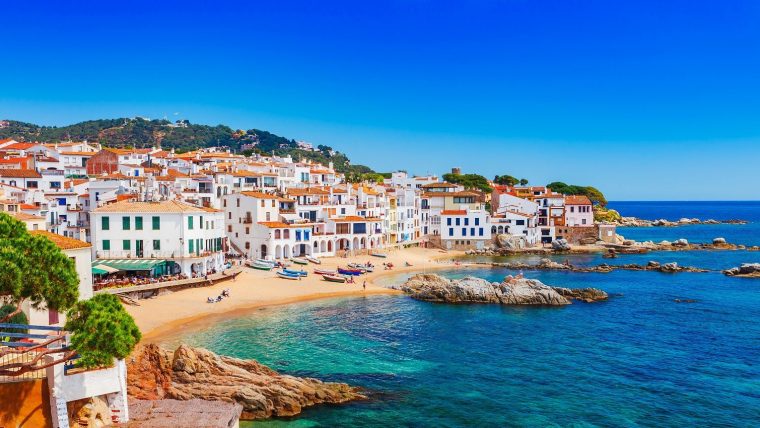 9 days
Private tour
Private Food & Wine Tour in Catalonia
Penedès and Priorat wineries, Costa Brava villages and destination dining on a private nine-day journey through Catalonia.
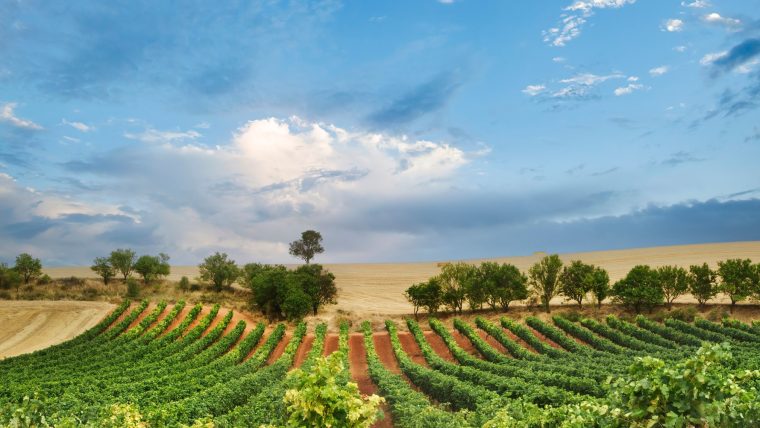
Wine regions
Best Wine Regions in Spain
Compare Spain’s leading wine regions by signature grapes, scenery, best base, travel time, and ideal stay.
Explore regions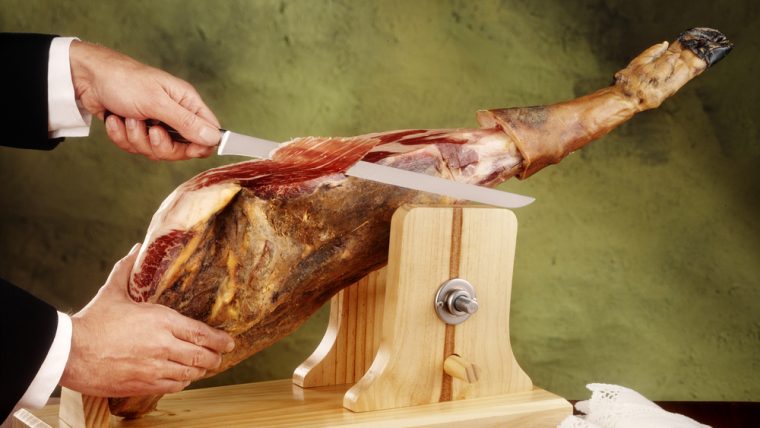
Article
Spanish Ham Guide: Jamón Ibérico, Serrano & Bellota
Understand Spain’s great hams, from Jamón Ibérico de Bellota to Serrano, with regions, labels, serving tips, and wine pairings.
Read article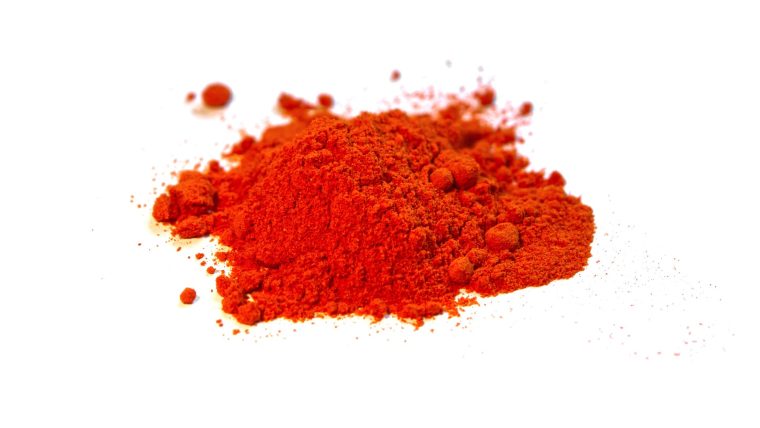
Article
Unveiling the Rich Flavors of Spanish Paprika: A Culinary Journey to Spice Up Your Dishes
Uncover Spanish paprika's uses, benefits, and recipes! Elevate your cuisine with this vibrant spice. Discover the essence of Spanish cooking now!
Read article