Priorat Wine Region Guide
Steep llicorella slopes, old-vine Garnacha and Cariñena, and the villages behind one of Spain’s most distinctive wine regions.
Introduction
Priorat is a small region with gigantic appeal. It is the birthplace of intense, minerally reds that many writers and sommeliers consider Spain’s most complex and magnificent wines. The distinctive slate-and-quartzite soil (locally called llicorella), abundant sunshine, and an energetic group of winemakers have earned this region a reputation for innovation. Critical recognition, meanwhile, has elevated these exquisite wines to collectible status; aficionados will pay lavish sums for top cuvées like L’Ermita. Few wines in Catalunya or Spain can justify an $800-plus price tag. But Priorat has managed to pull it off.
Yet the region’s global success is about more than hype and luxury branding. Few can resist the voluptuous concentration and dark fruit profile that defines Priorat – critics used to joke that you need “a knife and fork” to drink these potent wines. However, that assessment is outdated; modern Priorat offers freshness, precision, power, and richness. Expressive, fresh, and packed full of mineral-infused complexity, Priorat has earned a devoted following in Spain and beyond.
Discover more about Spanish Wine

History
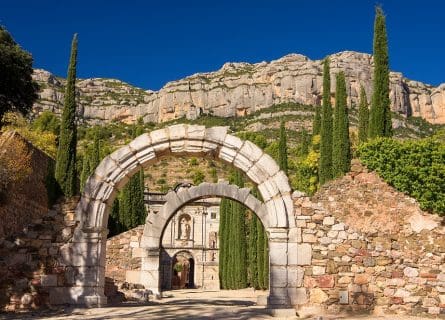
The region has a winemaking history stretching back to the Middle Ages, when monks at La Cartoixa d’Escaladei—the “Staircase to God” Carthusian monastery—began making wine for Holy Communion. Yet vines had been planted in southern Catalunya centuries before this seminal moment in Priorat’s history.
Then it all fell apart. The phylloxera louse arrived on European soil in the 19th century, destroying Catalunya’s winemaking industry and reducing the area under vine from 5,000 hectares to just over 600. As a result, farmers turned their attention to other crops like almonds and olives. Only in the past few decades have vast swathes of land been devoted to vineyards once again.
Modern Revival
The catalyst for Priorat’s revival was the work of five pioneering winemakers: René Barbier, Álvaro Palacios, Daphne Glorian, Josep Lluís Pérez, and Carles Pastrana. Working collaboratively from the late 1980s, they recognized the untapped potential of the region’s llicorella soils and its old Grenache and Carignan vines.
The first vintages stunned the critics and electrified buyers: amazingly concentrated reds full of terroir character thanks to the very low yields produced by the region’s harsh conditions. These low yields, along with the intense manual labor required to make wine here, ensure that Priorat markets some of the most expensive bottles in Spain.
Geography and terroir
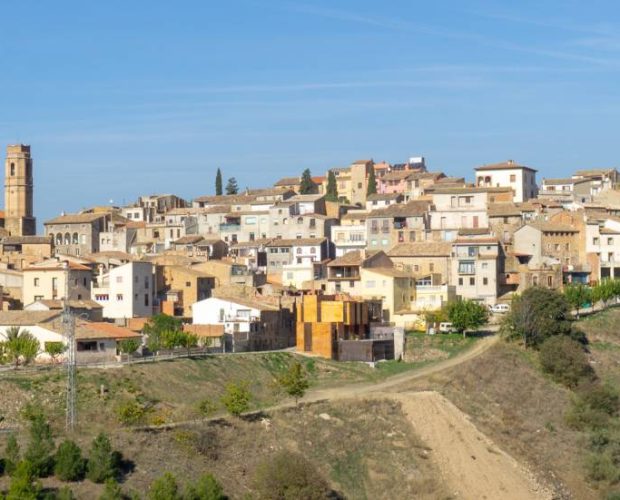
Priorat is a truly captivating destination. The vineyards are situated in northeastern Spain, less than 40km from Tarragona, in an area of outstanding natural beauty. Indeed, centuries of poverty meant that most of the region looks much as it did in the Middle Ages, with unspoiled natural landscapes interrupted by stone farmhouses, small quaint villages, castle complexes like Siurana, and historic churches and chapels.
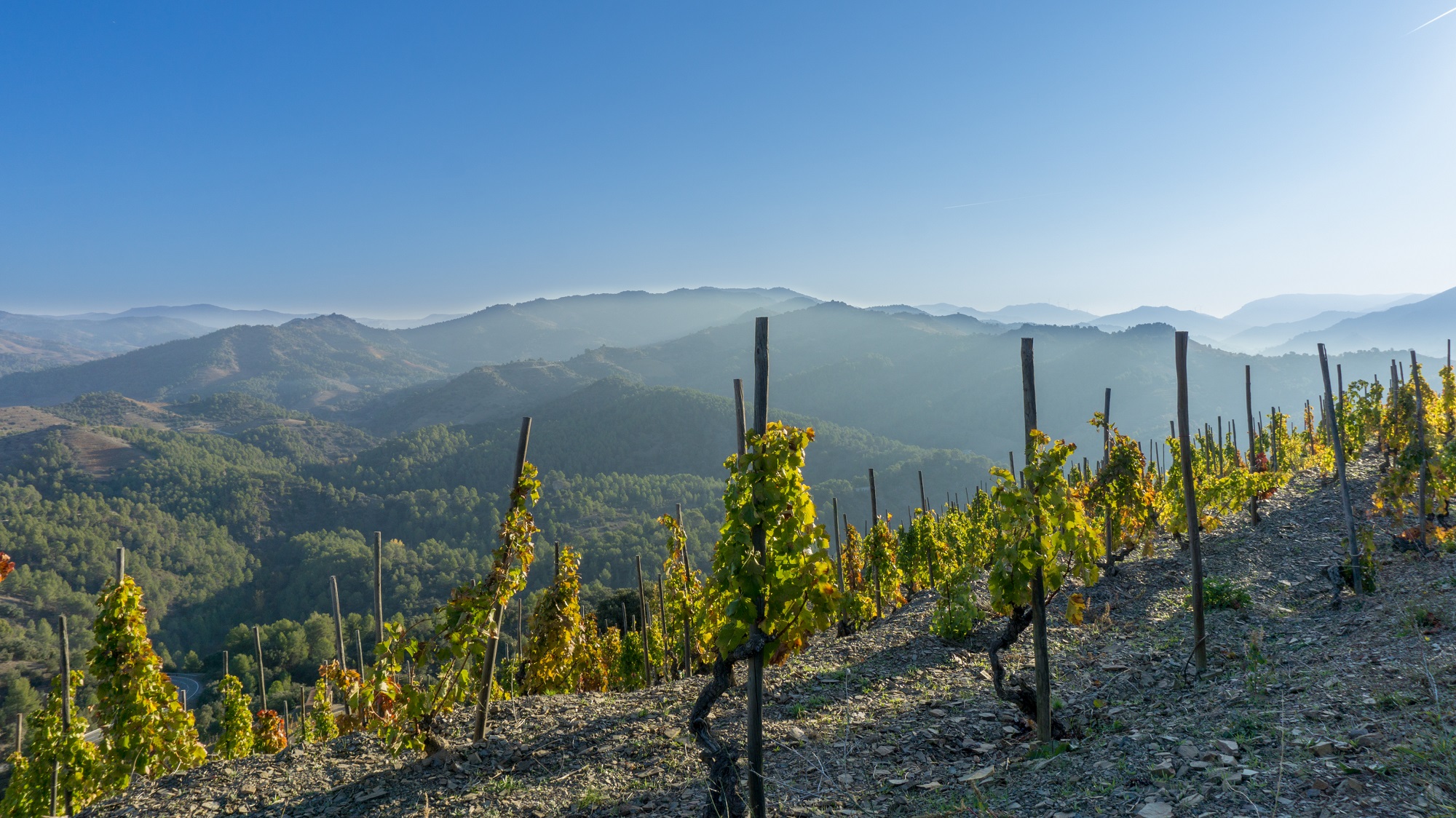
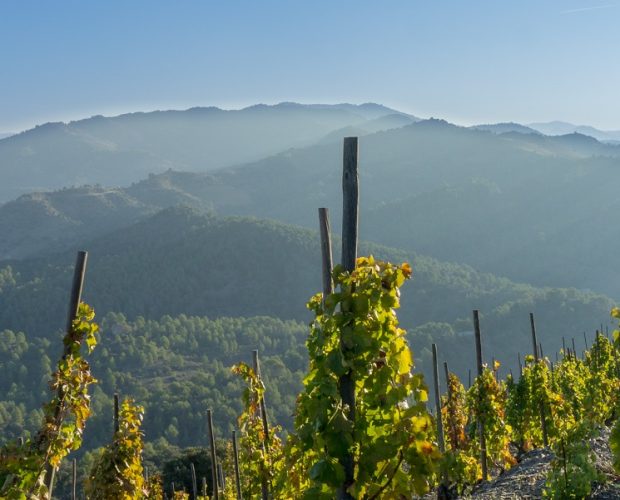
Meanwhile, mile after mile of hilly terrain reveals terraced vineyards protected from downpours in the fall by the majestic Sierra de Montsant mountain range. Vertigo sufferers note that the relentless relief of Priorat’s landscape means that vineyards must be planted in steep terraces similar to those found in the Douro Valley. The terraces climb the hillsides in neat, curving rows that give the appearance of being drawn onto the land. Many steep costers cannot be worked mechanically and require extensive manual labor. There is also scant rainfall in Priorat – often fewer than 500mm a year – and abundant sunshine; summer temperatures frequently rise above 35°C in July and August. Achieving physiological ripeness in such a climate is almost too easy.
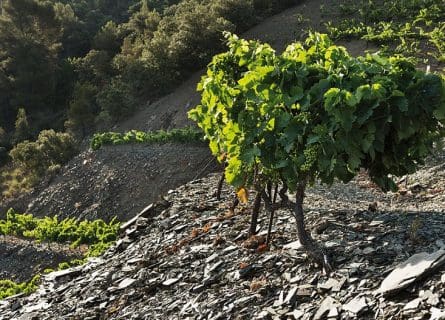
Yet the best of Priorat is always fresh and balanced. The fractured layers of llicorella allow the vine roots to penetrate deeply in search of scarce water, although drought and hydric stress remain serious concerns. These free-draining slate-and-quartzite soils can also reflect heat into the vine canopy. In addition, vineyards are planted at altitudes ranging from 100m to 750m above sea level, which affords all the benefits of diurnal temperature variation – a significant difference between day and night temperature helps preserve acidity in the wines. Today there is a relatively eclectic palette of varieties grown in the appellation. However, old bush vine Carignan and Grenache yield the best results in Priorat, ripening tiny berries of remarkably concentrated fruit. The resulting wines have no equal in Spain: complex beauties with enough structure and ‘stuffing’ to last a lifetime.
Planning a Wine Trip in Priorat
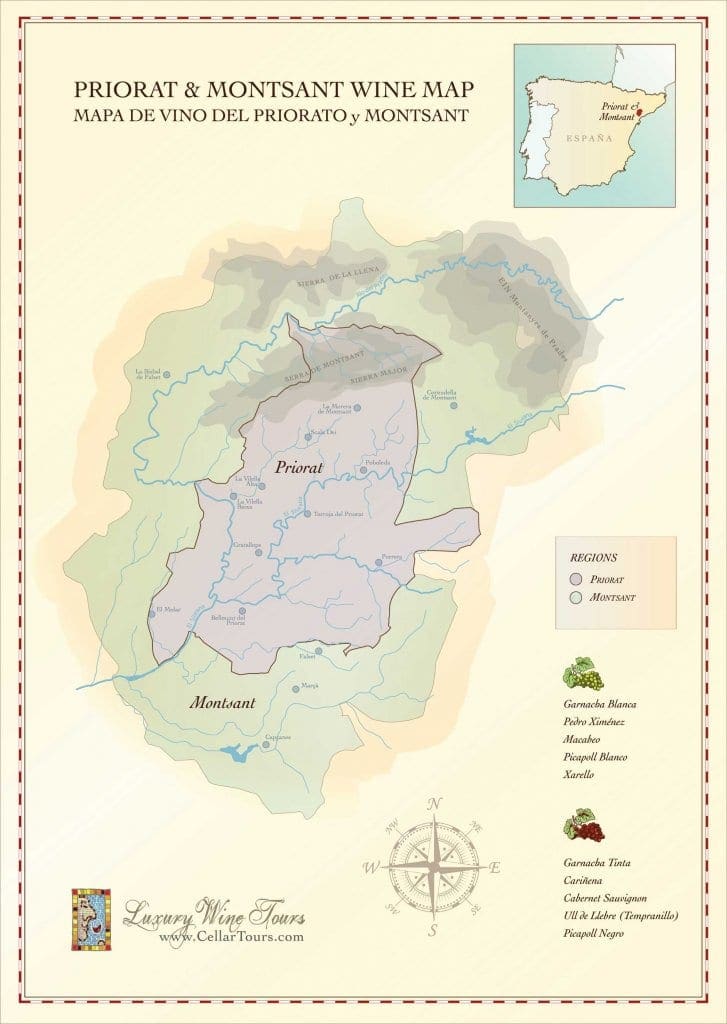
Priorat is around two hours by road from Barcelona, with Falset the most practical base for exploring the region. At the same time, Gratallops places visitors close to several leading estates, including Clos Mogador and Clos de l’Obac. Most wineries are small, family-run affairs that receive guests by appointment only; two carefully chosen visits and a leisurely lunch generally make a satisfying day.
The steep terrain, winding roads, and generous tastings make a private driver particularly worthwhile. Priorat can also be combined with neighboring Montsant, although the two are distinct appellations with different landscapes and wine traditions.
Planning resources
Winemaking and regional classifications
Like all wine regions, Priorat has a trademark style: voluptuous red blends that often contain a good dollop of Grenache and Carignan. The vast majority of wine in the appellation conforms to this paradigm, regardless of the price tag. However, Priorat has also branched into white wine production and continues to make tiny quantities of traditional vi ranci. These oxidative wines must be aged for at least five years in wooden vessels, although the traditional sol i serena method is also permitted. The sweeter versions can be an excellent substitute for Port when the Stilton makes an appearance.
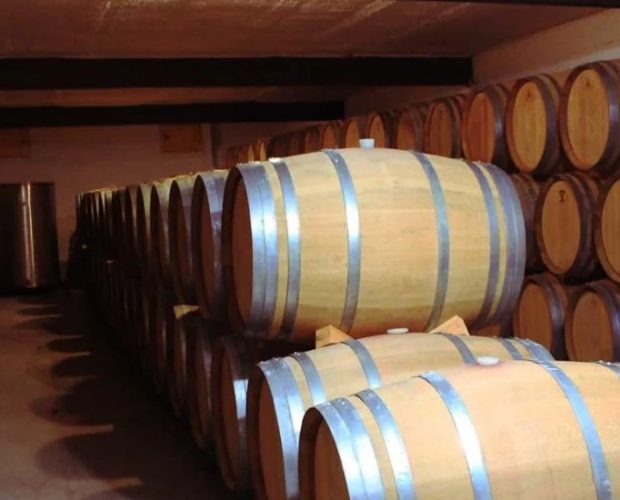
However, the critical mass of wines produced here is dry, vinified in a mixture of stainless steel, concrete, and wood.
Priorat’s Unique Wine Classification
Nevertheless, Priorat’s winemakers will always insist that terroir is far more important than what happens in the cellar. The region was one of the first in Spain to devise a codified ranking in the Burgundian mold: The DOQ comprises 12 recognized wine-growing zones, used as the basis for its Vins de Vila: ten named towns, plus Masos de Falset and Les Solanes del Molar. The project began in 2009 when Priorat’s top winemakers convinced the ‘Consejo Regulador‘ to undertake a detailed and painstaking study into the region’s different soils and mesoclimates. That lengthy process culminated in the unveiling of a new terroir pyramid in 2019: DOQ Priorat, Vi de Vila, Vi de Paratge, Vinya Classificada and Gran Vinya Classificada; they are sometimes compared with Burgundy’s vineyard hierarchy.
A concurrent framework classifies wines according to the period of maturation in oak and bottle. Thus, Crianzas should be aged for at least two years before release: six months in oak and the remainder in bottle. Reservas and Gran Reservas, meanwhile, are aged for a minimum of three and five years, respectively; Reservas must spend one year in oak, while the top tier is aged for a minimum of two years in oak and three years in bottle. However, some producers eschew these regulations in favor of a terroir-driven approach.
Learn more with our Guide to the Wine Types and Classifications in Priorat: Read more
Facts & Figures
-
Key wine styles
- Concentrated and powerful red wines
- a small volume of white and dessert wines.
-
Appellation structure
- DOQ Priorat
-
Hectares under vine
2,262 hectares registered; approximately 2,215 hectares in production in 2025.
-
Average annual production
2025 harvest: 5.49 million kg of grapes
-
Approximate number of wineries
120 registered wineries in 2025; 100 received grapes that harvest.
The lowdown
To say that Priorat is overwhelmingly associated with concentrated reds is an understatement. Of course, it’s natural to think of the region as primarily a red wine producer; media hype and critical attention have coalesced around Priorat’s signature export. Yet the global market increasingly covets aromatic whites, a fact which is encouraging more growers to try their luck with Garnacha Blanca, Macabeo, and even Chenin Blanc. Local demand has also increased, and quality has been rising, too, as winemakers grapple with a new challenge. Granted, it’s still early days, and the overall volume is very small. But white Priorat can be just as electrifying as the region’s flag-bearer.
The Emerging Profile of Priorat Blancos
Stylistically, white Priorat runs the gamut from oak-aged Garnacha Blanca to fresh, fragrant blends. The best bottles have that inimitable stamp of Priorat terroir: a tense minerality that unfolds in the mouth with precision and focus. Indeed, the slate-and-quartzite soils of the zone are ideally suited to producing very fine whites – diurnal temperature variation is responsible for their crunchy acidity and beautiful perfume. Tasted blind, you could be fooled into thinking that a particularly good vintage of Hermitage Blanc has graced your palate, yet growers are still finding their feet. It’s official: Priorat has another exciting string to its bow.
Key Grape Varietals
-
White grape
Garnacha Blanca
Discover the Allure of Grenache Blanc: Full-Bodied White Wine from Northeastern Spain. Experience the Richness of High Alcohol, Low Acidity Wines. View grape -
White grape
Macabeo (Viura)
Discover Viura: Rioja's Prominent White Grape & Catalonia's Macabeo. Explore its versatility in exquisite wines. A must-read for wine enthusiasts. View grape -
White grape
Pedro Ximénez
Indulge in the Sweetness of Pedro Ximénez: A Resplendent Grape for Andalusia's Montilla-Moriles. Experience the Richness of Sweet Sherries & Fortified Wines. View grape -
Red grape
Cabernet Sauvignon
Learn what Cabernet Sauvignon tastes like, where it grows best, why it matters in Bordeaux, and how to pair and serve this age-worthy red grape. View grape -
Red grape
Carignan
Learn about Carignan wine, from old-vine Languedoc and Priorat to its flavor profile, synonyms, food pairings, and best examples. View grape -
Red grape
Garnacha
Garnacha: Spain's Red Gem. Akin to Pinot Noir, it bridges terroir and winemaking, crafting captivating expressions. View grape -
Red grape -
Red grape
Merlot
Merlot is the most cultivated grape in Bordeaux and closely related to Cabernet Franc View grape -
Red grape
Syrah
Discover Syrah, from Northern Rhône classics to Shiraz, with flavor profile, regions, aging potential, and food pairings. View grape
Priorat gastronomy
Hearty Catalan cuisine is the ideal accompaniment to the potent wines made here. Robust botifarra sausages, a hearty veal and mushroom dish called fricandó, and roasted vegetables served with the tangy “romesco” sauce are a few favorite dishes. No matter what you eat, it will likely be accompanied by the fragrant arbequina olive oil, made from the tiny arbequina olives that grow near the vineyards. In Priorat, bad gastronomy and lazy cooking are not tolerated! On the other hand, seasonal ingredients and traditional recipes are considered sacrosanct.
Guide to Catalan Gastronomy: Read more
Cellar Tours' Recommended Wineries
- Álvaro Palacios One of the pioneers behind Priorat’s modern revival, Álvaro Palacios established his Gratallops estate in 1989 and produces celebrated wines including L’Ermita, Finca Dofí, and Les Terrasses. View winery
- Capafons-Ossó The Capafons-Ossó family has cultivated vines for five generations. Its Mas de Masos estate combines old Garnacha and Cariñena with steep llicorella vineyards rising to 600 meters. View winery
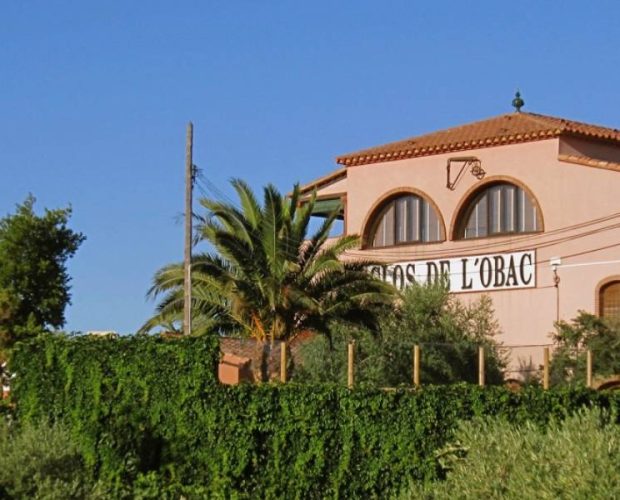
- Clos de l’Obac Founded by Carles Pastrana and Mariona Jarque, Clos de l’Obac was one of the estates behind Priorat’s modern revival and has produced its signature wines in Gratallops since... View winery
- Clos Erasmus Clos Erasmus is the flagship wine of Clos i Terrasses, Daphne Glorian’s small Gratallops estate and one of the pioneering names behind Priorat’s modern revival. View winery
- Clos Figueras Acquired by Charlotte and Christopher Cannan in 1997, Clos Figueras combines old Garnacha and Cariñena vineyards with a winery, restaurant, and small guesthouse in Gratallops. View winery
- Clos Mogador The Barbier family produced its first Clos Mogador in 1989. Today, the Gratallops estate combines regenerative farming with distinctive wines including Clos Mogador, Manyetes, and the white Nelin. View winery
- La Conreria de Scala Dei Based near the historic village of Escaladei, La Conreria produces Garnacha- and Cariñena-led reds alongside Les Brugueres, its distinctive white Priorat based on Garnacha Blanca. View winery
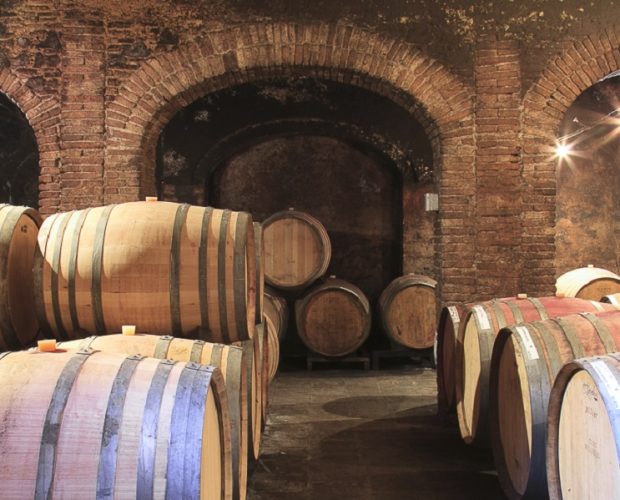
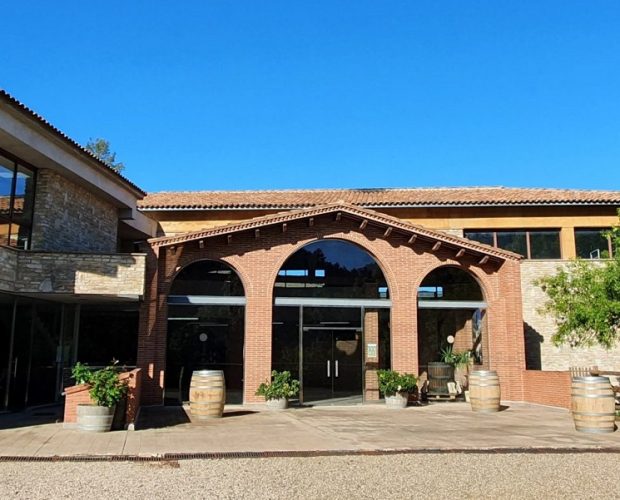
- Mas Doix Founded in Poboleda in 1998, Celler Mas Doix specializes in elegant wines drawn from old Garnacha and Cariñena vines growing beneath the Serra de Montsant. View winery
Further Reading
The Top Ten Best Rioja Red Wines for Collectors
October 11, 2017
Discover the best Rioja wines and experience the incredible diversity and quality of this renowned Spanish wine region.
Read article
Spanish Wine Grape Varieties
February 21, 2017
Explore the hidden world of Spanish wine grape varieties. Discover the exceptional Albariño and Verdejo grapes and their unique characteristics.
Read article
Top Spanish Restaurants With Exquisite Wine Lists
May 28, 2018
Explore the epitome of Spanish gastronomy at these exceptional restaurants renowned for their impeccable wine lists.
Read article
Kosher Spanish Wines
October 23, 2009
Spain, still home to a population of Sephardic Jews (particularly in Catalunya), has a growing number of Kosher wines available
Read article
Mastering the Art of Spanish Food and Wine Pairing
August 28, 2024
Explore the diverse flavors of Spanish wines. Learn to master the art of pairing wines like Albariño, Rioja, and Cava with your favorite dishes.
Read article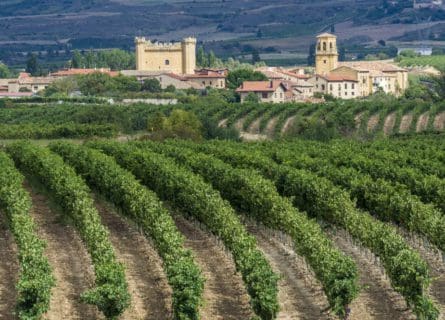
Savor Spain’s Finest: Discover the Top Ten Wineries for Unforgettable Visits
December 19, 2017
Discover Spain's finest wineries: Unforgettable visits to the top ten, revealing rich heritage, breathtaking vineyards, and exceptional wines.
Read articleAuthor