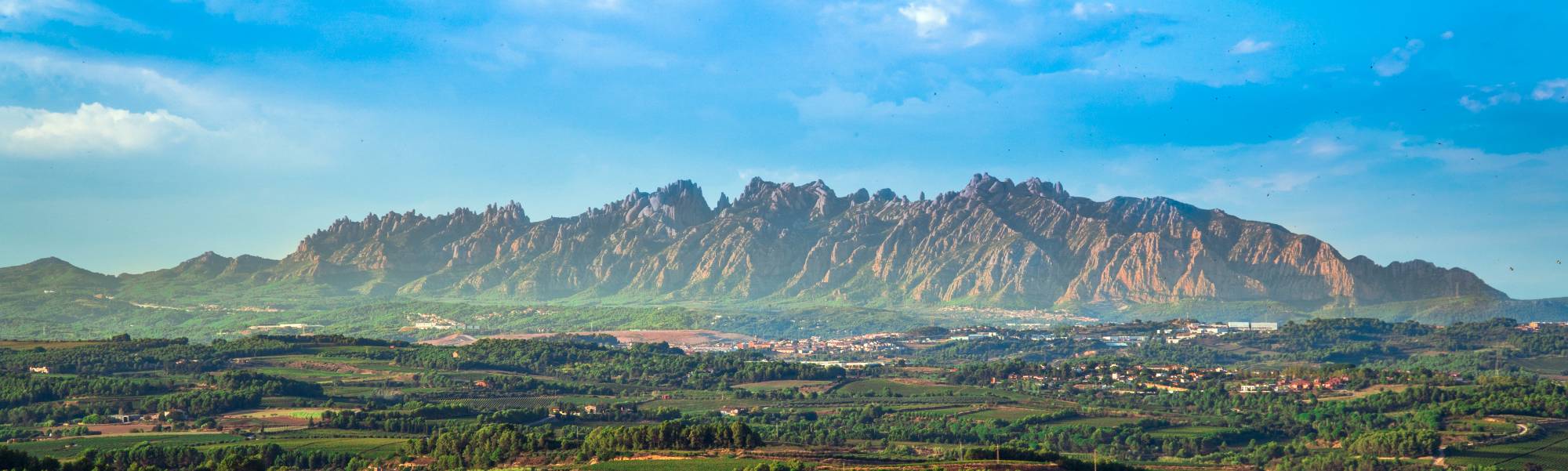
Catalonia Wine Region Guide
From the Sparkling Wines of Penedès to the Mountain Vineyards of Priorat
Introduction
Until recently, Catalonia was primarily associated with Cava; this iconic bubbly has suffered a few major blows in recent years, as several key wineries left the DO (appellation) for new pastures. Yet plenty of bodegas have remained loyal to the appellation, producing one of Europe’s best-value sparkling wines. Nevertheless, the emergence of Corpinnat isn’t the only story of value to have emerged from Catalonia in recent times. Quite the opposite: a formerly maligned region – at least in viticultural terms – has become a powerhouse of exceptional still wines, ranging from the voluptuous essence that is Priorat to the saline whites of Conca de Barberà and Costers del Segre.
As a bonus, most of Catalonia’s premier wine regions are easily accessible from Barcelona. A short distance from the rugged Costa Brava, you can sunbathe, swim, and taste wine at a moment’s notice in this part of the world. Producing a broad range of red, white, and rosé wines, growers in Catalonia can turn their hand to anything: luxury labels, affordable reds, delicious pink, and superlative fizz. It’s all yours for the taking.
Discover more about Spanish Wine
History
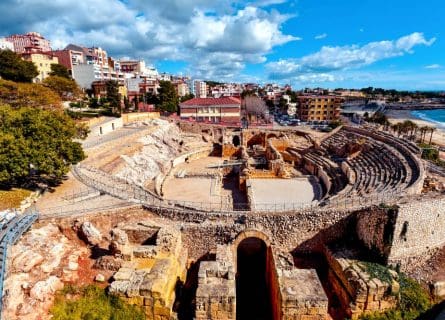
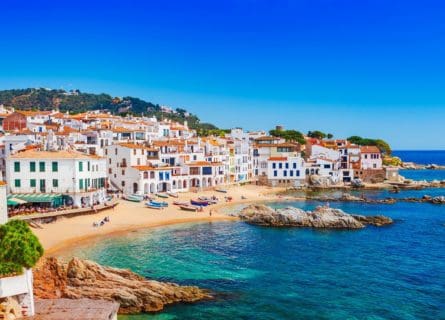
Catalonia is no stranger to the vine. Historians believe that the ancient Phoenicians imported vines long before the Romans set foot on the Iberian Peninsula. However, viticulture became an industry when the Romans entered Catalonia via the Costa Brava, landing at Empúries. Their magnificent architecture and cultural legacy can be seen today, especially in and around Tarragona, the capital of the vast province of Tarraconensis.
Wine remained part of Catalan life throughout the Middle Ages, sustained by monasteries. Penedès later prospered as trade in wine and spirits expanded during the eighteenth and nineteenth centuries, while Sant Sadurní d’Anoia produced its first traditional-method sparkling wines in 1872. Phylloxera devastated the vineyards in 1887, but disaster encouraged reinvention: growers replanted with local white varieties, laying the foundations of the modern Cava industry. By the late twentieth century, Cava had become Catalonia’s most internationally familiar wine, even as much of the region’s potential for still wines remained unexplored.
The modern revival gathered pace in 1989, when pioneers like Daphne Glorian, Álvaro Palacios, and René Barbier began rediscovering Catalonia’s exceptional terroirs, not least the magical licorella—the dark-brown metamorphic slate of Priorat. The Torres family has also played a massive role in putting Penedès on the map, investing heavily in sustainability and organic wine growing. Further west, Raimat and the Raventós family were instrumental in the creation and early promotion of DO Costers del Segre. Over the following decades, Catalonia morphed into Spain’s most progressive and innovative wine destination.
Geography and terroir
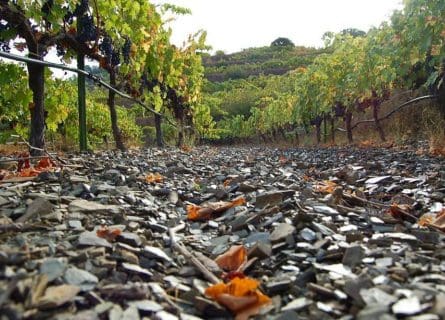
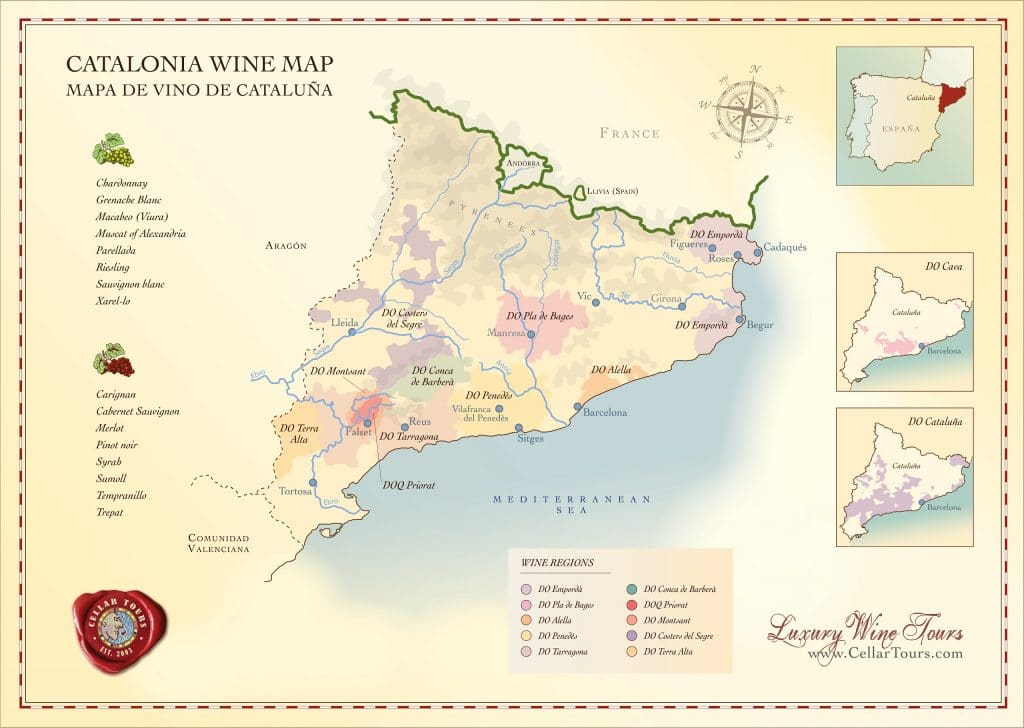
Generalizations are simply impossible. The growing conditions in this sizable region vary considerably, ranging from the steeply terraced vineyards of Priorat to the coastal subregions of Penedès, close to the beautiful town of Sitges. Penedès is Catalonia’s historic center of sparkling-wine production: the wider region is home to Cava, Corpinnat and Clàssic Penedès, as well as an increasingly ambitious range of still red and white wines. The epicenter of sparkling wine production is Sant Sadurní d’Anoia, located west of Barcelona. Like the rest of Catalonia, the landscape and soils are very heterogeneous: limestone, sand, gravel, and clay are all encountered in this sultry Mediterranean vineyard.
Climatic Variations
The warm climate of eastern Spain varies mainly with altitude – low-lying parts in the interior can be scorching and dry; it also gets hotter the further south you go. However, the coastal regions benefit from maritime breezes – a real asset in July and August. There are two mountain ranges and a valley in the middle of Penedès, resulting in different mesoclimates and soil types.
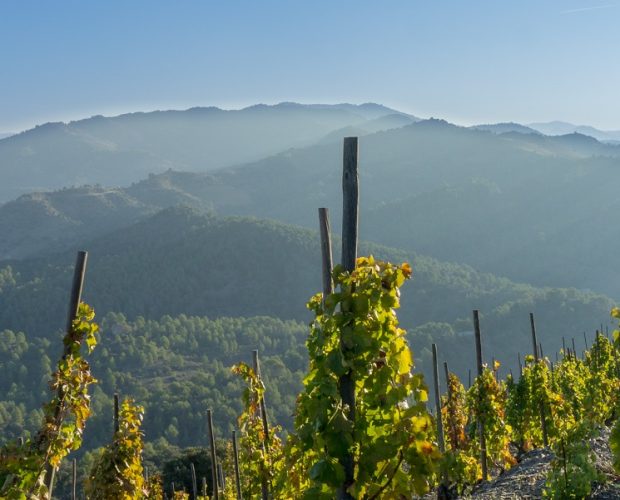
Meanwhile, the higher elevation sites of the interior rise to over 800 meters above sea level. Diurnal temperature variation, a grower’s best friend, moderates the summer heat in the evening; this, in turn, helps to keep acidity levels reasonably synchronized with sugar, ensuring that freshness is not sacrificed at the altar of ripeness. The Serra de Montsant also plays an important role, sheltering the vineyards of Priorat from cold northerly winds.
Terroir delineation is also a subject of growing importance in Catalonia. DO Penedès now divides its territory into ten distinct zones: Alts d’Ancosa, Conca de Foix, Costers de l’Anoia, Costers del Lavernó, Costers del Montmell, Marina del Garraf, Massís del Garraf, Montanyes d’Ordal, Turons de Vilafranca, and Vall Bitlles-Anoia. Each reflects meaningful differences in altitude, maritime influence, rainfall, soils, and exposure.
More recently, the ruling council of Priorat unveiled a new classification framework in 2019, identifying wines by increasingly precise geographic origins. It begins with generic DOQ Priorat, followed by Vi de Vila, Vi de Paratge, Vinya Classificada, and Gran Vinya Classificada. The three vineyards recognized at the highest level are L’Ermita, owned by Álvaro Palacios; Mas de la Rosa, owned by Vall Llach; and Tossal d’en Bou, owned by Mas Doix. Their distinction rests on traceable origin and the exceptional qualities of individual vineyard sites rather than price or critical acclaim.
In 2015, DO Cava created its most site-specific category, Cava de Paraje Calificado, with the first individual sites recognized in 2017. The requirements go far beyond those expected of standard Cava: vines must be at least ten years old, grapes must be harvested by hand, the maximum permitted yield is 8,000 kilograms per hectare, and the wines must spend at least 36 months on the lees before disgorgement.
Planning a Wine Trip in Catalonia
Barcelona is the obvious launch pad for exploring Penedès and Alella: both are close enough for an unhurried day among the vines. Priorat and Montsant are a different proposition. The roads twist deep into the hills, distances can be deceptive, and the finest visits deserve more than a hurried dash from the city; an overnight stay around Falset or Gratallops makes far better sense. Empordà, meanwhile, sits more naturally with Girona and the Costa Brava than Barcelona.
Many of Catalonia’s most interesting estates remain small, family-run affairs that receive visitors by prior arrangement. Two appointments a day is generally ample once a serious Catalan lunch enters the equation. A private driver is less an indulgence than common sense in a region of steep mountain roads, generous pours, and wonderfully elongated meals.
Planning resources
Winemaking and regional classifications
Of the many appellations and subregions found throughout Catalonia, DO Penedès is among the most important. First unveiled in 1960, the designation permits red, white, rosé, and sparkling wines to be made across the multitude of coastal and inland terroirs that define this underrated bastion of premium wine. International varieties play a key role in many labels, a practice encouraged by the Torres family since the mid-twentieth century. Yet experimentation with indigenous grapes such as Trepat and Sumoll is also in vogue; the fascination with aging wines in tinajas (clay pots) and concrete eggs has reached a fever pitch in eastern Spain. From the 2025 harvest, all wines carrying the DO Penedès name must be organically certified.
Evolution of Cava
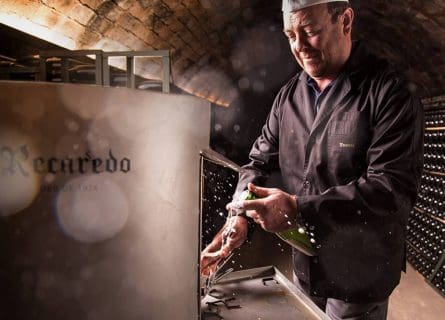
The vast majority—over 95%—of Cava is made in Catalonia, alongside the sparkling wines of Clàssic Penedès and Corpinnat. The top vineyard sites are cultivated on a plateau surrounding Sant Sadurní d’Anoia. Macabeo, Xarel·lo, and Parellada are blended to make a traditional-method bubbly that barely resembles Champagne. Indeed, even the use of Chardonnay and Pinot Noir by Codorníu and others has not fundamentally altered Cava’s image.
Corpinnat is not an appellation but an EU collective brand founded in 2018. Its rules require organic grapes, hand harvesting, complete vinification on the producer’s premises, a minimum of 18 months of bottle aging, and at least 90% historic grape varieties. The wines of Recaredo and Gramona are particularly outstanding.
So, too, are the best reds of Montsant and Priorat in a league of their own. In the latter, old bush vines, llicorella soils, and exceptional winemaking produce wines of remarkable concentration. Yet the best labels are always balanced, showing good freshness and characteristic mineral purity. Garnacha and Cariñena perform best here, yielding wines that many growers in the Rhône can only dream of.
The vineyards of Montsant, tucked in around Priorat, produce dense, balsamic Garnacha reds and some very fine whites from Garnacha Blanca. Prices are generally lower than in their more famous neighbor, although the best wines possess a distinct identity of their own.
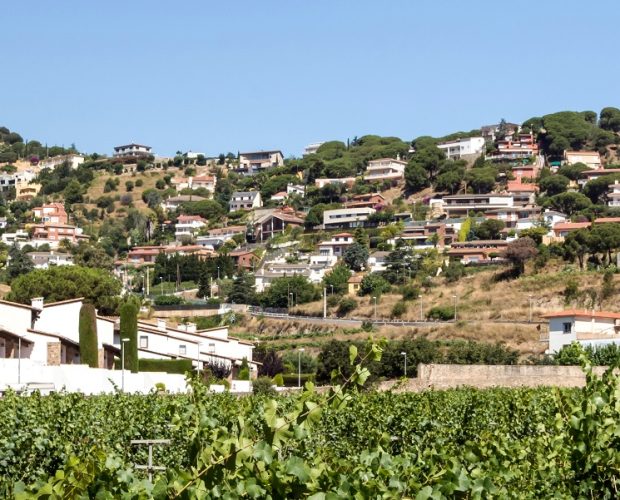
Two of Catalonia’s less famous DOs are Alella and Empordà. On the coast immediately north of Barcelona, the winegrowers of Alella are fighting to keep their heritage alive, mindful of the avaricious appetite of local property developers. Still, winemaking continues to thrive in the zone, producing an eclectic range of wines from a mixture of local and imported grape varieties.
The northernmost of Catalonia’s DOs is Empordà, once maligned as a source of cheap tourist plonk, most notably harsh and deeply coloured rosé. But a mixture of investment and young blood has given the appellation a new lease of life; Empordà now produces an exciting range of red and white blends. All in all, Catalonia could be said to be Spain’s most diverse vineyard.
Facts & Figures
-
Key wine styles
- Traditional-method sparkling wines
- Garnacha- and Cariñena-led reds
- Whites based on Xarel·lo, Macabeo and Garnacha Blanca
- Rosé and sweet wines
-
Appellation structure
- 12 denominations of origin, including DOQ Priorat and the cross-regional DO Cava
- Alella, Catalunya, Cava, Conca de Barberà, Costers del Segre, Empordà, Montsant, Penedès, Pla de Bages, DOQ Priorat, Tarragona, and Terra Alta.
-
Hectares under vine
- Approximately 50,000 hectares
-
Average annual production
3.2 million hectolitres
-
Approximate number of producers
800 approx
The lowdown

In the mid-twentieth century, few collectors and critics took Catalonia seriously. Its nascent DOs, especially Penedès, took a while to get into their stride, producing very lackluster wines from international grapes found across Western Europe. The viticultural landscape did little to quicken the pulse, while Cava seldom rose above the level of ordinary.
Today, though, Barcelona is a city with a global buzz; culturally and gastronomically, it is one of the most dynamic cities in Europe. This has greatly helped to bring more international attention to the diverse wines of Catalonia, attracting significant—and vital—investment into the region. The vineyards of eastern Spain, stretching from the hot Mediterranean coast to the altitudes where cold is a useful quality factor, are being put through their paces.
Sustainable and organic viticulture is now a significant focus in the region—a positive development around which producers can coalesce their efforts. Torres has led the movement, although plenty of smaller outfits are no less passionate about protecting the future of their children and grandchildren.
Priorat’s Leadership
Meanwhile, Priorat continues to lead the way in embracing a paradigm that places terroir at the top of the tree. It is responsible for one of Spain’s most expensive bottlings: L’Ermita. This Garnacha-dominant blend has few rivals in the world of fine Spanish wine.
Fifty years ago, the idea that Catalonia would lead the premium wine pack would have been met with snorts of derision. But times change: the Catalans now have a wine industry as prestigious as the excellent gastronomy that lures in sybarites from afar.
-
Alella Wine Region Guide
Explore Alella's exquisite wines, rich history, and stunning vineyards. Plan your visit to experience the best wineries and scenic beauty today! Explore region -
Cava Wine Region Guide
Cava wine region: From terroir to grape varieties, uncover the art of Spain's sparkling treasure. Plan your trip today! Explore region -
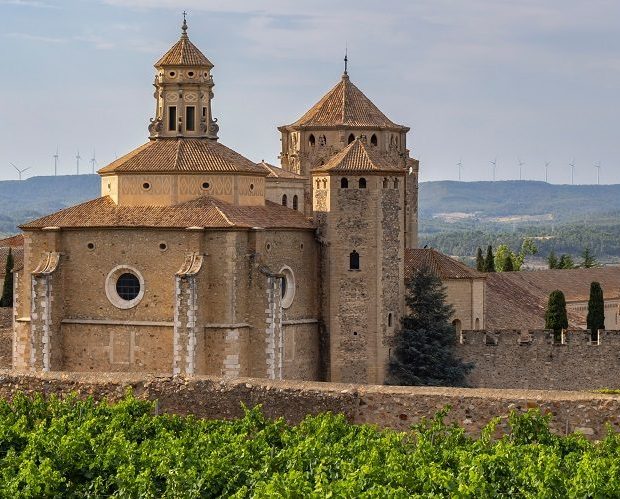
Conca de Barberà Wine Region Guide
Conca de Barberà: Catalunya's wine gem between rivers & peaks. Celebrate deep-rooted vines & unique terroir. Plan your visit today! Explore region -
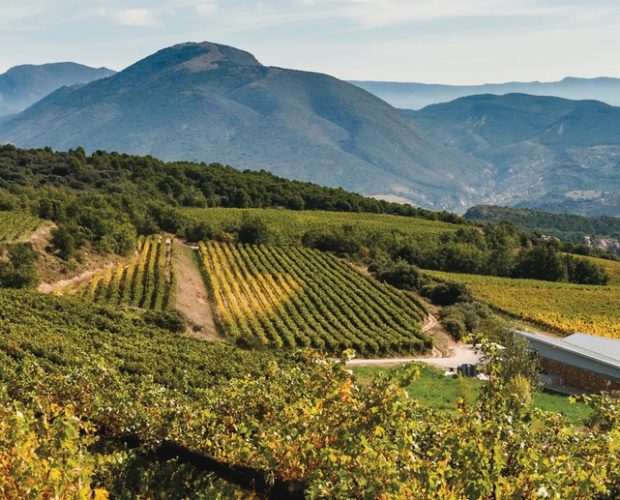
Costers del Segre Wine Region Guide
Costers del Segre in Catalunya has transformed into a renowned wine region due to Torres family's investment, planting and utilizing diverse terrain Explore region -
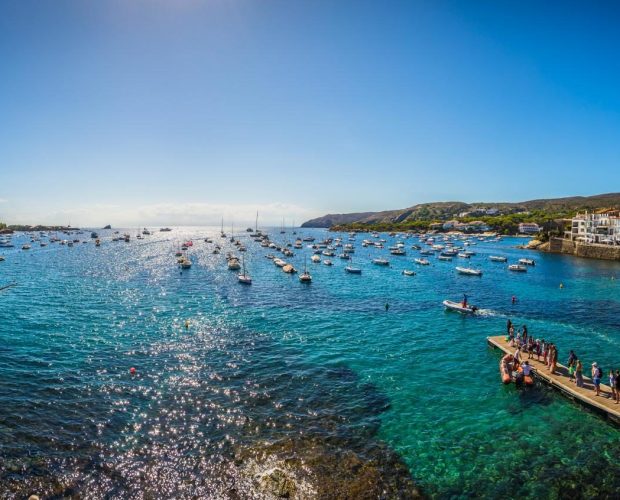
Empordà Wine Region Guide
Unveil the Essence of Empordà: A Remarkable Journey through a Captivating Wine Region. Discover Hidden Delights & Savor Exquisite Flavors.Plan your trip! Explore region -

Montsant Wine Region Guide
Explore Montsant Wine Region and indulge in its rich heritage. Discover award-winning wines, and breathtaking landscapes. Plan your trip today! Explore region -
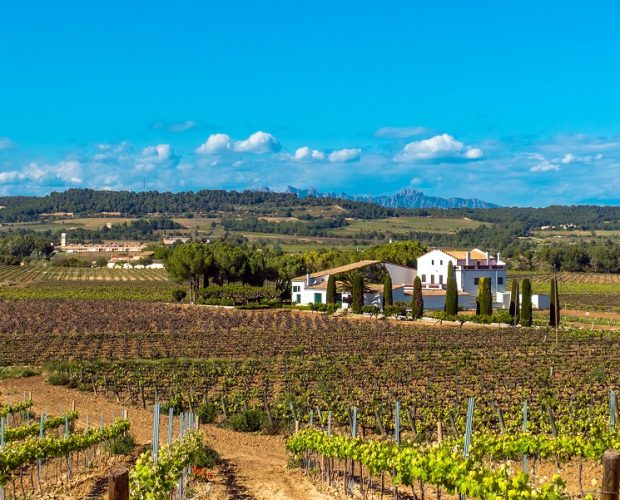
Penedès Wine Region Guide
Explore Penedès: Birthplace of Cava, exceptional wines, iconic brands, sustainability. Plan your wine adventure! Explore region -
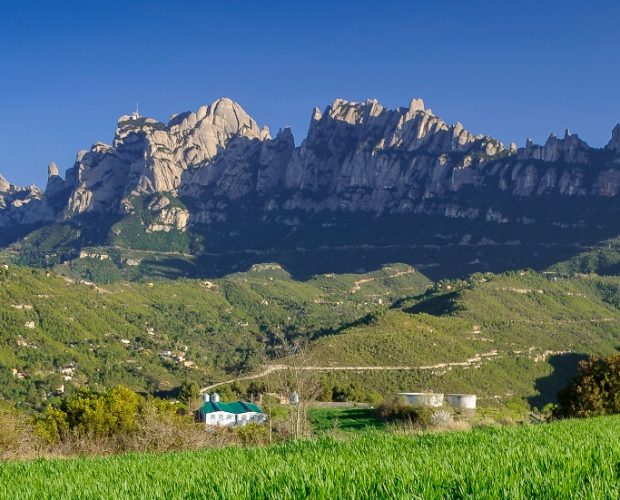
Pla de Bages Wine Region Guide
Pla de Bages: Catalonia's wine oasis near Barcelona. Dive into diverse terrains & wines from misty valleys. A serene Catalunya gem awaits. Explore region -
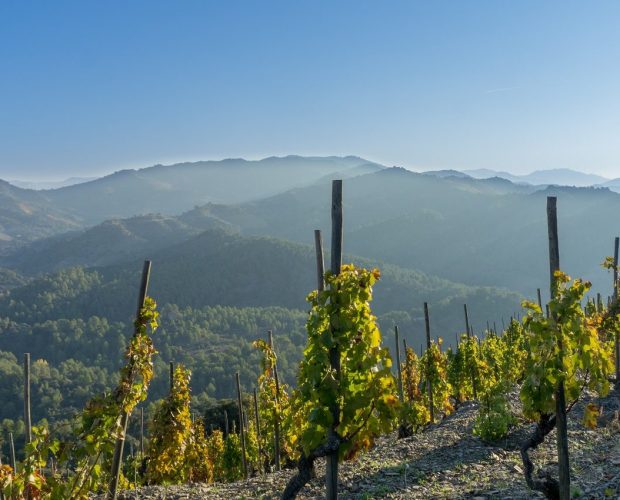
Priorat Wine Region Guide
Explore Priorat DOQ, its Garnacha and Cariñena wines, llicorella soils, historic villages and leading wineries, with a map and practical travel advice. Explore region -
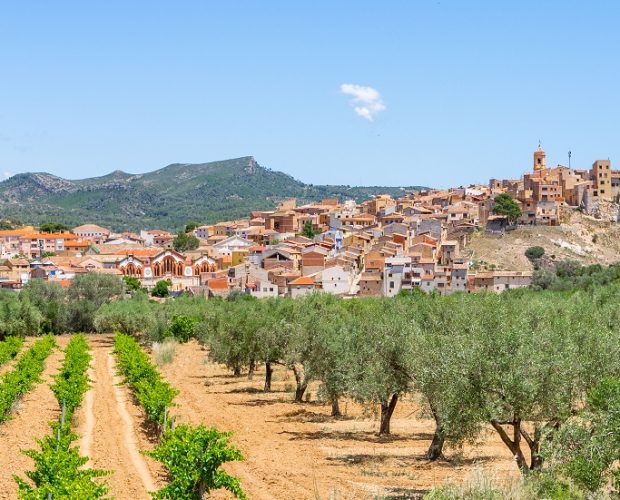
Terra Alta Wine Region Guide
Catalunya's Terra Alta region is known for its diverse viticulture and Garnacha Blanc grape cultivation. Its elegant wines are gaining recognition beyond the area. Explore region -
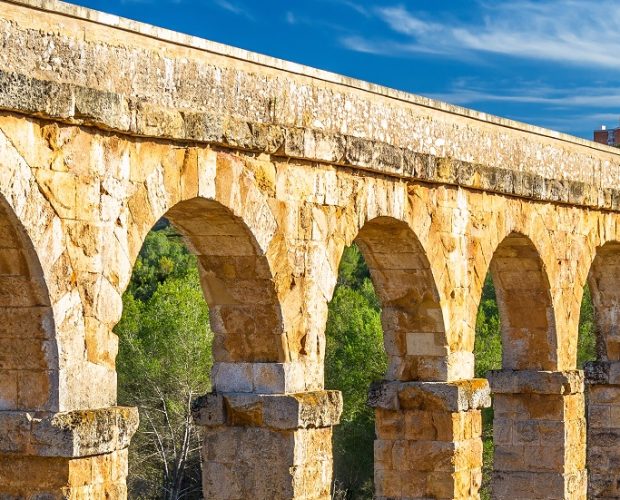
Tarragona Wine Region Guide
Tarragona: A must-visit for diverse wines from robust reds to trendy whites, showcasing Catalunya's evolving viticulture near Barcelona. Explore region
Principal Grape Varieties of Catalonia
-
White grape
Chardonnay
Chardonnay is a green-skinned grape varietal native to the Burgundy wine region in France and one of the most popular varieties worldwide. View grape -
White grape
Garnacha Blanca
Discover the Allure of Grenache Blanc: Full-Bodied White Wine from Northeastern Spain. Experience the Richness of High Alcohol, Low Acidity Wines. View grape -
White grape
Macabeo (Viura)
Discover Viura: Rioja's Prominent White Grape & Catalonia's Macabeo. Explore its versatility in exquisite wines. A must-read for wine enthusiasts. View grape -
White grape -
White grape
Parellada
Unveil the allure of Parellada grape: a Spanish gem crafting elegant sparkling & white wines. Explore its unique qualities & flavor profile. View grape -
White grape
Riesling
Discover Riesling's charm, a white grape from Germany's Rhine region, cherished in Alsace, France. Unveil its secrets and delights View grape -
White grape
Sauvignon Blanc
The sauvignon blanc grape varietal, originally from the Bordeaux region of France, is now one of the world's most loved white varieties. View grape -
White grape
Xarel-lo
Unveiling Xarel-lo: A Key Grape in Catalonia's Cava Sparkling Wine. Discover the Intriguing Role of Xarel-lo in Spain's Sparkling Delight. View grape -
Red grape
Carignan
Learn about Carignan wine, from old-vine Languedoc and Priorat to its flavor profile, synonyms, food pairings, and best examples. View grape -
Red grape
Tempranillo
Discover Tempranillo: Spain's iconic red grape. From Ribera del Duero to Toro, it yields concentrated wines. Explore its synonyms and unleash its prowess. View grape -
Red grape
Cabernet Sauvignon
Learn what Cabernet Sauvignon tastes like, where it grows best, why it matters in Bordeaux, and how to pair and serve this age-worthy red grape. View grape -
Red grape
Garnacha
Garnacha: Spain's Red Gem. Akin to Pinot Noir, it bridges terroir and winemaking, crafting captivating expressions. View grape -
Red grape
Merlot
Merlot is the most cultivated grape in Bordeaux and closely related to Cabernet Franc View grape -
Red grape
Pinot Noir
Pinot Noir is one of the world’s great red wine grapes. Learn its flavors, food pairings, key regions, Burgundy styles, Champagne role, and why it is so difficult... View grape -
Red grape
Syrah
Discover Syrah, from Northern Rhône classics to Shiraz, with flavor profile, regions, aging potential, and food pairings. View grape -
Red grape Sumoll
Sumoll is an intriguing red grape variety from Catalonia, Spain, gaining recognition for its unique flavor profile of red berries, herbs, and earthy tones. Recently experiencing a resurgence,... -
Red grape Trepat
Trepat is a red grape variety native to northeastern Spain, specifically the Catalonia region. It produces light-to-medium-bodied wines with low tannins and high acidity, making them particularly well-suited...
Catalonia gastronomy
The fierce rivalry between the Catalans and Basques is well known. Yet nothing brings out local furor more than the subject of gastronomy; as far as the Catalans are concerned, this is THE definitive place to eat out in Spain. And it’s hard to argue with several of Europe’s leading three Michelin-starred restaurants, a surfeit of more informal taverns, exquisite tapas, and seafood on tap. Catalonia’s varied and sophisticated cooking embraces sweet and savory combinations, fish stews, excellent game, and several classic sauces like spicy romesco. Catalan sausages, especially those from the mountain town of Vic, are renowned.
Cellar Tours’ Selection of Wineries in Penedès and Priorat
DO Cava 3 wineries
- Codorníu Discover the rich history and excellence of Codorníu, one of Spain's oldest and most respected Cava houses. Plan your visit today! View winery
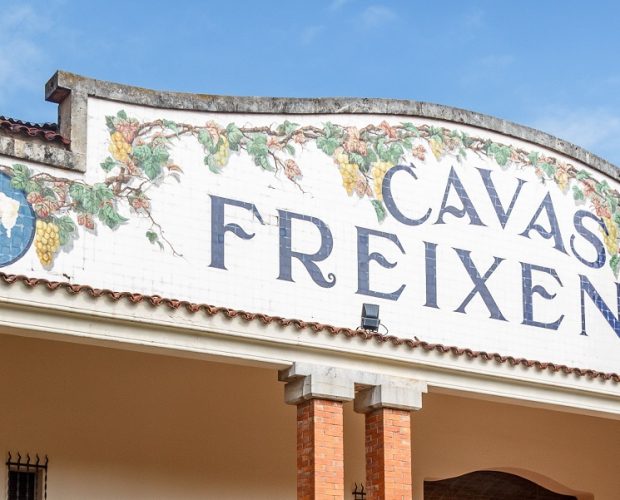
- Freixenet Explore Freixenet Winery's rich history and exceptional wines. From its origins as Casa Sala to the launch of its flagship wines, Carta Nevada and Cordon Negro. Plan your... View winery
- Segura Viudas Discover the tradition and excellence of Segura Viudas Winery, known for its exceptional cavas and still wines. Plan your visit today! View winery
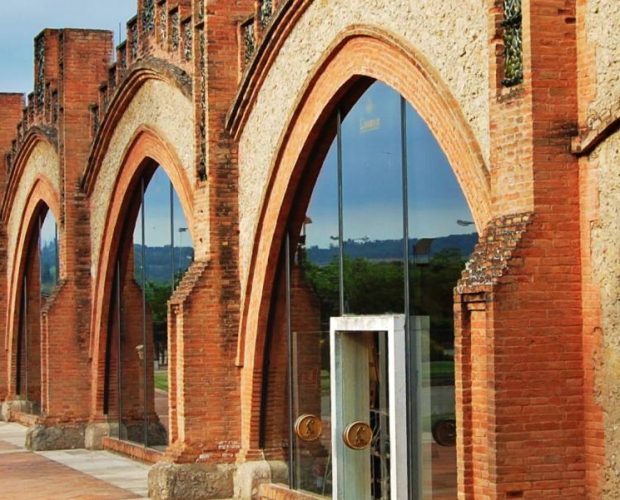
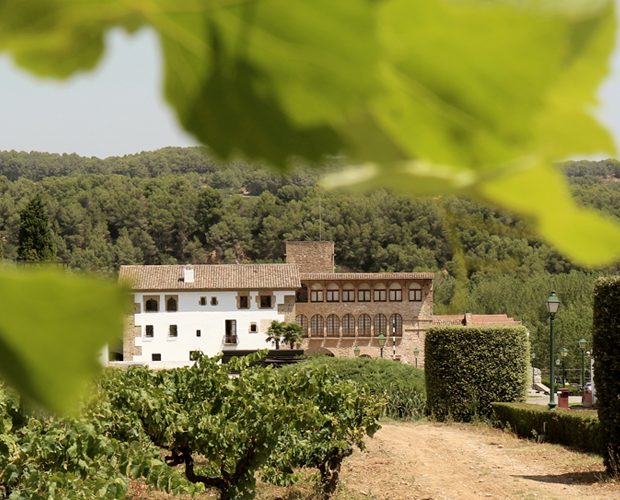
Conca del Riu Anoia 1 winery
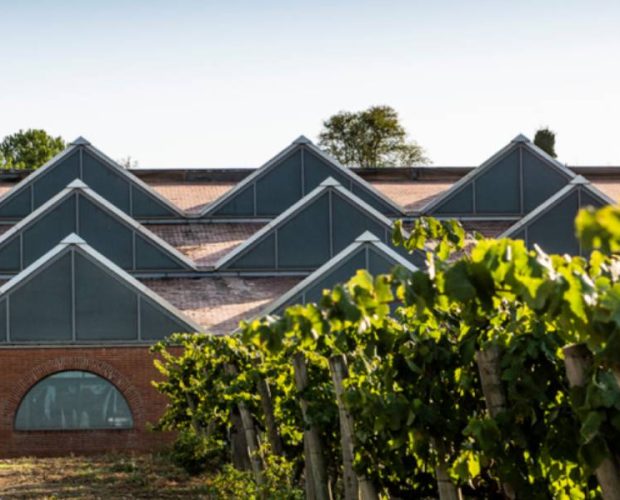
Corpinnat 4 wineries
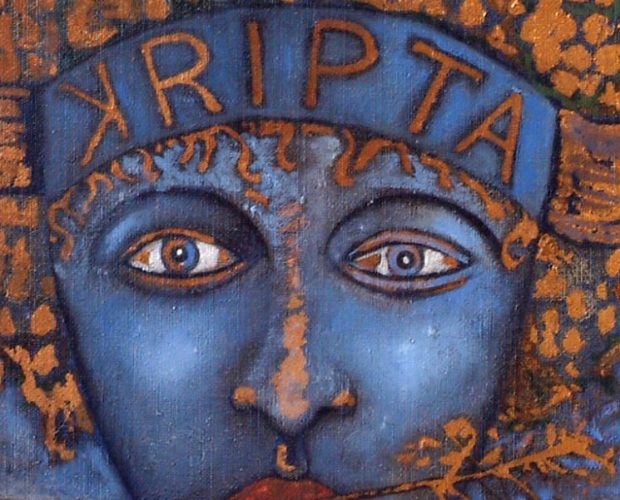
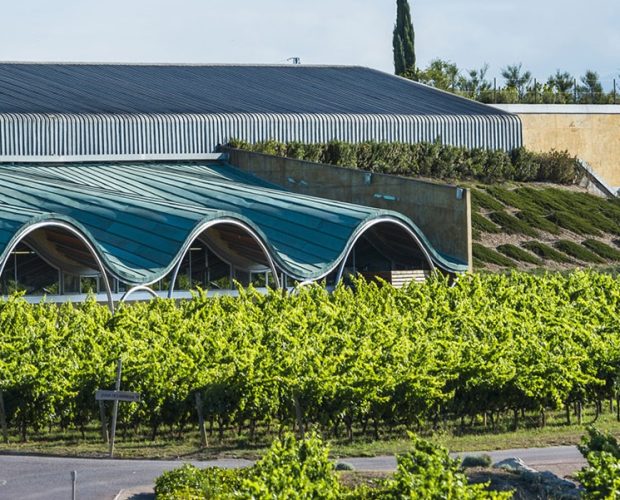
- Celler Kripta Founded by Agustí Torelló Mata, Celler Kripta joined Corpinnat in 2025. It specialises in long-aged sparkling wines based on Macabeu, Xarel·lo, and Parellada. View winery
- Gramona A founding member of Corpinnat, Gramona is known for long-aged sparkling wines, biodynamic viticulture, and traditional cellar work in Sant Sadurní d’Anoia. View winery
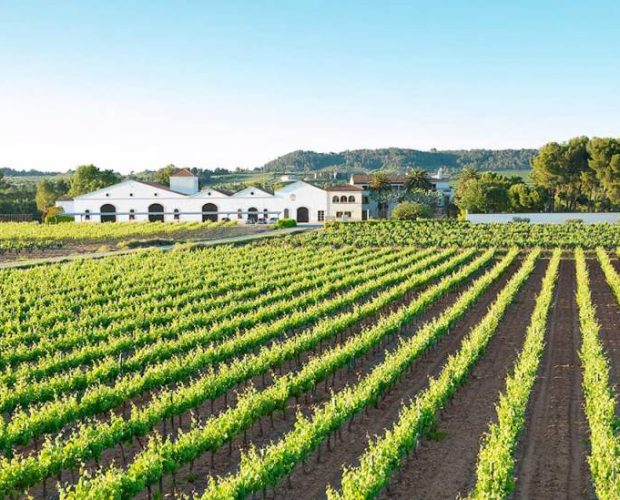
- Nadal The Nadal family has cultivated grapes at Finca Nadal de la Boadella since 1510. Today, the estate produces Corpinnat sparkling wines alongside still white wines. View winery
- Recaredo Recaredo specialises in long-aged Brut Nature Corpinnat from biodynamically farmed vineyards, with ageing under natural cork and manual disgorgement. Visit website
Penedès 4 wineries
- Albet I Noya Explore the Albet I Noya and uncover the finest wines and vineyards. Savor its exceptional flavors and unforgettable experiences. Plan your visit today! View winery
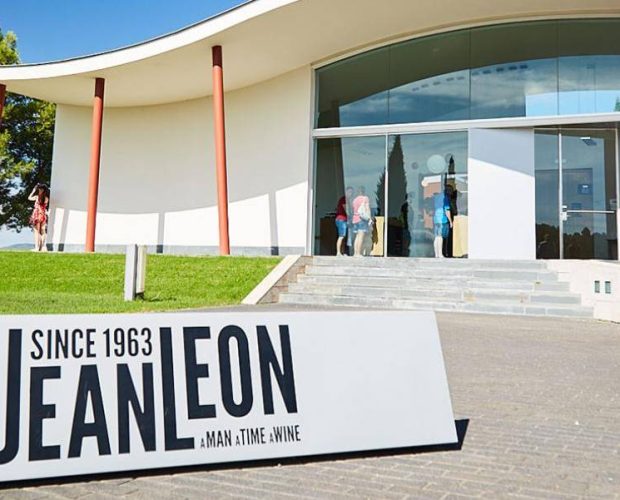
- Jean Leon Plan a visit to Jean Leon in Penedès with Cellar Tours’ winery guide, including estate history, wines produced, visitor context, and private wine tour ideas near Barcelona. View winery
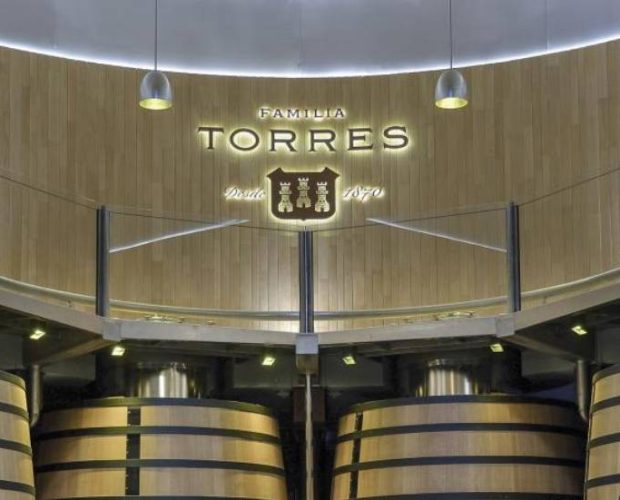
- Miguel Torres The Torres family has been cultivating their own vineyards in the beautiful, Mediterranean region of Penedès for the last 300 years. View winery
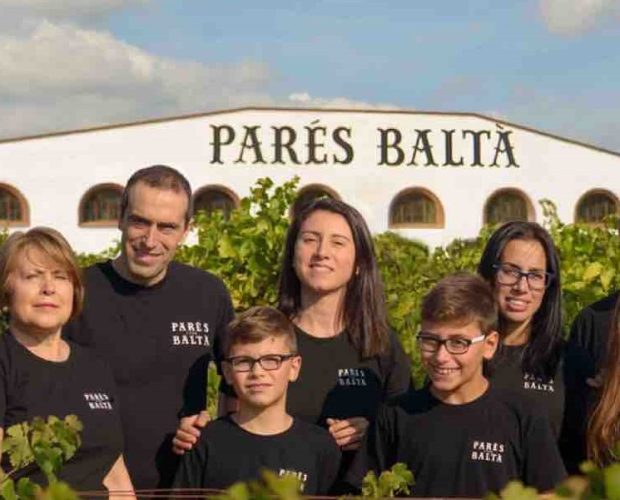
- Parés Baltà Discover the history and wines of Pares Balta Winery in Penedes, from its origins to modern-day sustainable and organic production. Plan your visit today! View winery
Priorat 7 wineries
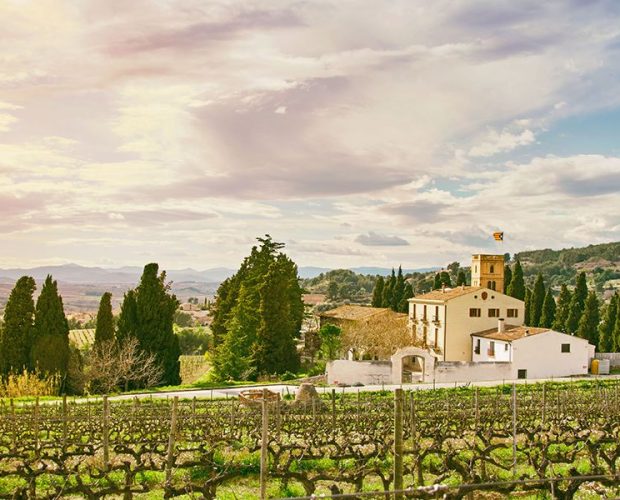
- Capafons-Ossó The Capafons-Ossó family has cultivated vines for five generations. Its Mas de Masos estate combines old Garnacha and Cariñena with steep llicorella vineyards rising to 600 meters. View winery
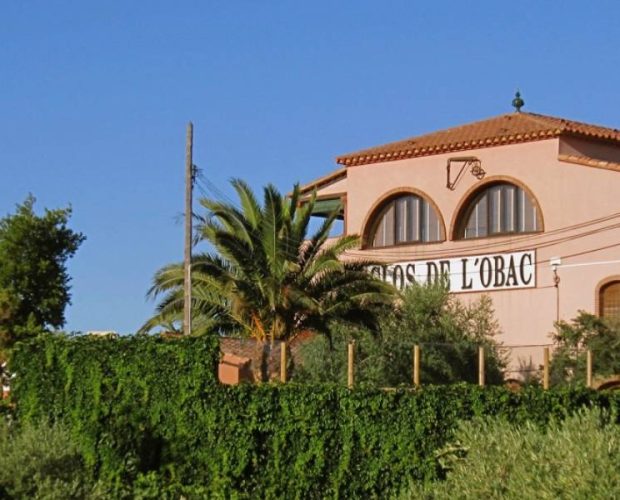
- Clos de l’Obac Founded by Carles Pastrana and Mariona Jarque, Clos de l’Obac was one of the estates behind Priorat’s modern revival and has produced its signature wines in Gratallops since... View winery
- Clos Erasmus Clos Erasmus is the flagship wine of Clos i Terrasses, Daphne Glorian’s small Gratallops estate and one of the pioneering names behind Priorat’s modern revival. View winery
- Clos Figueras Acquired by Charlotte and Christopher Cannan in 1997, Clos Figueras combines old Garnacha and Cariñena vineyards with a winery, restaurant, and small guesthouse in Gratallops. View winery
- Clos Mogador The Barbier family produced its first Clos Mogador in 1989. Today, the Gratallops estate combines regenerative farming with distinctive wines including Clos Mogador, Manyetes, and the white Nelin. View winery
- La Conreria de Scala Dei Based near the historic village of Escaladei, La Conreria produces Garnacha- and Cariñena-led reds alongside Les Brugueres, its distinctive white Priorat based on Garnacha Blanca. View winery
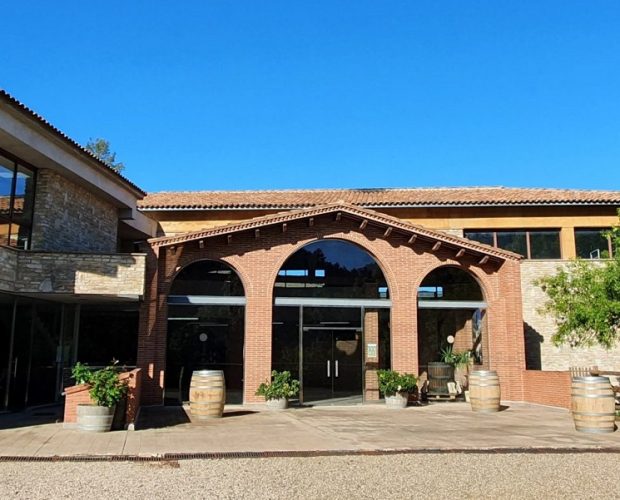
- Mas Doix Founded in Poboleda in 1998, Celler Mas Doix specializes in elegant wines drawn from old Garnacha and Cariñena vines growing beneath the Serra de Montsant. View winery
Further Reading
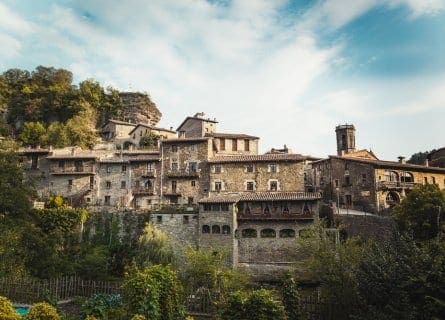
Captivating Villages of Catalonia, Spain
June 4, 2018
Experience Spain's rich culture in Catalonia's traditional villages, exploring ancient hamlets and Costa Brava beaches. Visit today!
Read article
What Is Cava? Spanish Sparkling Wine, Styles & Pairings
April 28, 2024
Learn what Cava is, how it is made, how it differs from Champagne and Prosecco, and where to taste it in Penedès.
Read article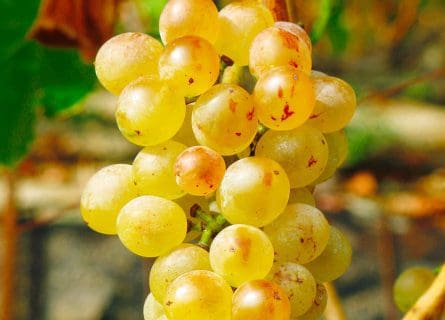
Garnacha Blanca Grape Variety: The Comeback Kid
June 29, 2022
Discover the Allure of Grenache Blanc: Full-Bodied White Wine from Northeastern Spain. Experience the Richness of High Alcohol, Low Acidity Wines.
Read article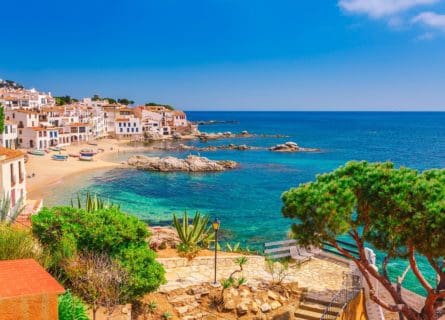
Catalan Cuisine from Tapas in Barcelona to Seafood in Costa Brava
February 18, 2022
Embark on a Culinary Journey through Catalonia's Rich Flavors! Discover the Ultimate Guide to Delight Your Taste Buds. 🍴 Start Your Food Adventure Now!
Read article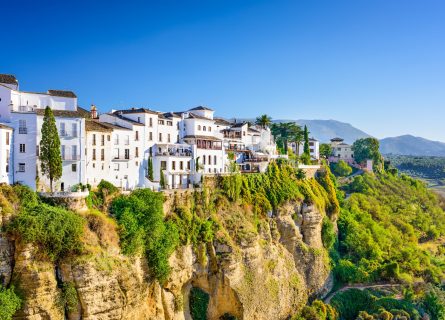
Captivating Charms: Exploring Spain’s Ten Most Exquisite Villages
January 13, 2010
Embark on a captivating journey through Spain's diverse villages, from Arab whitewashed gems to slate 'pizarra' treasures. Plan your trip now!
Read article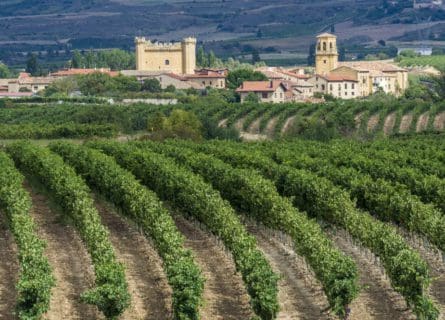
Savor Spain’s Finest: Discover the Top Ten Wineries for Unforgettable Visits
December 19, 2017
Discover Spain's finest wineries: Unforgettable visits to the top ten, revealing rich heritage, breathtaking vineyards, and exceptional wines.
Read articleAuthor