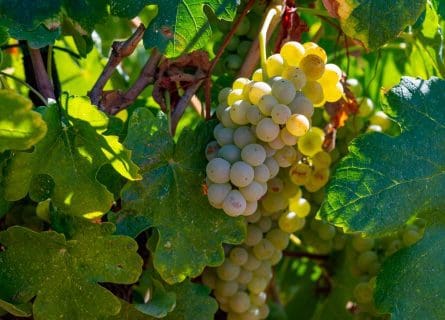
Roussanne Grape Variety: Collectability Credentials
October 4, 2022
Learn about Roussanne, the elegant white grape native to Rhône. Often blended with Marsanne, explore its unique qualities and rich heritage in our guide.
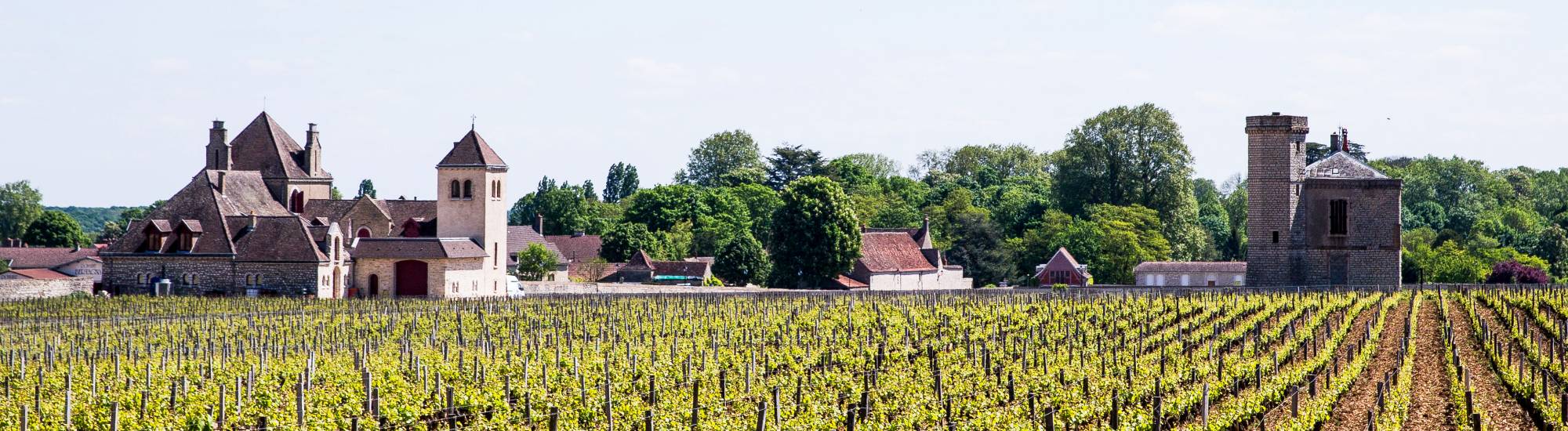
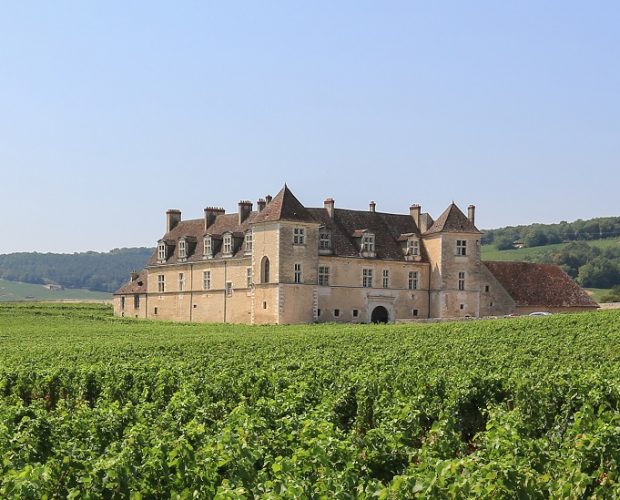
Read articleChâteau de Pommard is one of the best-known estates in the village of Pommard. This prestigious estate is one of the great names of Pommard, above all for its Pinot Noir from the historic Clos Marey-Monge, the walled vineyard behind the estate’s flagship Grand Vin du Château de Pommard. With a formidable history of producing quality wine, Château de Pommard needs little introduction to Burgundian wine lovers. Over the centuries, each generation of Château de Pommard’s owners has done much to further the high reputation of the area’s wines. However, the name is slightly misleading, for the estate comprises two glorious Châteaux, built in the 18th and 19th centuries, respectively. With separate yet intertwined histories, both properties make for a fascinating discovery in the world of Burgundy.
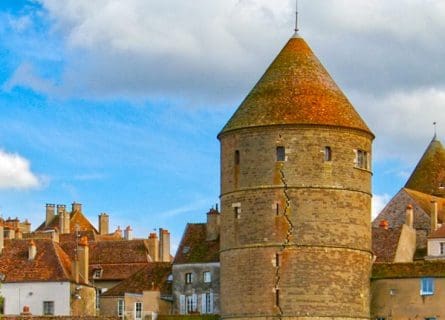
The estate has quite an aristocratic pedigree; the first property, known as Château Vivant Micault, was built in 1726 by a French noble of the same name. As a key member of the court of King Louis XV, Micault used his influence to construct a grand Regency-style Château on the site of a decaying Feudal building that the ravages of history had left in ruins. The original building dates back to the Middle Ages – legend has it that Henry IV visited the Château and tasted the wines of Pommard during his travels through Burgundy. Sadly, the outbreak of the French Revolution meant difficult choices for the incumbent Marey-Monge family; they sold the Château, kept the vineyards, and eventually, the future generation constructed a new Château once the political turmoil had passed. Château Marey-Monge, designed in a bold neoclassical style, was founded in 1802 and is today considered the main Château of Château de Pommard. Subsequently, the Nicolas-Joseph Marey family restored the first building, and finally, the two historic Châteaux, along with the precious Clos, were reunited under a single ownership. In 1936, it was acquired by the Laplanches family, who kept control of the estate until 2003, when the legendary Maurice Giraud bought it.
Giraud, a successful entrepreneur from the Savoie region, modernized the estate and expanded its wine tourism profile. He promptly appointed Philippe Charlopin of Gevrey-Chambertin as estate manager and initiated a series of major quality improvements and investments in winemaking. Unlike some of his neighbors, Giraud was also aware of the importance of wine tourism; the Château is now a beacon for visiting wine lovers, offering a world-class art collection, no less. At the age of 73, Giraud retired and sold the estate to an American investor, Michael Baum, in 2014. American technology entrepreneur Michael Baum has promised to continue Giraud’s vision of no-expense-spared winemaking and tourism facilities.
Recent investment has helped raise the estate’s profile and sharpen its focus on wine tourism and quality. Thanks to this investment and the savoir-faire of cellar master Emmanuel Sala, the wines are rarely anything less than superb. Sala takes a somewhat intuitive and responsive approach to winemaking, emphasizing the style of a particular vintage rather than producing reliable if bland consistency. However, despite stylistic variations across years, the wines are usually concentrated, fruit-driven, and structured. With a wide range of wines from different appellations, there is something to please everyone. Still, collectors are particularly drawn to the powerful and age-worthy Grand Vin – a fitting testament to the Château de Pommard Clos’ unique terroir. Visit this beautiful property on a private wine tour of Burgundy with us; please contact us for more details.
Château de Pommard is one of the most accessible and rewarding visits near Beaune for your clients interested in Pinot Noir, walled vineyards, and the history of Burgundy’s Côte de Beaune. Visits can focus on the historic Clos Marey-Monge, the estate’s two châteaux, Burgundy terroir, and comparative tastings of Pinot Noir and Chardonnay from the wider region. Cellar Tours includes a visit to Château de Pommard for our clients as part of a private Burgundy itinerary with leading domaines in Pommard, Volnay, Meursault, Beaune, and the Côte de Nuits, subject to availability.
1726
35 years+
October 4, 2022
Learn about Roussanne, the elegant white grape native to Rhône. Often blended with Marsanne, explore its unique qualities and rich heritage in our guide.
Read article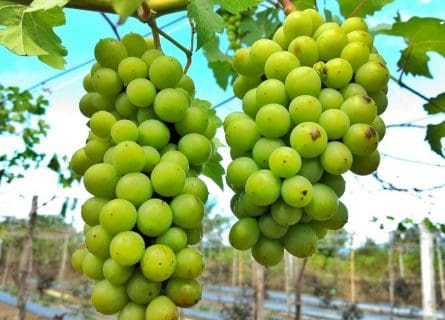
August 28, 2022
Colombard is a white wine grape varietal, most famously known for its use in the production of Cognac and Armagnac.
Read article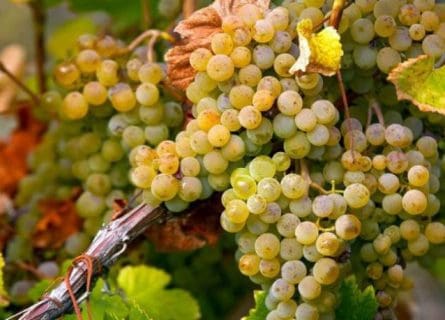
September 8, 2022
Mauzac: A white grape mainly grown in Gaillac and Limoux, Languedoc-Roussillon, Southern France. Often used in sparkling wines like Crémant de Limoux.
Read article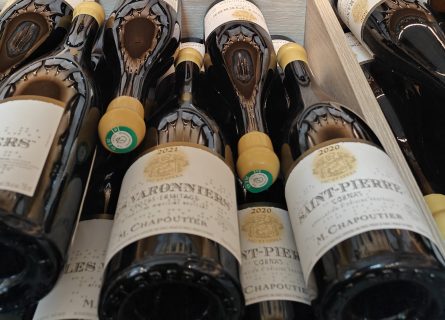
April 4, 2025
Uncover the rich history of French wine, from its Roman roots to the prestigious Bordeaux, Burgundy, and Champagne.
Read article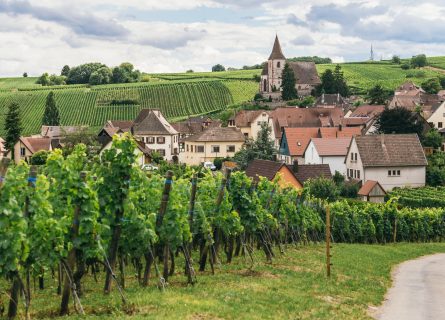
November 11, 2024
Understand Alsace wine classifications, from Alsace AOC and Grand Cru to Crémant d’Alsace, labels, grapes, and recent changes.
Read article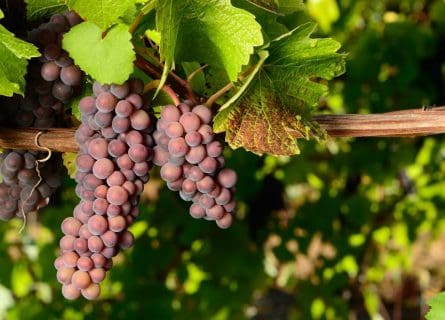
October 3, 2022
Pinot Gris is a white-wine grape variety originally from Burgundy. It is thought to be a mutant clone of Pinot Noir.
Read article