The Top Icon Wines of Chile
April 23, 2020
Explore Chile's top wines and stunning landscapes, from the Andes to luxury hotels and vineyards, highlighting diverse, high-quality, terroir-focused wines.
Read articleExplore Chilean Malbec, from its Bordeaux origins to Chile’s best regions, flavor profile, food pairings, and standout producers.
Chilean Malbec is a fresher, more restrained expression of Malbec than many Argentine examples, often showing black fruit, violet, spice, and bright acidity. The best examples are found in Maule and Colchagua, where Chile’s climate and alluvial soils produce elegant, food-friendly reds.
There can be few grape varieties more famous and world-renowned than Malbec. Originally from Bordeaux, Malbec found far greater international fame beyond France, especially in Argentina — and increasingly in Chile. The world, it seems, has fallen in love with Malbec’s density, generous fruit, and silky texture — the ideal accompaniment to rib-eye steak on a cold winter’s evening.
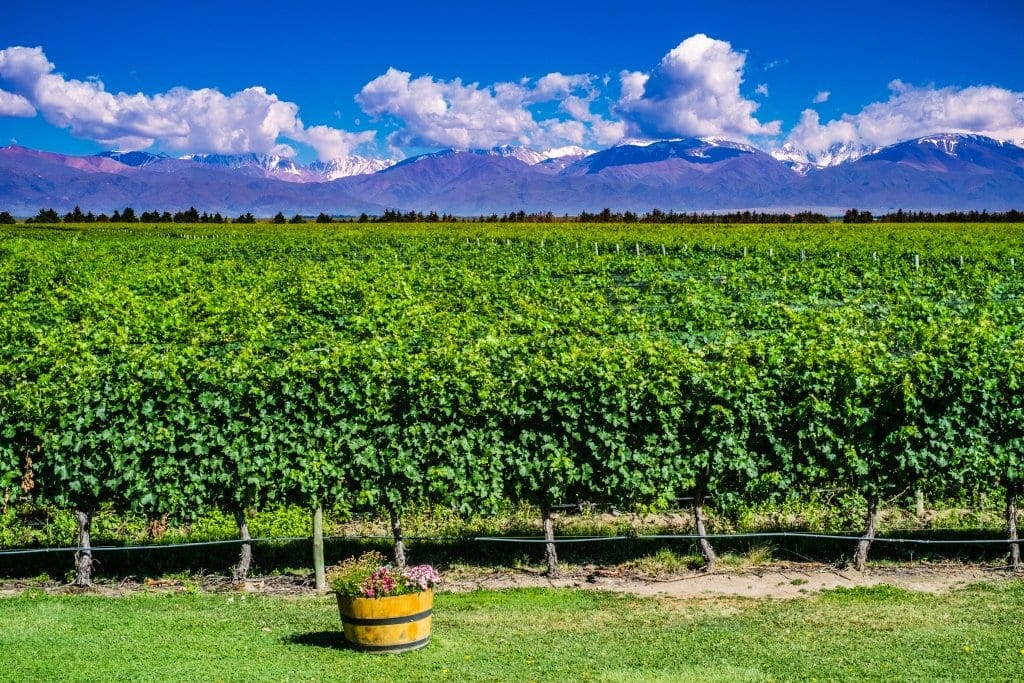
Today, Malbec is a potent symbol of the Argentine wine industry. It is certainly true that some of the best examples are now made in Mendoza’s high-altitude sites, particularly in the Tupungato sub-region. However, it is equally true that Argentina does not have a monopoly on fine Malbec, which often surprises aficionados of the grape. For a start, Malbec finds a natural home in Cahors in southwest France, where it is known locally as “Cot.” Excellent wines are also produced from a limited amount of old vine plantings in South Australia; it is also on the increase in New Zealand, and even the Loire Valley can occasionally turn its hand to Malbec!
Yet, Chile remains one of the most underrated and relatively unknown sources of high-quality Malbec. Of course, this is partly due to Chile’s astounding success with a wide selection of varieties – no other country in South America can match Chile for the consistency and diversity of its output, particularly in the white wine department. As such, wine lovers tend to forget that Chile offers an exciting alternative to Argentine Malbec. This becomes evident if you’re looking for lighter, fresher wines that eschew concentration, flesh, and high alcohol in favor of something altogether more elegant and understated.
Historically, Malbec has been cultivated in Chile for over a century, planted by wealthy landowners in the early 1900s. Inspired by trips to Bordeaux in the early 20th century, landowners such as Don Silvestre Errázuriz brought French grape varieties to Chile’s Central Valley, including Malbec, Cabernet Sauvignon, Merlot, Petit Verdot, and Semillon.
However, according to Eduardo Wexman, marketing manager at Montes, Malbec did not have a very exalted beginning in Chile: “Although there are records which show Malbec vines planted in Chile from the early nineteen hundreds, it is only since the late ‘90s that Malbec was taken seriously by winemakers in Chile.” Indeed, as with Chilean wine generally, mid-20th-century Malbec was of poor quality, produced in bulk, lacking the finesse and quality we see today from around the world.
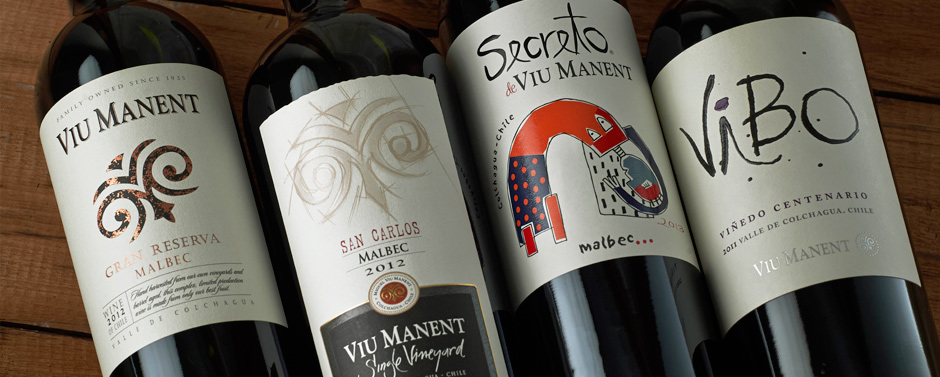
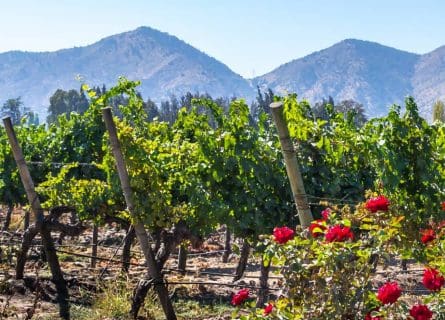
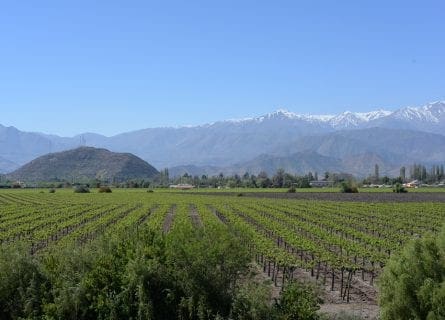
Nonetheless, over the past 15 years, winemakers have begun producing excellent wines from this majestic grape, having previously sidelined Malbec in favor of Merlot, Carménère, Cabernet Sauvignon, and Syrah. Today, the vast majority of quality Chilean Malbec is made in the Maule and Colchagua Valleys, two of Chile’s most important wine regions.
Maule, of course, requires little introduction to fans of Chilean wine. The southernmost region in the famous Valle Central, Maule, has traditionally been dominated by white varieties, but Merlot and Malbec increasingly thrive here. It was one of Chile’s first areas to plant vines, dating back to the colonial period, when the Spanish conquistadors arrived in South America.
Today, the region is split into several sub-zones – Claro, Loncomilla, and Tutuven – of which Claro has shown the most promise for Malbec. The climate is cooler than some of Chile’s more northerly regions, moderated by the Maule River, which flows east to west through the region. The soils are alluvial, encompassing granite, clay, and gravel, and the conditions are highly conducive to growing slow-ripening, highly aromatic fruit.
Colchagua has also shown great promise for producing elegant Malbec, and again, its alluvial soils are well-suited to this sometimes precocious variety. Indeed, Colchagua boasts something of a nirvana for winegrowers; ocean breezes offset a Mediterranean climate, and the coastal mountain slopes offer the perfect aspect and positioning for ripening both red and white varieties. The result is Malbec of the highest order: refined, structured, and not overblown.
Indeed, Chilean Malbec often represents the very antithesis of the Argentine equivalent, although that is not to suggest that the versions from Mendoza are inferior. In essence, Malbec produced in Chile is fresher, with higher natural acidity and floral notes, while Malbec from Mendoza offers a richer, more rounded, and textured style. Of course, variations do exist, and the winemakers’ personal philosophy will determine the final result as much as the terroir in which the grapes are grown.
But regardless of stylistic differences, Chilean Malbec is usually a great match for a variety of dishes. Its inherent freshness and floral character make it the ideal companion for:
In fact, the only question left worth asking is this: have the Chileans beaten their Argentine neighbors at their own game? The answer is no: both styles are sufficiently different to add more excitement and diversity to an already fantastic wine style.
Salud!

April 23, 2020
Explore Chile's top wines and stunning landscapes, from the Andes to luxury hotels and vineyards, highlighting diverse, high-quality, terroir-focused wines.
Read article
June 5, 2025
Explore the unique qualities of Trentodoc sparkling wines, known for their elegance, precision, and freshness. Discover why they stand out.
Read article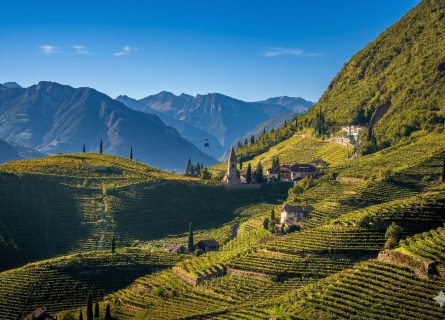
April 13, 2026
Explore the Alpine wines of Trentino and how unique growing conditions influence their flavor and elegance.
Read article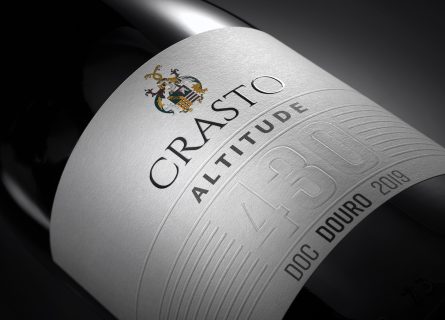
August 14, 2025
Explore the world of Portuguese wine labels and learn how they reflect the vineyards' quality and unique grape varieties.
Read article
December 15, 2025
Explore the unique Friuli Orange Wine, a skin-contact white wine with a rich history and distinct flavors worth discovering.
Read article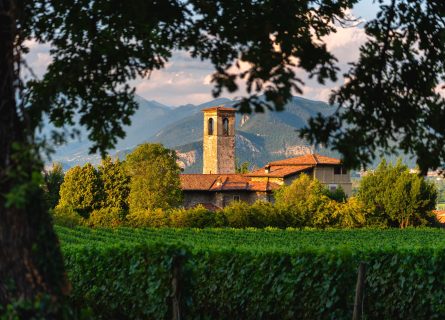
May 1, 2025
Explore the beauty of Franciacorta and discover the unique qualities of Franciacorta sparkling wine from Northern Italy.
Read article