South West France Wine Region Guide
A vast wine country of Malbec, Tannat and Manseng
Introduction
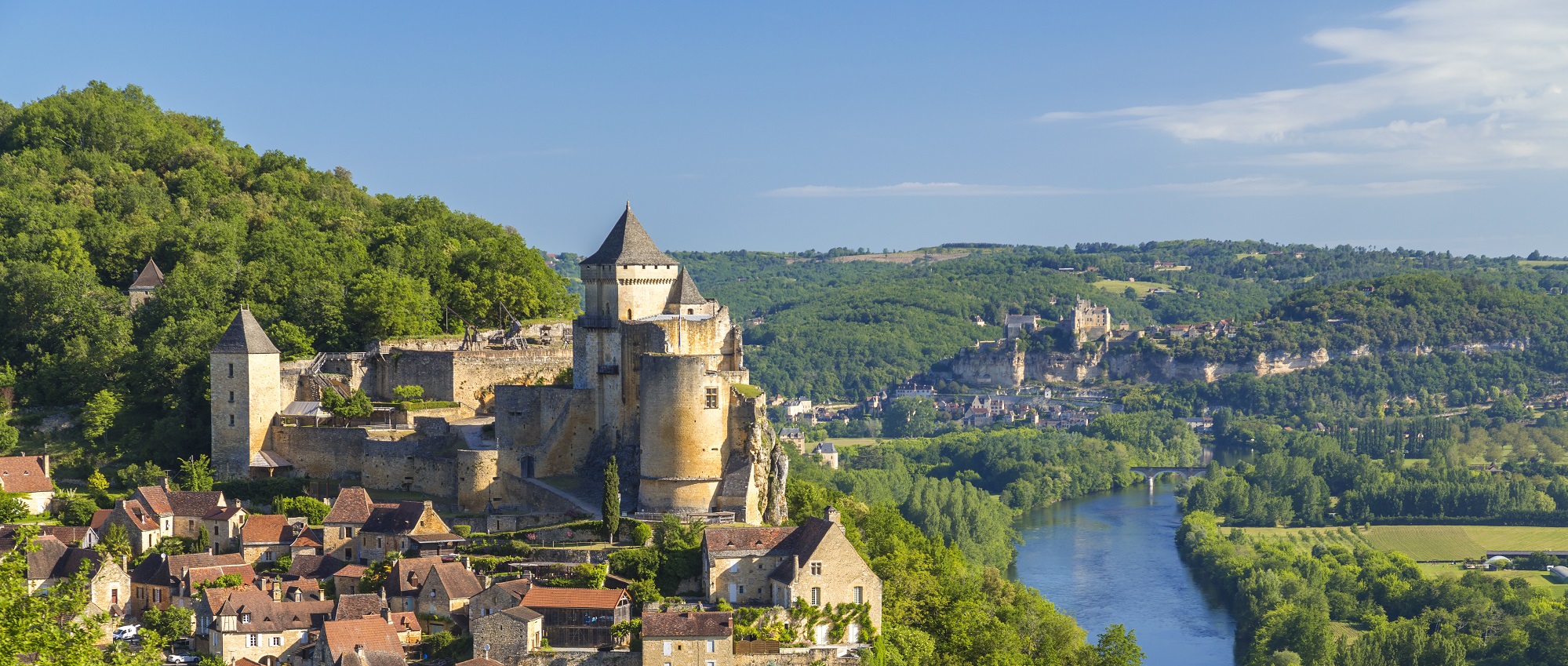
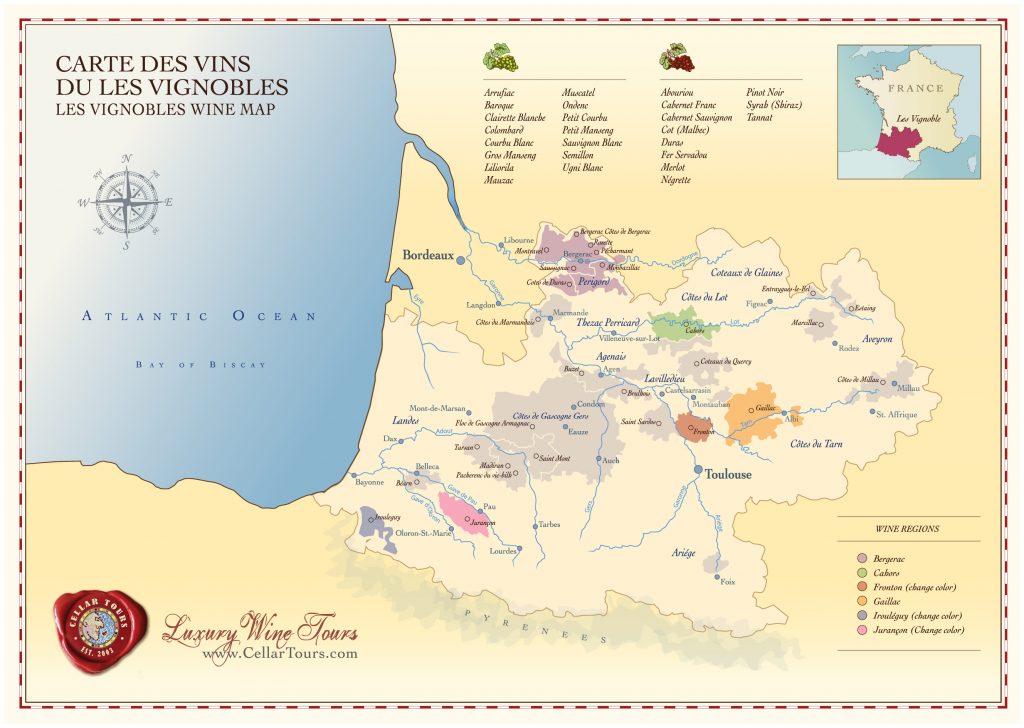
South of the city of Bordeaux is a collection of vineyards and appellations that belong to an overarching region broadly described as South West France. It is a vast area stretching from the town of Gaillac (northeast of Toulouse) to the Spanish border and the French Basque Country. In the Middle Ages, Bordeaux merchants referred to this vast landscape as the ‘High Country’ and used their trade privileges to prioritize their own wines. Today, it is one of France’s most dynamic yet seemingly timeless regions, where the pace of life grinds to a halt at weekends.
Behind the scenes, however, winegrowers are busy coaxing as much flavor as possible out of their indigenous wine grapes, many of which are specific to individual appellations. Although Bordeaux varieties are the mainstay of production in the Dordogne, the vast majority of southwestern France is home to local curiosities like Petit Courbu and Gros Manseng. For that reason, it has become the darling of sommeliers and niche importers worldwide. Read on if you’ve begun to tire of New World Merlot and ubiquitous Sauvignon Blanc.
Discover More About French Wine
History
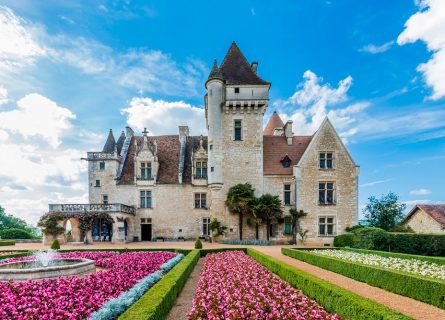
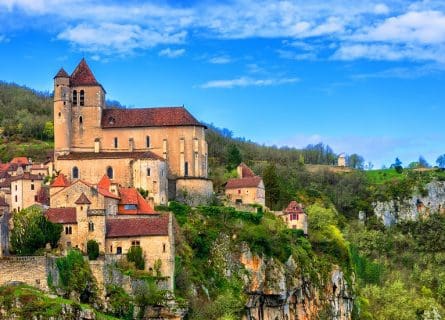
In the Middle Ages, Cahors, Gaillac, and other seminal wines of the South West were as celebrated as the (now) famous appellations of Bordeaux; winegrowing was organized mainly by the Benedictine and Cistercian monks. Gaillac’s vineyards are among the oldest in France, while Cahors also has a documented wine history stretching back to the early Middle Ages. Indeed, in the early 1800s, Cahors was one of the most prestigious names in French winemaking.
Unfortunately, the advent of phylloxera in the late 19th century crippled the wine trade. Fortunately, the survival of many local varieties has endowed the Southwest with a treasure trove of esoteric grapes and original wine flavors increasingly in short supply.
Geography and terroir
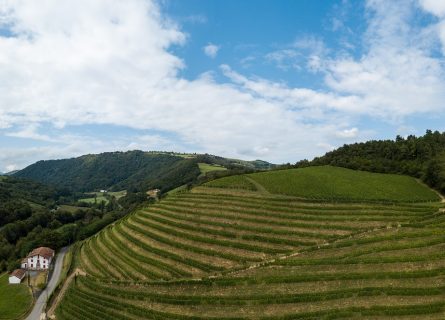
It is hard to imagine a more diverse and spectacular geographical area than Southwestern France’s mountains, hills, valleys, and plains. Indeed, the contrasts are staggering: the Dordogne and Gascony consist of gentle countryside and rolling hills, interspersed with some of France’s finest examples of medieval and Renaissance architecture – not to mention exquisite gastronomy! To the northeast of Toulouse are the vineyards of Gaillac and a similar style of French countryside that visitors love: rolling green pastures studded with beautiful towns and villages. In every sense of the word, life is very benign here. Winters are usually relatively mild – especially in Gaillac – and summers are warm and dry.
Pyrenean Influence
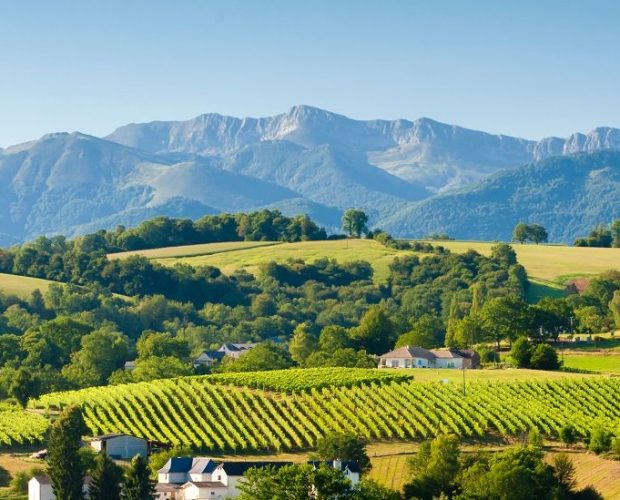
Yet everything changes as we move closer to the Spanish border – and the French Basque Country. Rising steadily from the Atlantic through mist and cloud, the Pyrenees form a wild, untamed, 430-kilometer-long boundary between France and Spain. On the French side of the border, vines are grown on the steep Pyrenean foothills of Béarn in the appellation of Jurançon. The tiny enclave of Irouléguy is less than 55 kilometers away from the Atlantic. As a bonus, it is tantalizingly close to the bustling tapas bars of Navarra. Like most southwestern wine regions, the sporadic hillside vineyards of Irouléguy are achingly beautiful. Lush green pastures, arable farming, and hilltop villages surround them.
Climate and Grape Varieties
The Atlantic-influenced climate ensures that winters are cold and wet, while summer temperatures seldom reach the extremes routinely encountered in the Languedoc and Provence. For that reason, white grape vines thrive in these dramatic foothills, slowly ripening highly aromatic and concentrated fruit. Meanwhile, the red wines of the South West are as varied as those of Bordeaux. They range from the voluptuous Merlot/Cabernet Sauvignon blends of Bergerac to the firm, refreshing Irouléguy reds packed full of acidity and verve.
Soil Diversity and Viticulture
However, this stylistic polarity is not solely due to the wide variations in climate (and grape variety). There is a multitude of soil types in southwestern France, including ancient sedimentary rocks and metamorphic material that heat and pressure have solidified.
- Jurançon: clay-limestone soils dominate the lower foothills of the Pyrenees, with some Tertiary-period sand and Pliocene sandstone.
- Gaillac: there is a preponderance of gravelly clay soils south of the Tarn River, while clay-limestone also dominates in the vineyards of the Dordogne.
- Cahors: about 60% of the vineyards occupy the Lot Valley’s alluvial terroirs, including three principal terraces; the remaining 40% lie on the limestone slopes and plateaus of the Causse. These distinct sites produce different expressions of Malbec rather than a simple hierarchy determined by altitude.
Innovation and Trends
As elsewhere, single-vineyard bottlings and micro-production cuvées are becoming all the rage in South West France.
Planning a Wine Trip in Southwest France
For touring purposes, however, the Southwest is best approached as a collection of separate wine countries rather than one continuous route. Bergerac is the natural base for the Dordogne, Cahors for the Lot Valley, and Toulouse places both Gaillac and Fronton within easy reach. Further south, Pau opens the door to Jurançon and Madiran, while Saint-Jean-Pied-de-Port or Biarritz works well for exploring Irouléguy. This is a region to explore over several journeys rather than compress into a single itinerary.
Many of the wineries are small, family-run affairs that receive visitors by appointment. Two wineries a day is generally ample once a proper lunch enters the equation; a private driver is not an extravagance in a region of winding roads, generous pours, and considerable distances.
Planning resources
Winemaking and regional classifications
The Southwest boasts appellations and flavors as varied as any on earth, producing every conceivable style of wine in all three colors and varying weights. But perhaps the most familiar, at least to Bordeaux aficionados, are the red and white wines of the Dordogne. Centered upon the town of Bergerac, the wider region encompasses the Bergerac and Côtes de Bergerac appellations, together with several smaller vineyard zones. Here, the grapes are the same as Bordeaux, albeit the warmer climate lends itself to a fuller, richer expression of Cabernet Sauvignon and Merlot, with noticeably silky tannins.
Quality Surge in Bergerac
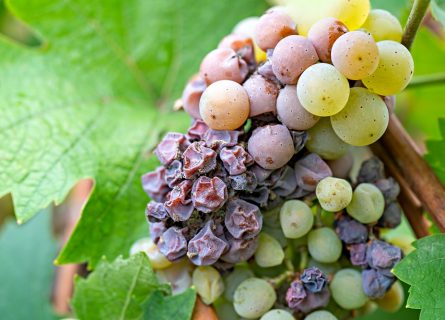
In recent years, quality has soared in Bergerac as investors continue to flock to the region; some of the greatest successes remain the potent blends of Sauvignon Blanc and Semillon. They bear more than a passing resemblance to the delicious dry whites of Graves, with an added dose of tropical fruit and a more generous, rounder texture. Montravel is another source of great value white in the Dordogne, while Pécharmant is celebrated for its full-bodied reds.
Monbazillac’s Enduring Sweetness
However, few would deny that Monbazillac is the most important appellation of the Dordogne, even if sweet wines are no longer the height of fashion. Nevertheless, this historic wine center has been producing botrytized dessert wines for centuries. In suitable years, autumn conditions encourage the development of botrytis, concentrating the grapes and producing richly sweet wines. However, the rarely seen whites of Rosette are generally less sweet than Monbazillac and even less widely recognized.
Cahors: The Potent Reds of the Southwest
The same cannot be said for Cahors and its wonderfully potent red wines that have been drunk since the Middle Ages. Argentina, of course, has adopted Malbec as its flagship grape variety, yet there is much to recommend in the vigorous, tannic wines of Cahors. The grape’s ampelographic name is Côt, while its traditional Cahors name is Auxerrois. Occasionally blended with Merlot and often matured in French barrique, Cahors offers a different interpretation and style of Malbec. The rusticity of the past has been tamed with better winemaking and vineyard work, while international investment has risen sharply over the past 25 years.
Gaillac’s Traditional Charm and Unique Grapes
Yet the vineyards surrounding the River Tarn, northeast of Toulouse, are another matter entirely. The little-known Gaillac appellation extends across more than 70 communes, in a landscape of timeless beauty and tranquility. Unlike Cahors, global capital has not flowed into the wineries and cellars of this traditional region. Nevertheless, its local grapes are of genuine interest, including the spicy local Braucol and the softer Duras. They are sometimes blended with Syrah to craft a very Rhône-like red: aromatic, fruit-driven, and moderately tannic wines that carry the scent of white pepper and plum.
Many wines are still fermented in old wooden vats in Gaillac, although stainless steel and new oak are making inroads in the zone. Traditionally, Gaillac was known for its sweet whites, made from Mauzac, Loin de l’Œil, and Muscadelle, with Ondenc and Sauvignon Blanc also permitted. But, as demand has fallen, more and more producers are marketing dry styles, including the gently effervescent Perlé.
Fronton’s Bright Reds and Négrette
Toulouse is fortunate to have a close viticultural neighbor in Fronton—less than 35 kilometers away and easily accessible for day trips. Situated between the Garonne and Tarn Rivers, Fronton is renowned for its bright and floral red wines. These wines are based on the obscure Négrette grape, mixed with many southwestern specialties.
Madiran and Pacherenc du Vic-Bilh
Further west, Madiran is the undisputed kingdom of Tannat, a grape with no interest in making itself immediately agreeable. Traditionally, its deep color, formidable tannins, and capacity to age were the whole point. Yet the old caricature of Madiran as a wine requiring decades of patience is increasingly out of date. Better vineyard work, riper fruit, and more sensitive extraction have produced reds that retain their dark fruit and structure without inflicting punishment at the dinner table.
Pacherenc du Vic-Bilh is Madiran’s white counterpart, occupying the same vineyard area. From Gros Manseng, Petit Manseng, and a supporting cast of local varieties come dry whites of freshness and grip, as well as sweet wines made from fruit concentrated on the vine. At their best, they combine honeyed richness with enough acidity to keep the palate alert—one more reminder that the Southwest’s least familiar names can be among its most distinctive.
Jurançon and Irouléguy
Flanked by the spectacular foothills of the Pyrenees, Jurançon makes one of the Southwest’s most distinctive white wines, typically a blend of Gros Manseng, Petit Manseng, and perhaps Courbu. Dry versions are all the rage nowadays due to obvious commercial pressures. However, the sweet Moelleux dessert wines and Vendanges Tardives still have a loyal (if dwindling) audience. Regrettably, Irouléguy is hardly ever seen outside of France, although tourists love this Basque appellation’s fragrant rosés and sappy reds. In Irouléguy, Tannat is commonly blended with Cabernet Franc and Cabernet Sauvignon to produce structured reds with bright fruit and relatively high acidity.
Facts & Figures
-
Key wine styles
- A broad range of red, white, and rosé wines
-
Protected wine designations
29 AOPs and 13 IGPs
-
Hectares under vine
55,040 hectares in 2021
-
Average annual production
2.7 million hectolitres in 2021
-
Approximate number of producers
8,261 vineyard holdings
The lowdown
There is no better expression of the all-conquering Gallic love affair than the Southwest’s diverse, authentic, and generally inexpensive wines. We live in a world of endless variety: superlative wines are now made in all corners of the globe by a growing number of talented winemakers. Yet, time and time again, consumers and sommeliers return to France. But why is that? Is it an intractable bias, the cachet, or snob value?
Rich Diversity and Exceptional Value
Let’s be glad of it, whatever the reason. With a fierce defiance of convention and a healthy suspicion of ubiquitous grapes (Bergerac is a notable exception), South West France has an incredible amount to offer. Making the most of their indigenous varieties and original tastes, Jurançon and Irouléguy Blanc can be superb. Likewise, the best wines of Bergerac and Cahors can deliver a lot of Pomerol seduction for remarkably little money. The best wines of Bordeaux’s Right Bank are undeniably expensive – some would say overpriced. However, the same cannot be said about the villages of the Dordogne. Granted, there is no paucity of delicious Cabernet/Merlot blends made in France or the New World. However, the quality-to-price ratio is exceedingly favorable in this rural idyll.
A Harmony of Acidity and Moderation
And there’s more. Many appellations specialize in producing wines of vibrant acidity and moderate alcohol – two qualities that keep wine drinkable, fashionable, and food-friendly. This is partly due to the inherent qualities of local grape varieties and the cooler climate of mountainous areas like the Pyrenees. Irouléguy, for example, can yield red wines of mouth-puckering acidity in cooler years; such pronounced acidity is far less typical of Provence and the Languedoc. Yet Bergerac (red and white), Jurançon, and Cahors are generally attractive at a young age. Indeed, oenophiles do not often explore their keeping qualities, even though many labels can improve after five years in bottle and sometimes more.
Viticultural Excellence and Global Standing
Of course, when discussing such a vast geographical area, generalizations are inevitable. Moreover, we cannot claim that every appellation and producer is at the top of their game.
The Best Wine Regions of Southwest France
-
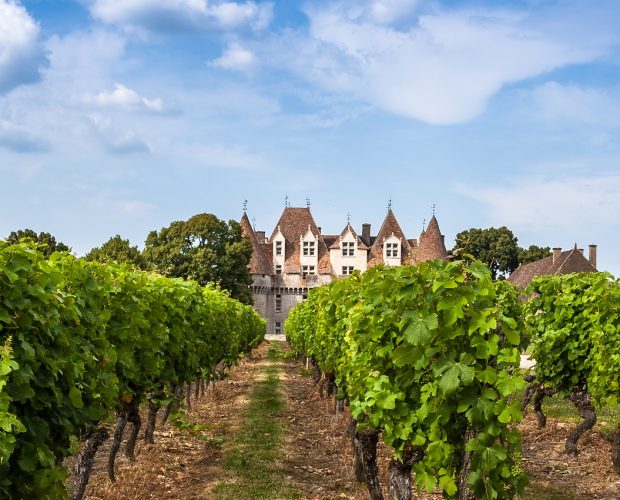
Bergerac Wine Region Guide
Explore Bergerac's unique identity with its distinct wines, rich history, and breathtaking landscapes. A gem beyond Bordeaux's shadow. Explore region -
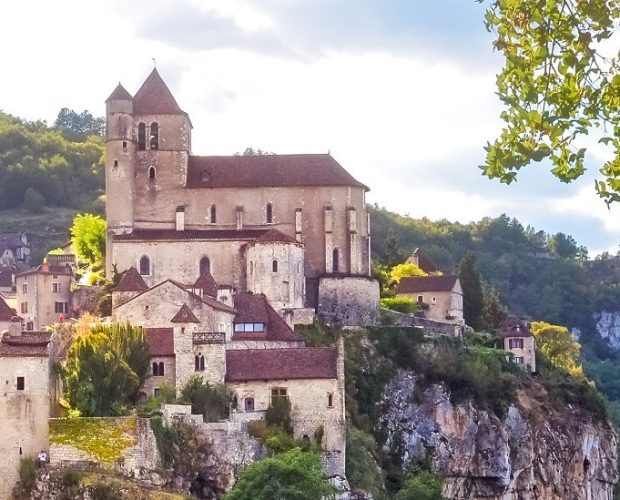
Cahors Wine Region Guide
Explore Cahors, the cradle of French Malbec, and savor wines with unparalleled elegance, depth, and diversity. A journey of taste awaits. Explore region -
Gaillac & Fronton Wine Regions Guide
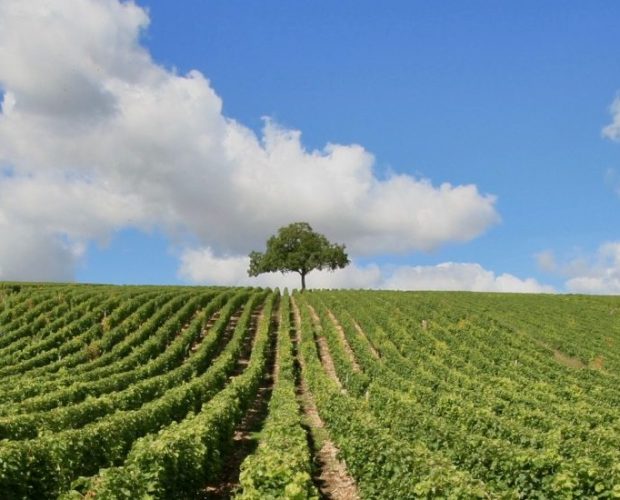
Explore Gaillac & Fronton: Uncover France's hidden wine gems with unique local grapes, rich history, and serene landscapes. A true connoisseur's delight. Explore region -
Irouléguy & Jurançon Wine Regions Guide
Discover the distinctive wines of Irouléguy & Jurançon, offering a taste of France's Pyrenees with unique reds, whites, and rosés. Explore now Explore region
Key Grape Varietals
-
White grape
Colombard
Colombard is a white wine grape varietal, most famously known for its use in the production of Cognac and Armagnac. View grape -
White grape
Courbu
Courbu Blanc is a white grape varietal used to make dry and sweet wines in the Irouleguy of South West France. View grape -
White grape
Gros Manseng
Explore Gros Manseng, a captivating white wine grape flourishing in South West France's Jurançon region. Unveil its delightful flavors! View grape -
White grape -
White grape
Mauzac
Mauzac: A white grape mainly grown in Gaillac and Limoux, Languedoc-Roussillon, Southern France. Often used in sparkling wines like Crémant de Limoux. View grape -
White grape
Muscadelle
Muscadelle is a white grape varietal, primarily used for blending in the production of sweet white wines in the Bordeaux region. View grape -
White grape
Petit Manseng
Petit Manseng is a white grape grown mainly in the South West of France that produces high-quality sweet wines. It's one of France's best-kept wine secrets. View grape -
White grape
Sauvignon Blanc
The sauvignon blanc grape varietal, originally from the Bordeaux region of France, is now one of the world's most loved white varieties. View grape -
White grape
Semillon
Explore the allure of the Semillon grape & its legendary connection to Sauternes. Unveil the history & flavors of this captivating varietal. Cheers! View grape -
White grape Ugni Blanc
Ugni Blanc is widely planted in Gascony, where its naturally high acidity makes it particularly important to Armagnac production. -
Red grape Braucol (Fer)
Braucol is a dark-skinned grape from southwest France, notably in Marcillac AOC, producing rustic, medium-bodied reds with flavors of redcurrant, fig, and pepper. It's essential in Marcillac blends,... -
Red grape
Cabernet Sauvignon
Learn what Cabernet Sauvignon tastes like, where it grows best, why it matters in Bordeaux, and how to pair and serve this age-worthy red grape. View grape -
Red grape
Cabernet Franc
Cabernet Franc is particularly important on Bordeaux’s Right Bank, bringing perfume, freshness and structure to Merlot-led blends. View grape -
Red grape Duras
Duras, an ancient vine from France, is renowned for robust red wines in Gaillac, featuring dark colors and rich aromas. Now mainly found in the Tarn department, it's... -
Red grape
Gamay
Discover Gamay wine, from Beaujolais and crus to its bright red-fruit profile, serving tips, food pairings, and age-worthy examples. View grape -
Red grape
Malbec
Delve into Malbec, a dark, small grape native to France, cherished for its thick skin and exceptional flavors. 🍇🍷 View grape -
Red grape
Merlot
Merlot is the most cultivated grape in Bordeaux and closely related to Cabernet Franc View grape -
Red grape Négrette
Négrette, a distinctive grape from Fronton, France, traces its origins to Cyprus, reputed for its violet-scented red and rosé wines. Thriving in hot, dry conditions and iron-rich soils,... -
Red grape
Syrah
Discover Syrah, from Northern Rhône classics to Shiraz, with flavor profile, regions, aging potential, and food pairings. View grape -
Red grape Tannat
Tannat, a robust grape from the Basque country, is famed for producing rich, rustic wines in Madiran, France, and has found notable success in Uruguay, where it's adapted...
South West France gastronomy
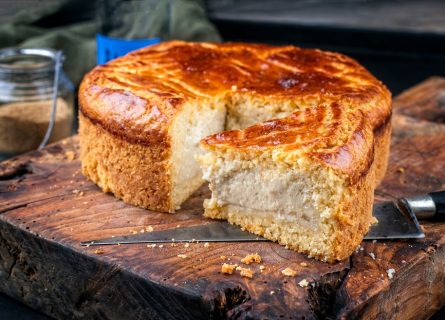
This is one of those rare occasions where the food really is as good as the wine! For what could be better than luxuriously lazy lunches – a feast of foie gras, wild duck flambéd in Armagnac, chicken stuffed with black truffle, and, to finish, Gâteau Basque? Before dinner, sip a glass of tart Irouléguy Blanc and enjoy slice after slice of mouthwatering Bayonne ham. It simply does not get any better than this.
Wineries Recommended by Cellar Tours
Bergerac/Dordogne 8 wineries
- Albert de Conti Visit website
-
Château Barbier-Bellevue -
Château Le Besage - Château de Fayolle Visit website
- Château de la Jaubertie Visit website
- Château Mautain Visit website
- Château Thenac Visit website
- Domaine de Grange Neuve Visit website
Cahors 5 wineries
Gaillac/Fronton 7 wineries
Jurançon/Irouléguy 7 wineries
Madiran/Pacherenc du Vic-Bilh 4 wineries
Author