 21 tours
Country tours
Private Wine Tours in France
Unveiling France's Finest: Customized VIP Wine Tours and Gourmet Escapes
Understand Alsace wine classifications, from Alsace AOC and Grand Cru to Crémant d’Alsace, labels, grapes, and recent changes.
The rise of Crémant d’Alsace continues unabated: more than a third of Alsace wine bottles are now Crémant d’Alsace, made by the traditional method, like Champagne, but generally sold at far more accessible prices. Likewise, Alsace Pinot Noir is sold at more accessible prices than Burgundy’s Pinot Noir and is increasingly sought after. In a changing climate, top-end Pinot Noir, Alsace’s only permitted red grape variety in appellations, is gaining prominence. Since July 2024, Pinot Noir has been authorized in three Alsace Grand Cru terroirs: Kirchberg de Barr, Hengst, and Vorbourg.
Discover More About French Wine
Read More in Our Guide to Understanding French Wine Types and Classifications
Most Alsace wines are single-variety white wines, with the best made from its tantalizingly racy and age-worthy dry Riesling. As demand for sweet wine declines, producers are shifting their focus toward dry and orange wines from Gewürztraminer. However, due to Gewürztraminer’s high alcohol content, some winemakers are moving away from it, instead rediscovering the underrated Sylvaner—a deliciously refreshing, versatile, acidic, dry white. Both styles and traditional Alsace bottles are evolving in response to these trends.
Until 2024, producers were obliged to use tall, slim, flute-shaped bottles in the Germanic style. New rules adopted this year mean producers can now use slightly shorter, fatter bottles.
More than 36% of Alsace vineyards, grown on a mosaic of at least 13 soil types, are certified organic, and more than 8% are biodynamically farmed. This northeastern region of France, protected by the Vosges mountains—a rain shadow—provides producers with a dry, semi-continental climate with relatively low rainfall (Colmar, its wine capital, is one of France’s driest cities) and a relatively long growing season, allowing producers to make fine, age-worthy wines. Despite stylistic changes in recent years, the intensity, fountain-like freshness, bracing acidity, and aromatic character remain present in many Alsace wines.
As veteran Alsace winemaker Olivier Humbrecht MW says:
“Alsace’s wine identity, its DNA, remains intact; what’s changing is the personality of Alsace wines.“
Learn more about the Alsace Wine Region
On April 20, 1972, 4,000 winemakers brought Colmar to a standstill, protesting against bulk wine and advocating bottling all Alsace appellation wines. France had approved the Alsace AOC appellation a decade earlier, in 1962, but there were no rules for bottling.
The protest led to a new French law of July 5, 1972, which made it compulsory to bottle wines (other than wine transported between Alsace wineries) with the registered designation of origin ‘Vin d’ Alsace’ or ‘Alsace’ in the départements of Bas-Rhin and Haut-Rhin. Determined to preserve the quality of Alsace wines—especially their aromatic character, which bulk transport over long distances had compromised—vignerons drove the regulatory change.
More than 50 years later, a new generation of vignerons is campaigning to introduce a Premier Cru tier to the AOC Alsace appellation – an economic and qualitative midway point between AOC Alsace and AOC Grand Cru Alsace.
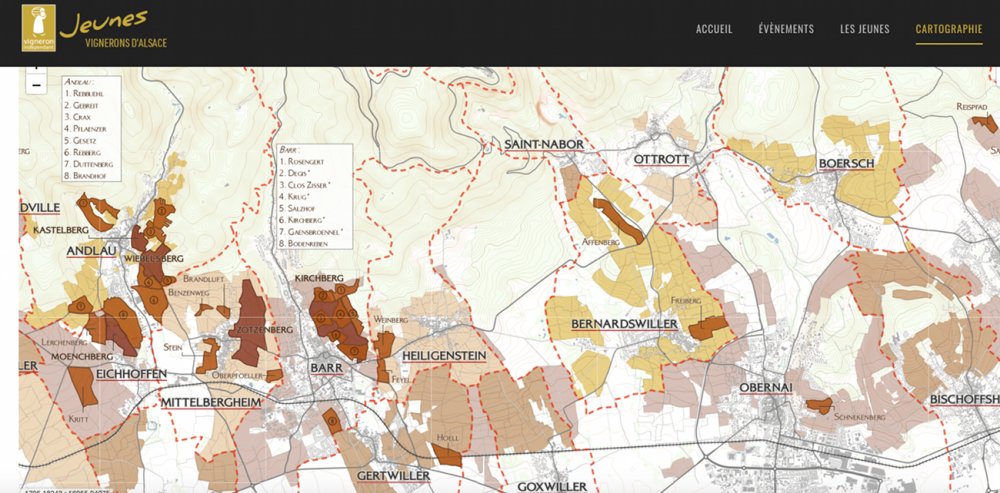
The 60 producers in the Association des Jeunes Vignerons of Alsace, presided over by Julien Boehler, a dynamic producer of terroir-driven wines, are leading the charge in producing and promoting organic, terroir-driven wines. This Association of Young Vignerons developed Alsace’s first-ever registered map of its lieux-dits in 2020. There are understood to be between 200 and 300 lieux-dits in Alsace.
Alsace wine classification is built around three main appellations: Alsace AOC, Alsace Grand Cru AOC, and Crémant d’Alsace AOC. Communal names and lieux-dits add further detail within the regional appellation.
AOC Alsace wines must be made from one of the eight permitted grape varieties in the appellation, namely Riesling, Gewürztraminer, Pinot Gris, Pinot Noir, Pinot Blanc, Muscat, Chasselas, and Sylvaner. In 2011, Alsace AOC was supplemented with two geographical designation names: the Communales (villages) and historic vineyard sites with specific soils known as lieux-dits.
Thirteen communes or inter-communal entities have been strictly defined. They may be indicated on the label in addition to the Alsace AOC, including Bergheim, Blienschwiller, Côtes de Barr, Côte de Rouffach, Coteaux du Haut-Koenigsbourg, Klevener de Heiligenstein, Ottrott, Rodern, Saint-Hippolyte, Scherwiller, Vallée Noble, Val Saint-Grégoire, and Wolxheim.
A lieu-dit is a named vineyard site. In Alsace, these historic sites allow producers to highlight specific soils, exposures, and local identities below the Grand Cru level. They usually sit between basic Alsace AOC and Grand Cru wines in both ambition and price.
The wines produced from these lieux-dits express several nuances: the fruitiness of the grape variety is combined with the minerality of the terroir; Alsace is one of the world’s most soil-diverse wine regions and home to soils including gneiss, granite, sandstone volcanic, schist, limestone, clay and the key subsoil, Grès des Vosges, a pink sandstone widely used to build churches and cathedrals in Alsace.
Created in 1972, the AOC Grand Crus recognized 51 lieux-dits (historical and specific sites). In 2011, the 51 Grand Cru sites were acknowledged as appellations.
The grands crus account for 8% of the Alsace vineyard area and between 3 and 4% of total production. Maximum yields are 55 hectoliters per hectare. The Grand Cru rules are the most stringent, ensuring the production of wines from low yields with strong aging potential.
Crémant d’Alsace is Alsace’s traditional-method sparkling wine, made with a second fermentation in bottle. Crémant d’Alsace is made under strict rules, including the regulated technique of pressing clusters of whole grapes. Manual harvesting is obligatory for Crémant production under EU law. Crémant d’Alsace is aged for at least 12 months. With sufficient natural acidity, many producers age their Crémant for extended periods to make a voluptuous, rich yet brightly acidic, terroir-driven Crémant. Maximum yields are 80 hectoliters per hectare.
Crémant d’Alsace is made from Chardonnay, Riesling, Auxerrois, Pinot Blanc, Pinot Gris and Pinot Noir. Created in 1976, the Crémant d’Alsace AOC is now France’s leading Crémant appellation, selling around 40 million bottles in 2023, out of roughly 108 million bottles of French Crémant overall.
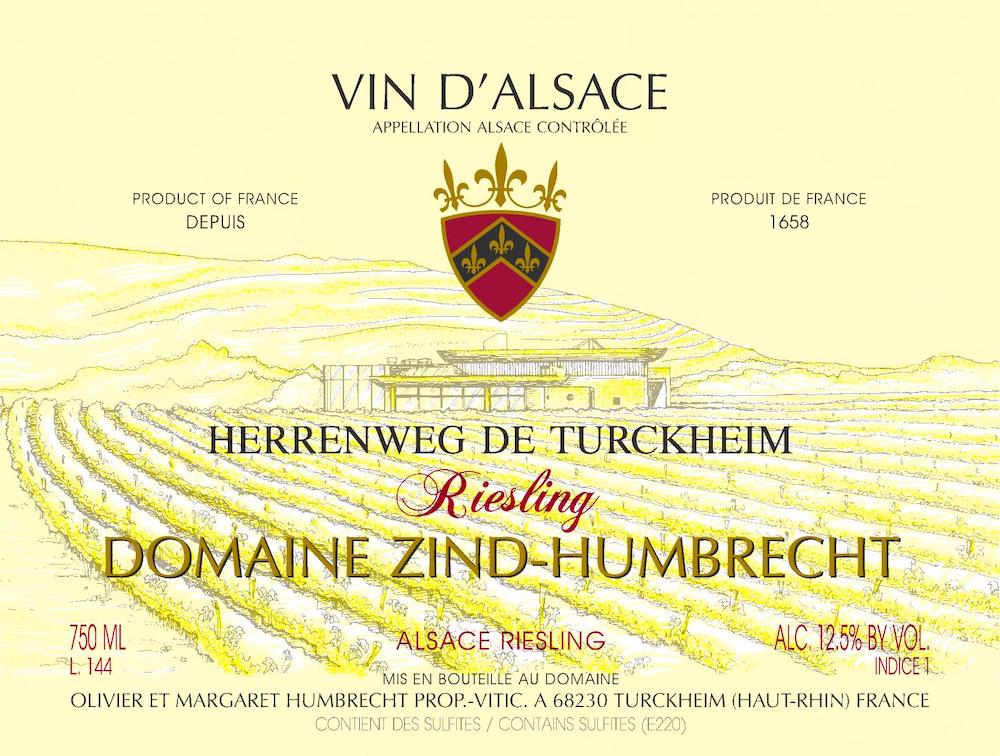
Unlike other French wine regions, Alsace is traditionally known for putting the grape variety names on front labels, giving terroir indications less prominence. Wine is often easier to sell when the grape variety is on the front label.
However, indications of terroir have gained prominence thanks to a new generation of vignerons dedicated to defending the production of terroir-driven wines. Since 2011, producers have been able to label lieux-dits (see above) on their labels. Besides Crémant d’Alsace, most Alsace wines are officially 100% single-varietal, generally with the grape shown on the front label.
Clos means “enclosed vineyard” and is more common in Bourgogne. These singular vineyards often have a longer history than the Grands Crus. Clos are usually strong brand names for producers; Clos St-Theobald and Clos Saint Urbain, for example, are parts of Grand Cru Rangen, owned by Schoffit and Zind-Humbrecht, respectively.
Other bottle labels mention villages or communes, their Grand Cru status, and varying levels of dryness/sweetness.
🌟 Sweetness levels:
The terms “Cuvée” (used for a wine blend or special lot) and “Réserve” (suggesting select or superior quality) are commonly found on Alsace wine bottles, though they lack official legal definitions.
Vendanges Tardives: a sweet wine crafted from late-harvested grapes with naturally higher sugar levels. These grapes remain on the vine longer, losing moisture and allowing for the production of luscious, rich, and intensely concentrated wines.
Sélection de Grains Nobles: a dessert wine made from grapes affected by botrytis, or noble rot, aged for a minimum of 18 months before release. This and other sweet wines are produced under strict regulations governing harvest timing and ripeness levels.
“Vieilles Vignes” means old vines at least 25 years of age.
Gentil d’Alsace is a good-quality, easy-drinking, blended wine with at least 50% noble varieties. Any other Alsace AOP grape can be used in blends, and the base wines must be vinified separately. Vintages must be labeled on bottles. Some producers believe field blends are the best approach for serious wines. In this case, the grapes are typically vinified together and produced under a vineyard name. Marcel Deiss is one of the staunchest advocates of using field blends to express Alsatian terroir.
Edelzwicker or ‘noble blend’ is still a simpler and usually inexpensive wine made from blends of white grape varieties. These two types of wine do not have the same stringent production/aging rules and are simpler, rather than complex, gastronomic wines. Alsace AOP wines labeled Edelzwicker do not need to be vintage-dated, nor are they even required to contain more than one grape. In practice, they are blends; however, they do not need to indicate any percentages or grapes on the label.
Four Noble Grape Varieties are traditionally judged to be ‘noble’ in terms of quality production and their ability to express the terroirs and typicity of Alsace. In 1975, when Alsace first designated its grand cru terroirs, only four Alsatian grape varieties were granted the prestigious grand cru status: Muscat, Riesling, Pinot Gris, and Gewürztraminer. In a changing climate, the notion of the ‘famous four’ is becoming somewhat outdated: there are seven key grape varieties in Alsace, including Pinot Blanc, the in-demand Pinot Noir – now made in three Grand Crus sites, and the reemerging Sylvaner –made in the Grands Crus Zotzenberg vineyard since 2006.
The King of the white grapes: Steely with floral aromas, pronounced acidity, and minerality, Alsace Riesling wines are among the world’s most age-worthy whites. Since 2008, with alcohol levels rising, Alsace Riesling is usually made in a dry style.
Alsace’s most aromatic grape. It produces rich, full-bodied, deep yellow/ golden wines with lychee and grapefruit flavors and is often used to make sweet Vendanges Tardives wines. Relatively low in acidity and high in alcohol, and with sweet wine sales falling fast, growers in Alsace are switching to other grapes.
Gewürztraminer is a pink-berried clone of the traditional grape Traminer, which steadily replaced it in Alsace’s vineyards throughout the latter half of the 19th century. Another pink variant of Traminer—known as Savagnin in the Jura—retains a few plantings around the commune of Heiligenstein in the Bas-Rhin; the grape is known locally as Klevener. This Savagnin Rose, or Klevener de Heiligenstein, is less intensely aromatic than Gewürztraminer but higher in acidity.
Five communes may bottle this wine varietal under the existing Alsace AOP:
Once known as Tokay d’Alsace, young Pinot Gris has stone-fruit flavors with a hint of smoke. With good acidity, wines can age, becoming buttery and biscuity. Pinot Gris is also used in blends to make Crémant.
Made dry, Muscat wines have a grapey aroma and flavor. They have low acidity and alcohol and are traditionally good as an apéritif.
On July 4, 2024, Grand Cru Vorbourg was officially recognized as a terroir where Pinot Noir, Alsace’s only authorized red grape variety, can be made under the AOC Alsace Grands Crus appellations. Vorbourg’s approval follows the recognition of Kirchberg de Barr and Hengst Pinot Noir Grands Crus in 2022. Reflecting its growing prominence in Alsace, Pinot Noir plantings increased 30% between 2003 and 2024. In a changing climate, Pinot Noir in Alsace has deepened in color and become more powerful. Still, it retains bright red and black fruits, with deep concentration made from low yields, minerality, and Alsace’s trademark pronounced acidity.
Once widely planted in Alsace, Sylvaner, with aromas of white flowers, apple, and citrus fruit, was replaced several decades ago by the lesser-known Auxerrois and Pinot Blanc for sparkling wines. Hugely underrated, with appropriate acidity and moderate alcohol levels in a changing climate, Sylvaner is enjoying something of a comeback.
Winemaker Thomas Larmoyer of Soil Therapy Wines, a rising star of Alsace, shows how fine, delicious, layered, balanced, and versatile Sylvaner can be. Larmoyer makes a fine-textured, lees-aged, more straightforward La Geste 2023, as well as the oak-aged, more complex, and more concentrated Sylvaner Reserve 2023.
This variety is the most planted grape and is commonly blended with Auxerrois to make base wine for the growing production of Crémant d’Alsace.
Spending time looking at both the front and back labels is always rewarding. Traditionally, unlike in other regions of France, the grape variety is stated on the front label of Alsace wines, but now so are terroir factors; look for Lieu-Dit plus a name or a village name, and the producer’s name. However, some lieux-dits do not state the grape variety on the label. These wines are from small historic vineyards with specific soils, sold at mid-price between generic AOC Wines and Grand Cru wines. Grand Crus wines are usually sold at lower prices than the top-end classed growths of Burgundy.
Many Alsace wines are organic and/or biodynamic, so look for the green EU leaf logo for certified organic production and biodynamic logos or details on the back label. Also, looking for terroir indications on labels from dedicated vignerons is important, as most Alsace wines are basic AOC-level wines produced by large négociants and cooperatives. Regarding sweetness levels, some producers, like Zind-Humbrecht, use a 1-5 scale on their back labels.
With changing consumer habits toward healthier food and quality wine drinking, Alsace caters perfectly to contemporary demand: wines show freshness, not excessive alcohol levels, bright intensity of flavors and aromatics, to varying degrees, and acidity that is now drier and lower in calories.
Crisp dry Crémant is a valid alternative to Champagne for aperitifs and meals. There is a wide range of white wine styles to pair with fish, sushi, vegetable salads, and white meat. Sylvaner and Riesling pair well with seafood—Riesling pairs well with goat’s cheese and many non-red meat dishes. Fine Alsace Pinot Noir, served at 12 °C, has an aromatic character. It is often full-bodied and structured, enough for red grilled meats.
Grand Cru and Vendanges Tardives wines are rich, concentrated, and can age for decades. Vendanges Tardives and Sélection de Grains Nobles are dessert wines that pair well with strong-flavored cheeses, including blue cheeses.
Winemakers in Alsace reckon that, in terms of still wines, fine expressions of Riesling and Pinot Noir will continue to steal the limelight. Sylvaner too. In a changing climate with rising temperatures, new grape varieties, including Chenin Blanc and Nebbiolo, as well as disease-resistant grapes, could soon be authorized.
Olivier Humbrecht MW says he and his son uprooted some Gewürztraminer vines to experiment with Sangiovese vines on southern-facing slopes. Other producers have experimented with Syrah. Younger winemakers are more inclined to experiment with making wines from blends of grape varieties.
Alsace’s new generation of vignerons is helping raise the region’s profile beyond France, where most of its wine is sold. Having secured several orders in top Paris restaurants and wine shops this week, Victor Roth, a young winemaker at the organic and historic estate Domaine Robert Roth, was in a jubilant mood when I spoke to him on his return train journey from Paris to Alsace. Roth says terroir-driven Alsace wines have strengthened their reputation as a vital contender, rivaling regions such as Burgundy and Champagne in terms of price and quality.
Roth said:
“Just a few years ago, selling Alsace wines in top restaurants and wine shops in Paris was a more difficult prospect.”
Other than my own knowledge and experience, here are some references:

Explore further
Discover private journeys, regional guides, and expert stories to help you plan an unforgettable trip through France.
21 tours
Unveiling France's Finest: Customized VIP Wine Tours and Gourmet Escapes
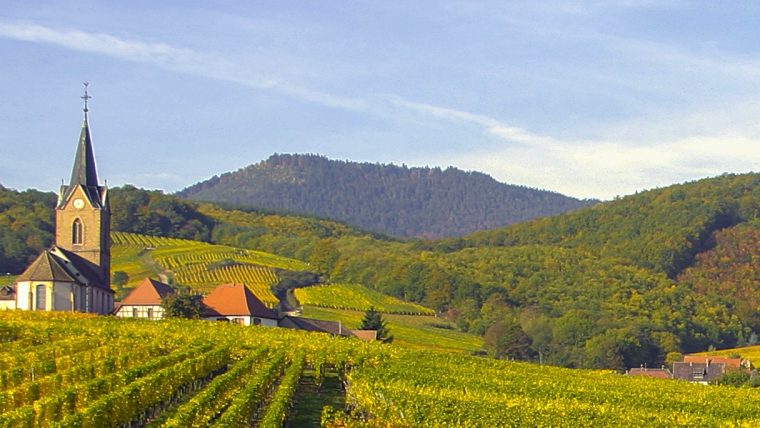 8 days
Riesling, Colmar and Strasbourg on a refined Alsace journey.
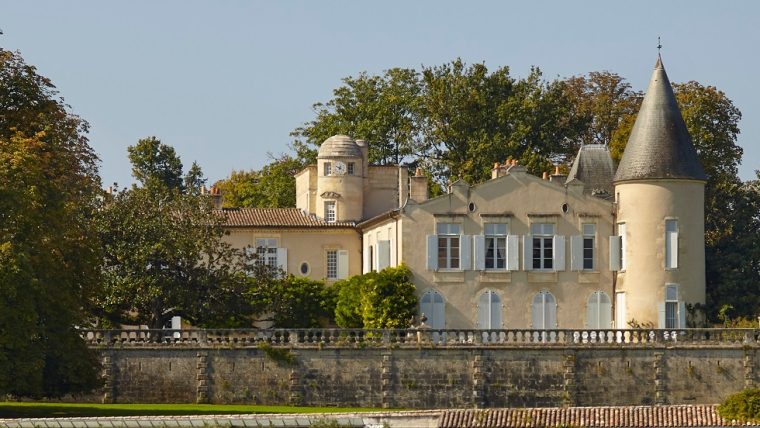 1 day (ideal from Bordeaux)
A private full-day journey through the Médoc’s classified-growth château country from Bordeaux
Compare France’s leading wine regions by grapes, wine styles, scenery, best base and ideal stay
Explore regions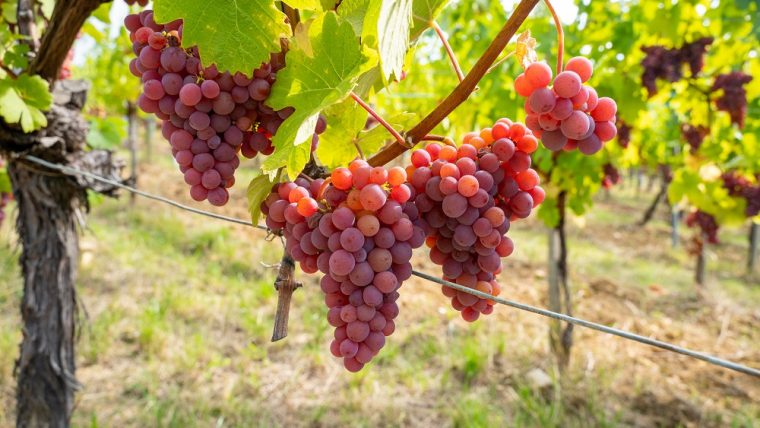
Learn what Gewürztraminer tastes like, where it grows best, how dry or sweet it can be, and which foods pair beautifully with it.
Read article
Unearth Alsace Wines: A Hidden Gem of French Delights. Cheers to exploring unique flavors and rich heritage! 🍷
Read article