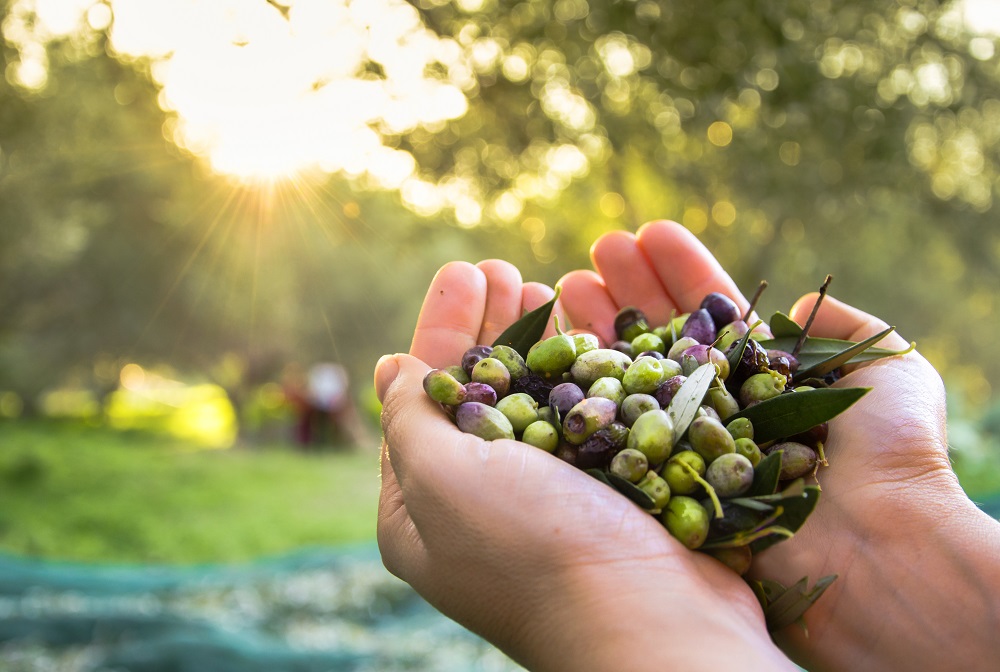
Extra-virgin Olive Oil is one of the essential elements of Mediterranean cuisine. It was a culinary gift from the Ancient Greeks, who brought olives to the Italian peninsula along with wine and bread. The Ancient Romans then brought olives to the numerous countries and empires they conquered and demanded olive oil to pay taxes. The Romans invented the concept of “olive oil therapy, “using it for beauty treatments for wealthy senators’ wives.
Back in their day, the Romans also had the first classification of olive oils, depending on whether they came from pressed green olives, semi-mature olives, mature olives, fallen olives, or squashed olives. Even 2,000 years ago, olive oil was categorized by quality. Today, there are countless varieties of olives and oils, and it’s easy to get confused about which are better, how they are defined, and when to use each type. Extra-virgin olive oil, for example, is derived from the first pressing of olives using specific machines, through the cold-pressing technique at low temperatures and without the aid of water.
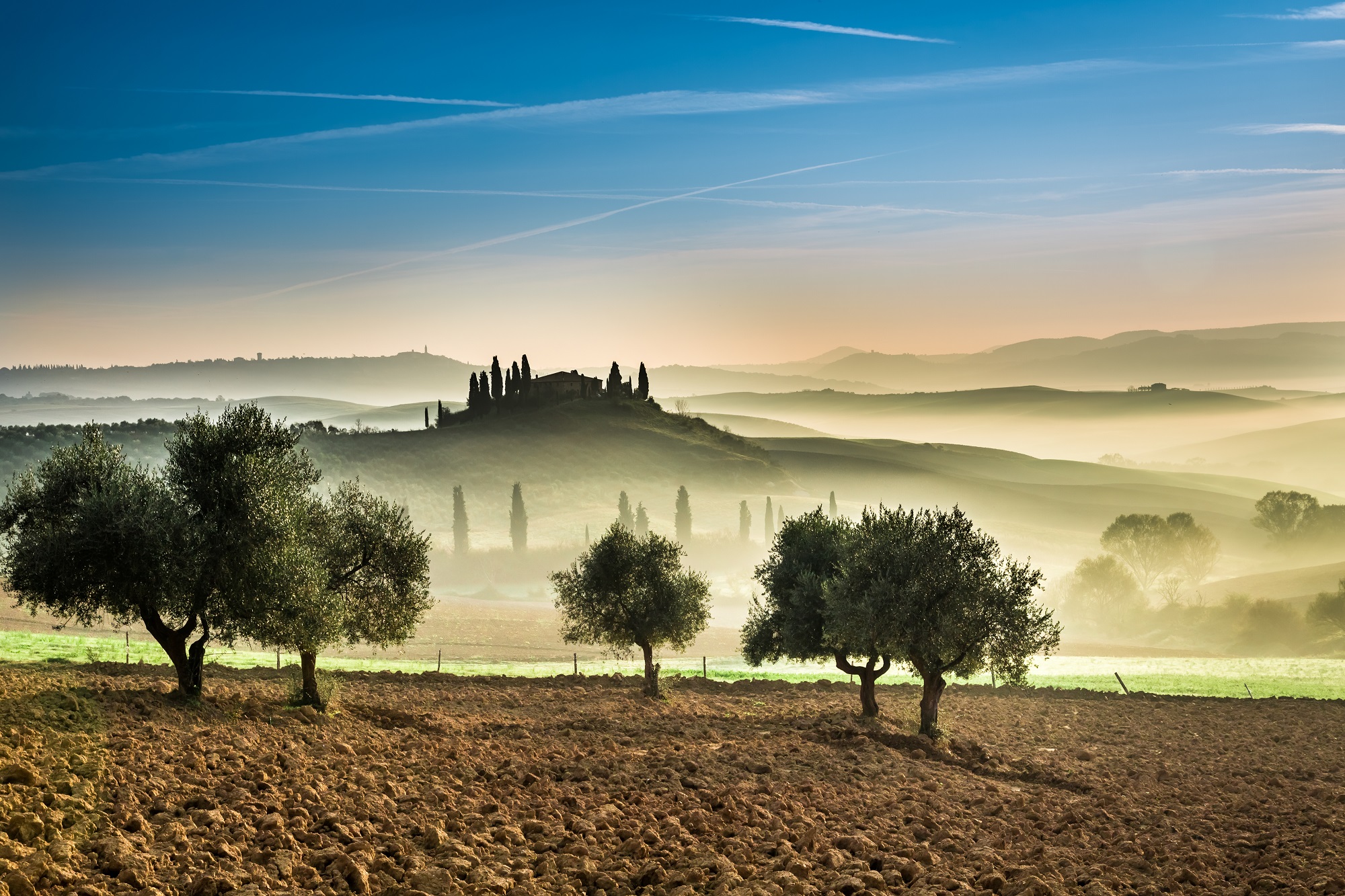
The resulting oil also depends on the olive varietals used by the producer. In Tuscany, the most common olives are Frantoio, Moraiolo, and Leccino. Each of them has different flavors and notes, from fruity to spicy, and is compatible with various dishes, helping bring out the flavors of ingredients and preparations.
There is no better way to understand and enjoy the secrets of olive oil than by visiting an oil mill. We have designed this fascinating day tour for those of you interested in a unique day out in the countryside, with tastings of premium olive oils, as well as a masterclass with Tuscany’s best Chocolate producer.