Algarve Wine Region Guide
Negra Mole, Four Historic DOCs and a New Generation of Algarve Wines
Introduction
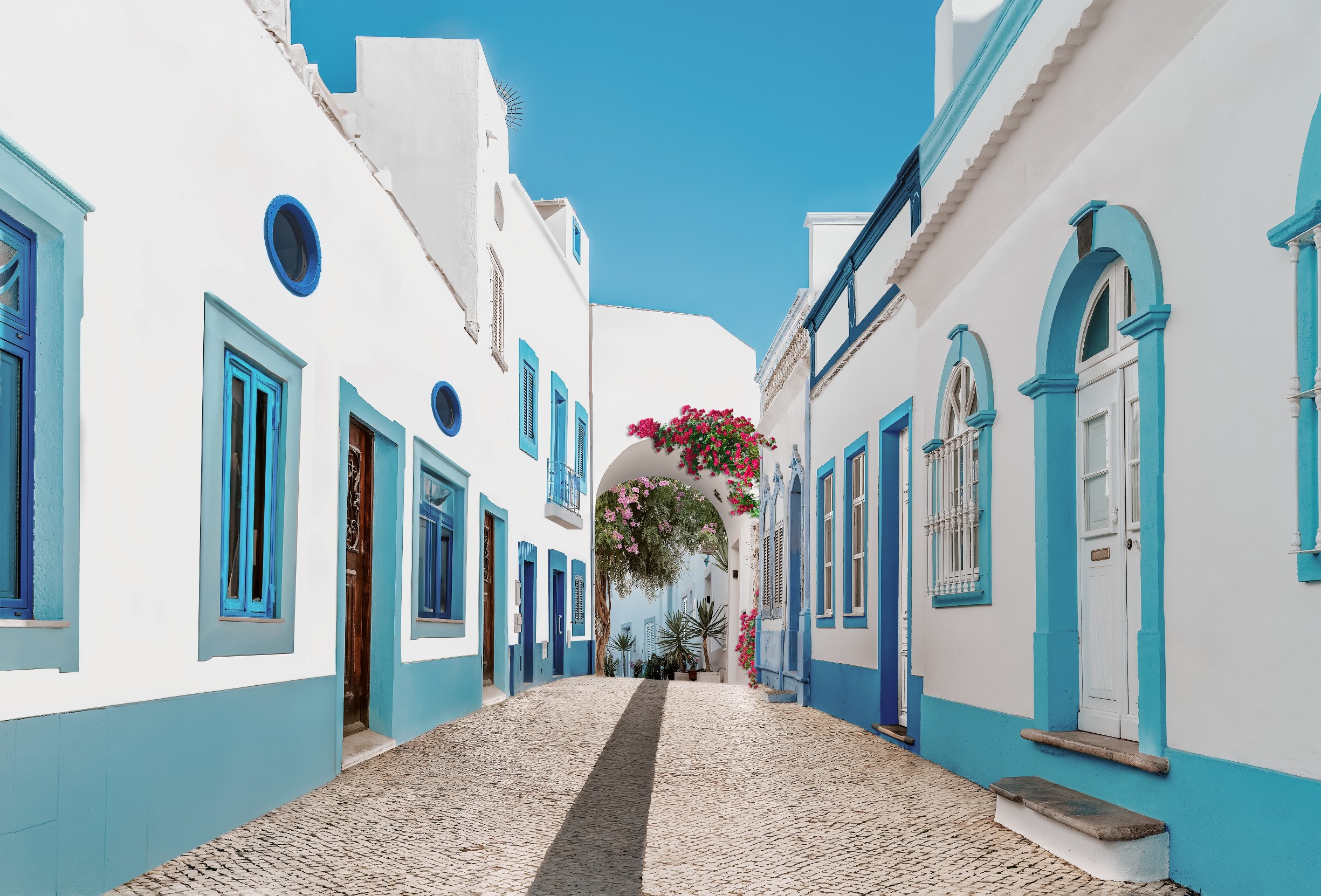
The Algarve is, at last, starting to gain recognition for the thrilling quality of its best wines. After an inauspicious start – lazy co-operatives spent the 1900s churning out tourist plonk – this corner of southern Portugal is earning the respect of its peers. The region, already renowned for its pristine beaches and whitewashed villages, has become a magnet for outside investment; millions of euros have flowed into these once-neglected vineyards as winegrowers seek new terroirs in the face of rising demand for hand-crafted labels. In the 20th century, Algarve invited snorts of derision from international buyers and sommeliers. However, those days are long gone.
Indeed, every year brings good news for the Algarve’s burgeoning wine industry. The awards keep rolling in: overwhelmingly for the potent red blends that are a trademark of southern Portugal. Meanwhile, a campaign to market the region to international consumers is gathering momentum. The Algarve’s tourism helps spread the word, and the region is justly celebrated for its superlative gastronomy; the coastline hosts several Michelin-starred restaurants. So sip a glass of Touriga Nacional and marvel at the unspoiled beauty of Europe’s premier seaside resort. But remember: there are terrific dry whites and fizz from indigenous grapes found all over the country. Saúde!
History
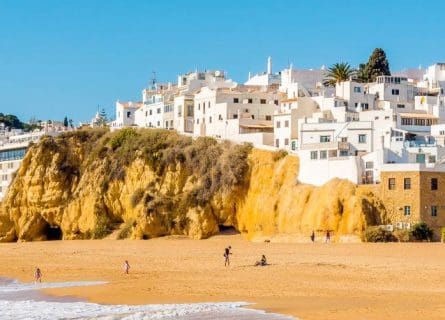
Wine production, already popularized by the Phoenicians and Greeks, became a major part of the Algarve’s economy during the Roman tenure. The most striking example of this cultural legacy can be witnessed at the Roman ruins of Milreu. However, the collapse of the Western Roman Empire in 476 AD led to a significant decline in wine production.
Unfortunately, as Portugal’s fortunes declined in the 18th and 19th centuries, so too did its vinous reputation. Under the rule of the dictator Antonio Salazar, co-operatives sprang up across the nation, as Salazar was keen to centralize wine production across Portugal; yet this was hardly a boon for quality in regions like the Algarve.
Fortunately, the 21st century saw individuals move in as the co-operatives lost their dominance over local wine growing. Moreover, Portugal’s best winemakers are spreading their wings and applying their talents to emerging terroirs and subregions. The best, as they say, is yet to come.
Geography and terroir
Whether the Algarve is a serious challenger to Alentejo is a good subject for debate; the latter region has had longer to work on its act. But there is no doubt that the balmy climate and dry autumns are highly conducive to quality wine growing. Separated from Alentejo by the Monchique mountains, rainfall during harvest time is almost unheard of along the Portuguese south coast. Instead, growers can anticipate warm sunny days and cloudless skies extending into October – sometimes November! This is why late-ripening varieties, such as Syrah and Touriga Nacional, are the first choice for many Algarve producers. Left on the vine until September, the berries are packed with sugar, ripe tannin, and flavor. Indeed, achieving full physiological ripeness in the Algarve is seldom a challenge. One could even say it comes all too easily.
Of course, there is a downside to abundant sunshine and warm evenings. Specific sites are liable to produce ‘cooked’ wines: flabby and cursed with unwieldy alcohol – the inevitable concomitant of all that sunshine and heat. For that reason, many growers have become fixated on seeking higher-elevation sites that offer all the benefits of diurnal temperature variation. This refers to a significant difference between day and night temperature, helping preserve the grapes’ acidity. Soils are another vital part of the quality equation: calcareous terroir, cold and free-draining, is ideal for cultivating white grapes. But there are also outcrops of sand close to the coastline and metamorphic schist. The latter suits Touriga Nacional down to the ground. As elsewhere, vineyard sites near the sea enjoy cooling breezes that help to moderate intense summer heat. They can be a godsend in July and August.
Planning an Algarve Wine Trip
The Algarve’s vineyards extend from Lagos in the west to Tavira in the east, with many of the most rewarding estates tucked into the countryside around Portimão, Lagoa, Silves, and Albufeira. Rather than trying to cover the entire region in a day, it is worth concentrating on one area and arranging visits in advance.
Cellar Tours will organize private winery visits and tastings, chauffeured transfers, expert guides, restaurant reservations, and luxury accommodation. Each tour is designed around the wines that interest you and the pace you prefer, allowing you to enjoy the Algarve’s vineyards, gastronomy, and coastline at leisure.
Planning resources
Winemaking and regional classifications
Winemakers in the Algarve play by their own standards and rules. For example, most growers prefer to work under the Vinho Regional Algarve designation despite an established appellation framework. This affords a great deal of freedom to oenologists, including the varieties they work with and the methods they employ. Yet the flexibility on yield isn’t always a blessing when quality is concerned; leading brands will always crop at levels far below the permitted levels.
A raft of investments, meanwhile, has endowed all the best wineries with the standard paraphernalia of modern equipment: stainless steel, analysis laboratories, barrel cellars, and sorting machines. Nevertheless, the techniques used will vary significantly, ranging from hyper-protective winemaking to skin contact and maturation in amphorae.
The Algarve comprises four denominations of origin—Lagos, Portimão, Lagoa, and Tavira—together with the broader IG Algarve. Lagos and Portimão lie in the Atlantic-influenced west, while Lagoa extends across much of the central Algarve. Tavira covers the lower-lying eastern sector, where sandy soils are particularly prevalent. Negra Mole, Castelão, and Trincadeira remain central to the regional identity, alongside white grapes such as Arinto and Síria, locally known as Crato Branco. Many contemporary producers use IG Algarve for the greater freedom it offers in grape selection and blending.
Facts & Figures
-
Key wine styles
- Full-bodied reds
- aromatic whites
- rosé
- dessert wines
- a small volume of sparkling wine.
-
Appellation structure
- The Algarve has four protected denominations of origin—Lagos, Portimão, Lagoa and Tavira—alongside the broader IG Algarve, which covers the entire region.
-
Hectares under vine
- approximately 1,427 ha
-
Average annual production
1.5 million bottles
-
Approximate number of wineries
50
The lowdown
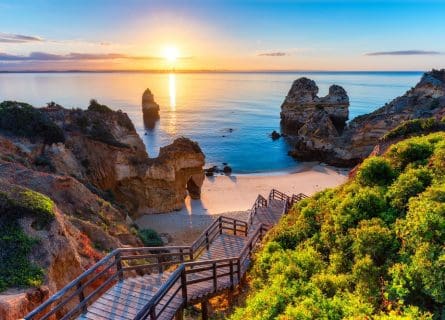
The Algarve – and its wines – are innately seductive. Deeply passionate and utterly committed to sustainability, its community of winegrowers can offer you original flavors, a passion for hospitality, and a surfeit of natural beauty. The vineyard, located in the heartland of a major tourist zone, is a serene paradise filled with indigenous grape varieties, beautiful beaches, and award-winning restaurants. From the perspective of the wine lover, there is little, if anything, to dislike. Export markets are still embryonic, but visitors can speak to the quality and originality of local wines. Despite market pressure to increase white production, many of the region’s best bottles are concentrated red blends. Touriga Nacional and Antão Vaz are hot favorites, although Syrah can also be exceptional. Moreover, prices remain very stable and reasonable.
However, it’s not all plain sailing in the sun-kissed vineyards of the Algarve. A series of torrid vintages has tested the limits of vine cultivation in the region and the availability of irrigation water! In southern Europe, heat and drought can produce flabby, ‘baked’ wines – a vine’s metabolism races ahead in hot weather, often reaching high sugar levels at the expense of acidity. Picking times are, therefore, absolutely crucial. Even a day or two can make a dramatic difference.
David Corticeiro, who leads the winemaking team at Quinta dos Vales, explains:
“Most producers are harvesting earlier, with some starting the harvest already in July, depending on the wine style. The varieties that most producers are growing are quite well adapted to the warm conditions – these days, Touriga Nacional is even being tested in other countries and wine regions, such as Bordeaux, California, and Australia.”
Key grape varieties
-
Red grape
Aragonez (Tempranillo)
Discover the versatile grape: Spain's Tempranillo, and in Portugal, Aragonês and Tinta Roriz (Douro Valley). Embrace the rich cultural tapestry of this beloved varietal. View grape -
Red grape
Castelão
Uncover the allure of Periquita grape varietal, a hidden gem in Portugal's wine tradition. Experience new flavors and sensations with this authentic red wine. View grape -
Red grape
Syrah
Discover Syrah, from Northern Rhône classics to Shiraz, with flavor profile, regions, aging potential, and food pairings. View grape -
Red grape -
Red grape
Touriga Nacional
Explore Touriga Nacional, Portugal’s flagship red grape, including its role in Port, Douro reds, flavor profile, aging, and food pairings. View grape -
Red grape
Trincadeira (Tinta Amarela)
Tinta Amarela, aka Trincadeira, is a red grape used in Port and red wine. Thrives in dry, hot climates, flaunting purple-skinned allure but susceptible to rot. View grape -
White grape
Antão Vaz
Antão Vaz: Popular Portuguese white wine grape, grown in Alentejo. Known for its fresh acidity, ideal for casual and fine dining. View grape -
White grape
Arinto
Arinto is a versatile white wine grape variety known for its crisp acidity, citrus, green apple flavors, and a mineral finish View grape -
White grape Malvasia Fina
A long-established Portuguese white used in softly aromatic regional blends. -
White grape Manteúdo
A traditional Algarve blending grape still found in the region’s dry white wines. -
White grape Moscatel Graúdo
An intensely aromatic grape used for both still and traditional fortified wines. -
White grape Síria (Crato Branco)
A traditional late-ripening white producing youthful, gently aromatic and fruity wines.
Algarve gastronomy
Restaurants in the Algarve cater to every budget and desire. There are several leading Michelin-starred venues along the coastline; spectacular views and inventive, eye-catching dishes are de rigueur in these luxury establishments. Yet there are far more classical tabernas, serving home-cooked food in convivial surroundings. And despite the rising prominence of exotic ingredients and fusion elements, many Portuguese diners like to stick to their culinary traditions. Local specialties include dried cod (bacalhau) and pork with clams (carne de porco à alentejana). Fresh oysters, langoustines, sardines, and sea bass are also plentiful in the sea-facing restaurants of the Algarve. Cataplana de marisco (seafood stew) combines clams, squid, lobster, and possibly cuttlefish. It is divine.
Explore further
Continue Exploring Portugal
Discover private journeys, the complete wine region guide, and expert stories from across Portugal.
 9 tours
Country tours
Private Wine Tours in Portugal
Discover Portugal's Old World Charms and Flavors
 6 days / 5 nights
Private tour
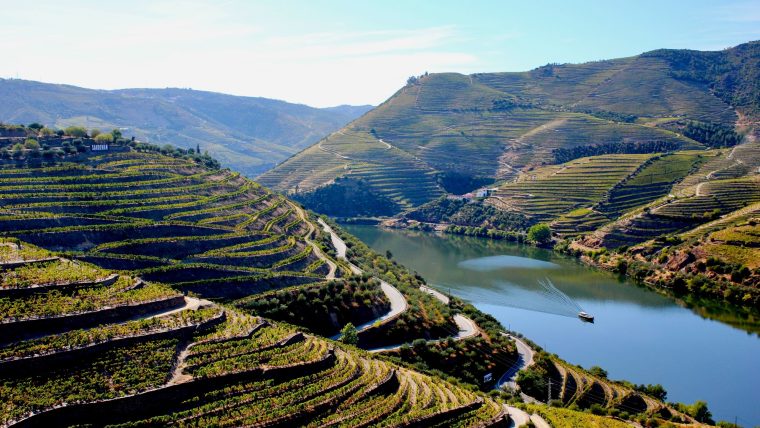
Private Wine Tour in the Douro Valley
Douro Quintas, Port lodges and river-valley luxury
 5 days
Private tour
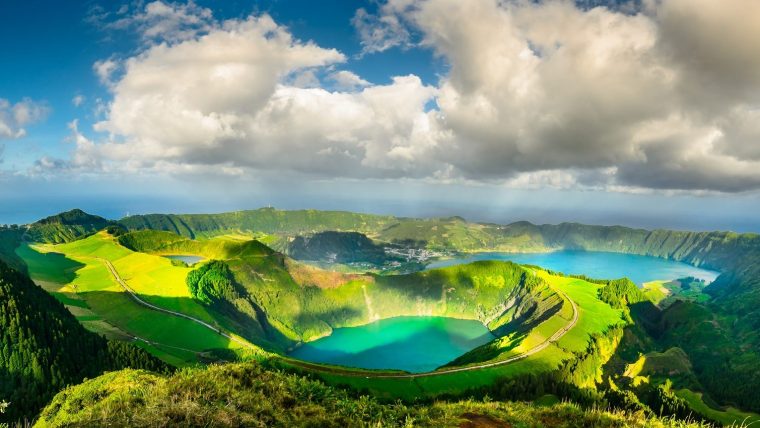
Private Food & Wine Tour in the Azores
Volcanic wines, São Miguel flavors and whale watching.
Wine regions
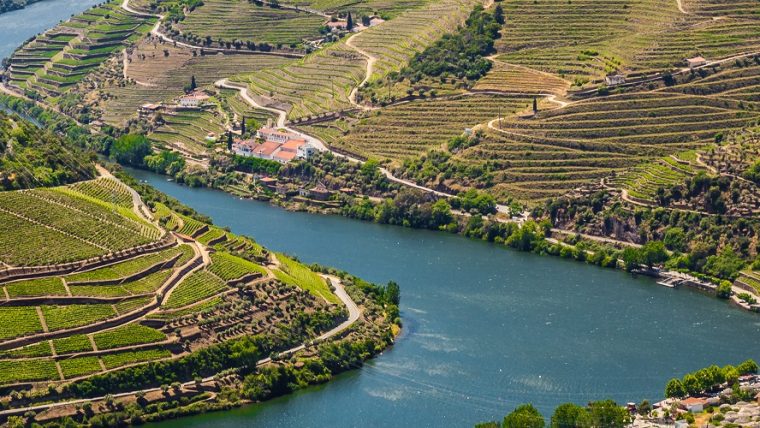
Best Wine Regions in Portugal
Compare Portugal’s leading wine regions, signature grapes and best travel bases—from Vinho Verde and the Douro to Alentejo and Madeira.
Explore regions
Article
New Wave Algarve: A Wine Renaissance Out West
Explore the Algarve wine experience and discover the unique terroir-driven wines from the sun-kissed region of Lagos.
Read article
Article
Tinta Barroca Grape Variety: A Port Legend
Tinta Barroca is one of the most common red wine grapes grown primarily in the Douro region in northern Portugal.
Read articleAuthor