 46 tours
Country tours
Private Wine Tours in Italy
Private, Chauffeured Wine Journeys Across Italy’s Finest Regions
Discover food markets in Bologna, Modena, Parma, Ravenna and Rimini, from historic food halls to farmers' stalls, with tips on what to try and when to visit.
Part of our guide Emilia-Romagna Food: Traditional Dishes & Regional Specialties
Estimated reading time: 8 minutes
Emilia-Romagna’s food markets are as much about eating as shopping. Bologna’s Mercato delle Erbe and Modena’s Mercato Albinelli are great places to discover local specialties and grab lunch. At the same time, Parma’s MercaTiAmo and Bologna’s Mercato Ritrovato put visitors face-to-face with producers. Along the Adriatic coast, Rimini’s covered market is particularly good for fresh fish.
Emilia-Romagna’s culinary expertise and delicious recipes are famed worldwide, but where do the region’s chefs go to source the best ingredients? The answer is simple and timeless: their local fresh produce market. So join them, along with home cooks and homemakers, to discover the many colorful specialties each season offers and dig deeper into the region’s real food.
| Market | City | Best for | When to visit |
| Mercato Coperto | Rimini | Fresh fish and local produce | Morning for food shopping |
| Mercato Coperto | Ravenna | Regional specialities, food shops and dining | Open daily; check individual outlets |
| Mercato Albinelli | Modena | Fresh pasta, charcuterie and local produce | Monday–Saturday for market stalls |
| MercaTiAmo | Parma | Seasonal produce sold by local farmers | Tuesday, Wednesday and Friday mornings |
| Mercato delle Erbe | Bologna | Cheese, fresh food and casual dining | Daytime for stalls; restaurants have separate hours |
| Mercato Ritrovato | Bologna | Local producers and seasonal foods | Saturday mornings and selected Wednesday evenings |
| Quadrilatero / Mercato di Mezzo | Bologna | Delis, bakeries, wine bars and food hall | Daytime and evening; hours vary by outlet |
| Mercato di Porta Galliera | Bologna | Farmers’ produce and food tastings | Wednesday and Saturday mornings |
Opening days can change with the season and public holidays, so check the markets’ own websites before planning your visit.

related tours
The markets are a wonderful introduction to Emilia-Romagna’s food culture, but there is plenty more to discover beyond the stalls. Our private Emilia-Romagna food and wine tour brings together visits to artisan producers, winery tastings and memorable meals, with a tailor-made journey through Bologna, Modena and Parma.
In addition to enjoying the priceless spectacle of dawn over the sea, early risers on Emilia-Romagna’s Adriatic coast can stroll along the fishermen’s quays to see them sell the day’s best catch straight off the boat. In Rimini’s historical center, the attractive 18th-century fish market building is surrounded by some of the city’s most popular bars and restaurants, and the marble slabs of the former market are now taken over each evening by reveling locals, who use them as a handy place to put their glass down. As a working food market, Rimini’s Mercato Coperto lets you buy fresh fish alongside local meats, fruit, and vegetables. Further north on the coast at Comacchio, a charming place laced with canals hosting a celebrated eel festival each autumn, also has a decorative fish market structure dating from the 17th century.
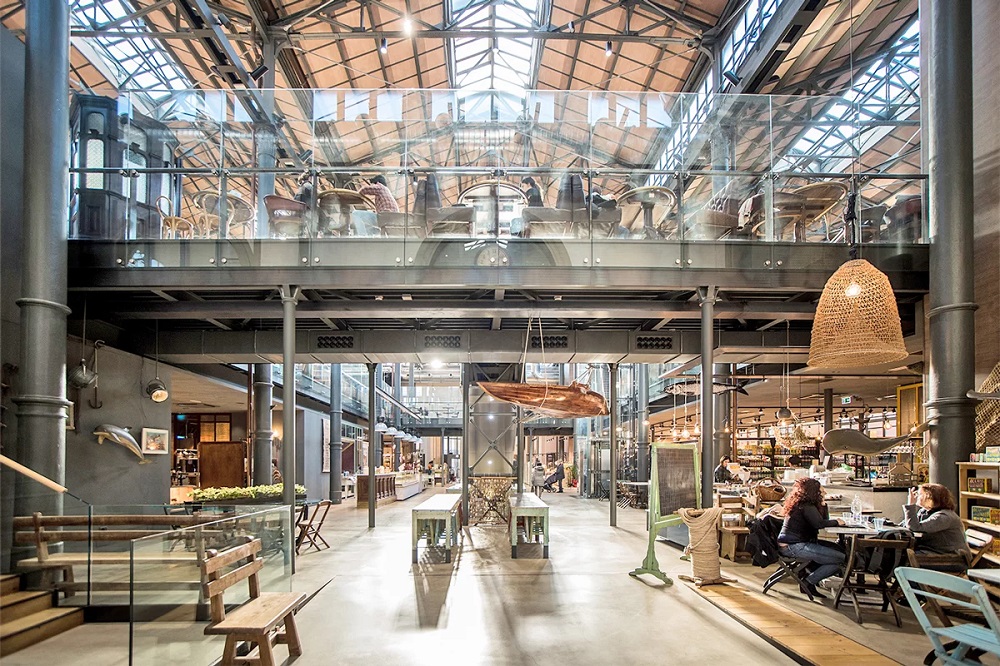
Ravenna’s Mercato Coperto stands on the site of a historic fish market that first opened in 1922 as a general market selling a full range of food. As years of restructuring work had hidden the original building’s beauty and style, a careful, faithful renovation began in 2017, and the market reopened two years later. Molino Spadoni runs it, and its core business is a 100-year-old flour mill. Leonardo Spadoni himself selected furnishings that include eye-catching antiques such as a lagoon fishing boat, 19th-century chandeliers, and an Art Deco bar. The local Mora Romagnola pig was brought back from near extinction, and specialty pork products make a great buy at the market.
In line with trends throughout Europe and beyond, the markets of Emilia Romagna are no longer just a place to shop – many come to eat fresh and flavorful dishes and indulge in a spot of people-watching. As a result, the market’s stools, booths, restaurants, and wine bars offer a perfect perch for insight into the city’s fascinating comings and goings of everyday life.
One colorful market with some good options for a popular lunchtime stop is Mercato Albinelli in central Modena. Among other dishes, you can tuck into tortellini at Antica Bottega. The local custom of sorbir involves pouring a bit of Lambrusco wine into the broth. This is also a great place to buy fresh pasta to take away, along with typical salamis and sausages, including two local favorites: cotechino and zampone, the latter stuffed into a pig’s trotter skin and traditionally served on New Year’s Eve. In addition, the market offers plenty of fresh vegetable and fruit stalls and a charming statue of a lady carrying fruit at its heart, dating from 1931. While you’re here, among other top local chefs, you might find yourself shopping alongside Massimo Bottura, whose triple-Michelin-starred restaurant is close by.
Along with the covered markets, every city has a farmers’ market day when local producers come into town and set up their stalls overflowing with farm-fresh produce, fragrant bakery goods, and enticing cheeses. In Parma, MercaTiAmo is held in central Piazzale della Pace every Tuesday morning, with further markets on Wednesday near Parco del Dono in Via Montebello and Friday at Piazzale Pablo. The producer-run markets are also part of Slow Food’s Mercati della Terra network.
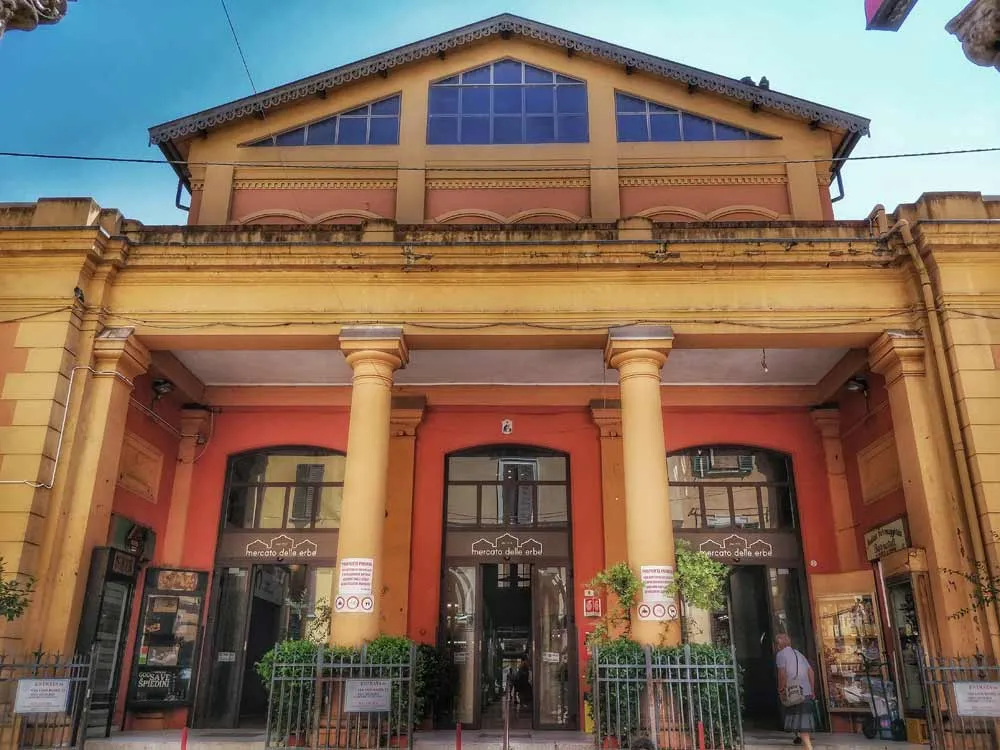
Bologna has more than its fair share of colorful food markets, and the center’s historic markets are a real draw. Mercato delle Erbe is locals’ choice. It’s been here since 1910, when the building – a former monastery, later transformed into an army barracks under Napoleon – was restructured, and produce stalls were moved in from nearby Piazza San Francesco. Before that, the same stalls had been moved from Piazza Maggiore, close to the landmark Neptune fountain – you can still see the old measures carved into the wall of Palazzo d’Accursio and one of the freshwater fountains installed for market use. One shop not to be missed at Mercato delle Erbe is Formaggeria Barbieri, a historic family-run cheese store specializing in Parmigiano Reggiano from mountain producers and stocking exquisite cheeses from all over Italy and beyond. You can even book a tasting through the website. A few stalls down, Sfarinà serves the best piadina (local specialty flatbread) in town; it’s a tiny place run by brothers Vincenzo and Giacomo Lo Stuto, who select only the best ingredients and offer enticing traditional and seasonal fillings. Among the market’s other eateries, Banco 32 is a favorite for fish lovers. It’s opposite the seafood counter, and they prepare a new lunch menu daily with the freshest fish. In Via Belvedere, just behind the market, among the wine bars that come to life each evening, the long-standing Le Sfogline pasta shop is the place to pick up pre-ordered tortellini or other pasta to cook at your apartment.
Also operated by the producers, Bologna’s Saturday morning Mercato Ritrovato has a real community feel, with Wednesday evening markets during the warmer months. Located within central Bologna’s Manifattura delle Arti district, the market hosts events, lessons, and cooking or crafts workshops such as traditional fabric printing, pasta making, or baking at the community oven. In addition, wines from the Colli Bolognesi hills, southwest of the city, are on sale and served to enjoy here, along with locally produced craft beer, organic meats and cheeses, seafood, baked goods, and more.
A short stroll away, the Quadrilatero is a grid of narrow streets just off Piazza Maggiore, the city’s main piazza. Since medieval times, the area has been home to shops and stalls selling foodstuffs. The roads, named after what was traditionally sold there, include Drapperie (drapes), Orefici (goldsmiths), and Clavature (locksmiths), as well as Pescherie Vecchie (old fishmongers), the most picturesque of the streets lined with attractive produce stalls, and Ranocchi (frogs), where the city’s most ancient wine bar, Osteria del Sole, stands. The bar, here since 1465, serves wine and beer but no food, though you are welcome to bring your own food. Finally, stock up at the market’s best deli, Simoni, where you can buy slices of traditional mortadella and other items they make themselves. Just around the corner, the Atti family has been selling their own baked goods at Paolo Atti since 1868. Try crescente (a kind of focaccia with tiny pieces of ham in the dough), streghe (Bologna’s traditional crackers), raviole (a sweet pastry filled with mostarda bolognese, a traditional fruit preserve), and torta di riso – one of over 30 traditional recipes to be registered at the city’s Chamber of Commerce. Also within the Quadrilatero area, Mercato di Mezzo is a covered market converted into a food hall serving delicious bites to eat as you stroll. Another Quadrilatero stop is Giusti, where you can try and buy authentic traditional balsamic vinegar from Modena’s oldest producer, founded in 1605.
The indoor Mercato di Porta Galliera is one of Bologna’s newer farmers’ markets. Although it began in late 2022, it already has a genuine atmosphere, thanks to the producers who staff the stalls each Wednesday and Saturday morning. As you stroll around the stalls, you’ll be offered tasters of cheese, charcuterie, balsamic vinegar, bakery specialties, wine, and more!
Whether you plan to buy, taste, or discover Emilia Romagna’s specialty produce or even indulge in a delicious snack or meal, the many colorful food markets are the place to go. Be prepared for a unique, authentic, fully immersive experience of the region’s celebrated food culture, full of color, flavor, and aroma.

Explore further
Discover private journeys, regional guides, and expert stories to help you plan an unforgettable trip through Italy.
46 tours
Private, Chauffeured Wine Journeys Across Italy’s Finest Regions
 6 days
Bologna, Modena and Parma woven into a refined gourmet journey.
 1 day (ideal from Umbria)
Truffle hunting, regional wines and hands-on cooking.
Compare Italy’s leading wine regions by signature wines, scenery, best base, travel time and ideal stay
Explore regions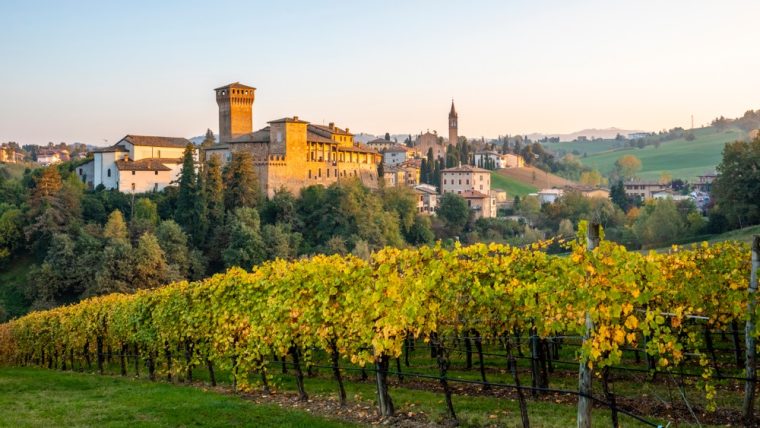
What to eat in Emilia-Romagna: Parmigiano Reggiano, tortellini, piadina and Adriatic seafood, plus regional specialties and local wine pairings.
Read article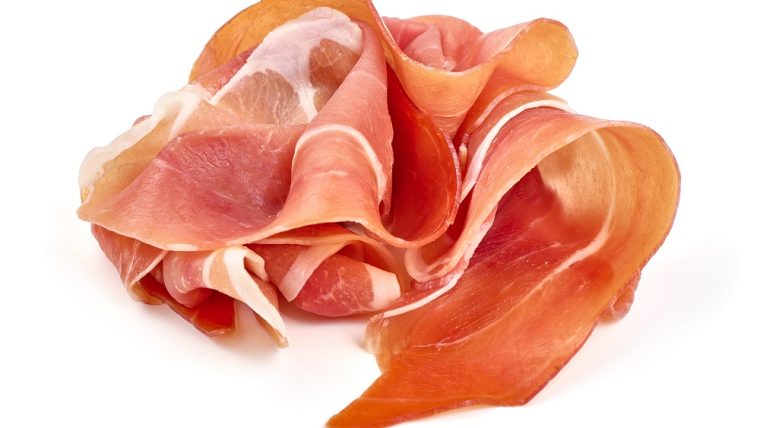
Discover Emilia-Romagna's traditional cured meats, from Prosciutto di Parma and mortadella to culatello and coppa, plus regional wines and places to taste them.
Read article