Galicia
Atlantic seafood, empanadas, and the cooking of Galicia
Traditional Spanish food is uncomplicated, flavorful, and based on the freshest regional ingredients made available by Spain’s diverse geography. Spain has long coastlines on the Atlantic Ocean and Mediterranean Sea and shares its northeastern border with France. Mountains and valleys sprawl across the country’s vast and varied interior landscape. Historically, these mountains acted as natural barriers impeding communication and transportation between regions, and culinary traditions tended to remain local.
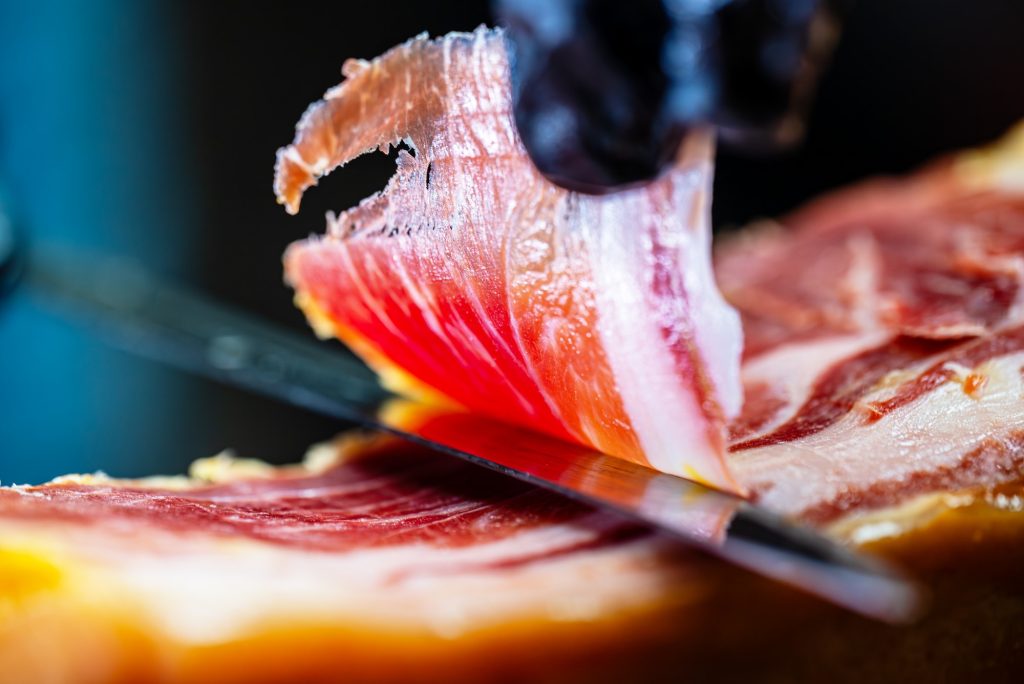
Wondering what to eat in Spain? Start with the regional specialties: Basque pintxos, Galician seafood, traditional Castilian roasts and Valencian paella. Explore the guides below to discover the dishes, ingredients and local traditions that make each region distinctive.
Regional food guides
Atlantic seafood, empanadas, and the cooking of Galicia
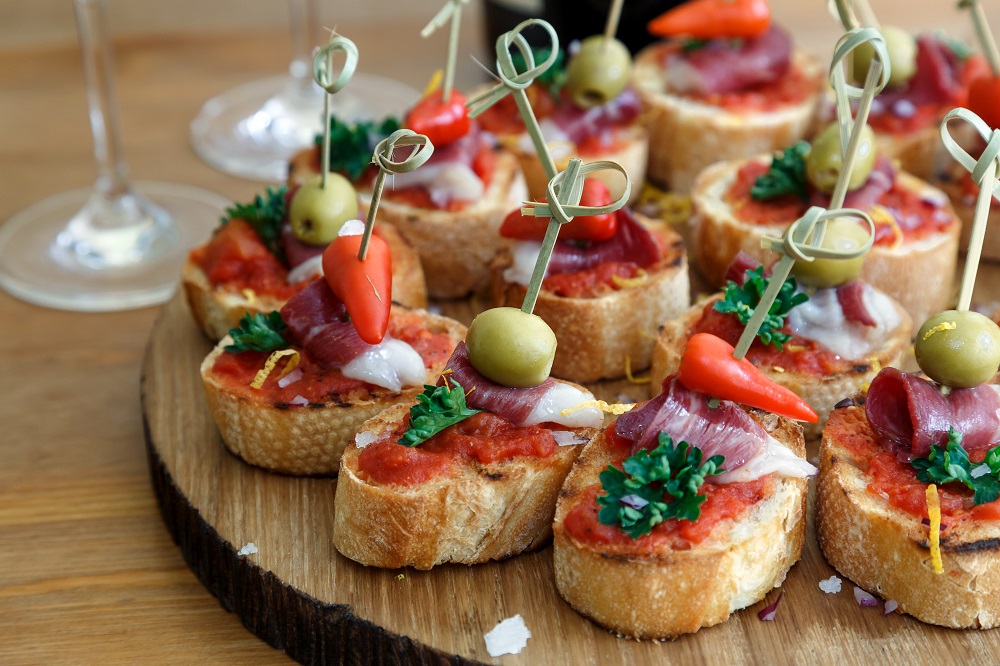
Pintxos, grilled fish and Basque txuleta

Patatas a la riojana, caparrones and regional vegetables
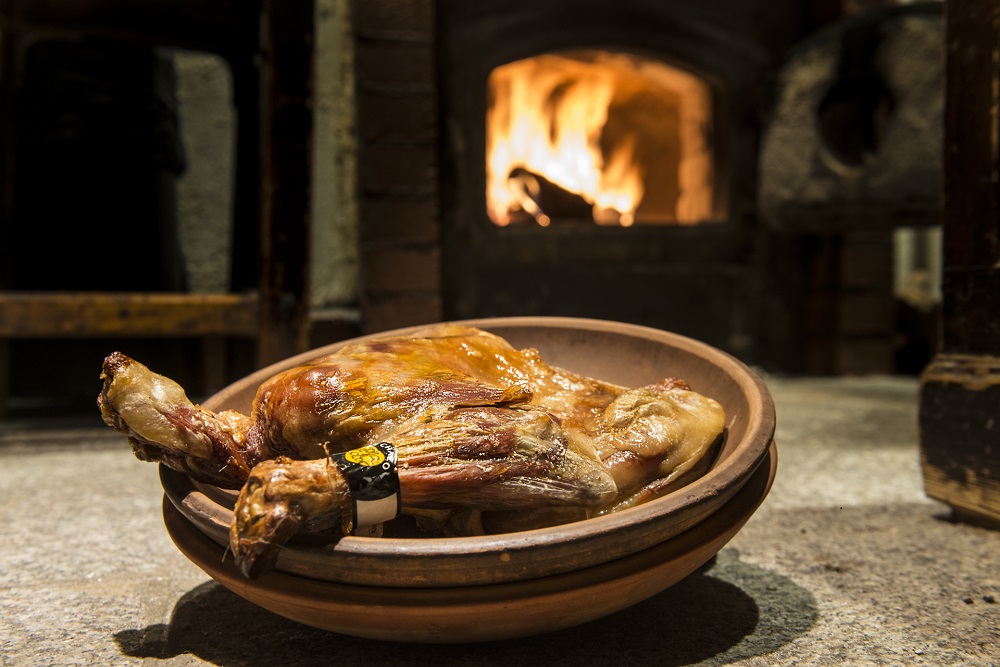
Lechazo, cochinillo and cooking of Castilla y León

Calçots, rice dishes and the Catalan kitchen

Cold soups, fried fish and flavors of the south
Follow the ingredients, dishes and customs that shape food in Spain.
Follow your appetite
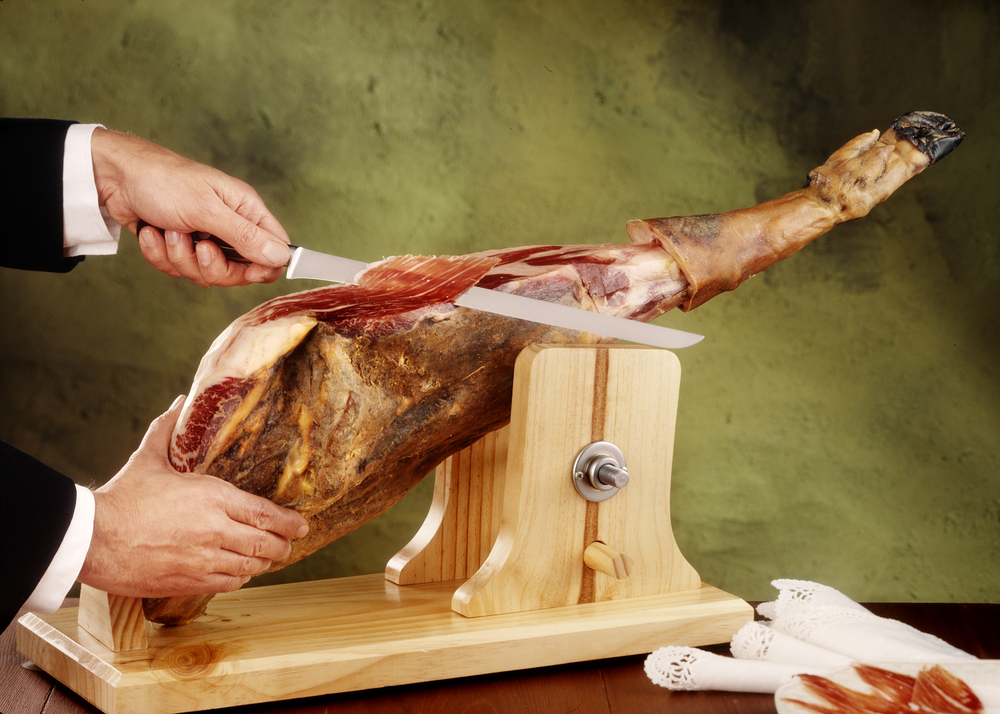
Understand Ibérico, Serrano, and the labels that distinguish them
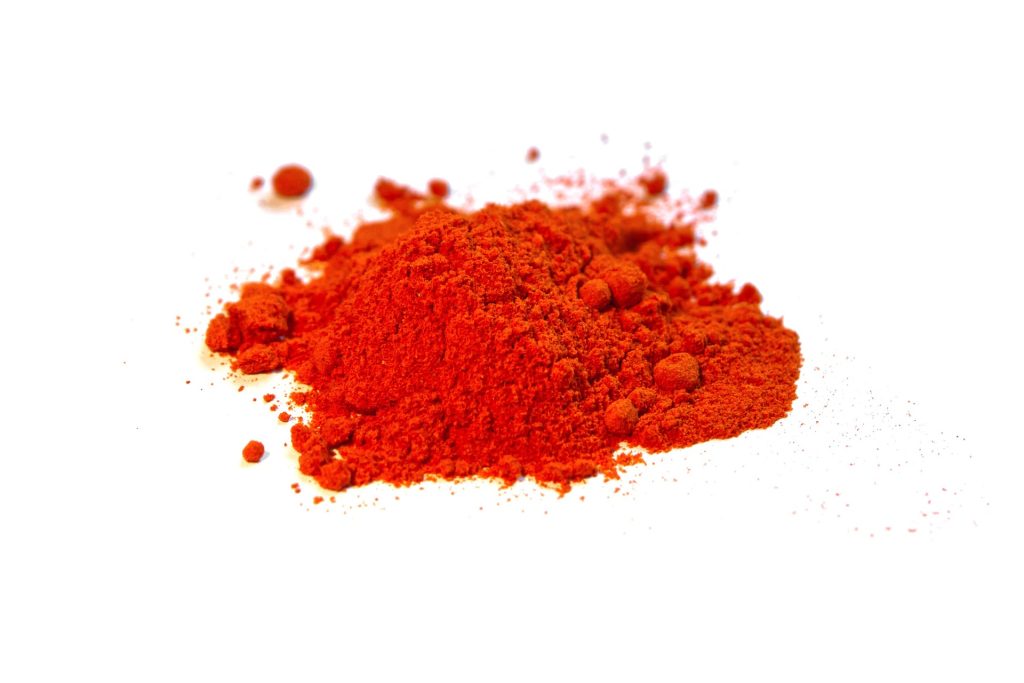
Explore pimentón and its place in Spanish cooking
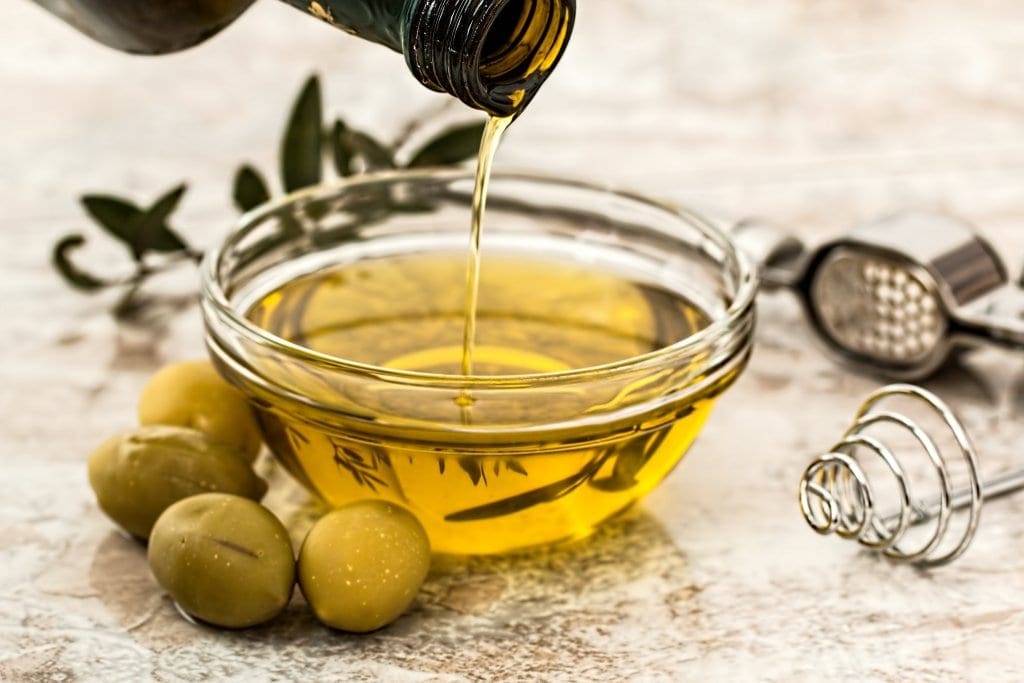
Discover the varieties and regional styles of Spanish olive oil

A selection of the top regional Spanish cheeses
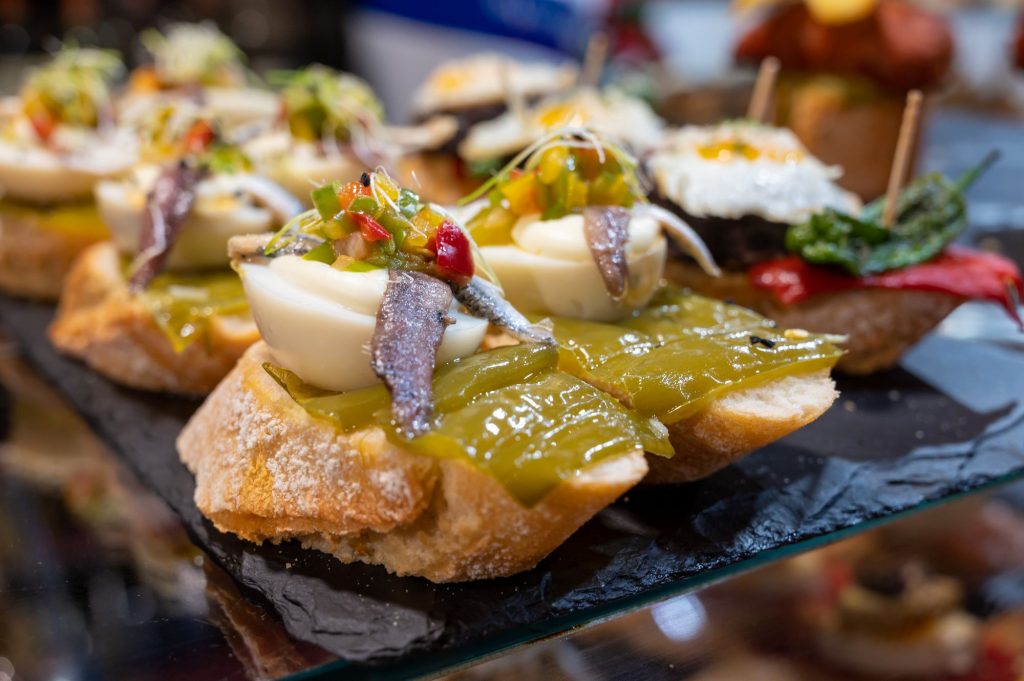
Learn to master the art of pairing wines like Albariño, Rioja, and Cava with your favorite dishes

Discover Vinagre de Jerez, its traditional aging methods and its place in Andalusian cooking.
Many of the Spanish ingredients featured above can be discovered in Madrid’s specialist food shops, from exceptional jamón and regional cheeses to olive oils, spices and wines from across the country. If Madrid is on your itinerary, explore our favorite gourmet food and wine shops in the capital.
Spanish cooking changes as you travel. Inland, in La Rioja and Castilla y León, beef, pork, and game feature prominently, with legumes and hearty stews to warm you through the colder months. Castilian roast lamb and suckling pig are memorable, but only part of the story.
Along Spain’s green northern coast, Galicia, Asturias and Cantabria make wonderful use of fresh fish and shellfish. Yet the cooking is not all about the sea: Asturias is famous for fabada and traditional cider, while Cantabria’s cocido montañés is a hearty reminder of the region’s mountain traditions.
The Basque Country has a culinary personality all its own. Pintxos bars are an institution, while grilled turbot and thick-cut txuleta demonstrate the region’s passion for exceptional ingredients and uncomplicated cooking. Crisp local Txakoli is a wonderful accompaniment to fresh seafood.
Along the Mediterranean coast, Catalonia draws on ingredients from both the mountains and the sea. Rice from the Ebro Delta, Catalan olive oil and fresh seafood are staples of the local kitchen. Calçots, grilled to a char over an open flame and served with romesco sauce, are a deliciously messy affair. Yet Catalonia has also transformed haute cuisine. Ferran Adrià’s legendary El Bulli on the Costa Brava revolutionized fine dining, while visionary chefs including the Roca brothers, Carme Ruscalleda and the founders of Disfrutar have helped establish Catalonia as one of the world’s great gastronomic destinations.
There can be no greater symbol of Valencian gastronomy than paella. And why not? Saints’ days, birthdays, weddings, and family gatherings all justify bringing out the famously oversized rice pan that gives the local dish its name. This passion for paella reaches its apogee during the Fallas festival in March, when Valencians cook paella over wood fires in the city’s streets. Indeed, it is an awesome sight to behold.
Yet paella has humble origins. Born among agricultural workers in the rice-growing countryside of l’Albufera, traditional paella Valenciana combines rice with chicken, rabbit, local beans, and saffron.
Farther south, Andalusia offers a remarkable bounty of ingredients from land and sea. The region’s Moorish heritage still influences its cooking. Cold soups such as gazpacho, ajo blanco and salmorejo are ideal for cooling off during the long, hot summers. Chickpeas feature in many traditional dishes, including espinacas con garbanzos. Along the coast, Cádiz and Málaga are celebrated for their fresh seafood and fried fish, while the magnificent red tuna caught off the Cádiz coast is especially prized. Hearty inland dishes, including rabo de toro and traditional lamb stews, reveal another side of Andalusian cooking.
Beyond vibrant cuisine, Spain offers an abundance of wines. Bold reds come from La Rioja and Ribera del Duero; fragrant Albariño and up-and-coming Godello from Galicia; Cava from Catalonia; and Sherry from Andalusia. As with France and Italy, Spanish food and wine go hand in hand.
Taste Spain
From Basque pintxos to the wines of Rioja, let your favorite regional flavors inspire your next trip. We’ll plan a private food and wine journey around your tastes, with local producers, winery visits, and carefully chosen restaurants.
Companion Guide
Dining in Spain? Our Spanish A–Z Food Dictionary will help you navigate local menus and understand unfamiliar dishes before you order.
These are some of the restaurants we enjoy sharing with guests on our private food and wine tours across Spain. Our recommendations draw on personal dining experiences, restaurants featured in selected itineraries, and guest feedback. From traditional Castilian roasts to Atlantic seafood and inventive contemporary cooking, each reflects the region's distinctive culinary character.
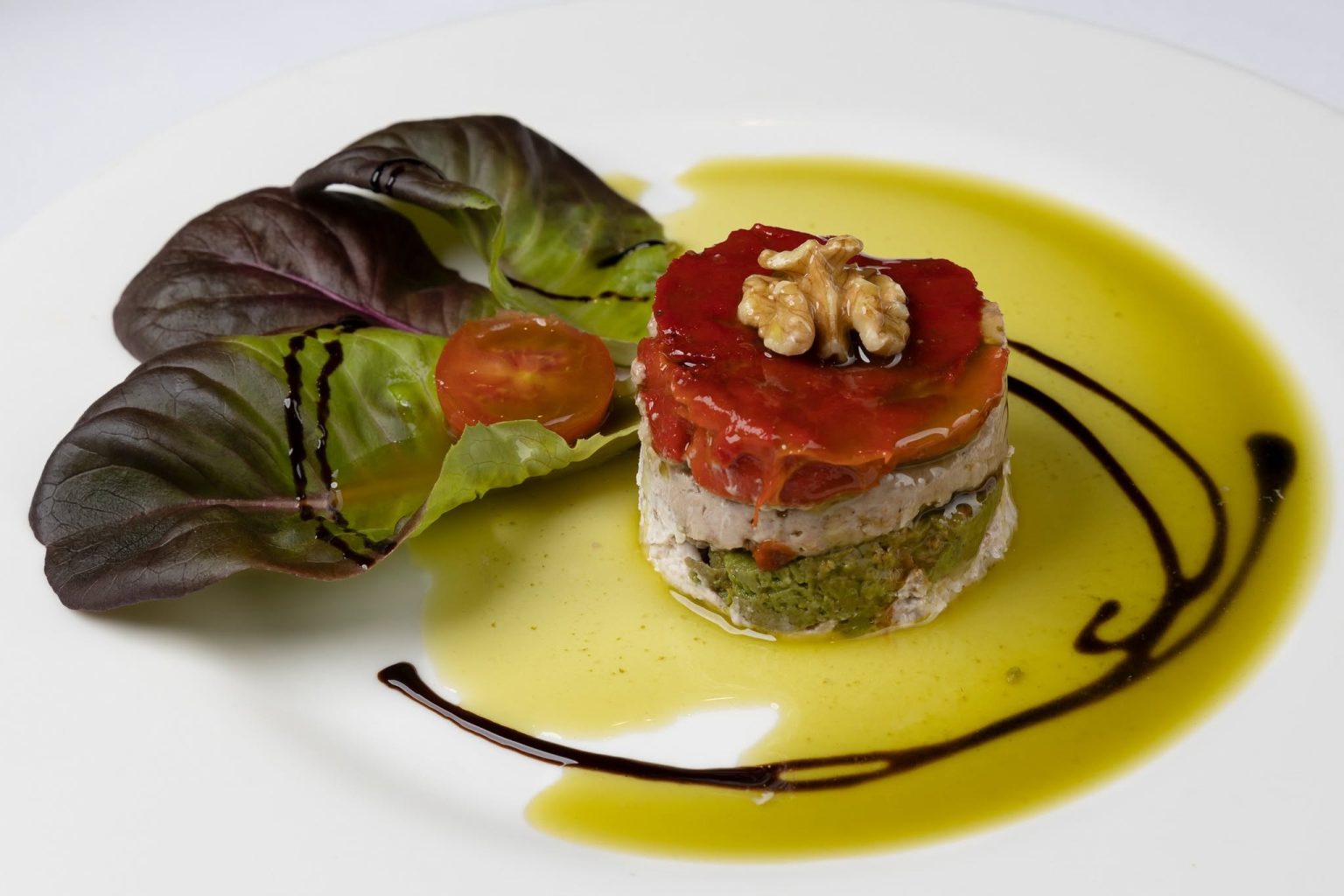
Segovia, Castilla y León · Traditional Castilian cuisine
Why we recommend it
Few dishes capture Castilian cooking as vividly as Segovia’s roast suckling pig. At José María, crisp-skinned cochinillo is the house specialty, paired with seasonal dishes and wines from Pago de Carraovejas (part of the same family group). Its traditional dining rooms make it a wonderful introduction to Spain’s great roasting culture, and you can start with a vermouth aperitif in the lively restaurant bar.
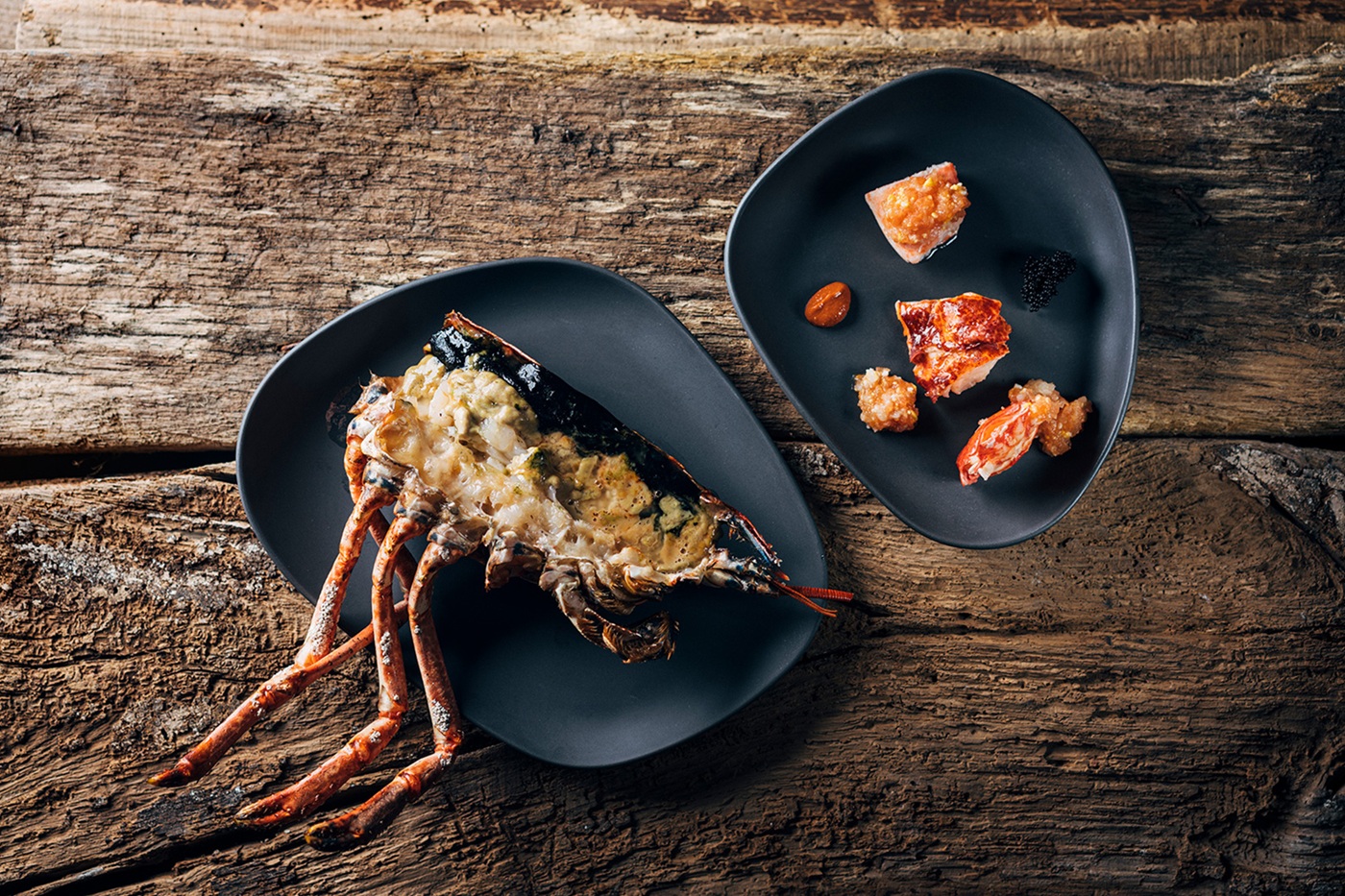
Getaria, Basque Country · Charcoal-grilled seafood
Why we recommend it
Getaria’s fishing heritage is at the heart of Elkano. Their defining dish is whole fresh turbot, simply grilled over charcoal right outside the restaurant. A must for fish lovers. The kitchen also prepares outstanding Cantabrian fish and shellfish with remarkable precision, while an extensive wine cellar, including local Txakoli, complements one of the Basque Country’s most memorable dining experiences.
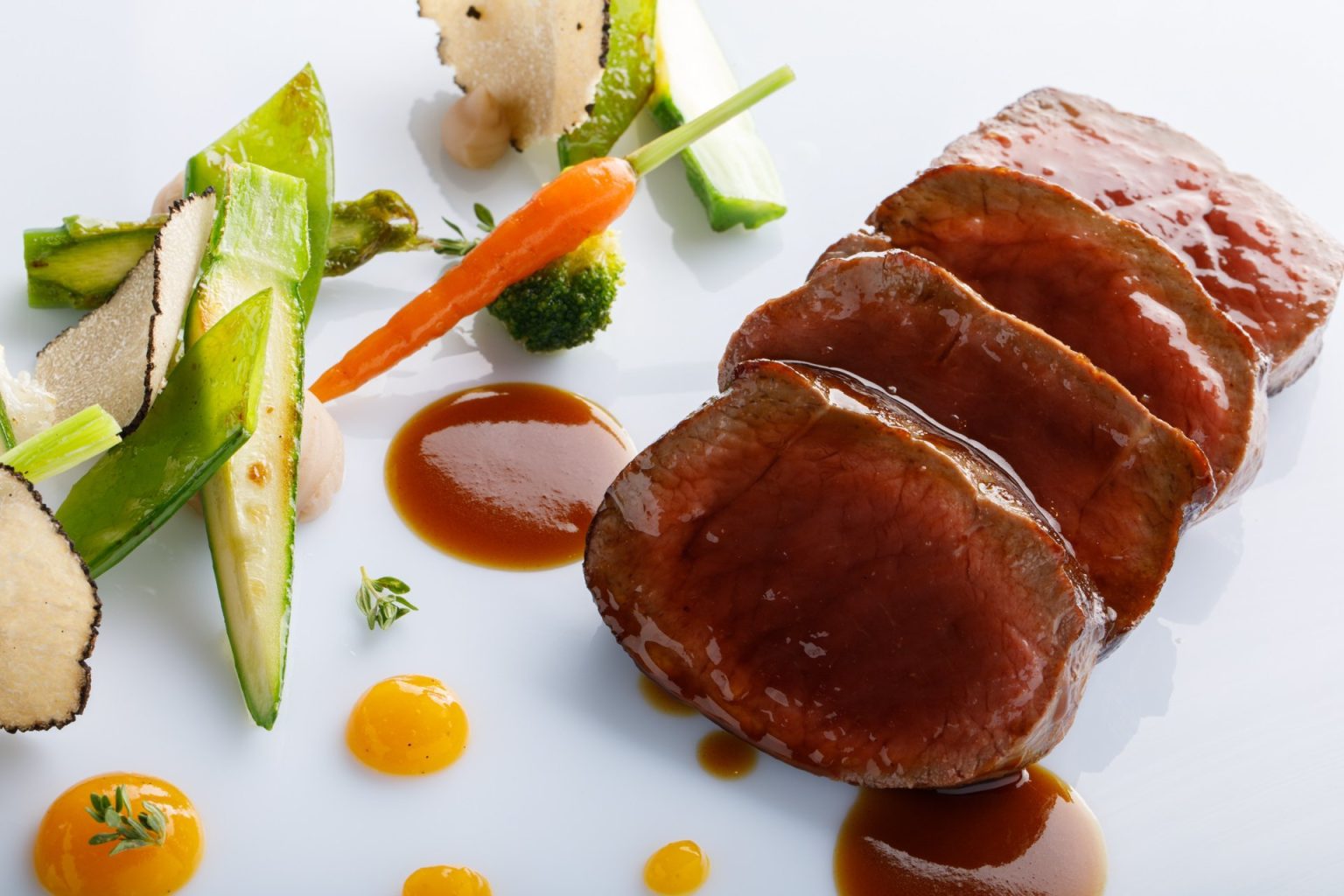
Ribadavia, Galicia · Galician cuisine and Ribeiro wines
Why we recommend it
Surrounded by the vineyards of Casal de Armán, Sábrego offers a wonderful introduction to Ribeiro's food and wines. Seasonal Galician ingredients, from local vegetables and meats to Atlantic fish, are thoughtfully prepared and accompanied by the estate’s wines, including its distinctive Treixadura-based whites.
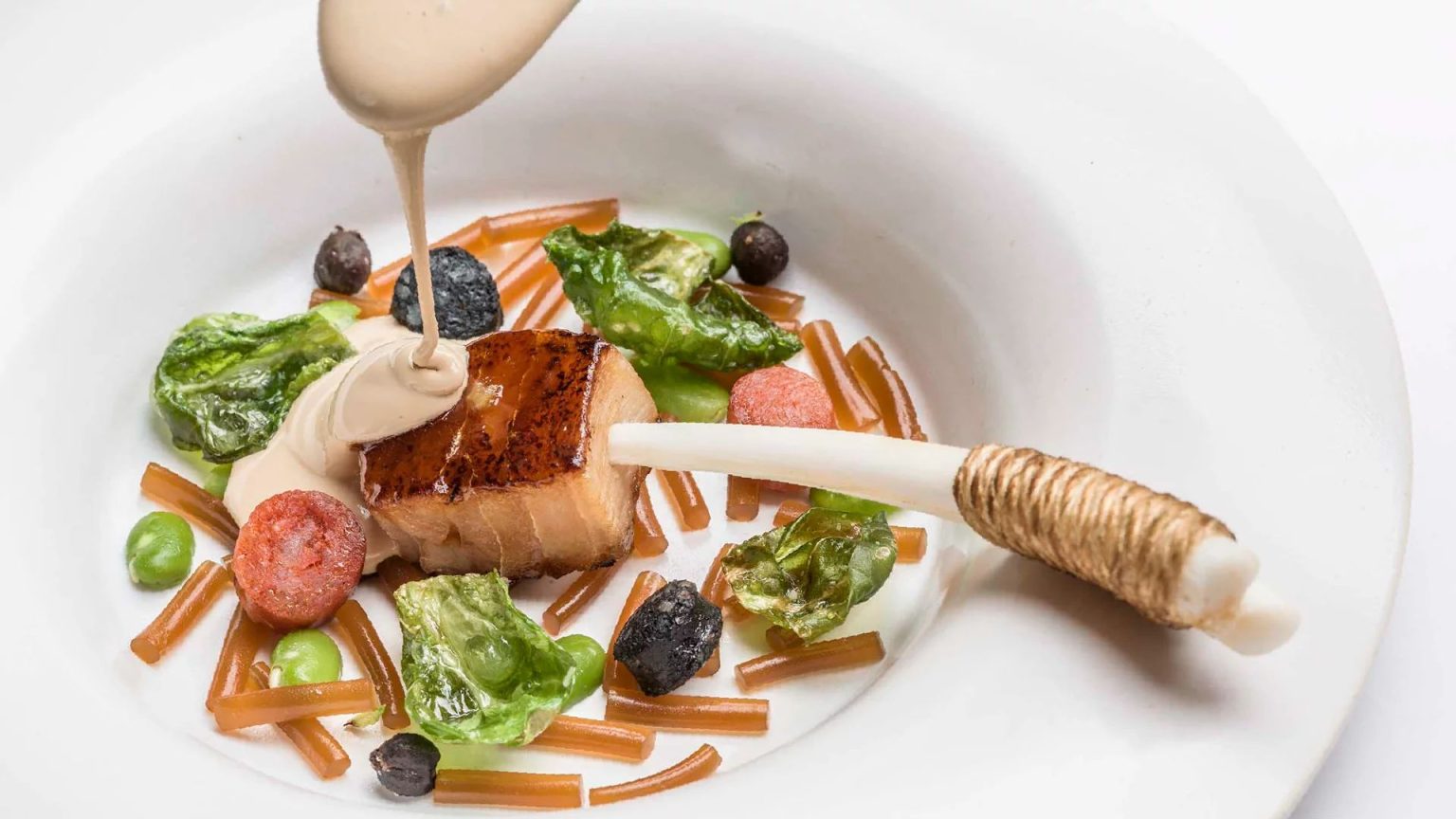
El Puerto de Santa María, Andalusia · Innovative marine cuisine
Why we recommend it
At a restored tidal mill surrounded by Cádiz’s salt marshes, chef Ángel León explores the extraordinary possibilities of marine ingredients. Aponiente’s inventive tasting menus celebrate the flavors of the sea, including lesser-known fish, shellfish and marine plants, with exceptional wine and sherry pairings adding another dimension to the experience.
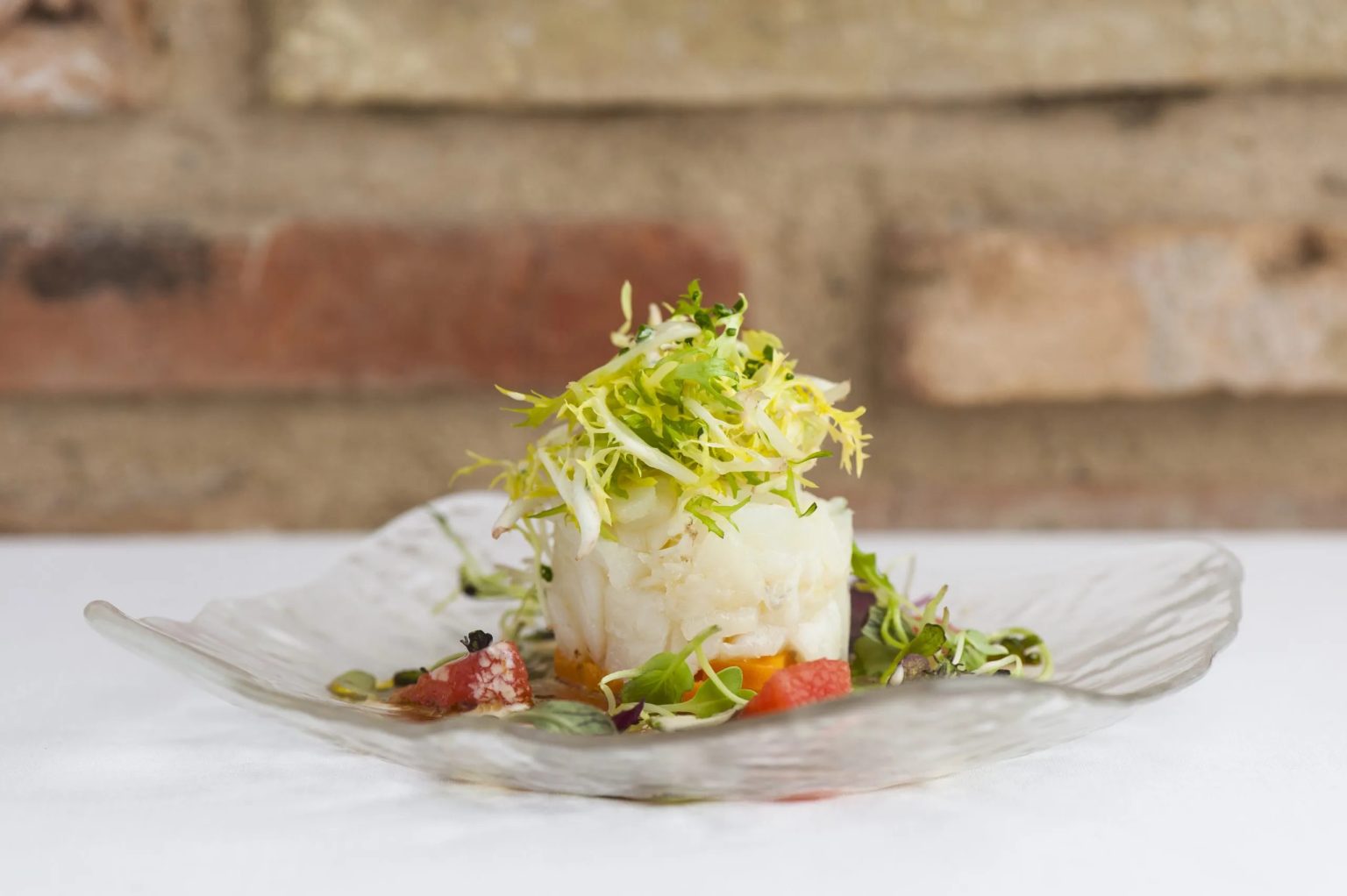
Casalarreina, La Rioja · Traditional Riojan cuisine
Why we recommend it
A beautifully restored 17th-century wine-cellar building provides an atmospheric setting for traditional Riojan cooking. Seasonal vegetables, carefully prepared roast meats, and an extensive wine list make La Vieja Bodega a particularly appealing stop in Rioja wine country. The hospitality is warm, and the cooking remains firmly connected to the region. The pistachio-crusted foie is worth a try, or if you are looking for traditional, try the suckling pig.
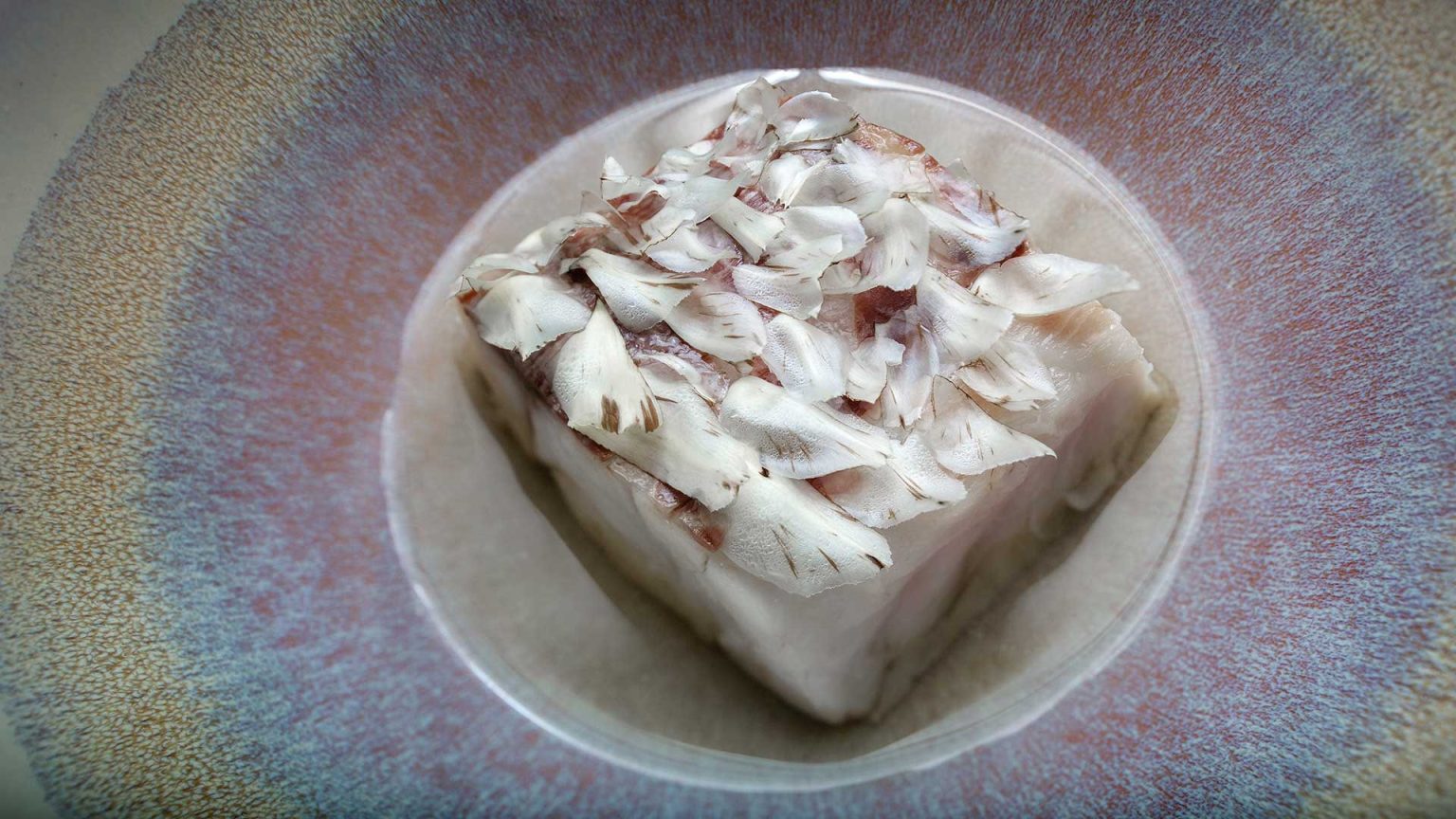
Arriondas, Asturias · Contemporary Asturian cuisine
Why we recommend it
In the green hills above Arriondas, Nacho and Esther Manzano draw inspiration from family recipes and the ingredients of rural Asturias. Casa Marcial combines contemporary techniques with a deep respect for local cooking traditions, bringing the region’s farms, mountains and nearby Cantabrian coast together in a highly individual dining experience.
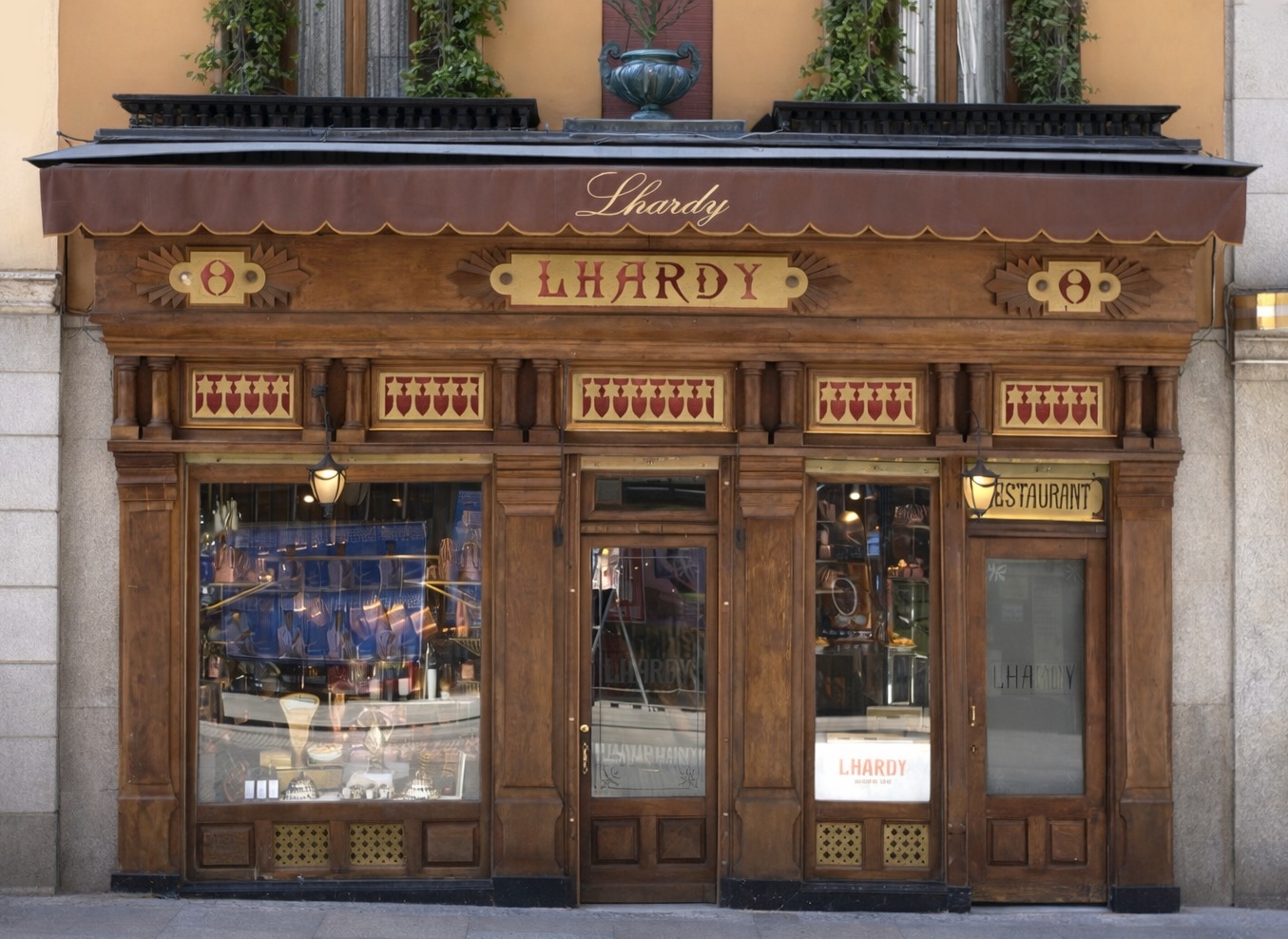
Madrid · Historic Madrileño cuisine
Why we recommend it
Established in 1839, Lhardy is part of Madrid’s culinary history. Its elegant dining rooms provide a memorable setting for cocido madrileño, consommé, and other traditional dishes that have long defined the capital’s cooking. Our personal favorite is the beef Wellington, paired with a classic Rioja like Gómez Cruzado. Few restaurants capture the atmosphere and gastronomic traditions of old Madrid quite so evocatively.
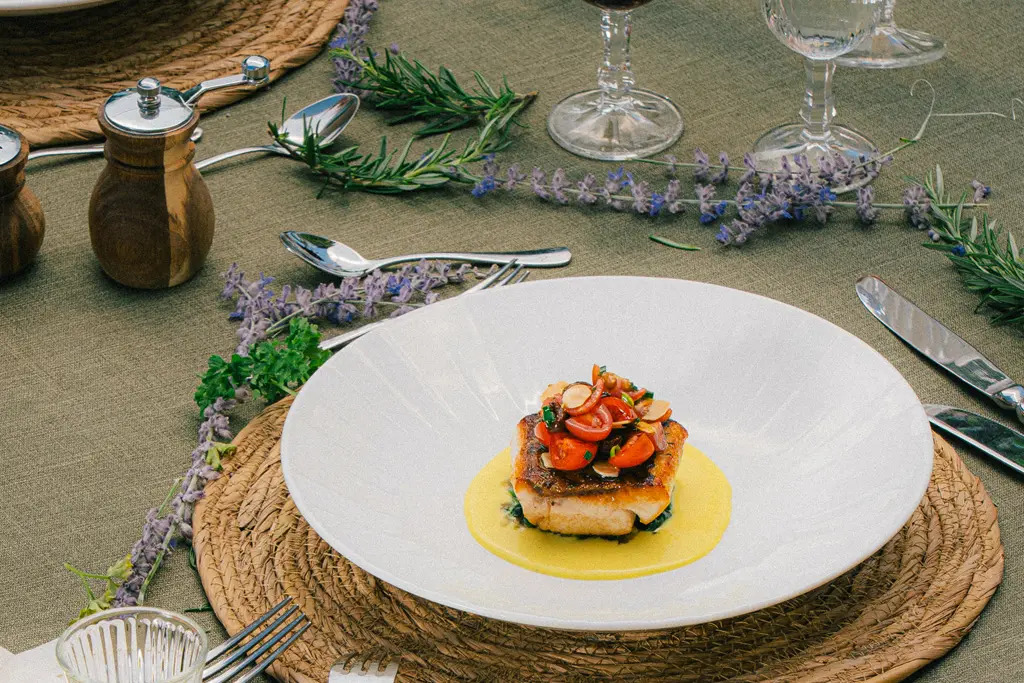
Palma de Mallorca, Balearic Islands · Contemporary Mediterranean cuisine
Why we recommend it
Set in Palma’s historic center, Marc Fosh brings a contemporary approach to Mallorca's and the Balearic Islands' seasonal ingredients. His elegant Mediterranean cooking combines creativity with the distinctive flavors of local produce, complemented by carefully selected wines in a stylish, intimate setting.