 46 tours
Country tours
Private Wine Tours in Italy
Private, Chauffeured Wine Journeys Across Italy’s Finest Regions
Discover Italian chocolate in Turin, Modica, Tuscany and Perugia, with regional specialties, notable makers and practical advice for tastings and visits.
Part of our guide Italian food guide, region by region
Estimated reading time: 6 minutes
Turin, Modica, Tuscany’s Chocolate Valley, and Perugia are four rewarding stops for chocolate lovers in Italy, with historic cafés, artisan makers, and tastings to build into a food and wine journey.
Chocolate reached Europe in the 16th century after Spanish explorers imported the New World’s cocoa bean. Once a drink for the privileged, chocolate later earned a beloved place in Italian desserts. These days, you’ll find Italian chocolate in many flavors, from hazelnut to chili peppers and ginger. Gourmet travelers find that chocolate tastings add a fun and unique component to their tours in Italy.
| Destination | What to Try | Recommended Stops |
|---|---|---|
| Turin and Piedmont | Gianduiotti and bicerin | Guido Gobino, Peyrano and Baratti & Milano |
| Modica, Sicily | Grainy chocolate bars, including cinnamon and vanilla | Antica Dolceria Bonajuto and Casa Don Puglisi |
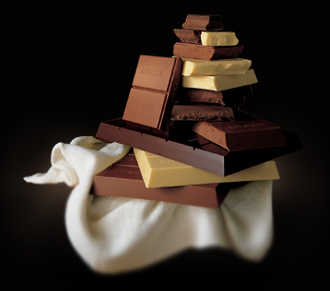
| Tuscany’s Chocolate Valley | Single-origin bars, pralines and chocolate cakes | Amedei, Mannori and Slitti; Vestri in Florence |
| Perugia, Umbria | Baci and other Perugina chocolates | Casa del Cioccolato Perugina |
related tour
Chocolate tastings can make a delicious addition to a wider Italian food and wine journey. Explore our Italian food guide for more regional specialties, or discover our private wine tours in Italy to start planning a trip around the places and flavors that tempt you most.
One of Italy’s chocolate hotspots is in the Piedmont region, in the fascinating city of Torino (Turin), known as much for its chocolatiers’ creativity as for the quality of the chocolate itself. Domori is a superb local chocolate producer and even grows cacao in South America. Guido Gobino is another chocolate maker given almost cult status. Peyrano is a great place to taste and buy chocolates in Turin.
Giandujotto (giandujotti when plural) is one of Torino’s star chocolate candies, a blend of cocoa, sugar, and roasted hazelnuts. Some versions also contain milk. Try a few makers’ interpretations: the balance of hazelnut and cocoa is part of the pleasure.
If you like your chocolate in liquid form, don’t miss bicerin, an indulgent hot drink featuring layers of thick chocolate, espresso, and cream. Taste it in the ultra-sophisticated Baratti & Milano café in Piazza Castello. You won’t need dessert.
For a closer look at how the chocolates are made, Peyrano offers a guided laboratory visit followed by a tasting. Arrange this ahead of your visit rather than treating it as a drop-in shop stop.
Turin also hosts the fabulous CioccolaTò chocolate fair. Check the current program before planning a trip around it, as dates and visitor activities vary by edition.
Read more: Piedmont Food Guide
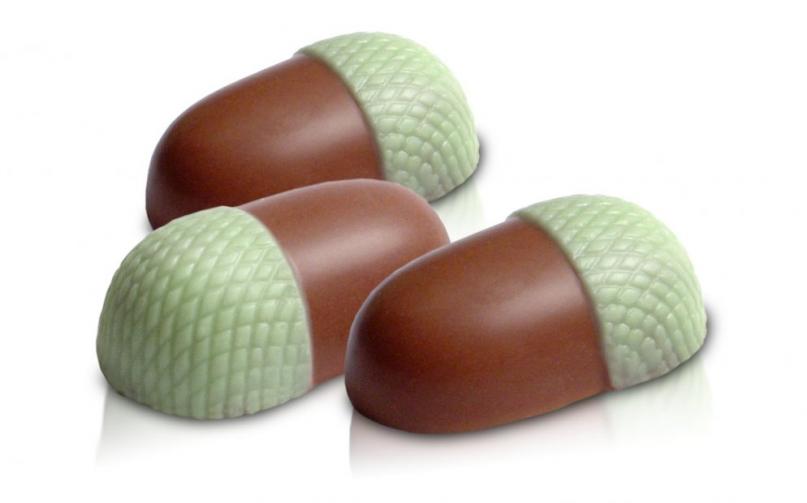
Modica is one of Sicily’s most special little romantic towns, with abundant Baroque churches and palaces and pretty squares lined with palm trees. Highlights include the magnificent Duomo di San Giorgio, the Chiesa di San Pietro, and cobblestoned narrow walkways. Plan on spending at least a day here to allow time for chocolate tasting and sightseeing. Now, about the chocolate…
Modica’s traditional chocolate has a distinctive grainy crunch. They work it at a low temperature, leaving sugar crystals in the finished bar. The technique has roots in Mesoamerican cacao processing; Europeans added the sugar.
L’Antica Dolceria Bonajuto is legendary. The story dates back to 1880, when Francesco Bonajuto established the little shop as a patisserie and dessert shop, following in his family’s footsteps. Today, this particular chocolate maker has a major cult following.
Some of their handmade products include vanilla and cinnamon chocolate, ’mpanatigghi biscuits, delicious nucatoli (with dried figs), and oh, so much more! The ’mpanatigghi have an unusual surprise: their chocolate filling also contains beef. Ask about the ingredients if you are choosing pastries for a vegetarian.
Bonajuto’s Fattojo workshop tour includes a chocolate tasting and is available by advance booking in Italian or English. It is a useful way to understand the texture and processing behind the bars you have been sampling.
Another great chocolate producer in Modica is Casa Don Puglisi. They make an excellent range of artisan products, all lovingly packed in gift boxes. Visit La Bottega on Corso Umberto I to discover its Cioccolato di Modica IGP and traditional sweets.
The chocolate also has a worthwhile story. The cooperative’s pastry workshop creates jobs and a path to independence for women staying at Casa Don Puglisi. La Bottega can arrange chocolate demonstrations and tastings.
The Tuscan “Chocolate Valley,” with producers around Pisa, Prato and Pistoia, is where you will find some of the best Italian chocolate makers. The late Roberto Catinari, long associated with Agliana, was a revered artigiano and quite a personality. His name lives on in the Catinari chocolate business.
Paul de Bondt is another chocolate guru transplanted from Holland to Pisa. He and Cecilia Iacobelli are the names behind Manufatto Cacao, the successor to their De Bondt chocolate business.
Amedei, founded in Pontedera in 1990, has gained near-mythical fame since it emerged. Amedei is the Rolls Royce of chocolates, and its “Cru” collection is top-class.
One must also mention Mannori, run by creative Luca Mannori in the town of Prato. One of his many claims to fame is his “Seven Veils” cake, called Setteveli: unbelievably delicious and naughty layer upon layer of chocolate and hazelnut.
In Florence, a great shop is Vestri, on Borgo degli Albizi. You can buy unusual chocolates here, along with delicious thick hot chocolate.
While there seem to be countless chocolate gems in Tuscany, another chocolate maker worthy of mention is Slitti, an artisan producer with a beautiful shop cum café in Monsummano Terme. It is a great stop for chocolate, coffee, or something to take home, and you can book a guided tasting through the shop.
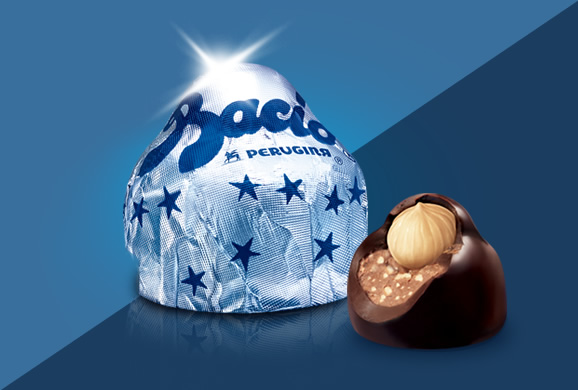
Chocoholics should make a beeline for Umbria’s Chocolate Mecca of Perugia. Home of the drool-inducing Perugina chocolate factory, this is a major destination for true chocolate gourmands. While simple dark or milk chocolates are sold in abundance, the rich bon-bons are an even greater temptation.
Perugina’s best-known treat is Baci (Italian for “Kisses”), a chocolate with a delectable cocoa and chopped-hazelnut filling, topped with a whole hazelnut and bathed in inky black dark chocolate. Imagine the flavor of a jar of Nutella (the internationally famous chocolate-and-hazelnut spread) packed into one tiny bite. No wonder it is one of Italy’s most popular chocolates.
To explore the story behind them, Casa del Cioccolato Perugina offers guided visits at its San Sisto factory site, outside the historic center. Book in advance. The visit includes the museum and tasting; access to the factory viewing route and the chance to see production depend on the operating schedule. Chocolate-making classes are booked separately.
Eurochocolate is another reason for chocolate lovers to visit Perugia. Check the organizer’s program for the dates and location of the edition you want to attend before arranging travel.

Explore further
Discover private journeys, regional guides, and expert stories to help you plan an unforgettable trip through Italy.
46 tours
Private, Chauffeured Wine Journeys Across Italy’s Finest Regions
 1 day (ideal from Umbria)
Truffle hunting, regional wines and hands-on cooking.
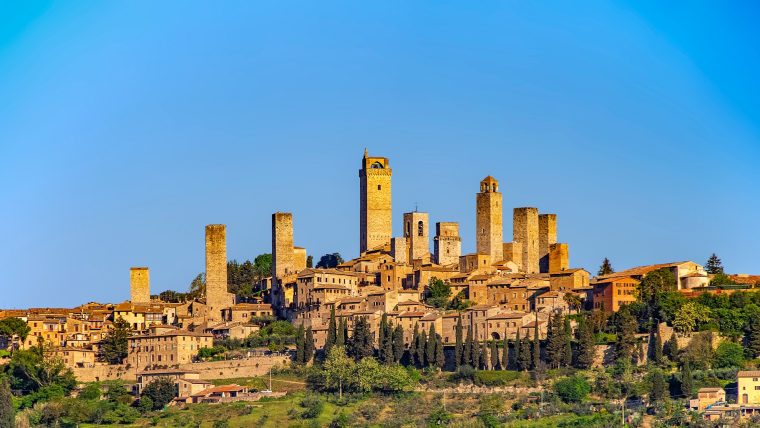 1 day (ideal from Florence)
Vernaccia, medieval towers and Tuscan wine country from Florence.
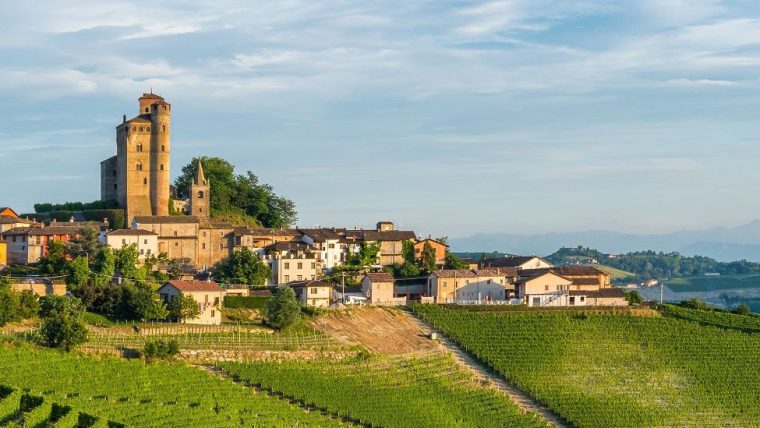
Compare Italy’s leading wine regions by signature wines, scenery, best base, travel time and ideal stay
Explore regions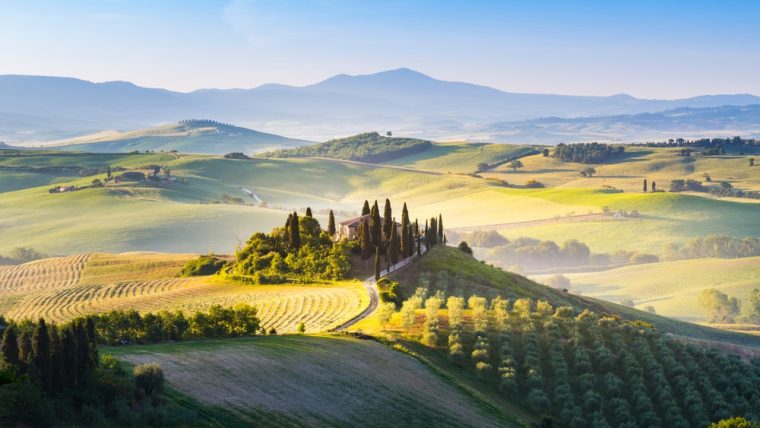
What to eat in Tuscany: ribollita, pici and bistecca alla Fiorentina, plus Tuscan bread, local cheeses, traditional desserts and selected wine pairings.
Read article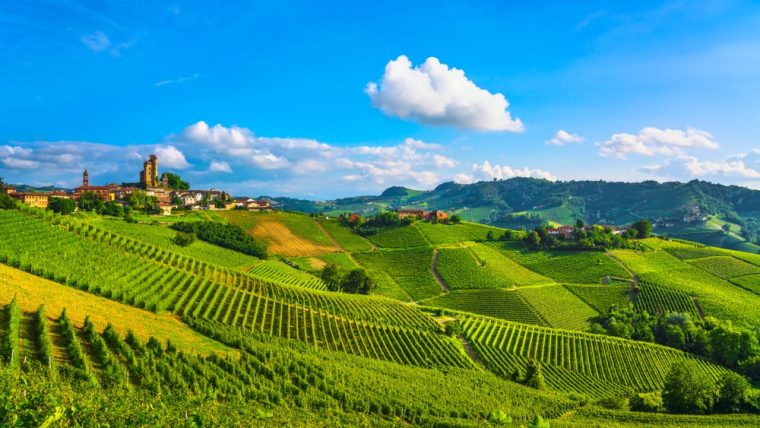
Explore Piedmont: Where Nebbiolo Wines & Unique Cuisine Blend Italian and French Influences, Butter-Based Delights, and Rice-Rich Dishes
Read article




Des Mc Carthysays:
May 27, 2018 at 12:34 pm
Hi Michele, I will contact you privately by email. Regards Des
Michele Fiscellasays:
May 26, 2018 at 6:30 pm
I am interested in taking the tour of the Perugia Factory. We will be in Florence Sunday, July 15th - Tuesday, July 17th. Can that be arranged and if so, how much would it cost for the 2 of us. Thank you. Michele