Trás-os-Montes Wine Region Guide
Experience the rugged beauty and bold flavors of Trás-os-Montes wines
Introduction
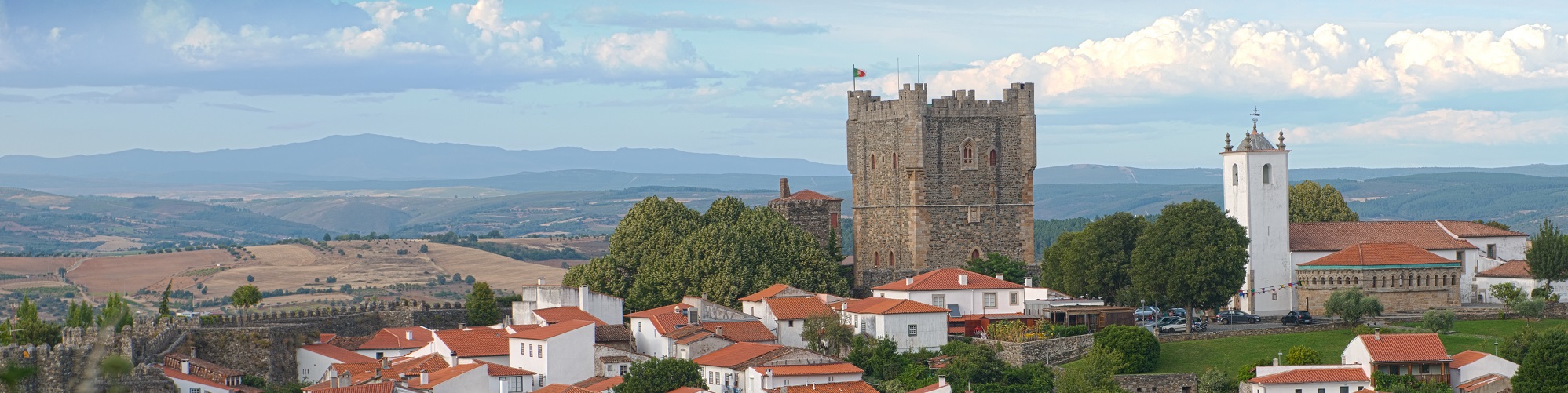
Although grossly overused to the point of dilution, the word’ timeless’ is entirely relevant to Tras-o-Montes. It is, without doubt, Portugal’s most isolated, obscure, and beautiful wine region. Protected by three mountain ranges, its vineyards have long been shielded from major historical events; when Napoleon’s armies invaded Portugal in 1807, the general ignored Tras-os-Montes, viewing its inhospitable terrain as too difficult to conquer. This is why international varieties have only recently been planted in the hills of Tras-os-Montes, where tradition counts for much more than modernity.
However, a downside to the rustic charm and unhurried pace of life defines this remote vineyard. In the late-1900s, investment poured into the Douro and Alentejo, while Tras-os-Montes was largely ignored. Some believed the potential for quality winemaking – the notoriously challenging climate – was limited; others argued that there was no international market for these esoteric wine styles. Yet a growing handful of forward-looking investors are proving them wrong: quality has soared in recent years due to improved viticultural and winemaking techniques. Armed with one of Portugal’s greatest white grapes, Vioshino, Tras-os-Montes is slowly but surely earning the respect it deserves.
History
Uncovering the truth about Tras-os-Montes’ history is challenging due to the area’s extreme geographical isolation. Indeed, many events that shaped Portugal’s cultural and political trajectory had little impact in the wilderness “Behind the Mountains.” We are certain, however, that the Romans arrived in the Iberian Peninsula in 218 BC, although subjugation of northeastern Portugal occurred several centuries later. Nevertheless, the Romans eventually colonized the province, with population migration from the untamed landscape into urban settlements. Tras-os-Montes, it appeared, had been tamed.
But Rome’s power started to falter in the 5th century. By 476 AD, the capital was overrun with barbarian tribes from the north – disaster soon spread across the empire. Unfortunately, historical records from this intervening period are scant in Tras-os-Montes, possibly because the Suebi and Visigothic kingdoms never established a foothold in this remote corner of Portugal. Likewise, the Moorish invasion of 711 had little impact on the social and cultural life in Tras-os-Montes. During the Spanish campaigns to reconquer the Iberian Peninsula from the Moors, northeastern Portugal was absorbed into the Kingdom of Asturias, subsequently becoming part of the Kingdom of Leon in the 10th century. As a result, its architecture, gastronomy, and language were unaffected by centuries of Islamic rule – the last stronghold, Granada, was recaptured in 1492. Over three hundred years earlier, Portugal was recognized as an independent nation by the Christian monarch Afonso Henriques in 1139.
In the 15th century, Tras-os-Montes underwent a period of major growth and development, with businesses flourishing in the expanding city of Bragança. This can partly be attributed to significant Jewish migration into northern Portugal in the 1400s, fleeing persecution from the Christian Monarchs and their barbaric Spanish Inquisition. This practice, only haltered in the 19th century, sought to identify ‘heretics’ with various methods, including torture and forced confessions. Once obtained, the ‘guilty’ could either convert to Christianity or face execution. As a result, many Jewish artisans and merchants fled to neighboring Portugal, which greatly benefited the local economy.
Viticulture, meanwhile, was a staple of the social and cultural life of Tras-os-Montes, albeit very little wine ever left the region. In the late-1700s, the Marques de Pombal famously embarked upon a modernization program, importing French vine cultivation methods to transform the country’s backward wine industry. Once again, however, this had relatively little impact on the vineyards of Tras-os-Montes. Only in recent years has the situation improved, partially due to the growing international market for indigenous Portuguese grapes – particularly white.
Geography and terroir
Local farmers have a saying: “Tras-o-Montes is the land of ten months of winter and two months of hell.” It’s a publicist’s worst nightmare – a less-than-ringing endorsement of the growing conditions in this part of the world. But the region’s producers aren’t simply being hyperbolic. Tras-o-Montes suffers from bitterly cold winters and sweltering summers; thunderstorms in July and August also happen with alarming regularity. And yet, quality wine growing is far from an impossibility in this part of northeastern Portugal.
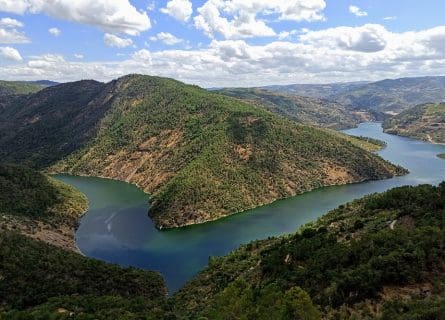
The vineyards are situated east of the Marao, Alvao, and Geres mountains, isolated from the coastline in an expansive valley that flanks the Douro River. To the north is Galicia, and to the southwest is Baixa Corgo (one of the key subzones of the Douro). However, there is an advantage to this geographical isolation: although thunderstorms can be an issue in the summer, Tras-o-Montes is still protected from the worst excesses of Atlantic weather by the chain of mountains that act as a rain shadow – the Voges mountains perform the same role in Alsace.
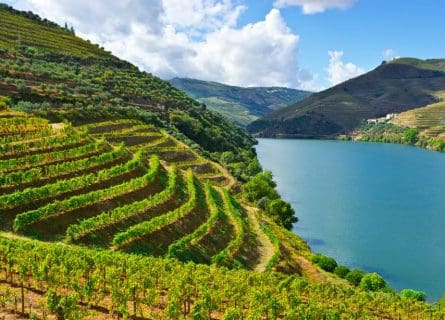
Yet, due to the expansive area under vine, it is challenging to make generations about terroir in Tras-o-Montes. The consensus, however, is that the best climats (vineyard sites) tend to flank the region’s four rivers: Douro, Sabor, Tua, and Tamega. Vines are planted on well-drained soils with a predominance of metamorphic schist and granite – there is also some chalk in certain places. As elsewhere, the most important quality factor is arguably elevation: higher-altitude sites produce wines with more freshness, less alcohol, and brighter fruit. They are particularly suited to the cultivation of white grape varieties.
Winemaking and regional classifications
The vast majority of growers fly the flag of the Tras-o-Montes DOC, a very liberal framework that allows a wide range of styles to be produced: red, white, and rosé. Moreover, due to the region’s relative obscurity, there is an abundance of delicious – and attractively-priced – wine up for grabs. So if you find top Bordeaux ludicrously expensive, you’ve come to the right place.
Generalizations about local winemaking are, therefore, impossible or at least inadvisable. Attitudes and winemaking philosophies run the whole gamut, from ultra-protective juice handling to traditional (rustic might be a more accurate term) fermentations in old oak vats. Certain producers eschew wood in all stages of the vinification, while others mature their Portuguese red blends in barrique. Valle Pradhinhos, for example, has adopted temperature-controlled fermentations for its red and white wines.
Unlike the Burgundians, winegrowers in Tras-o-Montes have never undertaken a codified delineation of their best vineyards. However, the area under vine is divided into three key subregions: Chaves, Planalto Mirandès, and Valpaços. Close to the Spanish border, Chaves is renowned for its granite and schist soils, lying at elevations of between 250-300 meters above sea level. Some excellent whites are made here, mostly from the Viosinho grape. Meanwhile, the vineyards of Planalto Mirandès are found on a plateau in the southwest corner of the zone. With an altitude rising to 600 meters, this is an ideal place to make fresh and fragrant reds, brimming with ripe acidity. However, the warmer mesoclimate of Valpaços lends itself to a richer, plumper style of wine.
Facts & Figures
-
Key wine styles
- Red, white, and rosé wines. A small volume of sparkling.
-
Appellation structure
- Tras-o-Montes (Denominação de Origem Controlada).
-
Hectares under vine
- Appoximately 10,000 hectares
-
Average annual production
3 million bottles per annum
-
Approximate number of producers
110
The lowdown
In 2022, thousands of buyers, critics, sommeliers, and importers assembled in the German city of Düsseldorf. They had gathered together to attend ProWein, the wine industry’s seminal global trade fair. It was quite a sight: buzzing halls packed with hundreds of winemakers from locations as diverse as India and Moldova. And yet, in a (relatively) quiet corner of this dynamic event, just one grower from Tras-o-Montes had bothered to show up: Quinta do Sobreiró de Cima. This suggests that the region has a long way to go before it conquers the hearts and minds of consumers worldwide.
Indeed, today’s theme in Portugal is sustainable growth, both in terms of limiting the environmental impact of wine growing and reaching new customers abroad. For a long time, Portugal has relied on domestic demand to keep its wine industry afloat. Yet this is no longer viable with an aging population and younger consumers drinking less. But there is some good news: according to the national marketing body Viniportugal, exports of Tras-o-Montes wines are growing, albeit from a small base. The question is whether enough producers have the capital to promote their region to an international audience that is spoiled for choice.
Of course, Rome was not built in a day. While the Douro has been exporting bottles for centuries – hence really no news to anybody – the wines of Tras-o-Montes are still scarcely known outside their home country. Who knew, for example, that Tras-o-Montes is full of ancient lagares (stone ‘baths’) built by the Romans to make wine? Or that Tras-o-Montes produces its version of Riesling, based on the delectable – and always fresh – Viosinho grape. An incredible variety of terroirs is waiting to be explored, with an exciting wave of new plantings shaking up this once unvarying region. Some producers are sticking to indigenous varieties, while others are experimenting with Syrah and Cabernet Sauvignon. They are trying everything – and so should we.
Key Grape Varietals
-
White grape -
White grape
Gewurztraminer
Learn what Gewürztraminer tastes like, where it grows best, how dry or sweet it can be, and which foods pair beautifully with it. View grape -
White grape Malvasia Fina
This white grape variety produces aromatic wines with floral notes and a hint of sweetness, known for its versatility. -
White grape
Rabigato
Discover the unique and versatile Rabigato grape, and learn about its history, characteristics, and food pairings. View grape -
White grape
Riesling
Discover Riesling's charm, a white grape from Germany's Rhine region, cherished in Alsace, France. Unveil its secrets and delights View grape -
White grape Roupeiro
A grape variety known for its contribution to white wine blends, adding a crisp acidity and a mix of tropical and citrus flavors. Some wines may also feature... -
White grape
Viosinho
Learn all about the Vioshino grape, its rich history, unique flavor profile, and food pairings. Don't miss out on this exciting grape variety! 🍇🍷 #VioshinoGrape View grape -
Red grape
Cabernet Sauvignon
Learn what Cabernet Sauvignon tastes like, where it grows best, why it matters in Bordeaux, and how to pair and serve this age-worthy red grape. View grape -
Red grape
Syrah
Discover Syrah, from Northern Rhône classics to Shiraz, with flavor profile, regions, aging potential, and food pairings. View grape -
Red grape
Tinta Roriz (Tempranillo)
Explore the allure of Tempranillo Blanco: La Rioja, Spain's unique white grape. Born from a red Tempranillo mutation, it unveils a refreshing twist in every sip. View grape -
Red grape Touriga Franca
Is a red grape variety known for producing wines with intense color and aromas of dark fruits and flowers. It's often used in Port wine blends and can... -
Red grape
Touriga Nacional
Explore Touriga Nacional, Portugal’s flagship red grape, including its role in Port, Douro reds, flavor profile, aging, and food pairings. View grape -
Red grape
Trincadeira (Tinta Amarela)
Trincadeira View grape
Trás-os-Montes gastronomy
Rich and hearty is a fair summation of local gastronomy. Until recently, chefs had to be self-sufficient, with few imported ingredients. Waste, an indulgence of rich nations, has never been allowed in this isolated rural idyll. So every part of the animal is used in Tras-o-Montes’ kitchens, especially in the rich stews: ubiquitous in winter. Alheira, a type of cured sausage made with pork, veal, duck, rabbit, or chicken, is served in every Tasca in the region. Wild boar is another local specialty, as is Posta Mirandesa. As with many culinary delights, the beauty of this dish is its simplicity. A thick veal steak, based on ethically-sourced meat, is seasoned and then cooked over charcoal before it is served with potatoes. The depth of flavor defies words.
Explore further
Continue Exploring Portugal
Discover private journeys, the complete wine region guide, and expert stories from across Portugal.
 9 tours
Country tours
Private Wine Tours in Portugal
Discover Portugal's Old World Charms and Flavors
 6 days
Private tour
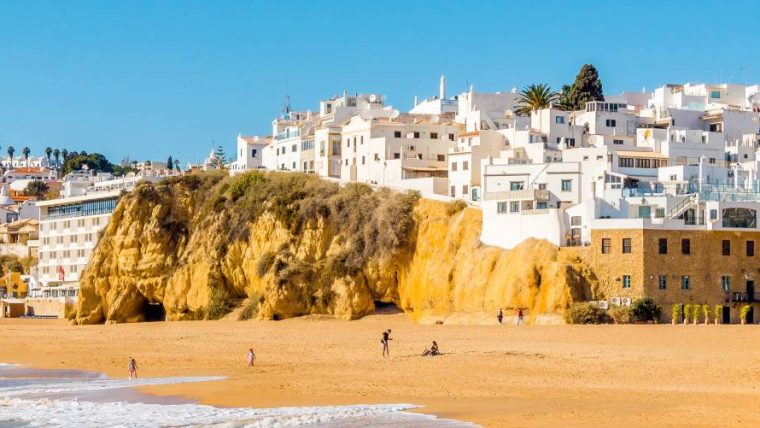
Private Wine Tour in the Algarve
Atlantic seafood, Algarve wines and coastal luxury.
 5 days
Private tour
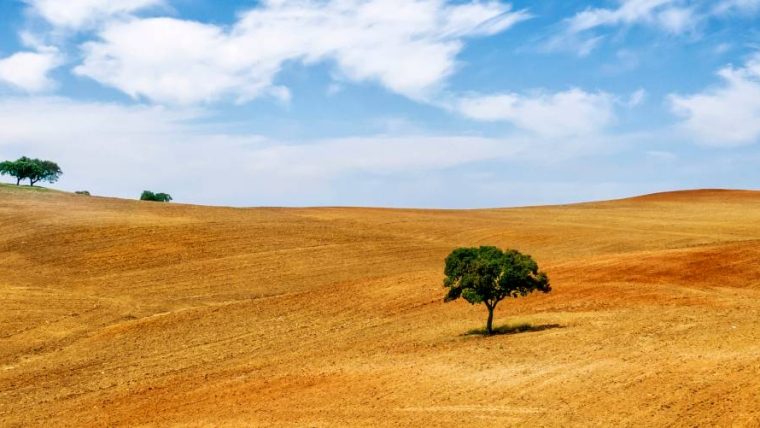
Private Wine Tour in Alentejo
Alentejo wines, cork forests and timeless villages.
Wine regions
Best Wine Regions in Portugal
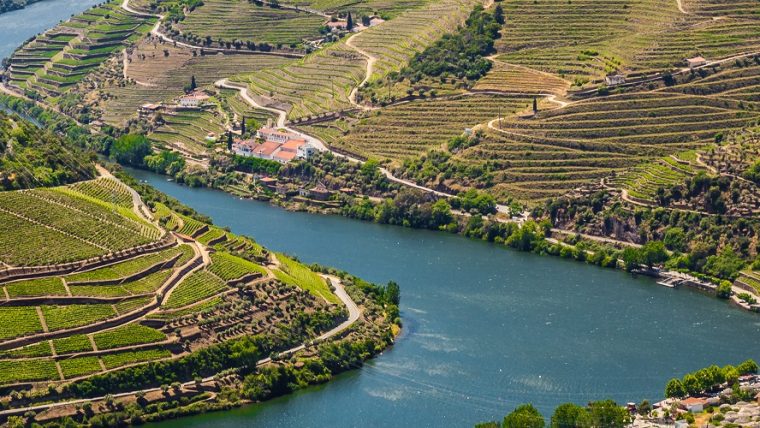
Compare Portugal’s leading wine regions, signature grapes and best travel bases—from Vinho Verde and the Douro to Alentejo and Madeira.
Explore regions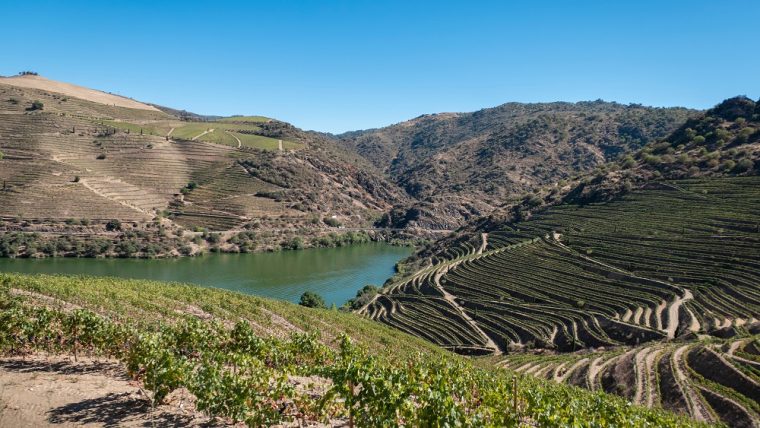
Article
Vioshino Grape Variety: the Rise of Trás-os-Montes
Learn all about the Vioshino grape, its rich history, unique flavor profile, and food pairings. Don't miss out on this exciting grape variety! 🍇🍷…
Read article
Article
New Wave Algarve: A Wine Renaissance Out West
Explore the Algarve wine experience and discover the unique terroir-driven wines from the sun-kissed region of Lagos.
Read articleAuthor