
León Wine Region Guide
Prieto Picudo, Albarín Blanco and the High-Plateau Vineyards of León
Introduction
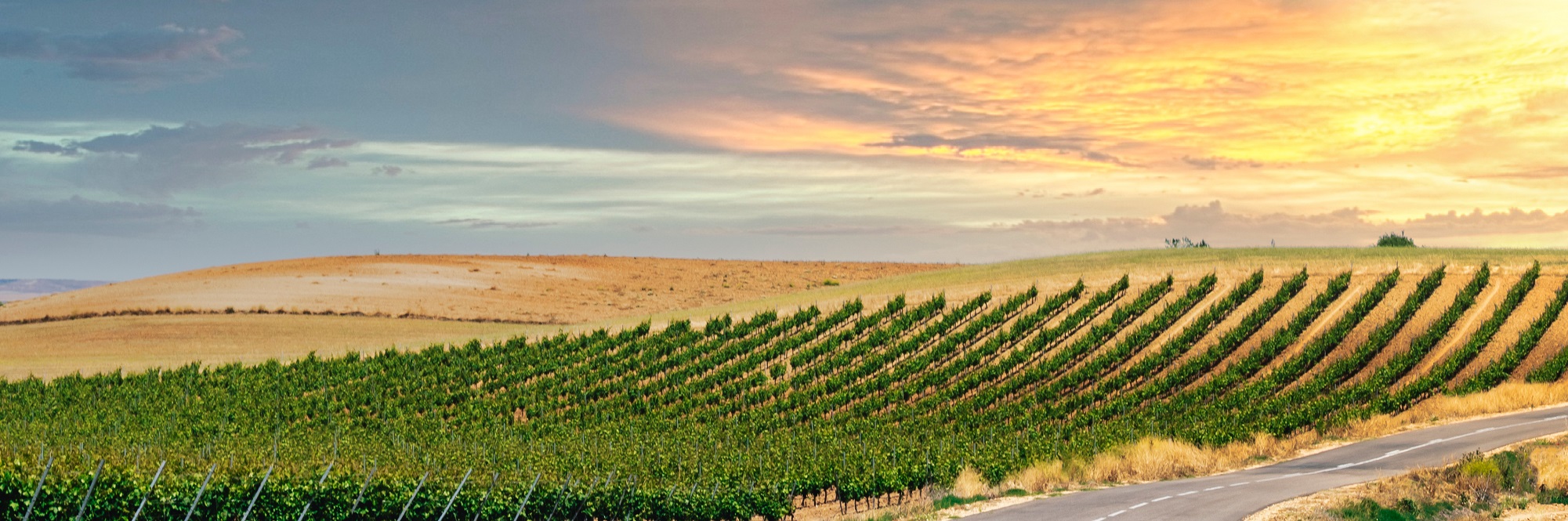
Few people remember León (formerly Tierra de León) when they list the great wines of northwestern Spain. Yet this expanding region is increasingly making waves in sommelier circles, producing unique reds from the indigenous Prieto Picudo variety. Awarded DO (appellation) status in 2007, local winegrowers have also branched into white production recently, while the delicious rosados (rosés) have set a new benchmark. After a slow start, León is beginning to take shape as a real alternative to the more famous names of Castilla y León. It deserves closer inspection.
Discover more about Spanish Wine
History
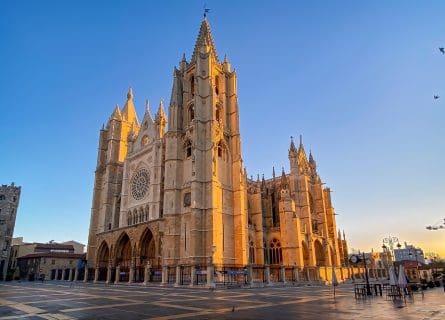
Documentary records first mention viticulture in León in the 10th century; documents preserved in León Cathedral from the second half of that century record the acquisition of vineyards by the monastic community of Santa María and Santiago de Valdevimbre.
Viticulture continued to expand over the centuries. From the 16th to the 19th century, vineyards prospered thanks to their proximity to León and neighboring Asturias. The region also developed a distinctive network of underground wine cellars, excavated into the clay soils and naturally suited to wine production and storage.
Unfortunately, the vineyards south of León were devastated by the phylloxera louse from 1887 onwards. In the aftermath, growers replanted varieties grafted onto American rootstock that would offer a generous yield. As a result, the area’s reputation declined significantly in the 20th century as producers focused on bulk wine production.
The modern revival began in 1985, when a group of cooperatives and wineries from Valdevimbre, Los Oteros, and Cea started campaigning for official recognition of the region’s wines. Their efforts eventually bore fruit in 2007 when Tierra de León was awarded DO status. The emerging generation was increasingly determined to return to quality winemaking, with the indigenous Prieto Picudo variety at the heart of that revival. Initially known as Tierra de León, the moniker was shortened to “León” in 2019.
Geography and terroir
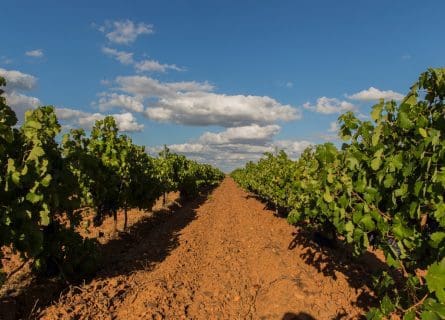
The northwestern corner of Castilla y León is renowned for its hauntingly beautiful landscape: vineyards carpet an undulating plateau shadowed by mountains that rise up in the north towards Asturias. The appellation covers 3,317 square kilometers of production territory, extending across southern León and into northern Valladolid, planted to a range of red and white varieties.
Located south of León city, the appellation has alluvial terroir that balances drainage and moisture retention; brown rock fragments line the topsoil, while limestone deposits are found in the stratum. Vine roots can penetrate the top layer relatively easily and access vital water supplies.
Indeed, water can be scarce in the barren plains of Castilla y León – particularly in the summer. The region’s continental climate is exacerbated by a chain of mountains that limits maritime influence – and welcome moisture – from reaching León. Winters are cold, and summers are hot: temperatures of around 40°C (104°F) are not uncommon in July and August.
Role of Altitude
Many vineyards occupy the high plateau, while vineyards qualifying for DO León lie below 900 metres above sea level. At these altitudes, the temperature drops significantly in the evening as heat escapes quickly. This is the most important ingredient in the local quality equation—without diurnal temperature variation, growers would struggle to keep excessive ripeness at bay.
Planning a Wine Trip to León
For most visitors, León city is the sensible base. The vineyards are within easy reach to the south and, just as importantly, you’ll find plenty of good places to eat when you return. Do not be tempted to cram too much into one day: two winery visits are quite enough, particularly if lunch involves a bottle of local wine – as it surely should.
Cellar Tours can arrange the winery appointments, lunch and a private chauffeur, leaving you free to concentrate on the important things.
Planning resources
Winemaking and regional classifications
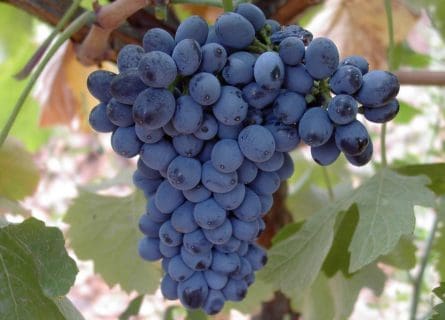
León growers have long focused on a very niche variety: Prieto Picudo. About 69 percent of the DO’s vineyard surface is planted to this esoteric gem – it is undoubtedly one of Spain’s rarest grapes. But anonymity does not, of course, equate to mediocrity. On the contrary, its deep color, elegant tannins, and ripe acidity are greatly admired.
Like Tempranillo, the finest fruit is obtained from old bush vines, which are not trained on wires; old plants yield wonderfully concentrated berries, much to the delight of (quality-orientated) winegrowers everywhere. Under the appellation rules, at least 60 percent of a red wine must comprise Prieto Picudo, Mencía and/or Negro Saurí; the remainder can include the other permitted red varieties. Approaches to fermentation and maturation vary considerably, although many of the finest reds are typically aged in a certain percentage of new wood before release.
A small volume of Mencía is also cultivated in the DO. Aficionados of Spanish reds will be overly familiar with the classification framework employed: the Crianza, Reserva, and Gran Reserva hierarchy are alive and well in León. As ever, older Reserva and Gran Reserva wines are considered more prestigious and are, therefore, more expensive.
A small (but rising) amount of excellent white is also made here. The permitted white varieties in DO León are Albarín Blanco, Verdejo and Godello. An eclectic range of styles are produced, including very fresh and saline blends and more structured wines that lean heavily on Godello’s natural brilliance. A touch of barrique never hurts the star grape of Valdeorras, adding weight and complexity to an already exemplary variety.
Facts & Figures
-
Key wine styles
- Full-bodied reds
- aromatic rosé
- a small volume of white wine
-
Appellation structure
- León DO
-
Hectares under vine
1,197.2 ha
-
Approximate number of wineries
38
The lowdown
The theme of today in Castilla y León is up-and-coming DOs. Spain was obsessed with its growing size for a long time – the number of wineries, big brands, volumes exported, and penetration into new markets. These are all still important considerations. Yet the growth in specialty dining and the Millennial prioritization of quality over quantity has forced a rethink. The producers of bland industrial fodder for supermarkets may disagree. Still, some of Spain’s most exciting wines now emanate from regions that are chomping at the heels of the established classics.
León has been at the forefront of this revolution. It has completely thrown off the shackles of state-sponsored mediocrity from the Franco era, producing unique wines that showcase regional character, balance, and a sense of place. The timing is most opportune: curious oenophiles increasingly demand original flavors and new experiences, which León delivers.
Growing Appeal of León’s Wines
In Prieto Picudo, growers have mastered a singular expression of the local soils and landscape, producing fresh and aromatic wines celebrated for their red fruit flavors, minerality, and vibrant structure – the height of fashion.
Meanwhile, there is little sign that the appetite for aromatic and fresh whites is about to diminish. And so, this once marginalized vineyard gains confidence and renown with each passing year. Trust us: León will amaze you.
Key Grape Varietals
-
White grape Albarín Blanco
Albarín Blanco is a rare light-skinned grape variety found in northwestern Spain, particularly in Castilla y León, Asturias, and Galicia. It is distinct from Albariño (Alvarinho), despite the... -
White grape
Godello
Godello is a Galician white grape known for freshness, perfume and texture, producing both crisp young wines and richer, age-worthy styles. View grape -
White grape
Verdejo
Unveiling Verdejo: Spain's Rueda Wine Region's Prized White Grape. Explore the Crispness and Lightness of this Dry White Varietal. View grape -
Red grape
Garnacha Tinta (Grenache Noir)
Garnacha is one of Spain’s most important red grapes, producing generous, fruit-driven wines with ripe red berry flavors, moderate tannins and a natural affinity for warm, dry climates. View grape -
Red grape
Mencía
Mencía is an aromatic red grape from northwestern Spain, known for fresh acidity, red fruit, floral notes and supple tannins. View grape -
Red grape Negro Saurí
-
Red grape Prieto Picudo
Prieto Picudo is a rare dark-skinned red wine grape variety grown in León, northern Spain. It produces light rosés and deeply pigmented red wines as a single-variety or... -
Red grape
Tempranillo
Tempranillo is Spain’s most widely planted red grape, producing wines with red and black fruit, moderate acidity and tannin, and an ability to develop complexity with oak ageing. View grape
León gastronomy
The local delicacy is cocido maragato: a casserole made from various meats, potatoes (introduced by conquistadors returning from the Americas), chickpeas, and noodles. It’s delicious and incredibly filling – one portion can easily satisfy a ravenous couple! But for many visitors, the tapas bars of nearby León city are the undisputed gastronomic highlight of Castilla y León. By night the maze of narrow streets and plazas is transformed into one big party as revelers drift from bar to bar, sampling the great and the good of this culinary institution. Try the mini sirloin steaks (solomillo) served with foie gras on toasted bread – heaven.
Guide to Gastronomy of Castilla y León: Read more
Explore further
Continue Exploring Spain
Discover private journeys, the complete wine region guide, and expert stories from across Spain.
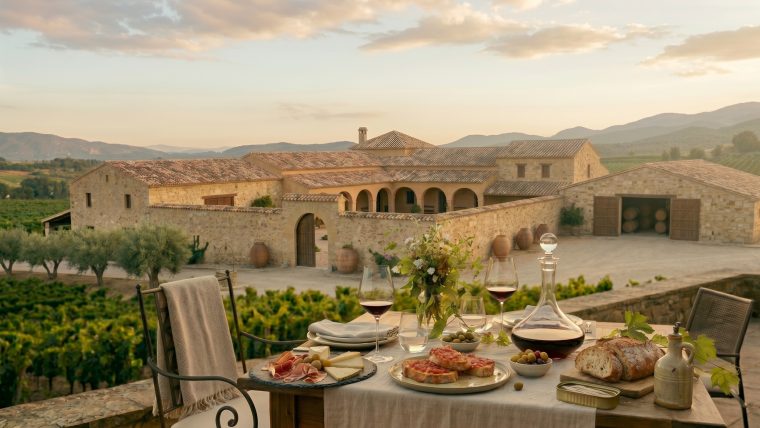 19 tours
Country tours
Private Wine Tours in Spain
Luxury Food & Wine Journeys Across Spain’s Finest Regions
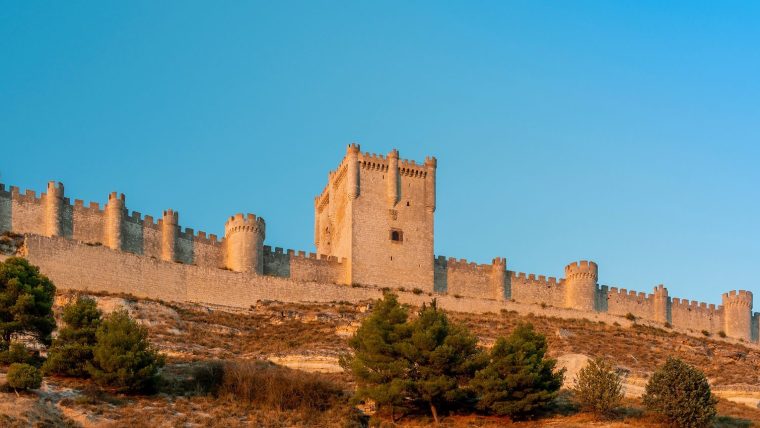 5 days
Private tour
Private Wine Tour in Ribera del Duero
Five days of bold reds, Castilian cuisine and Ribera’s Golden Mile.
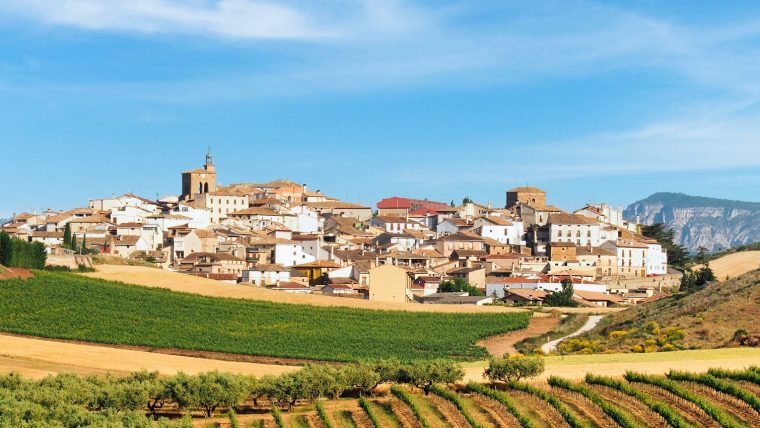 15 days
Private tour
15-Day Private Food & Wine Tour of Spain
A private, chauffeur-led journey from Madrid to Barcelona through Spain’s great wine regions.
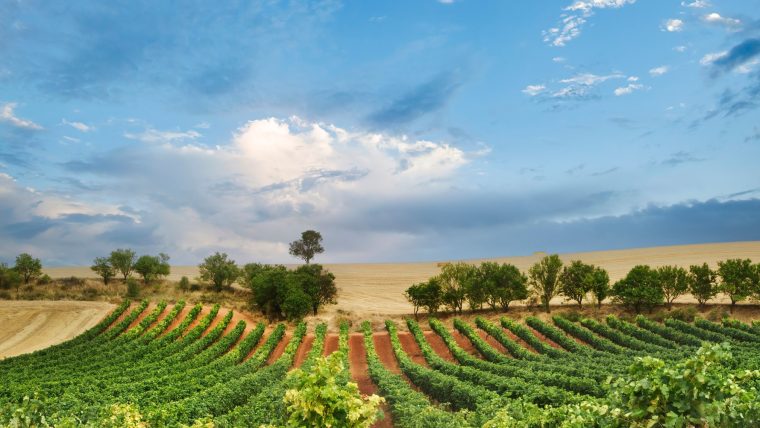
Wine regions
Best Wine Regions in Spain
Compare Spain’s leading wine regions by signature grapes, scenery, best base, travel time, and ideal stay.
Explore regions
Article
Castilla y León: The Best Castilian-Leonese Dishes & Wines to Match
Explore Castilla y León's Gastronomy: Best Dishes & Wine Pairings. Plan Your Unforgettable Gastronomic Tour Today!
Read article
Article
Spanish Cider: One of Spain’s Best-Kept Secrets
Unlock the secret of Spanish cider, an undiscovered gem within Spain's beverage landscape. Explore the refreshing and unique flavors of this traditional drink.
Read articleAuthor