Cellar Tours Insight
— Since 2003, Cellar Tours has planned private food and wine journeys through the world’s leading wine regions, pairing tailor-made itineraries with VIP winery visits, fine dining, and expert regional guidance.
Estimated reading time: 1 minute
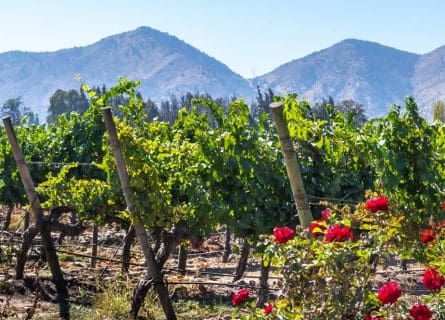
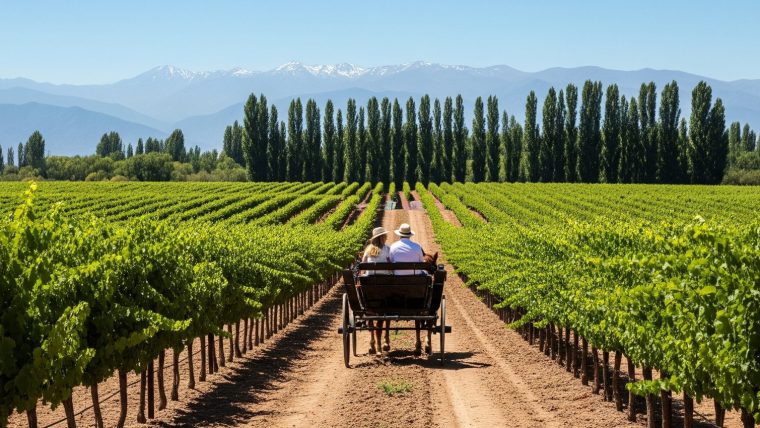
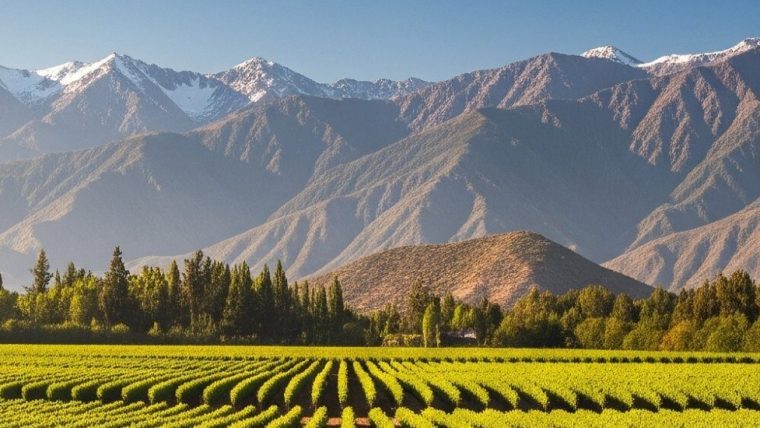
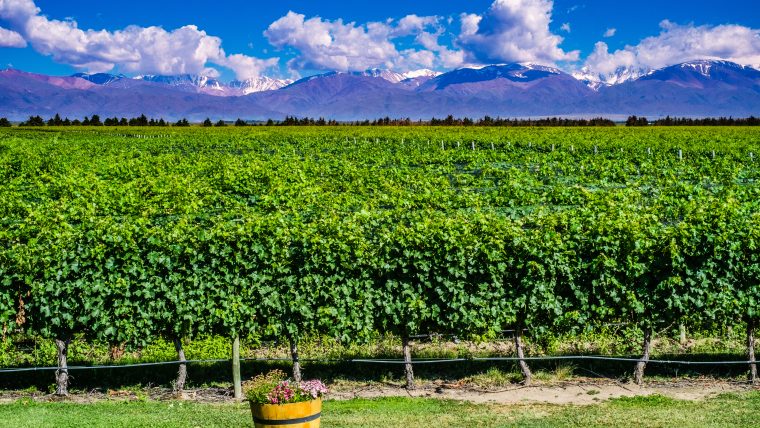
Chile now produces a formidable range of world-class icon wines, from Cabernet Sauvignon and Carménère to increasingly ambitious blends from its finest vineyards. The ten wines below are our favorites: distinctive, age-worthy bottles that show just how far Chile has traveled as a fine-wine nation. It is straightforward to fall in love with Chile – the landscape, its gregarious people, and the excellent wines. Nothing can prepare you for your first glimpse of the snow-capped Andes: serrated blades of rock and ice that separate Chile from its Argentine neighbor, providing an unforgettable welcome to the numerous visitors who fly over from Mendoza. What awaits them is a viticultural and tourist paradise: for every cool-climate vineyard and single-site cuvée, there is a corresponding luxury hotel and an outstanding view.
Yet even oenophiles who have never set foot in Santiago increasingly know that Chile has entered the ranks of ‘First-Growth’ wine nations. Collectors’ interest has been piqued by both the diversity and exceptional quality on offer: Chile works with a highly varied palette of grapes and wine styles, while terroir, as elsewhere, is all growers can talk about. The further south you go in Chile, the cooler it becomes. Ambitious winemakers have been exploiting this fact to the nth degree; high-altitude wines are all the rage in Chile, and terroir is increasingly enshrined in law.
Chile’s appellation rules also recognize three complementary geographical terms: Costa, Entre Cordilleras, and Andes. With terroir in mind, smaller, site-specific areas within existing regions are flexing their muscles, among them Lo Abarca in San Antonio and Los Morros in Maipo. Chile is no longer the land of fruit-forward, varietal expressions – regional differences and site-specificity are now king.
But most importantly, top-level Chilean icon wine – now priced very ambitiously – has become world-class. Growers nationwide have been refining their red-and-white offerings, improving in leaps and bounds. At the turn of the Millennium, there was a tendency to deliver maximum impact through ripeness, concentration, and oak. However, a dramatic paradigm shift has occurred recently, with winemakers favoring elegance and restraint and the charms of perfectly ripe, expressive Chilean fruit. Many of the best wines are also based on, or at least partly use, Chile’s signature grape, Carménère, a variety that has been maligned and lauded in equal measure. As a result, the best Chilean icon wines are now world-beaters and quintessential South American collector’s items. Often distinctive and in a league of their own, we have listed our favorites below.
I first came across many of these wines at wine events and professional tastings, and several made an immediate impression. Traveling through Chile some years later, visiting wineries and tasting across the main regions, only reinforced that view. There is no league table here: these are simply wines I have particularly enjoyed and would happily seek out again.
1.SEÑA
Best forCellaring
Seña
Seña is a seminal Chilean red wine: a compelling, harmonious marriage of expertise and ‘First-Growth’ terroir. The wine is a blockbuster, yet it remains perfectly balanced and supple with every release – a brilliant example of Old World winemaking merged with New World fruit expression. Robert Mondavi and Eduardo Chadwick (Decanter’s Man of the Year 2018) launched the project. They intended to prove that Chilean wines could easily rival their more expensive cousins from Bordeaux. The 2023 vintage is another standout example: expect an intense nose of black fruits, plum, and spice, with blackcurrant, blackberry, and mocha on the palate.
60% Cabernet Sauvignon, 19% Malbec, 15% Carménère, 6% Petit Verdot
Classification
DO Valle de Aconcagua
Tasting & serving
Aroma
Black currant, black plum, graphite, dried herbs, violet, black pepper, crushed bay leaf, with subtle cedar and vanilla undertones
Palate
Fine-grained tannins with distinct mid-palate freshness; ripe strawberry, cherry, plum, and blueberry fruit complemented by cocoa, tobacco, liquorice, and warm spices; polished and suave texture with tensile focus
Finish
Long finish with mineral notes, a hint of iron, and a touch of salinity; spicy and lingering with umami rather than sweetness
Serve at
17°C (approximately 63°F)
Pairs with
Grilled beef and lamb · roasted or charcoal-cooked meats · venison · hard aged cheeses · rich pasta dishes with meat ragù
2.MONTES 'FOLLY'
Best forCellaring
Owner Aurelio Montes has done more for the reputation of Chilean wine than any other pioneer over the past several decades – the apparent competition being Eduardo Chadwick. But few would dispute that Montes produces the finest Syrah in Chile, grown in the legendary Apalta vineyard in the Colchagua Valley. Tiny yields and expert site selection merge with intuitive, intelligent winemaking to forge a masterpiece: a balanced, refined, powerful, and complex Syrah that outclasses its rivals. The length is exceptional.
Colchagua Valley · Apalta Valley, Colchagua (D.O. Apalta)
Wine type
Red wine
Style
Syrah, French oak aged, single vineyard
Vintage
2019
ABV
15%
Grape varieties
Syrah
Classification
D.O. Apalta Valley, Colchagua
Tasting & serving
Aroma
Intense and complex nose with ripe red and black fruit, black pepper, nutmeg, candy, and leather, complemented by French oak-driven notes of tobacco, toast, vanilla, and liqueur.
Palate
Broad and balanced with big body and a silky texture.
Finish
Long, pleasing finish with a silky sensation.
Serve at
17–19 °C
Pairs with
Red meats · lamb · veal · and pork chops
3.ALMAVIVA
Best forCellaring
almaviva
A favorite among European collectors and oenophiles, Almaviva is a very classy – and expensive – Bordeaux blend. A joint venture between Concha Y Toro and Baron Philippe de Rothschild, Almaviva is a strong contender for Chile’s finest Cabernet Sauvignon-dominant red. It is both opulent and refined, a testament to the Maipo region’s superior terroir.
Layered and complex nose with fresh cassis, strawberries, and dewberries, followed by elegant notes of tobacco, cedar, earth, olives, and soft spices.
Palate
Outstanding amplitude and balance with a smooth texture and great acidity. Tannins are round, refined, and well-polished. The wine is well-built and precise, combining volume, finesse, and freshness.
Finish
Persistent and elegant finish with refined tannins and a harmonious balance of volume, finesse, and freshness.
Pairs with
Grilled wagyu · rib eye · or game meats
4.DON MELCHOR
Best forCellaring
Concha Y Toro is a mammoth operation, yet their focus has always been firmly on quality rather than quantity. Their single-vineyard Cabernet Sauvignon-led blend is among Chile’s best. Unlike rival Almaviva, Cabernet Sauvignon remains dominant in the blend, making a powerful totem of Puente Alto’s terroir and Chile’s inherent suitability to growing this grape. Concentrated, inky, and voluptuous words come to mind, always underpinned by vibrant acidity and impressive tannins. One to silence the naysayers and impress the critics.
Cabernet Sauvignon 95%, Cabernet Franc 3%, Merlot 1%, Petit Verdot 1%
Classification
D.O. Puente Alto
Tasting profile
Aroma
Intensely expressive aromas of red fruit and floral notes, followed by blackcurrant and blackberry.
Palate
Smooth entry evolving into mouth-filling, sumptuous flavours with tremendous concentration, great energy and breadth.
Finish
Long finish with fine textures, great balance, and very expressive fruity aromas.
5.CONCHA Y TORO TERRUNYO – CARMÉNÈRE PEUMO VINEYARD BLOCK 27
Best forCellaring
Forgive the long-winded title: Concha Y Toro’s magnificent single-site expression of Chile’s often misunderstood Carménère grape. In the 2022 vintage, it is almost pure Carménère, with a small addition of Cabernet Sauvignon for good measure; the Peumo Vineyard offers a concentrated, spicy interpretation of the grape, which always performs above expectations in a blend. It is a perfect icon wine for collectors seeking the unique and rarefied, as no other nation can replicate Chile’s success with Carménère.
Spicy Carmenère character with notes of roast red pepper, ash, red fruit, and baking spices
Palate
Medium-bodied and refined, with juicy fruit and smooth texture
Finish
Long and smooth
Serve at
14–16°C (57–61°F)
Pairs with
Barbecued and grilled meats with spicy or sweet-and-sour marinades; rabbit; mature cheeses; flavorful grain · bean · or pasta dishes with body and texture
6.VON SIEBENTHAL – TOKNAR
Best forCellaring
Von Siebenthal – Toknar
Swiss-owned boutique winery Von Siebenthal is a pro at matching grapes to terroir. Founder Mauro von Siebenthal moved to Chile in the late 1990s – his dream was to craft European-style wines from Chilean terroir, seeking elegance and refinement over brute force. Toknar is a poster child of this philosophy, a 100% Petit Verdot wine, arguably one of the finest in the world. Spicy, concentrated, and irresistibly opulent, Toknar is justifiably and reassuringly expensive.
Dark berry and blackcurrant aromas with cherry, spice, violet, and smoky mineral notes; some vintages show lactic, creamy notes with blackberry, blueberry, green tea leaf, and chocolate.
Palate
Bright and tangy entry building to a ripe, sweet mid-palate with firm, intense tannins; dark berry and medicinal cherry flavors with impressive energy and concentration; fleshy and enveloping texture.
Finish
Lively, bright, and persistent finish with lingering floral and mineral nuances.
Serve at
17–18°C
Pairs with
Red meats · game meats · and roast beef; also suitable as a meditation wine.
7.MATETIC EQ QUARTZ CHARDONNAY
Best forEnjoy now
Matetic EQ Chardonnay
“At last, a top-end Chilean white on the list,” you may well exclaim! Indeed, most of Chile’s expensive output is red. However, Matetic’s very affordable Chardonnay deserves a place in our hearts. EQ Chardonnay is the most Burgundian example we’ve ever tasted in South America: refined, complex, and benefits from judicious use of French oak. Approachable on release, the wine is nevertheless built to last, as a recent tasting showed. Chile easily handles many white varieties, but none more so than the noble Chardonnay.
Citrus and tropical fruit notes with honey and a delicate saline, mineral character
Palate
Concentrated with good volume and lively, pronounced acidity
Finish
Long and elegant
Serve at
12°C
Pairs with
Grilled fish · white meats · shellfish risotto · cream-sauce pastas · aged cheeses
8.CONCHA Y TORO – CARMÍN DE PEUMO
Best forCellaring
Investors are rushing to develop the spectacular Rapel Valley, yet Concha Y Toro is miles ahead of the pack. They recognized early that the terroir was ideally suited to growing Carménère, a variety that often baffles viticulturists and winemakers. With inimitable opulence and a velvety mouthfeel, Carmín de Peumo always wins over critics and journalists, who frequently compliment the “counterpoints between power and elegance.” An icon wine for the more open-minded, well-traveled sybarite.
Rare roast beef · veal · pork tenderloin · duck · pasta with morels · aged goat cheese
9.VIÑEDO CHADWICK
Best forCellaring
Viñedo Chadwick
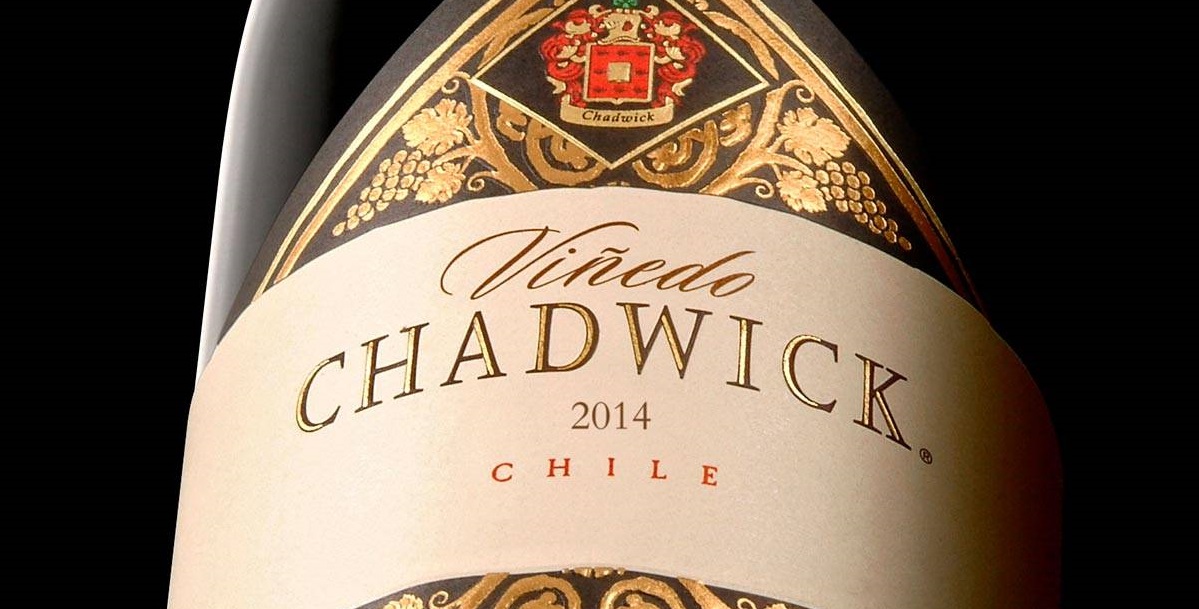
Any list of Chile’s most lauded and expensive bottles cannot omit Viñedo Chadwick. It immortalizes Alfonso Chadwick Errázuriz, a winegrower and ace polo player whose former polo field became this celebrated Puente Alto vineyard. His successors have done him proud: this Cabernet Sauvignon-led red is probably the most refined and elegant made in the Maipo Valley today, although Concha Y Toro would have a few words to say about that! It is the closest one can get to Pauillac in Chile: a harmonious interplay of cassis, cigar box, leather, and tobacco, supported by ripe yet fresh, grippy tannins.
Pure and perfumed with violet florals, blackberries, black cherries, and raspberries, accented by white pepper, dill, nutmeg, and tobacco.
Palate
Fresh and juicy with chalky tannins providing firm, elegant structure; shows excellent balance between flesh and length.
Serve at
16–18°C
Pairs with
Game meats · cured meats · and aged cheeses
10.VON SIEBENTHAL – TATAY DE CRISTÓBAL
Best forCellaring
This wine is the ultimate divider. While some critics openly praise its quality, others are unsure whether Tatay de Cristóbal merits such an impressive price tag. However, we are convinced that the mercilessly small yields, tiny production, and ‘craft’ nature of the wine more than justify its astronomical – by Chilean standards – price. You’re purchasing an extraordinary and unique bottle of estate-grown Carménère blended with approximately 10% Petit Verdot to add spice and verve. Then matured in lavish amounts of new oak, the wine is imposing and expressive, a fitting totem to the Old World/New World story embodied in its name.
With a passion for food & drink that verges on the obsessive, wine writer James Lawrence has traveled the world in search of the perfect tipple. To date, nothing has surpassed the 1952 R. López de Heredia Viña Tondonia Rioja Reserva, tasted in the cobweb-filled cellars with owner María José. Meanwhile, James has written for a wide variety of publications, including The Telegraph, Decanter, Harpers Wine & Spirit, The Drinks Business, and Wine Business International. He lives in South Wales and returns to his former university city, Bilbao, as much as possible.
To provide the best experiences, we use technologies like cookies to store and/or access device information. Consenting to these technologies will allow us to process data such as browsing behavior or unique IDs on this site. Not consenting or withdrawing consent, may adversely affect certain features and functions.
Functional
Always active
The technical storage or access is strictly necessary for the legitimate purpose of enabling the use of a specific service explicitly requested by the subscriber or user, or for the sole purpose of carrying out the transmission of a communication over an electronic communications network.
Preferences
The technical storage or access is necessary for the legitimate purpose of storing preferences that are not requested by the subscriber or user.
Statistics
The technical storage or access that is used exclusively for statistical purposes.The technical storage or access that is used exclusively for anonymous statistical purposes. Without a subpoena, voluntary compliance on the part of your Internet Service Provider, or additional records from a third party, information stored or retrieved for this purpose alone cannot usually be used to identify you.
Marketing
The technical storage or access is required to create user profiles to send advertising, or to track the user on a website or across several websites for similar marketing purposes.