Cellar Tours Insight
— Since 2003, Cellar Tours has planned private food and wine journeys through the world’s leading wine regions, pairing tailor-made itineraries with VIP winery visits, fine dining, and expert regional guidance.
The revolution in South African winemaking is one of the most dramatic changes in recent times. Once derided as a source of “sunshine in a bottle,” South Africa is now proving it can make characterful, terroir-driven wines at competitive price points.
Indeed, today’s oenophile who goes looking for quality in the majestic Cape Winelands is literally spoilt for choice, with a surfeit of excellent white, red, and sparkling wines up for grabs. Moreover, an emerging generation of winemakers is continuing to refine their methods. A heightened emphasis on elegance and finesse (rather than brute force) is now the hallmark of South African winemaking. Terroir is a constant topic of conversation – matching the vine variety to the right place. So it’s little surprise that more and more South African wines have a real sense of place, showing how far the country has come since the dark days of apartheid and isolationism.
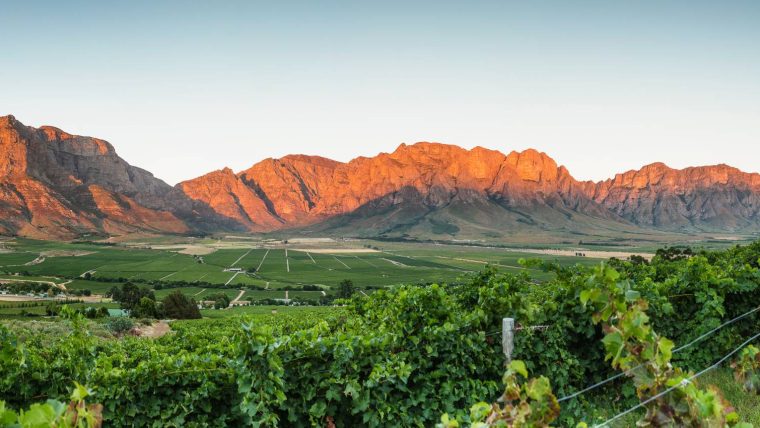
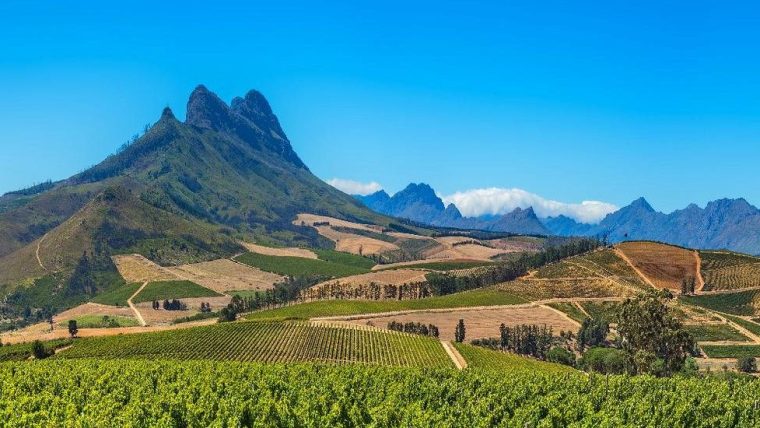
Diversity is another great hallmark of South African wine, with 32 districts and some 102 smaller wards spread across the country’s winelands. The most important labels remain Cabernet Sauvignon blends produced in Stellenbosch and Paarl in terms of premium output. Still, those areas no longer dominate the country’s fine wine output. Exciting wines are coming out of all of South Africa’s wine regions, particularly cooler areas such as Elgin and Walker Bay.
But most importantly for collectors, South Africa’s premium labels increasingly combine genuine cellaring potential with growing international recognition among critics, buyers, and auctioneers. Iconic names such as Vergelegen V and Paul Cluver’s Pinot Noir Seven Flags have the structure and pedigree to reward careful cellaring for years to come. Drink or keep your precious bottles – that decision is half the fun.
8 South African wines worth cellaring
1.Vergelegen V
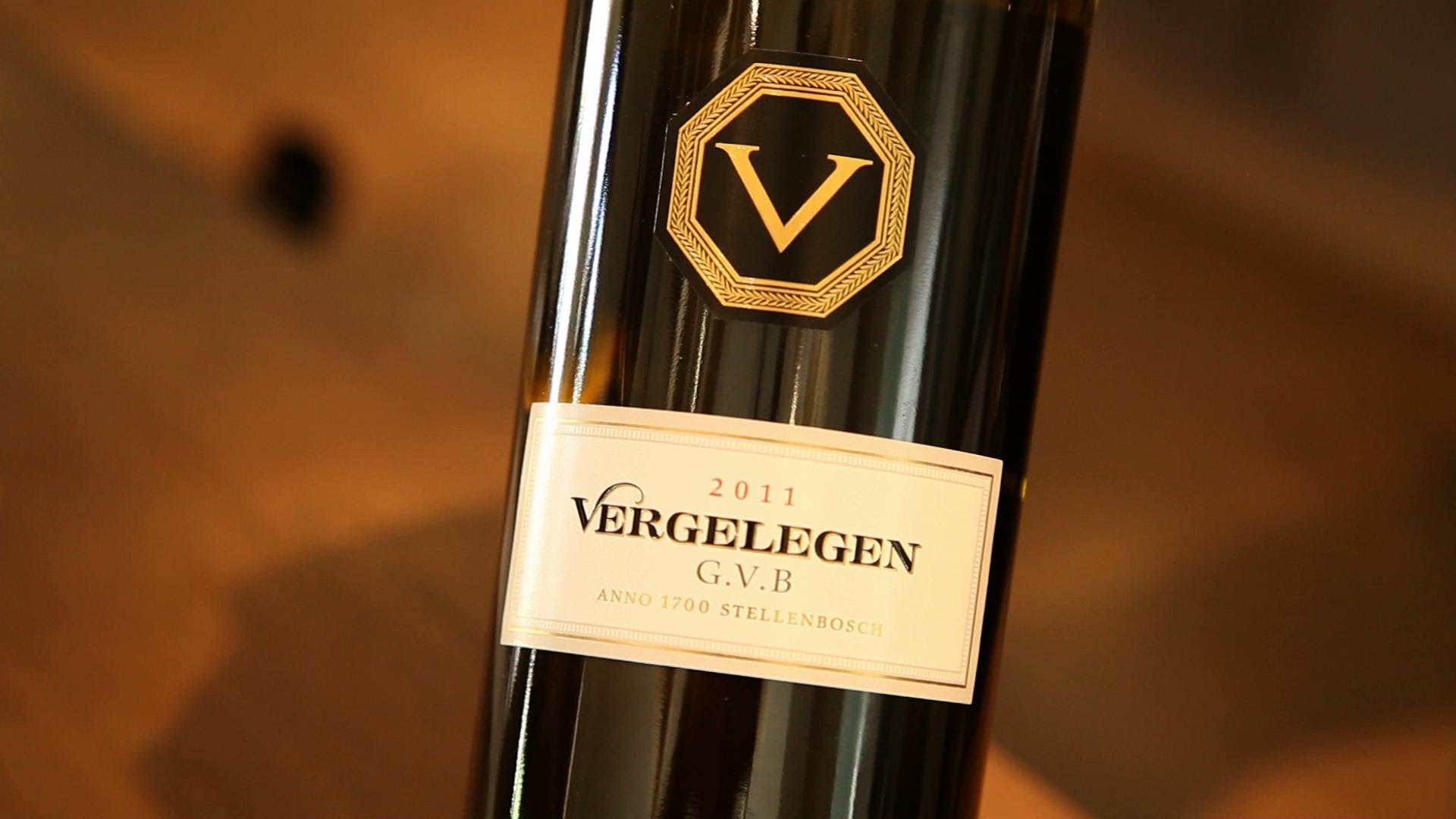
Vergelegen’s flagship V red is arguably the country’s finest wine, a true icon of South African winemaking. It is made at the historic Vergelegen farm in Somerset West, which dates back to 1700 and is now owned by the firm Anglo American. Cabernet Sauvignon leads the blend, supported by Petit Verdot, Merlot, and Cabernet Franc. The 2022 spent 18 months aging in French oak before bottling. Therefore, the resulting wine is approachable on release, marked by its powerful aroma of cassis, chocolate, cedarwood, and coffee – imagine the Medoc on steroids. Yet, the beauty of Vergelegen is that it is both approachable and endowed with an impressive structure that allows the wine to age for decades, ensuring that you can cellar a good vintage of Vergelegen V with confidence.
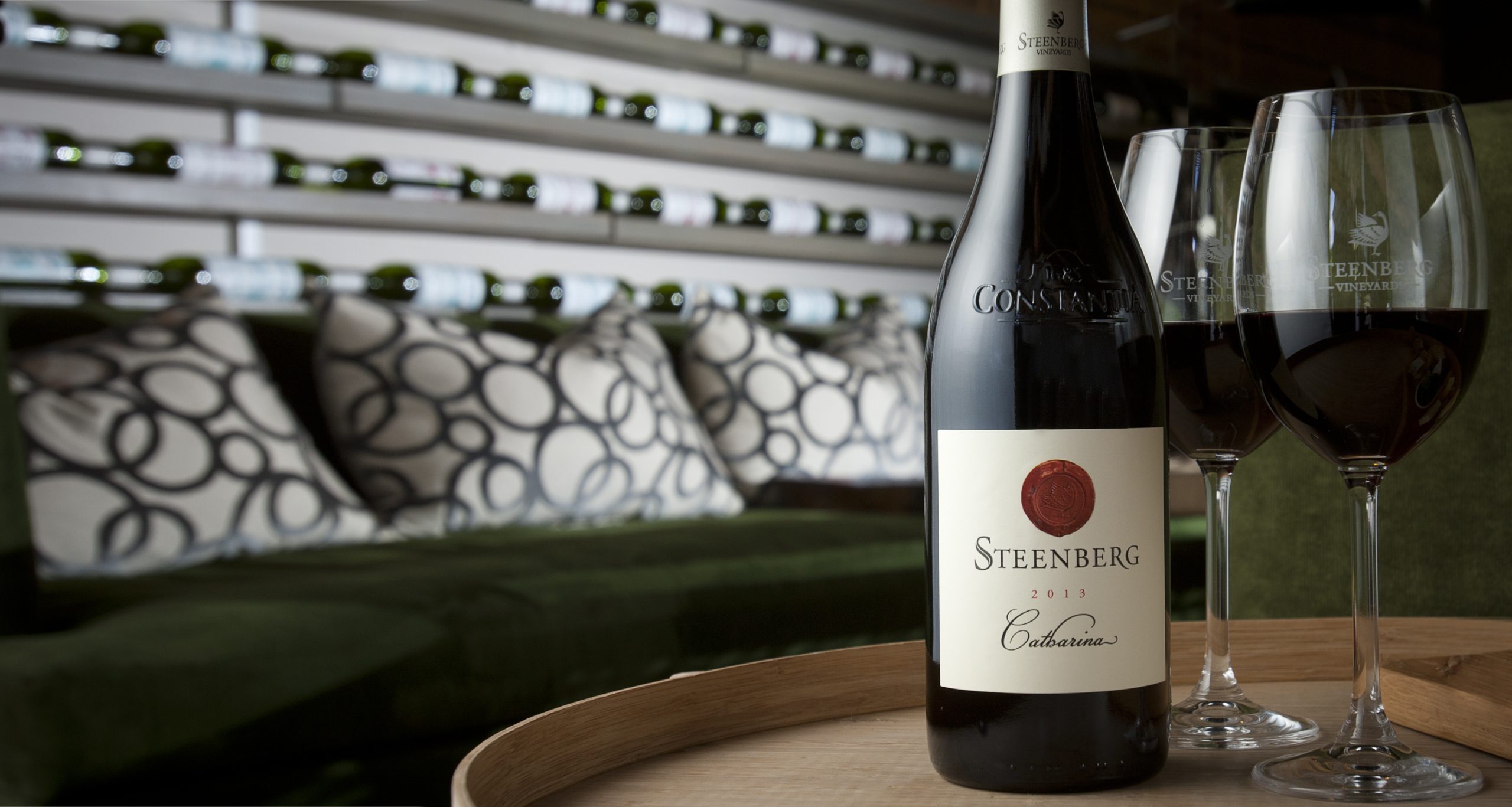
One of the Cape’s historic wine farms, Steenberg continues to craft an excellent range of wines. The flagship Catharina is a dark, berry-scented Bordeaux-style blend based on Merlot and Cabernet Sauvignon, with Malbec and Petit Verdot adding further complexity. The resulting wine is both powerful in structure and flavor, a potent wine of considerable ‘breeding.’ Recent vintages have been on top form, making Catharina a compelling choice for immediate or longer-term pleasure.
Key details
Producer
Steenberg
Region / appellation
Constantia
Wine type
Red wine
Style
French oak-aged
Classification
Wine of Origin Constantia
Pairs with
Red meat dishes · particularly roast lamb shoulder with garlic and rosemary; rich saucy dishes
3.Sadie Family Wines Columella
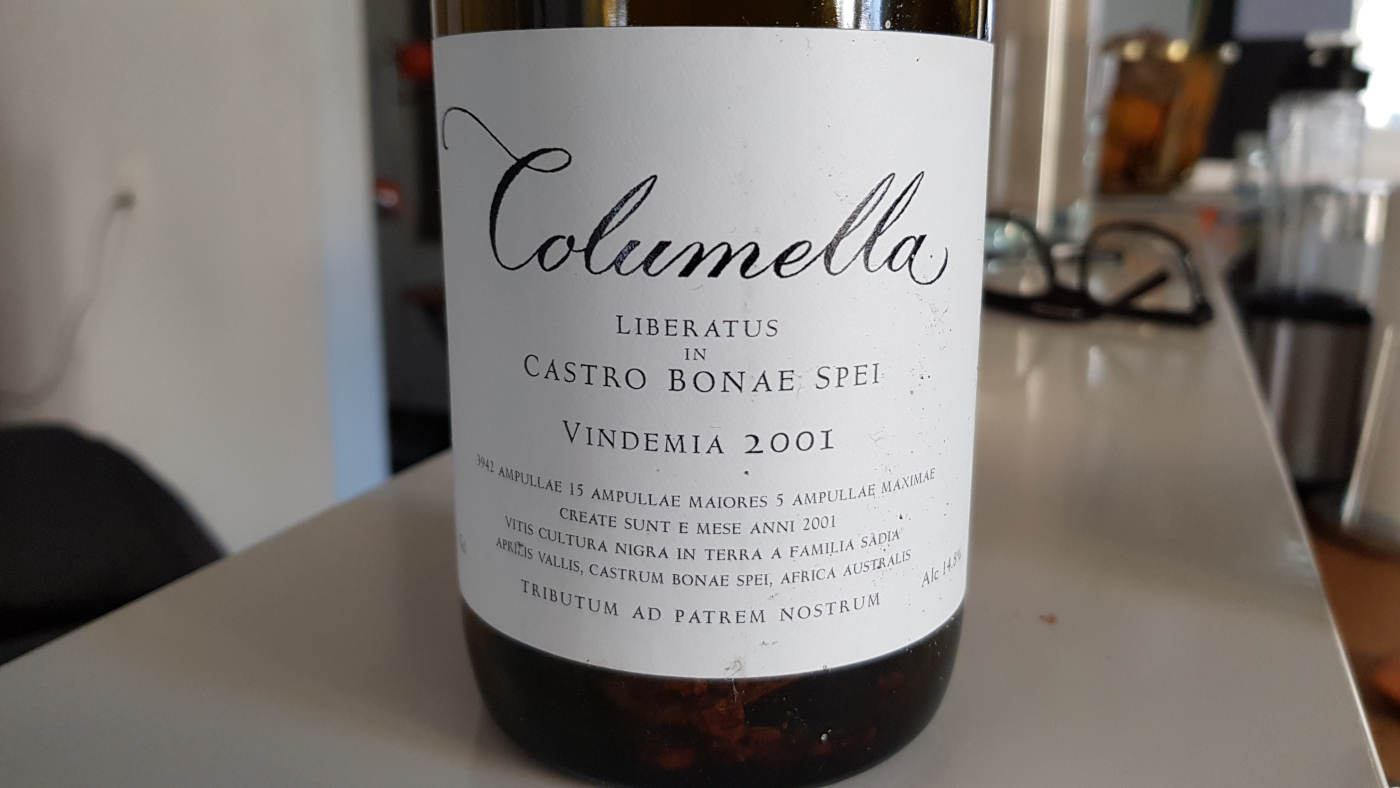
Swartland’s leading property, Sadie Family Wines, makes the region’s greatest red: Columella. A Syrah-led blend of Mourvèdre, Grenache, Carignan, Cinsaut, and Tinta Barocca, it offers remarkable dark, spicy complexity. It is rich, almost exotic, with a supple texture and great intensity. Made from low-yielding vineyards across some of Swartland’s finest terroirs, Columella is approachable on release yet will develop beautifully for a decade or more. The 2013 vintage earned 96 points from Robert Parker’s Wine Advocate, who described it as: “Extremely refined and mineral-laden, symmetrical and standing on tip-toes on the finish.”
Complex bouquet with wild strawberry and cranberry scents, incense notes, and a hint of marmalade; mercurial and beautifully detailed on the nose.
Palate
Medium-bodied, extremely refined and mineral-laden, with a symmetrical structure and compact concentration.
Finish
Delicate and poised, standing on tip-toes on the finish — elegant and refined rather than heavy.
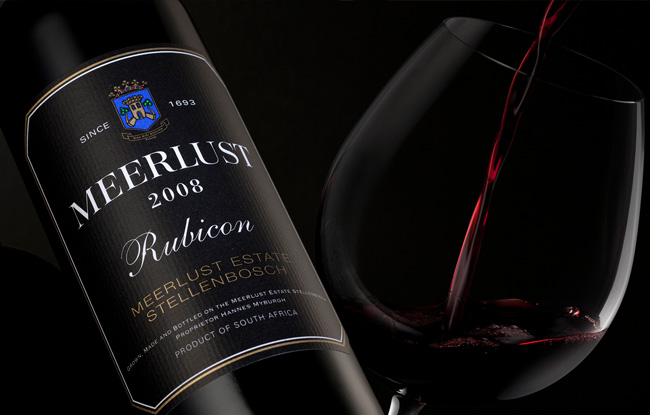
4.Meerlust Rubicon
One of Stellenbosch’s oldest wine farms, established in 1693, Meerlust continues to produce an exceptional Bordeaux-style red called Rubicon. It is among the very best of its kind in the Cape, much loved by consumers and critics alike. A blend of Cabernet Sauvignon, Merlot, Cabernet Franc, and Petit Verdot, Rubicon is rich, concentrated, and marked by cedar and exotic dark fruits, with elegance and finesse that are rare even among South Africa’s premium output. One for future generations or an upcoming special occasion – you decide.
Cabernet Sauvignon, Merlot, Cabernet Franc, Petit Verdot
Classification
Wine of Origin Stellenbosch
Tasting & serving
Aroma
Violets, ripe black plum, blackberry, cassis, cedar wood, bouquet garni, and potpourri spice
Palate
Full-bodied with fresh dark fruit, rounded tannins, seamlessly integrated oak, and lifted acidity; balanced and elegant
Finish
Lingering with creamy fruit and mouthfilling tannins
Serve at
64–68 °F (18–20 °C)
Pairs with
Venison · game · pot roast · and noble cheeses
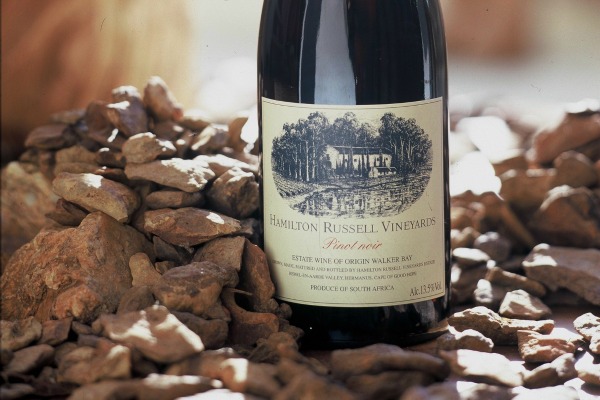
5.Hamilton Russell Vineyards Pinot Noir
One of the Cape’s benchmark producers of Chardonnay, this devotee of Burgundian varieties is equally renowned for elegant and profound Pinot Noir. Grown in the cool and visually stunning Hemel-en-Aarde Valley, the Pinot Noir is simply astounding, rich, and full of dark berry fruit, with just a hint of peppermint. A remarkable wine worthy of considerable proselytizing, its fine structure makes it a wine you can cellar with confidence. Still, as critics often note, it drinks so well young that most cannot bear to wait.Still, as critics often note, it drinks so well young that most cannot bear to wait.
Dark berry and cherry fruit with spicy, savoury, and earthy complexity; perfumed and floral with a subtle primal character.
Palate
Medium-bodied with red and dark cherry fruit, fine tannins, crisp acidity, and mineral notes; structured yet generous with good length.
Finish
Long finish with persistent mineral character and lingering cherry notes.
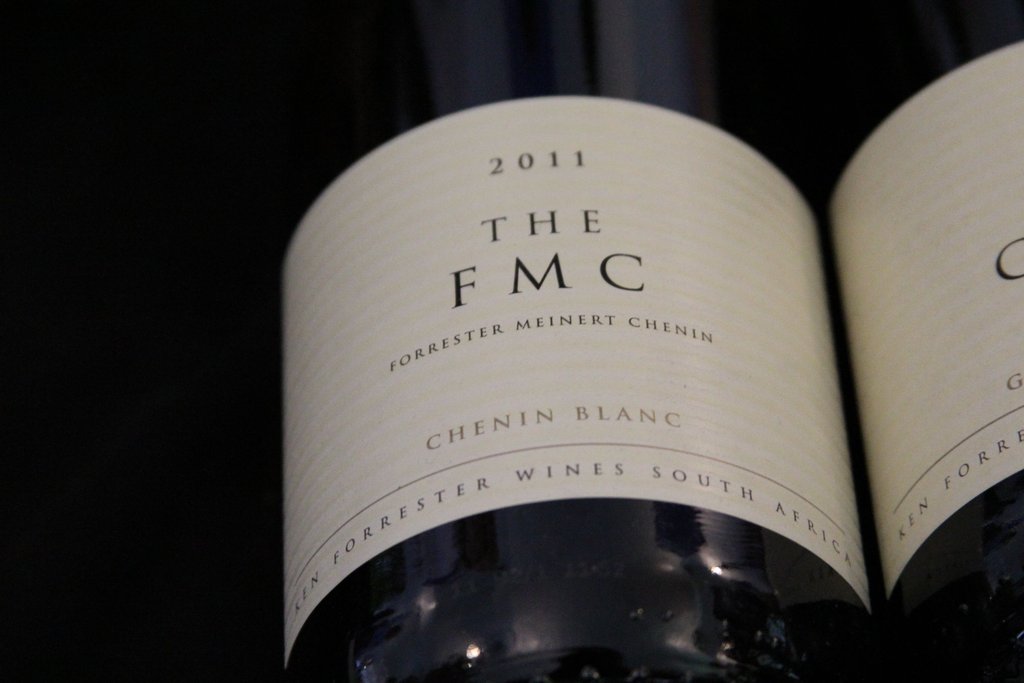
6.Ken Forrester FMC
Renowned South African restaurateur Ken Forrester produces one of the finest examples of Chenin Blanc in the Cape, a testament to both his prowess and the remarkable terroir of Stellenbosch. The FMC Chenin Blanc is made primarily from old, hand-picked bush vines planted in 1974, with successive selections harvested as the fruit ripens and naturally fermented in French oak. It is arguably South Africa’s most iconic white wine, a beautifully nuanced Chenin with gorgeous honey and beeswax aromas. However, unlike many of the great white wines of Burgundy, FMC has traditionally offered remarkable quality without Burgundy’s stratospheric pricing.
Honey, beeswax, dried apricot, vanilla, ginger and spice
Palate
Rich and layered, with dried apricot, vanilla, and honey; medium to full-bodied with a touch of phenolic texture and bright acidity
Finish
Fresh-fruited with caramelised and toffee apple notes, clean citrus-lime cut
Pairs with
Spiced dishes · curries · mild seafood and shellfish · or as an aperitif
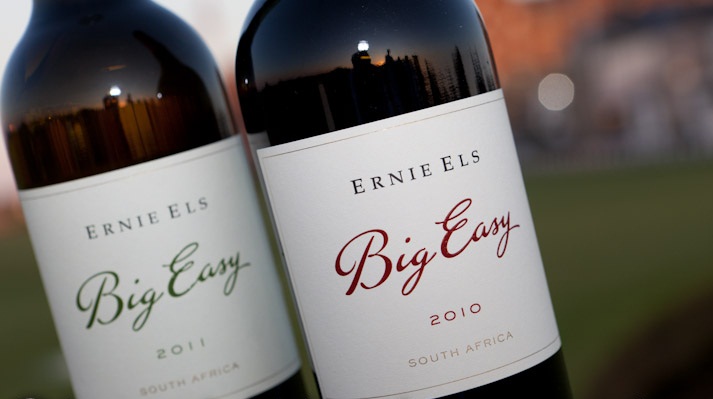
7.Ernie Els Signature
Ernie Els Wines grew out of the golfer’s early collaboration with leading Stellenbosch winemaking talent and today produces a range of striking, highly regarded wines from its Helderberg estate. Indeed, the small-volume Ernie Els red is one of the most expensive wines to emerge from the Cape: a Bordeaux blend of supreme quality and inimitable style. Full-bodied, rich and intense, it offers exceptional length and the persistence of dark, blackberry, minty fruit. Moreover, the flagship red has the structure and pedigree to reward patient cellaring, although it is equally compelling for the pleasure it offers at the table.
Cabernet Sauvignon 60%, Merlot 25%, Cabernet Franc 5%, Malbec 5%, Petit Verdot 5%
Classification
WO Stellenbosch
Tasting profile
Aroma
Rosewater, violets, cedar, and dark brooding ink undertones; secondary notes of cigar box, meat spice, and ripe red berries.
Palate
Elegant and intense, with plum purity, vibrant red fruit, peppery all-spice, and meaty-savoury sapidity; full-bodied with fine, layered tannins.
Finish
Dry, savoury, and long, with black cherry, cassis, and a salty mineral tail.
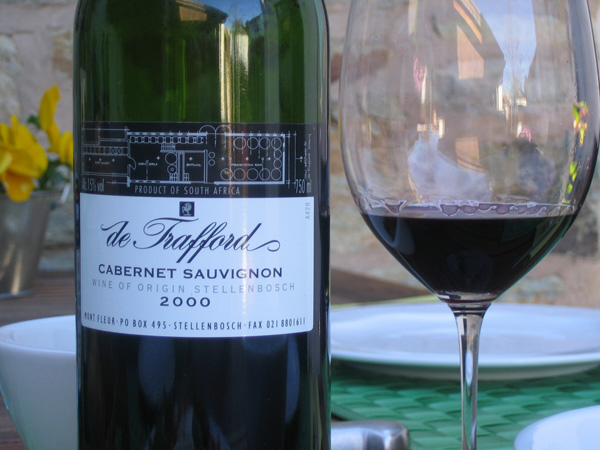
8.De Trafford Cabernet Sauvignon
Widely regarded as one of the Cape’s finest producers, David Trafford is a winemaking force. Drawing on carefully selected Cabernet Sauvignon vineyards around Mont Fleur, the Helderberg and Stellenbosch Mountain, Trafford makes a powerful Cabernet Sauvignon, a wine of intense concentration and force of flavor. Richly textured and impressively concentrated with dark, spicy berry fruit, the Cabernet generally benefits from several years of bottle age and, in strong vintages and good storage conditions, can develop beautifully over the long term. A poster child for premium Cape wines.
Genevieve, originally from San Diego, California, has spent the last 25 years living in Europe, primarily in Spain, Ireland, and Italy. She has a background in the wine industry, having worked for a top wine importer in Ireland and a prestigious winery in Italy's Franciacorta region. In 2003, Genevieve founded Cellar Tours, a boutique wine tours company based in Madrid, Spain. She holds wine education credentials from the Wine and Spirit Education Trust (WSET) in London and has a strong network within the European wine industry. Genevieve specializes in organizing VIP tours to exclusive wineries that are not accessible to the general public. With a passion for food and wine, fluency in multiple languages, and expertise in luxury travel and tourism, Genevieve has built a successful career in creating unique wine experiences.
To provide the best experiences, we use technologies like cookies to store and/or access device information. Consenting to these technologies will allow us to process data such as browsing behavior or unique IDs on this site. Not consenting or withdrawing consent, may adversely affect certain features and functions.
Functional
Always active
The technical storage or access is strictly necessary for the legitimate purpose of enabling the use of a specific service explicitly requested by the subscriber or user, or for the sole purpose of carrying out the transmission of a communication over an electronic communications network.
Preferences
The technical storage or access is necessary for the legitimate purpose of storing preferences that are not requested by the subscriber or user.
Statistics
The technical storage or access that is used exclusively for statistical purposes.The technical storage or access that is used exclusively for anonymous statistical purposes. Without a subpoena, voluntary compliance on the part of your Internet Service Provider, or additional records from a third party, information stored or retrieved for this purpose alone cannot usually be used to identify you.
Marketing
The technical storage or access is required to create user profiles to send advertising, or to track the user on a website or across several websites for similar marketing purposes.






Greggsays:
April 18, 2018 at 8:36 am
Point of correction. Steenberg is not the oldest wine farm in the Cape. It is Groot & Klein Constantia who have the privilege to claim that.