Urban Vineyards in Italy- Hidden Gems for Wine Lovers
March 1, 2021
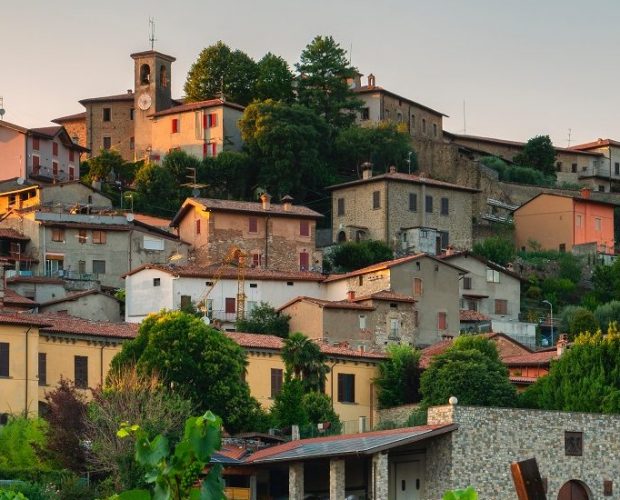
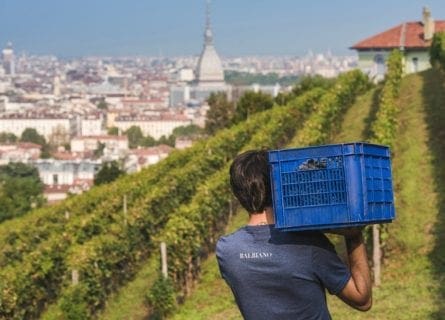
Explore Italy's urban vineyards: Discover diverse wines, unique tastings, and rich history in city hearts. A must-visit for wine enthusiasts.
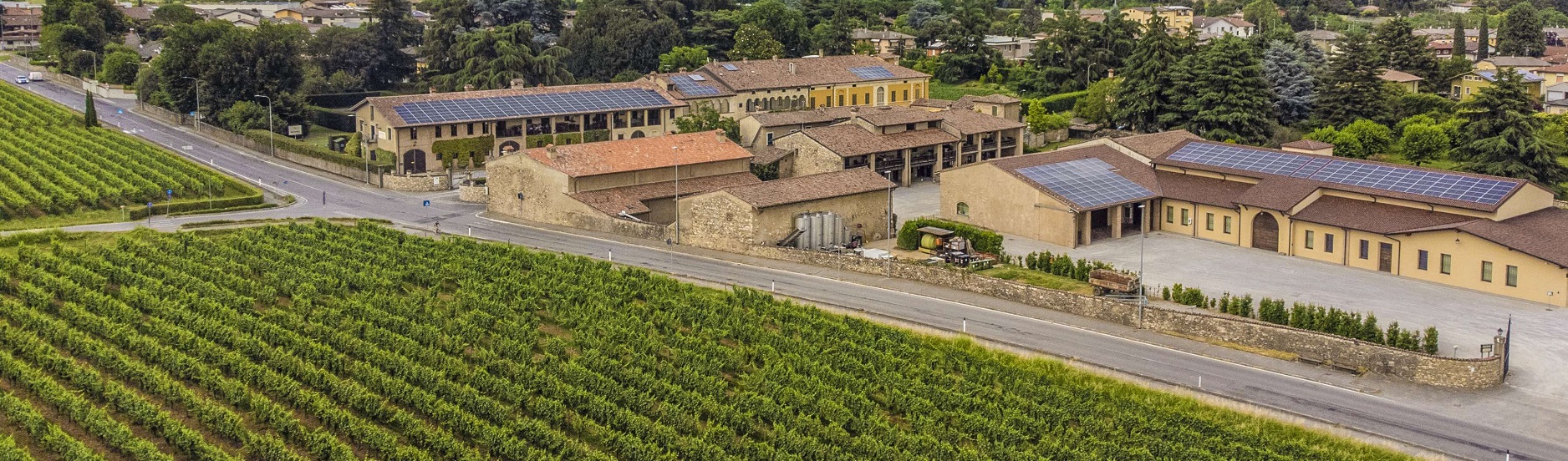
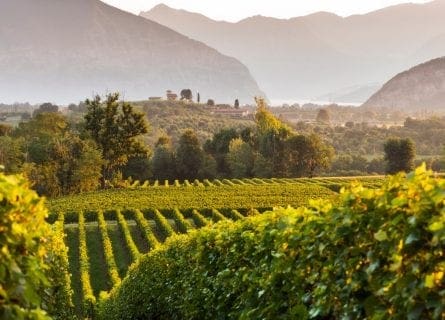
Read articleFranciacorta wine country near Lake Iseo is one of Italy’s best-kept secrets for wine lovers. Franciacorta’s bubblies are the crème de la crème of sparkling wines in Italy. This region is the perfect wine-tasting excursion from Milan, as it is just over an hour’s drive. One of the loveliest historic wineries in the Franciacorta appellation, Il Mosnel Winery produces excellent still wines and Bollicine (“Bubbles,” as sparkling wine is referred to in Italian). Run by the Barboglio family since the early 1800s and operating under the Il Mosnel label since the late ’70s, it’s a beautiful historic estate located near the medieval village of Rodengo (home to a Cistercian Abbey whose monks cultivated vineyards in the region for centuries).
Like most wineries here, Il Mosnel only began making Franciacorta (the local Champagne-method sparkling wine) in the latter part of the 20th century, following the pioneering winemaker Franco Ziliani’s experimentation with sparkling wines. In earlier days, dating back to Roman times, the region was better known for reds, though there is evidence of sparkling wine being made as early as the 17th century. In 1968, Il Mosnel was one of the first wineries to join the brand-new Franciacorta DOC (now DOCG). Decades later, it was followed by a slew of high-budget wineries that today make this once-sleepy corner of Lombardia such a fashionable place and have given it a reputation as the birthplace of Italy’s best sparkling wines.
Il Mosnel’s history can be traced back to the 16th century when the powerful Cacciamatta family owned the cellars that the winery still uses today. In the first half of the 19th century, the cellars and surrounding estate were sold to the Barboglio family. Emanuela Barboglio oversaw the winery’s often tricky transition from still wine producer to sparkling wine producer during the latter part of the 20th century. Her grown children now run the family business: Guilio Barzanò, head of technical, business, and production areas, and Lucia Barzanò, in charge of administration, marketing, and public relations.
1836
35 hectares (DOCG), 5 hectares (DOC)
March 1, 2021
Explore Italy's urban vineyards: Discover diverse wines, unique tastings, and rich history in city hearts. A must-visit for wine enthusiasts.
Read article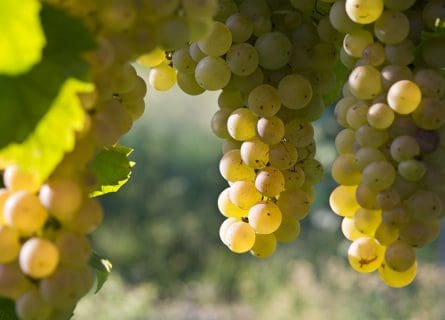
November 25, 2022
Exploring Erbaluce: From Bubbly Spumante to Passito and Dry Whites. A Taste of Piedmont's Wine Diversity
Read article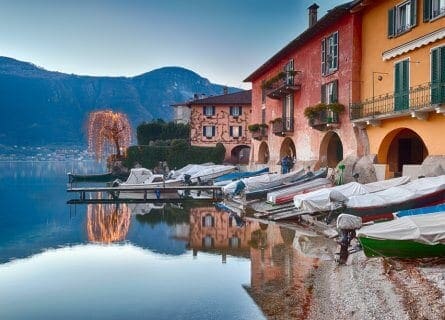
July 9, 2018
Explore Italy's Lake Como & Garda: Serenity, Luxury Dining, and Fine Wines for the Discerning Traveler
Read article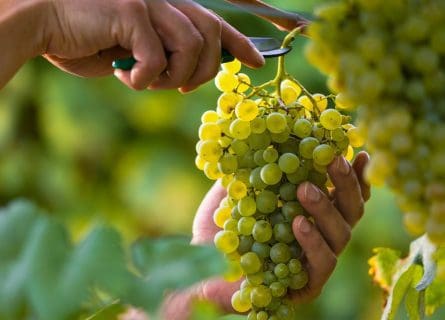
February 4, 2023
Discover Italy's White Wine Renaissance: From Rustic Plonk to Fine Elegance. Explore Italy's Terroir, Diversity, and Quality. Cheers to Italian White Wines!
Read article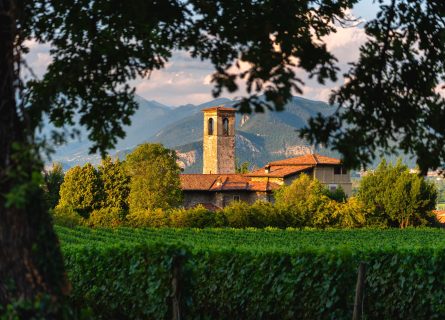
May 1, 2025
Explore the beauty of Franciacorta and discover the unique qualities of Franciacorta sparkling wine from Northern Italy.
Read article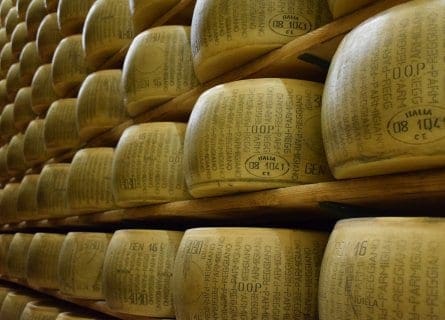
March 6, 2017
Discover Italy’s best cheeses, from Parmigiano Reggiano and Mozzarella di Bufala to regional DOP specialties, wine pairings, and cheese terms.
Read article