Ten South African Wines for Collectors
January 2, 2018
The revolution that has taken place in South African winemaking is one of the most dramatic changes to have occurred in recent times.
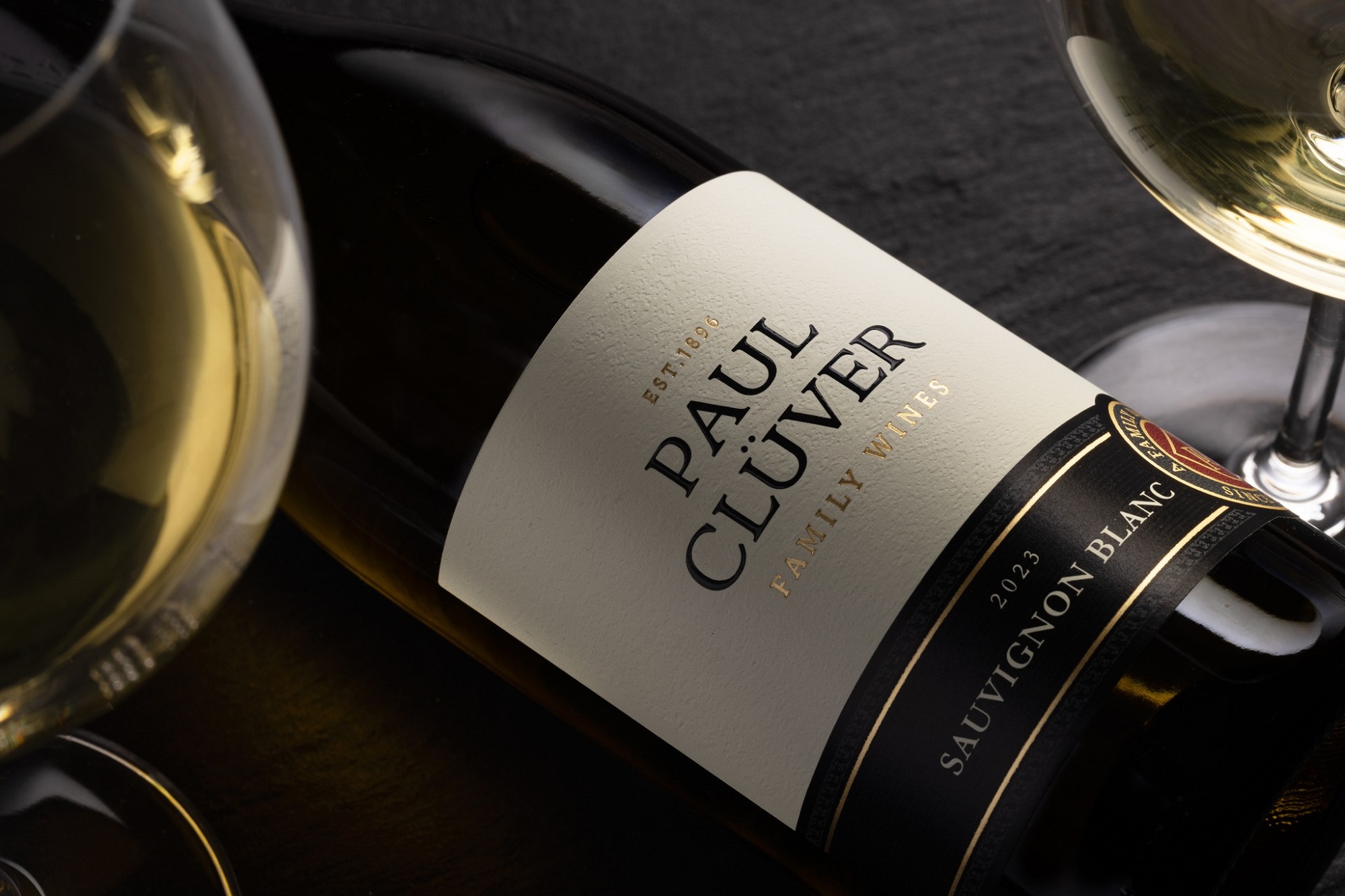
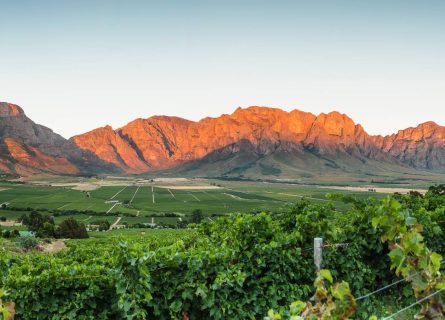
Read articleThe crowning glory of the Elgin Plateau is undoubtedly The De Rust Estate, a legendary property within the Kogelberg Biosphere Reserve. Indeed, visitors are greeted by the Western Cape’s most stunning scenery when entering the farm: the Kogelberg Nature Reserve is a marine and floral kingdom boasting an incredible 1600 different plant species. The potency of this terroir is immediately evident when tasting Paul Cluver’s range of wines – finesse, elegance, and a sense of place are hallmarks of every wine made at this formidable winery.
In 1896, the farm was bought by Dr. Clüver’s great-grandfather, who needed land to provide summer grazing for his livestock. Over the following decades, extensive fruit orchards were established on the farm; although the family expressed no interest in planting vines in this era,
However, by the mid-1980s, the Cluver family started showing interest in producing premium wines in the cool, high-altitude Elgin Mountain Plateau. During this period, local experts formally identified the region as a cool-climate wine-growing appellation, encouraging Paul Cluver and his wife Songvei to grow Burgundian varieties – Chardonnay and Pinot Noir – on the farm. In 1986, The De Rust Estate was planted with its inaugural vineyards, which today have expanded to over 75 hectares and include Sauvignon Blanc and Riesling.
But for connoisseurs, it’s Paul Cluver’s range of Burgundian-style wines that excite – structured, flavor-packed, yet full of terroir character- will not leave one cold. They are among the best New World interpretations of these two noble varieties; the Seven Flags Pinot Noir, in particular, stands out as South Africa’s best. That fact, coupled with the estate’s awe-inspiring beauty, extensive tourist amenities – including an amphitheater designed for musical concerts – and the warm welcome you’ll receive from the Cluver family, make this glorious property an unmissable stop on any journey through the Western Cape.
1896 (farm first acquired by the Cluver family)
80 Hectares
30 years+ Low yields
January 2, 2018
The revolution that has taken place in South African winemaking is one of the most dramatic changes to have occurred in recent times.
Read article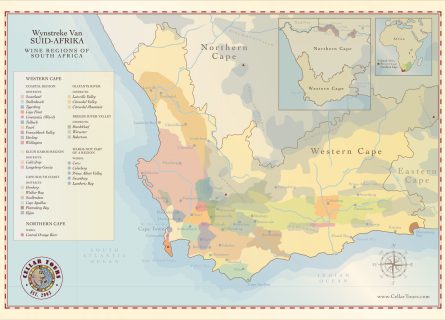
October 18, 2013
Discover South Africa's wine renaissance led by innovative winemakers in Stellenbosch and beyond, showcasing world-class, terroir-focused wines
Read article