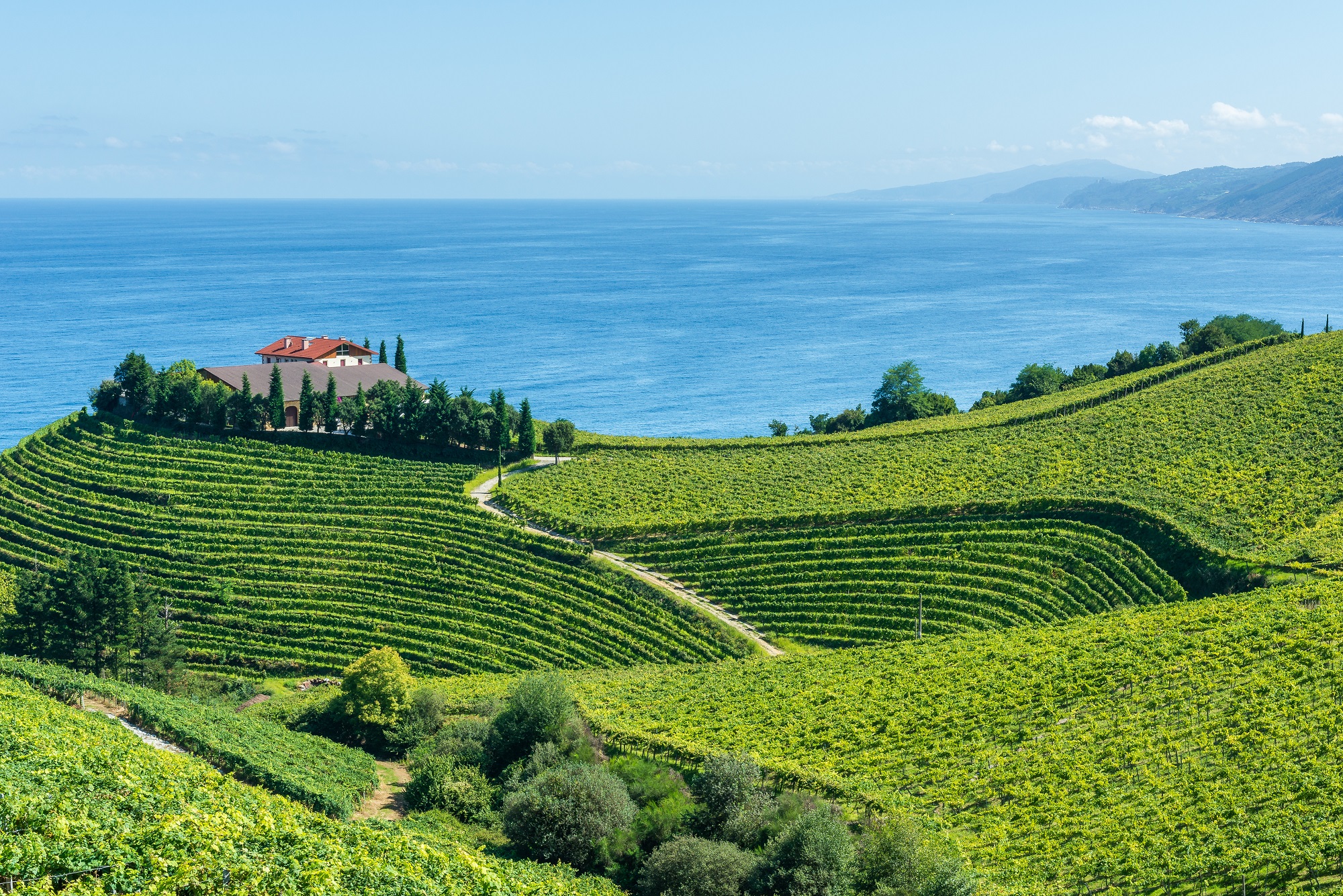
Txakoli (Txakolina) Wine Region Guide
Atlantic vineyards, indigenous grapes and the refreshing wines of Spain’s Basque Country
Introduction
The beautiful Basque Country is one of the unsung heroes of Spanish tourism. It’s all here – a dramatic coastline, innovative gastronomy, spectacular mountains, and some of Spain’s most refreshing wines. That’s right: even the inclement climate of northern Spain can turn its hand to wine production. The local tipple is called Txakoli, a light, fruity, zippy, slightly sparkling white wine; heaven served cold and accompanied by anchovies, tuna ventresca, and fish dishes. If you usually err on the side of caution and plump for a glass of Kiwi Sauvignon Blanc, we implore you to try it. Any journey into the glorious pintxo culture of El Pais Vasco cannot omit a glass (or seven!) of this wonderfully zesty and moreish white.
Discover more about Spanish Wine
History
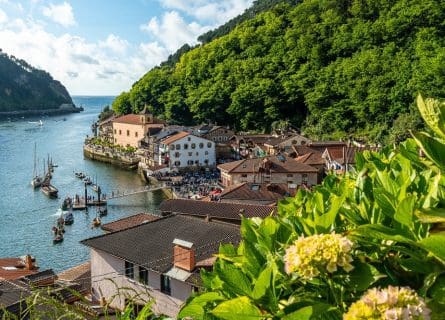
Proud, individualist, and occasionally fiercely patriotic, the Basques will not thank you for describing them as ‘Spanish.’ Indeed, their history has long charted a different path from the rest of the Iberian Peninsula.
But economically, the Basque Country thrived. Their economy has long placed the highest importance on tradition; the Basques are deep-sea fishermen, and fish plays a significant role in their imaginative cuisine, which many regard as the best in Spain.
Yet the region’s capital, Bilbao, was one of the first cities in Spain to industrialize after the province developed an iron ore mining industry. Steelworks and factories fueled meteoric growth in the 1800s, causing rapid urbanization and the creation of a burgeoning new middle class.
Vineyard Challenges in the Basque Country
Meanwhile, the region’s vineyards produced large volumes of tart, low-alcohol wines served in every tapas bar in northern Spain. However, a severe outbreak of oidium (powdery mildew) did untold damage to the wine industry, as the fungus thrived in the Basque Country’s humid environment.
The region’s wine industry was also put under centralized control, producing utter dross in these dark years.
Thankfully, much has changed since democracy was restored in 1975. The Basques have reclaimed their autonomy over local affairs, while private investment has transformed viticulture. As a result, the region’s Txakoli industry is once again a source of considerable pride. Poured into tall glasses from a great height, it is a vital and colorful part of this unique culture.
Geography and terroir
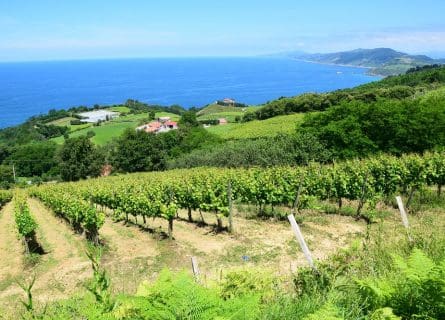
Northern Spain is a strong contender for the most beautiful part of Europe. It boasts some of the most pristine beaches in the world, in addition to undulating scenery replete with hilltop villages, farms, gorges, and verdant fields. The vine is very much at home in this environment, despite the very wet maritime climate of the Basque Country.
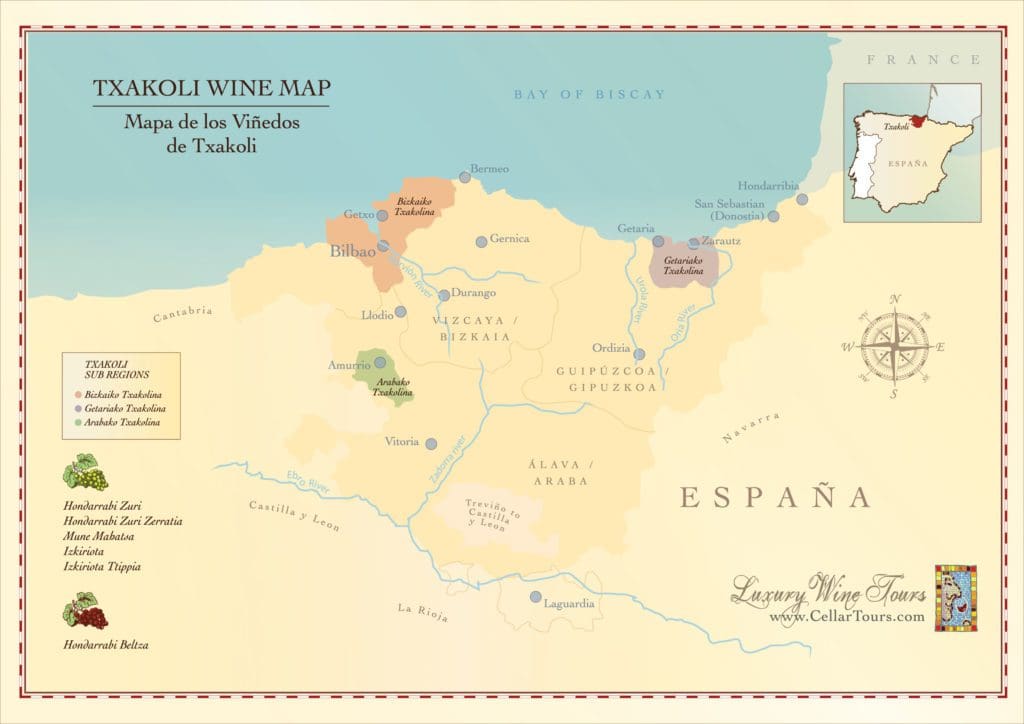
Nevertheless, high alcohol and rich textures are almost impossible to achieve in this part of Spain. But the terroir is conducive to delivering a style of white that is totally in vogue: light, refreshing, and very aromatic. The coastal areas and interior are planted to vines, with the coolest sites found in the higher-altitude plots in the hilly terrain south and southeast of Bilbao. Txakoli is protected by three separate Denominaciones de Origen (DOs): Getariako Txakolina in Gipuzkoa, Bizkaiko Txakolina in Bizkaia, and Arabako Txakolina in Álava.
Getaria
The Getaria zone was given official DO recognition as recently as 1989, despite a long winemaking tradition dating back to at least the 15th century. Yet in the early 1980s, there were only 21 hectares of vines in Getaria; in 2007, the region was extended to the whole of the historic Gipuzkoa territory. By the 2025 harvest, there were 479 hectares under vine.
Bizkaia
DO Txakoli Bizkaia or Bizkaiko Txakolina, meanwhile, was established in 1994. Successful vineyards have popped up all over the region (which surrounds the city of Bilbao), sticking to coastal areas, valleys, and the interior. The highest concentration of vineyards is around Urdaibai and Uribe. This interpretation differs from other Txakolis, with slightly more pronounced acidity and distinctive herbaceous notes.
Álava
Finally, Txakoli Álava or Arabako Txakolina is an interior region south of Bilbao; only established in 2001, it is the youngest of the three regions. The fresh, humid climate helps preserve the brisk acidity and moderate alcohol that define the style. Perfect for those who seek moderation at lunch!
Planning a trip to Txakoli country
San Sebastián makes the best base for exploring Txakoli country. Zarautz is about 20 kilometers away, and Getaria is about 25, so neither takes much more than half an hour by car. Two winery visits in a day are plenty. This also leaves time for a long lunch on the coast, ideally with grilled fish, seafood, and a bottle of Txakoli. Cellar Tours can arrange winery visits and private transportation. Most estates receive visitors by appointment, and a private driver is worth considering if you want to taste without keeping one eye on the road.
Planning resources
Winemaking and regional classifications
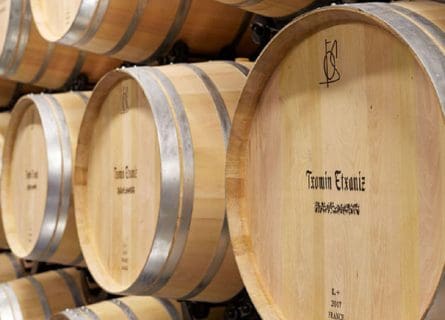
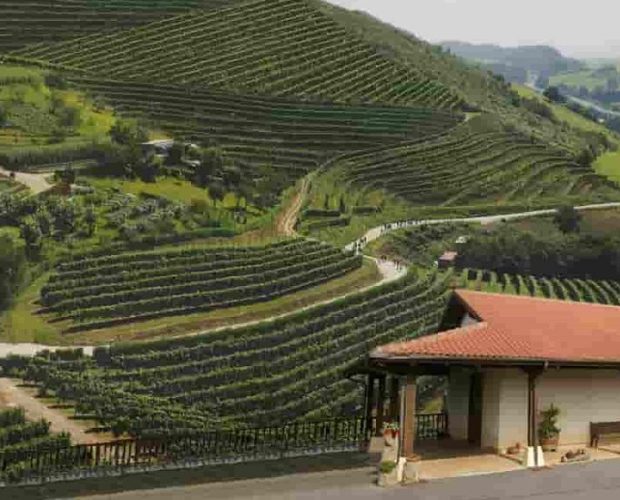
Despite the inevitable consequences of global warming, quality wine production here is still challenging with (relatively) cool summers and high rainfall. However, thanks to the determination of local producers who have striven to conserve traditional cultivation (wire-trained vines of indigenous varietals) with the help of modern vinification practices, the region has grown from strength to strength.
Diversity and Evolution of Txakoli Grapes
The vast majority of Txakoli is built around the zippy brilliance of the Hondarrabi Zuri grape, although permitted supporting varieties differ between the three DOs.
Historically, the winemaking method was extremely rustic: juice was allowed to oxidize and ferment in warm conditions in old wooden containers, producing a stale and acidic style of wine.
Thankfully, the modern paradigm emphasizes protecting the juice at all costs, preserving primary fruit aromas with a cool vinification in stainless steel. As a result, many Txakolis retain a slight natural spritz, adding to the wine’s characteristic freshness.
This gentle spritz makes Txakoli so pleasant to drink in the summer months. In addition, a small volume of red and rosé wine is made in each of the three subregions – the former can rival Mencia in its sappy texture and bright, floral fruit.
Facts & Figures
-
Key wine styles
- Aromatic dry whites
- rosé wines
- light red wines
-
Appellation structure
- Getariako Txakolina, Bizkaiko Txakolina and Arabako Txakolina
The lowdown
Can Txakoli make the leap from local tipple to export giant? It seems plausible: light and low-alcohol categories are hugely trendy, particularly with health-conscious Millennials in wealthy markets like Germany, Scandinavia, the UK, and the US. Moreover, Txakoli ticks practically every box in the sommelier and buyer communities, being affordable, well-made, and delicious. The only problem is a lack of sufficient volume and limitations on planting new vines.
Indeed, local consumption and demand are such that despite their growing popularity abroad, it is rare to find Txakoli Bizkaia wines, for example, outside the region. On the plus side, however, Txakoli can offer diverse styles, including fragrant rosé and elegant reds that work fantastically well alongside summer dishes.
Of course, most Txakolis are white wines designed to be drunk young. However, several producers have successfully experimented with oak barrel fermentation and extended time on the lees, producing fuller-bodied, more structured Txakolis capable of cellar aging and standing up to richer cuisine. With enough effort and a little luck, Txakoli could become an international superstar.
Key Grape Varietals
-
White grape
Hondarrabi Zuri
Hondarrabi Zuri is the backbone of Basque white wine, producing aromatic, low-alcohol Txakoli with bracing acidity and a naturally zippy character. View grape -
White grape -
White grape
Gros Manseng and Petit Manseng
Gros and Petit Manseng are permitted supporting varieties in parts of Txakoli country, contributing aromatic intensity, body and ripeness to blends. View grape -
White grape Mune Mahatsa (Folle Blanche)
Mune Mahatsa (Folle Blanche) is a supporting white variety permitted in Bizkaiko Txakolina, valued chiefly for its freshness and acidity. -
White grape
Sauvignon Blanc
Sauvignon Blanc is an authorised secondary white variety in Bizkaiko Txakolina, generally playing a supporting role alongside the traditional Basque grapes. View grape -
White grape
Riesling
Riesling is a secondary authorised variety in Getariako and Bizkaiko Txakolina, valued for acidity and aromatic freshness. View grape -
Red grape Hondarrabi Beltza
Hondarrabi Beltza is the traditional red grape of Txakoli country, producing light, fresh reds and rosés with bright fruit, herbal notes and lively acidity.
Txakoli gastronomy

Welcome to Spain’s foodie capital. Take your pick from a surfeit of Michelin-starred restaurants, irresistible tapas bars, and lively cider taverns. Abundant fresh fish and seafood have long distinguished the cuisine of northern Spain from the Atlantic; Basque pintxos make full use of this wonderful bounty. The region is also a source of great cheeses. But the true magic of eating here lies in the talents of the Basque Country’s formidable chefs. The Basques, with their famous gastronomic societies, have few peers in Western Europe.
Guide to Basque Gastronomy: Read more
Recommended Wineries
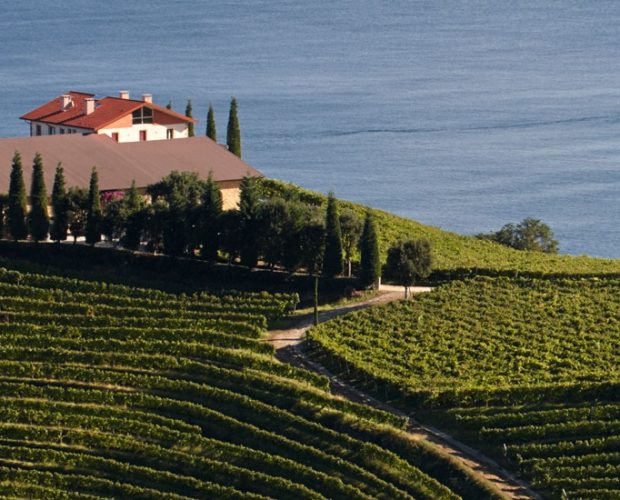
- Txomin Etxaniz Txomin Etxaniz is a long-established Getaria producer specialising in Txakoli from the traditional vineyards overlooking the Cantabrian coast. View winery
- Talai Berri Discover Talai Berri in Zarautz, a family-run Getariako Txakolina winery founded in 1992, with 12 hectares of vineyards and fifth-generation winemakers. View winery
- Itsasmendi Founded in 1994 and based in Gernika since 2003, Itsasmendi works 35 hectares across 15 vineyard parcels influenced by Bizkaia's Atlantic climate. View winery
- Ameztoi Ameztoi is a fifth-generation Getaria producer with 51 hectares of vineyards overlooking the coast, working primarily with Hondarrabi Zuri and Hondarrabi Beltza. Visit website
- Gorka Izagirre Gorka Izagirre, based in Larrabetzu near Bilbao, works more than 40 hectares of vineyards planted mainly to Hondarrabi Zuri, Hondarrabi Zerratia and Hondarrabi Beltza. Visit website
- Hiruzta Hiruzta is a family-run Hondarribia winery with 20 hectares of vineyards surrounding the estate, focused on Hondarrabi Zuri and Getariako Txakolina. Visit website
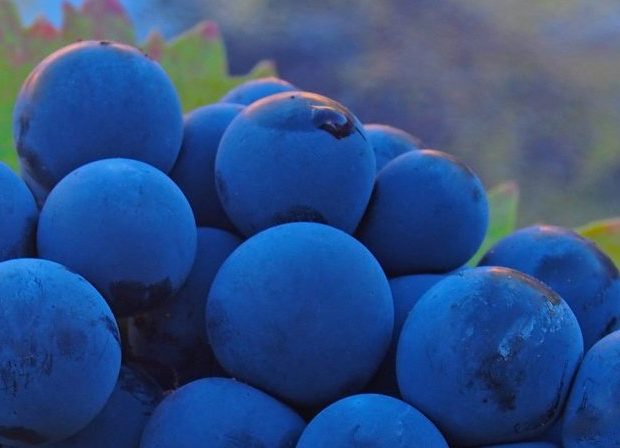
Explore further
Continue Exploring Spain
Discover private journeys, the complete wine region guide, and expert stories from across Spain.
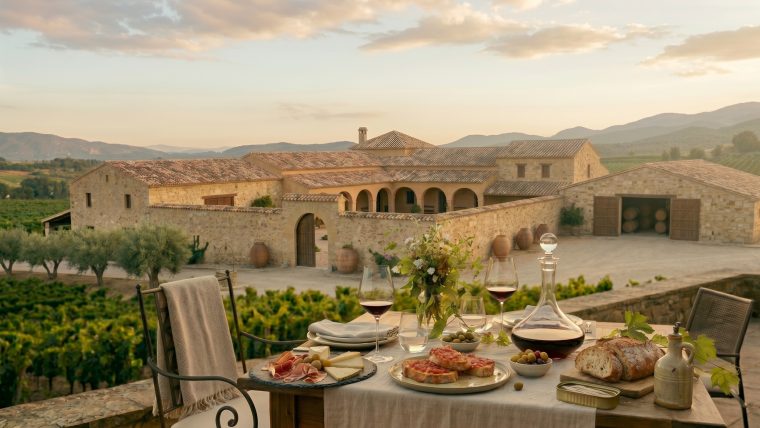 19 tours
Country tours
Private Wine Tours in Spain
Luxury Food & Wine Journeys Across Spain’s Finest Regions
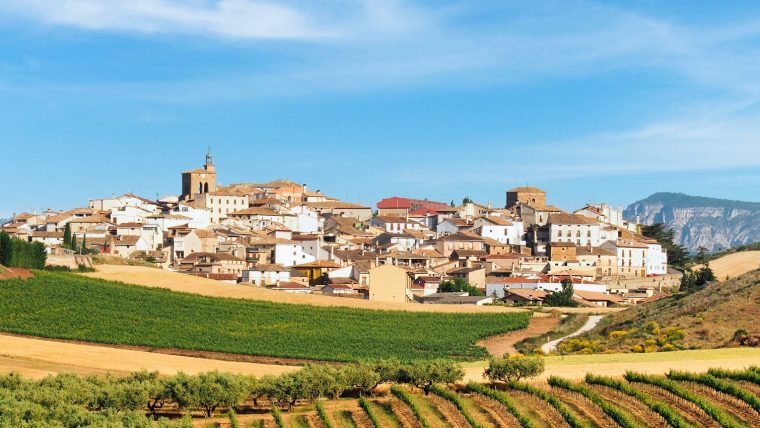 15 days
Private tour
15-Day Private Food & Wine Tour of Spain
A private, chauffeur-led journey from Madrid to Barcelona through Spain’s great wine regions.
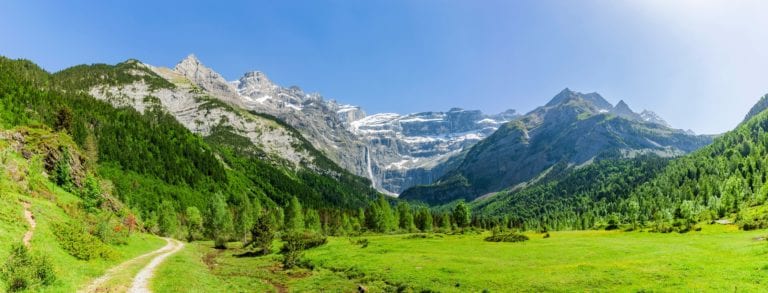 9 days
Private tour
Private Food & Wine Tour in the Spanish Pyrenees
Somontano and Costers del Segre wines, two-Michelin-starred dining and the landscapes of Ordesa.
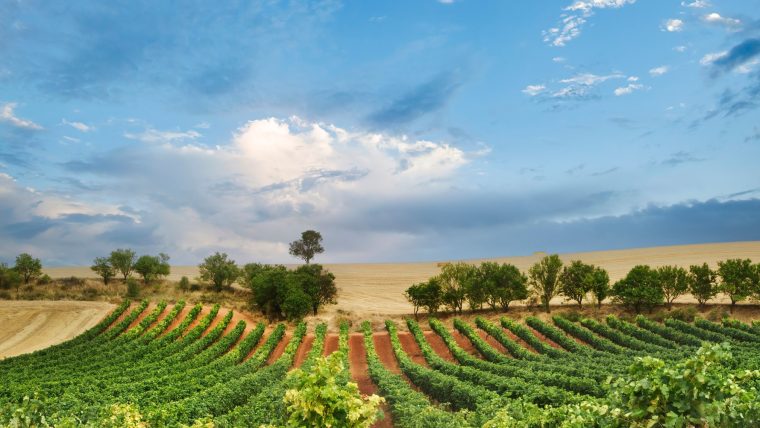
Wine regions
Best Wine Regions in Spain
Compare Spain’s leading wine regions by signature grapes, scenery, best base, travel time, and ideal stay.
Explore regions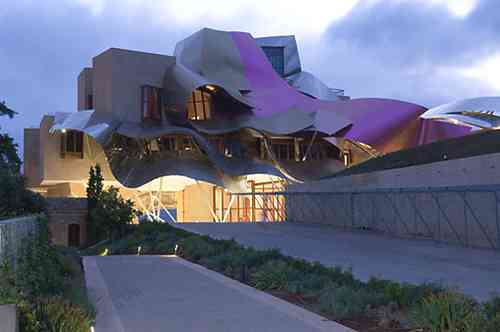
Article
Best Winery Hotels in Spain
Experience Spain's Top Winery Hotels. Luxury stays amidst vineyards, breathtaking views, and unforgettable wine experiences. Plan your trip!
Read article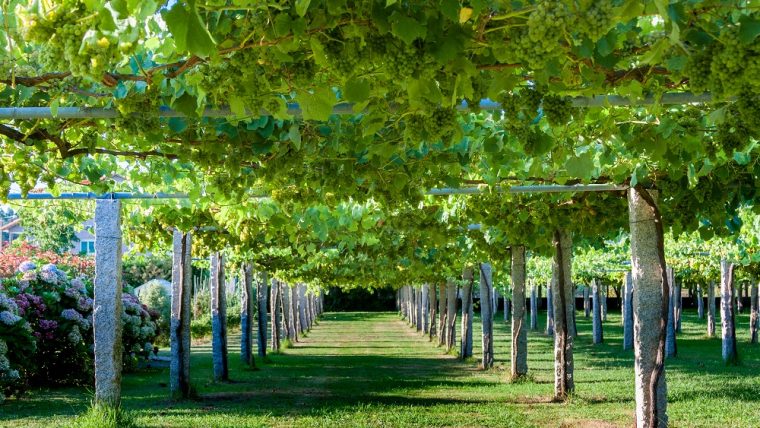
Article
Albariño Grape Variety: Thrust into the Spotlight
The dominant grape of Rías Baixas, particularly in Val do Salnés. Its naturally high acidity and pronounced aromatics underpin the region's fresh, Atlantic white…
Read articleAuthor