
Cigales Wine Region Guide
Traditional Clarete and Serious Tempranillo Reds
Introduction
If location is everything, Cigales should be worth a fortune. This small yet achingly trendy DO (appellation) is situated northwest of Ribera del Duero; the white wine powerhouse called Rueda is found to the southwest. Indeed, Cigales is surrounded by some of Spain’s most famous vineyards and iconic bodegas. The potential to make exceptional – and age-worthy – wine in this corner of Castilla y Leon is considerable.
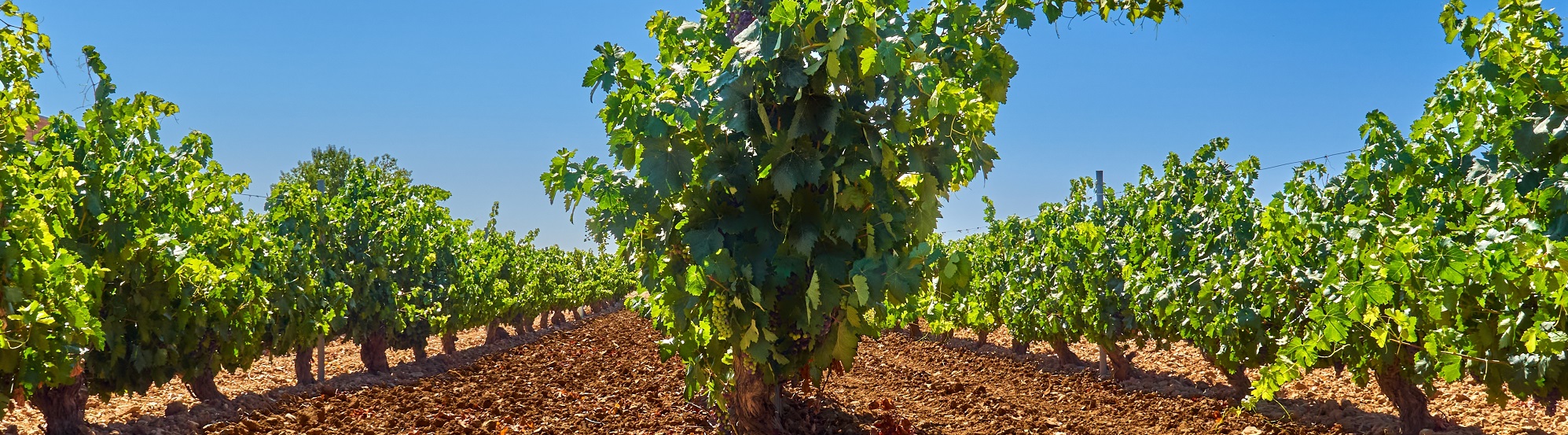
Fortunately, it is an opportunity that has not been squandered. After a relatively humble start, Cigales is riding high on significant investment and growing international recognition. The net result is a growing collection of excellent and good-value reds brimming with concentration and extract. Cigales has superb terroir like all great regions: rocky soils, old bush vines, and high-altitude sites. Yet the raw talent emanating from these modern cellars is equally impressive.
Discover more about Spanish Wine
History
Castilla y Leon offers a window into Spain’s complex and turbulent past. Yet the vineyards of Cigales have their own story. Winegrowing began here by the 10th century, and monasteries later played an important role in cultivating vines and producing wine.
By the 16th century, Cigales was already famous for its claretes. In 1592, a chronicler accompanying Philip II praised the local wines, while the arrival of the royal court in nearby Valladolid under Philip III (1601–1606) provided another ready market. For centuries, much of the wine was produced in underground bodegas, where grapes were pressed and the resulting wines stored in the cool cellars beneath the villages.
Cigales’ next life-changing moment occurred in the late 1800s. During this period, imported American vines had brought an agricultural pest known as phylloxera to Europe; the louse’s deadly bite killed millions of vines across Western Europe. Many French vineyards, including those in Bordeaux, were devastated. As a result, merchants came to Cigales and other regions like Rioja to purchase large quantities of wine to make up for the shortfall. Some of it traveled all the way to Bordeaux via the port of Pasajes. The pest eventually reached Cigales itself, although its impact was less severe than in many other European vineyards.
Nevertheless, the economic hardships of the 20th century did Cigales no favors. Many vineyards were abandoned in the mid-1900s as farmers emigrated in search of a better life. The appellation gained DO recognition in 1991. The story of its revival, though, is a familiar tale: outside investors helped to turn things around in the early 21st century, drawing others into the fold. Today, the traditional claretes remain an important part of Cigales’ identity, but its increasingly accomplished reds are attracting serious attention. A real competitor to Toro is on the cards.
Geography and terroir
Cigales enjoys a lofty position in the expansive Duero valley of Castilla y Leon, flanked by the Pisuerga tributary. It is also blessed with abundant ancient Tempranillo vines and clay-loam soils that retain moisture during the summer. This is an essential advantage in Cigales’s dry and harsh climate, where summer temperatures can approach 104 degrees Fahrenheit (40°C) in July and August. As a result, ripeness is rarely an issue in the vineyards of northwestern Spain; drought and frost are the chief enemies here.
Elevation and Temperature
However, the vineyards of Cigales enjoy elevations of roughly 650 to 800 meters above sea level. The difference between warm days and cooler nights helps preserve acidity, giving the wines their surprising freshness and structure.
Yet the harvest date is crucial in Cigales: overripeness is a major risk in this sweltering heat. Achieving that delicate balance between phenolic ripeness and freshness is one of the great challenges of wine growing in Spain’s meseta. In particularly hot vintages, picking can begin in late August, especially for grapes destined for white and rosé wines.
Planning a Wine Trip to Cigales
In Cigales, you can go from traditional underground bodegas to modern estates in a day, though there is little sense in rushing. Valladolid is the obvious base, with the vineyards only a short drive to the north. Two winery appointments and a proper lunch are ample; any more risks turning a pleasurable excursion into an endurance test. Cellar Tours can arrange the visits and a private driver, leaving everyone free to sample Cigales’ claretes and increasingly persuasive reds.
Planning resources
Winemaking and regional classifications
“Seductive” is the best word to describe the potent and beguiling red wines of Cigales. This relatively young DO (founded in 1991) is making a name for itself in Spanish restaurant circles; top labels offer the concentration and finesse of blue chip Ribera del Duero without the price tag. This is due to an advantageous combination of excellent terroir, old bush vines, and superior winemaking.
Local producers tend to place Tempranillo at the heart of the matter, sometimes with a smaller percentage of Garnacha Tinta in the blend.
In addition, international grape varieties such as Cabernet Sauvignon and Merlot have made inroads in recent years, although they seldom dominate any red blend in Cigales.
Cigales’ Wine Classification System
Mirroring the Rioja and Ribera del Duero framework, wines are classified into four principal categories: Joven, Crianza, Reserva, and Gran Reserva. Reservas and (very rare) Gran Reservas are the most extensively aged wines, although quality is by no means confined to these categories. The best wines have an astonishing force of personality, with a ripe bouquet showcasing notes of blackberries, garrigue, cigar box, and leather. They reach an apogee when served with roast-sucking pig on a chilly fall evening.
The Versatility of Cigales
But Cigales does not limit itself to dramatic reds. On the contrary, the region has long been celebrated for its claretes and rosados, wines that showcase beautiful fruit and aromatics. Traditionally, Cigales rosados were made by fermenting a mixture of red and white grapes, a practice that remains an important part of the appellation’s identity.
A small volume of white wine is also made in Cigales, incorporating varieties such as Verdejo, Albillo and Sauvignon Blanc. The occasional sparkling and sweet wine also makes an appearance. Nevertheless, the reds and rosados remain Cigales’ principal attractions.
Facts & Figures
-
Key wine styles
- Traditional clarete and rosado, Tempranillo-based reds, small volumes of white wine
-
Appellation structure
- Cigales DO
-
Hectares under vine (2026)
1,800
-
2025 grape harvest
- Approximately 7 million kg
-
Registered wineries (August 2026)
29
The lowdown

Old bush vines are among Cigales’ greatest assets. The DO’s published technical specification previously reported that approximately 30 percent of its vineyard area was more than 60 years old.
Moreover, there are some remarkable old parcels in the DO; bush vines can produce the most wonderfully concentrated and powerful wines. It is one of the reasons why investors continue to flock to Cigales in search of the next frontier in Castilla y Leon winemaking.
Baron de Ley’s Impact
Riojan stalwart Barón de Ley was among the first outsiders to be seduced by the potential of Cigales’ soils and position. Their arrival in 1999 caused a stir in this relatively conservative region—the owners built a splendid and ornate winery, Finca Museum, that shook the region out of its inertia.
For much of the 20th century, Cigales’ family-run bodegas concentrated on traditional claretes for the local market. Exports were not a priority for many local producers, who lacked the resources to develop markets abroad.
Global Success
Thankfully, the dense, spicy, and delicious wines of Cigales can now be enjoyed by non-residents and tourists alike, as Finca Museum has made real headway in the US and other key global markets.
Granted, some vinous treasures are worth keeping a secret so that corporate behemoths and mass-market brands don’t muscle in and spoil the party. But these good-value wines deserve to be shared with the world.
Key Grape Varietals
-
White grape
Albillo
Albillo is one of the traditional white grapes of Cigales, valued for the softness and finesse it contributes to rosado blends. View grape -
White grape Garnacha Blanca
An authorised variety in Cigales, Garnacha Blanca can contribute freshness, texture and citrus notes to white wines and rosado blends. -
White grape
Sauvignon Blanc
Sauvignon Blanc is an authorised variety in Cigales, contributing herbaceous and floral aromas to selected whites and rosados. View grape -
White grape
Verdejo
Although best known in neighbouring Rueda, Verdejo also plays an important role in Cigales, contributing freshness and aromatics to whites and traditional rosados. View grape -
White grape
Viura
Viura is one of the traditional white varieties used in Cigales, contributing delicate fruit and softness to white wines and rosado blends. View grape -
Red grape
Cabernet Sauvignon
Cabernet Sauvignon is a permitted variety in Cigales, occasionally used to lend structure and concentration to Tempranillo-based red blends. View grape -
Red grape
Garnacha
Garnacha Tinta has long played an important role in Cigales' traditional claretes and rosados, contributing generous fruit and softness alongside Tempranillo. View grape -
Red grape Garnacha Gris
An unusual but important part of Cigales' vineyard heritage, Garnacha Gris contributes to rosados and is also being explored for distinctive white-style wines. -
Red grape Garnacha Tintorera
A less prominent red variety in Cigales, valued for its deep colour and contribution to structured red blends -
Red grape
Merlot
Merlot has a modest but established presence in Cigales, where it can contribute softness and ripe fruit to red blends. View grape -
Red grape
Syrah
Syrah plays a supporting role in Cigales, contributing spice, colour and structure to selected red wines. View grape -
Red grape
Tinta del Pais (Tempranillo)
Known locally as Tinta del País, Tempranillo dominates Cigales' vineyards and provides the foundation for both its age-worthy reds and traditional rosados View grape
Cigales gastronomy
Food is a veritable obsession in the plains of Castilla Y Leon and with good reason! The landscape promises the finest jamon, roast lamb, and suckling pig in Europe; wood-fired cooking and meat are a real specialty of north-central Spain. However, there is plenty of freshwater fish to whet your appetite and a treasure trove of bite-sized morsels known as tapas. Valladolid is the obvious place to begin, particularly if you enjoy your tapas with a chilled glass of Cigales rosado.
Gastronomy Guide of Castilla y Leon: Read more
Wineries Recommended by Cellar Tours
Explore further
Continue Exploring Spain
Discover private journeys, the complete wine region guide, and expert stories from across Spain.
 19 tours
Country tours
Private Wine Tours in Spain
Luxury Food & Wine Journeys Across Spain’s Finest Regions
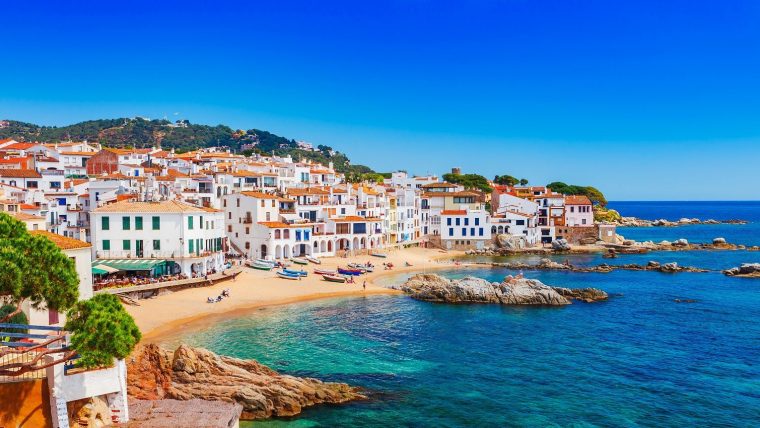 9 days
Private tour
Private Food & Wine Tour in Catalonia
Penedès and Priorat wineries, Costa Brava villages and destination dining on a private nine-day journey through Catalonia.
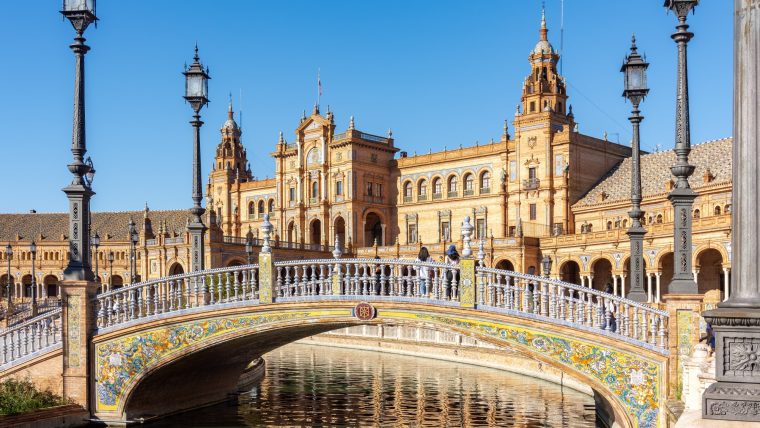 3 days
Private tour
Private Food & Wine Tour in Seville
Three days of Seville culture, tapas and Andalusian dining, with a private day trip to Jerez.
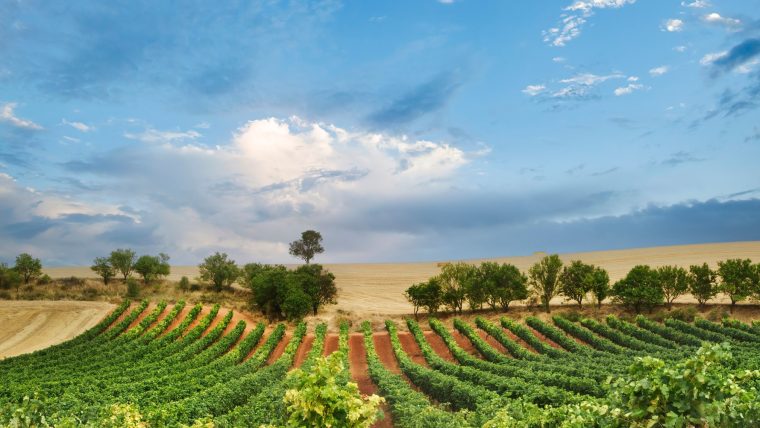
Wine regions
Best Wine Regions in Spain
Compare Spain’s leading wine regions by signature grapes, scenery, best base, travel time, and ideal stay.
Explore regions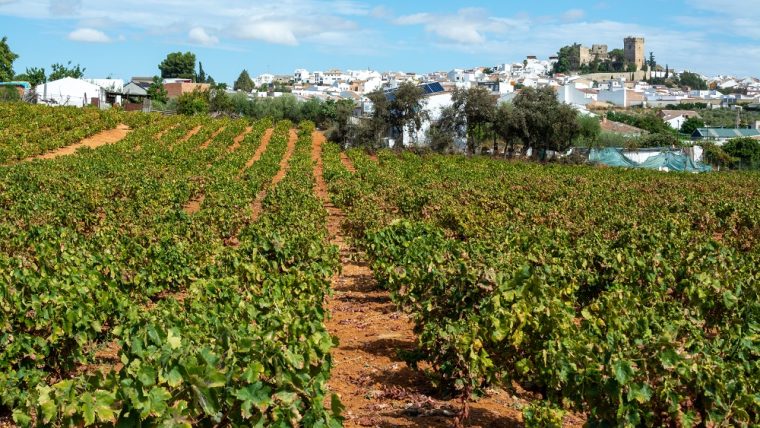
Article
Pedro Ximénez Grape Variety: A Sweet Embrace
Indulge in the Sweetness of Pedro Ximénez: A Resplendent Grape for Andalusia's Montilla-Moriles. Experience the Richness of Sweet Sherries & Fortified Wines.
Read article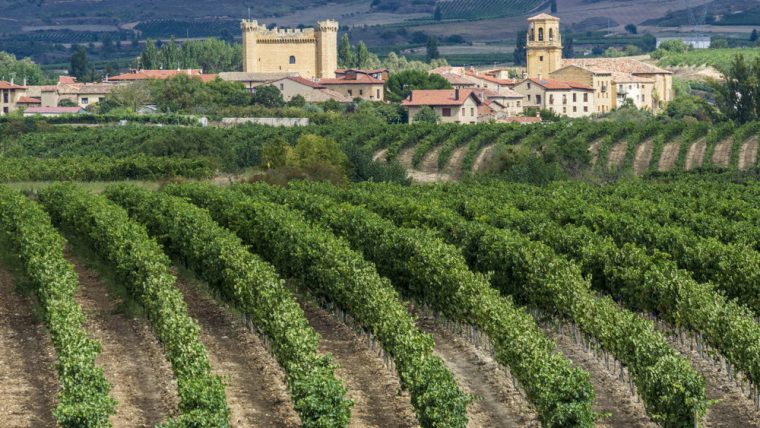
Article
10 of the Best Wineries to Visit in Spain
Discover 10 of the best wineries to visit in Spain, from Rioja and Ribera del Duero to Penedès, Priorat and Jerez, with standout wines…
Read articleAuthor