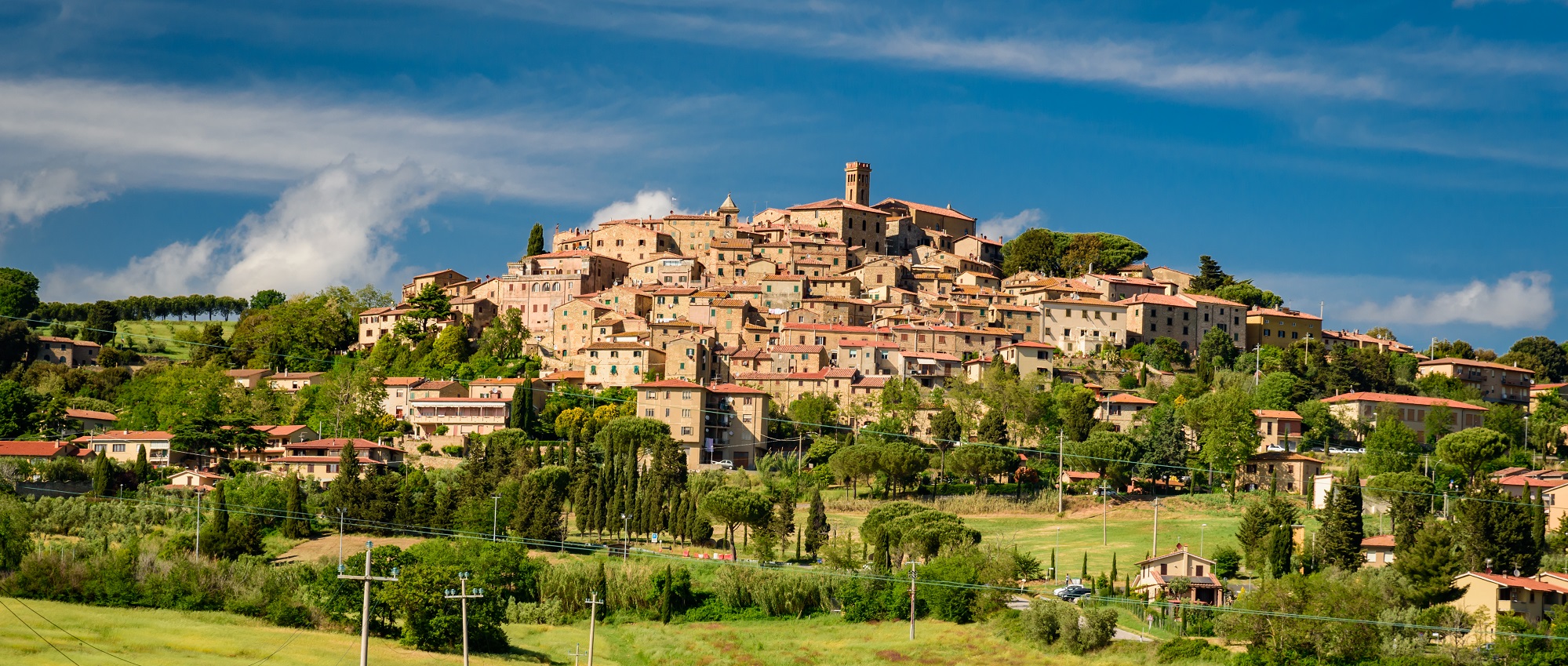
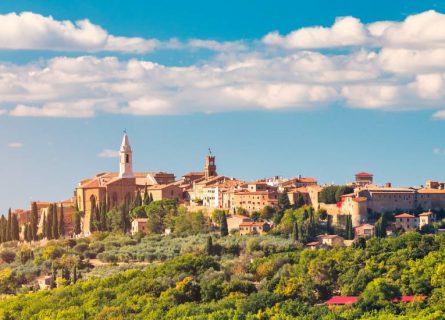
In Bolgheri, we work with Sassicaia – through their UK agent – and directly with Ornellaia and have followed both estates for 25 years or so, with strong sales across their ranges both to private clients and through our shops. Both estates produce wines that are deservedly global icons, although they are sadly no longer the bargain they were 20 years ago!
The best wines from the region have a ripeness and suppleness to them whilst maintaining freshness and elegance, and they have a proven track record for age-worthiness; however, I have also tasted many that are over-ripe and carrying too much oak, both of which have thankfully fallen from fashion in our market. The region does not really have a homogeneous style, and most are not as distinctly ‘Italian’ as other reds from the country. Some wines – notably Sassicaia – taste very Bordeaux-esque, even in their youth, whilst others, such as Ornellaia, are more opulent and lean more toward Napa. Wines that have included Sangiovese have a different edge to them and are more obviously Italian. Moreover, Ornellaia has shown how good white wine from here can be, even if currently it is not as well known. It’s a fascinating and complex part of the world.
Bolgheri Wine Region Guide
Introduction
Tuscany’s western coastline, running from Livorno to as far south as the Argentario Peninsula, is an anomalous part of central Italy’s wine landscape. Unlike Chianti Classico and Montalcino, these rocky hills have no long-standing tradition of viticulture; cultivators did not plant the first vines until the 20th century, and authorities did not award Bolgheri a standalone appellation until 1994. One Marchese Mario Incisa della Rocchetta lit the flame in the 1940s after he planted some Cabernet Sauvignon and Cabernet Franc on his wife’s San Guido estate in Bolgheri. Encouraged by his nephews Piero and Lodovico Antinori, Rochetta started to market Sassicaia in the late 1960s. However, the watershed moment was a Decanter blind tasting in 1978: Sassicia outperformed several First-Growths, much to the surprise of the assembled panel.
Suddenly, the global wine trade began to notice Bolgheri and its exceptional soils, located northwest of Grosseto, close to the Tyrrhenian Sea. Thanks to decades of investment and a rash of critical and consumer adulation, it has become one of Tuscany’s most important fine wine regions.
History
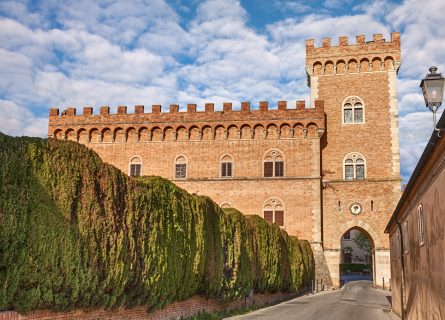
Although the commune of Bolgheri (or Bolgheri e Casraneto Carducci, to use its full moniker) has a relatively short history of wine production, Tuscany has played a central role in Italian affairs for centuries. The Etruscans settled the hills and plains of central Italy in the pre-Roman era, a culture responsible for propagating the vine in Chianti Classico and the surrounding areas between Florence and Siena.
Challenges of Viticulture in Coastal Tuscany
Yet the long stretch of coastline between Livorno and Grosseto, isolated and remote, was out of bounds for viticulture: known as the “breadbasket of Etruria,” Bolgheri was a mosquito-infested swampland during this time. Its fame chiefly derived from the preponderance of malaria – hardly a ringing endorsement. Thus, Bolgheri remained a poor and unremarkable corner of western Tuscany for almost 1600 years after the Western Roman Empire collapsed in AD 476. The subsequent power struggles, wars of the Holy Roman Empire, and rise of the Florentine Medici dynasty were of little consequence to Bolgheri’s tiny population of farmers and sheep herders.
However, one man decided to unlock the area’s potential in the 19th century. Leopold II, born in Florence, was the last grand duke of Tuscany and a brilliant visionary. He hired a local farmer, Giuseppe Mazzanti, who, alongside a team of laborers and engineers (numbering many thousands), set to work on building a new drainage canal in the heartland of western Tuscany. Called the Seggio Nuovo, this marvelous feat of civil engineering drained the erstwhile boggy marshland of the Maremma, freeing up its potential for wine growing.
Yet the first indications of Bolgheri’s potential took many more decades to surface. Indeed, Marchese Mario Incisa della Rocchetta planted his small plot of vineyards for his amusement. According to his daughter, Priscilla Incisa della Rocchetta, the Marchese never imagined he would sell Sassicia on the open market. It remained a family secret in the 1950s and 1960s until some arm-twisting from close relatives saw the 1968 vintage released to the world. And the world loved it: hype soon started to build as critics raved about these pungent, concentrated, and highly complex expressions of the Cabernet Sauvignon grape, redolent with the scent of garrigue and pine. For this, we should give due recognition to the late winemaker Giacomo Tachis, a man credited with transforming the winemaking – and vineyard management – at Sassicaia; Tachis introduced high-density, low-yielding vine plantings, longer extractions, and maturation in French oak.
Growing Wine Fame and Competition
Of course, Sassicaia is no longer the only superstar property in Bolgheri—even if it does boast its own appellation! Ornellaia, founded by Lodovico Antinori, continues to make waves in the auction circuit, as do Gaudo al Tasso, Ca’ Marcanda (set up by Angelo Gaja), and other boutique wineries owned by investors ranging from Tuscans to Californians. It’s getting pretty crowded out there.
Geography and terroir
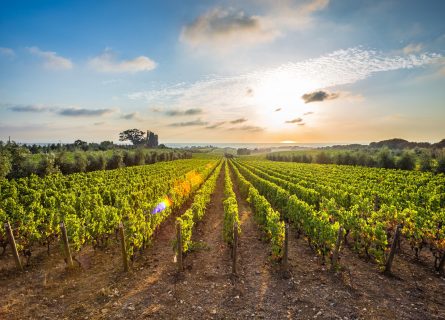
Although Bolgheri’s landscape is every bit as enchanting as the rolling hills of Chianti Classico, much of the region feels totally unspoiled and timeless; the tourist hordes have not yet discovered the Tyrrhenian coastline and its numerous attractions. Thus, local winegrowers can tend to their vines in relative peace, albeit jet-setting oenophiles are increasingly drawn to Bolgheri’s cute little town and the Enoteca de Centro.
Bolgheri is located south of Livorno city, bordered by Suvereto to the southeast (another up-and-coming appellation) and Val di Cornia to the south. Today, approximately 1110 hectares are under vine—sea-facing vineyards spread out in all directions from Bolgheri’s center, sloping westward toward the Tyrrhenian Sea. It is a spectacular and utterly idyllic place to make wine, drawing in investors from across the globe.
Axel Heinz’s Insights on Bolgheri’s Terroir
Indeed, no man understands Bolgheri’s potential more than Axel Heinz: Ornellaia’s erstwhile winemaker and director has since relocated to Chateau Lascombes in Margaux. Nonetheless, Heinz spent over 17 years studying the ancient marine soils of Bolgheri, which are often favorably compared to Bordeaux. There is a great deal of clay-limestone and gravel (much like the Medoc), and while the finest sites tend to be planted on deep bands of clay, the soil’s porous structure provides vital reserves of moisture during the summer months.
“Our terroir is quite amazing,” said Heinz during an interview in 2016. “The vineyard’s proximity to the Tyrrhenian sea has a massive impact on the microclimate, moderating temperatures significantly during the summer months, especially in the evenings. It creates a hybrid maritime-Mediterranean climate, aided by the altitude of our vines, spread out on rocky hill sides.” Meanwhile, the sea plays an important role in reflecting sunlight back into the vineyards – Heinz believed this is why Bolgheri produces such dense and lush expressions of the Cabernet Sauvignon grape.
Yet recent vintages have been challenging: sweltering heat and prolonged drought in 2022 necessitated irrigation, a measure of last resort that many winegrowers are reluctant to embrace. At the time, Francesco Mazzei, president of the Maremma consortium, admitted that “drip irrigation was a crucial element in minimizing plant stress, in July and August – those who had access to it – used it every day.” Therefore, maintaining freshness and acidity in the wines is likely to remain a real challenge in this corner of western Tuscany. Fortunately, some very talented winemakers in Bolgheri understand how to mitigate the intense heat that is increasingly becoming a fact of life in Western Europe. Efficient canopy management (emphasizing protecting the grapes from sunlight as much as possible), maintaining organic nutrients in the soil, and coating the leaves with kaolin ( white rock powder) are all effective countermeasures.
Winemaking and regional classifications
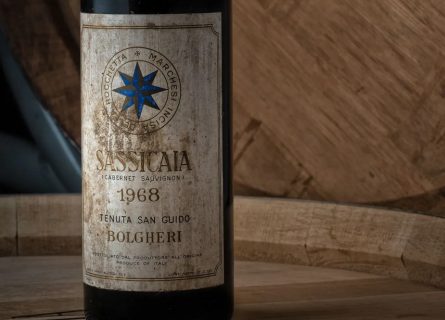
Every collector worth their salt is familiar with the blue-chip wines of Bolgheri: Masseto, Ornellaia, Sassicaia, and Gaudo al Tasso, to name a select few. But, while the winemaking philosophies at estates like Sassicaia and Ornellaia differ significantly, their shared love for Bordeaux varieties, particularly Cabernet Sauvignon, Cabernet Franc, and Merlot, links this pantheon of great estates. They are typically blended (Masseto is a notable exception: 100% Merlot a la Petrus) to produce red wines of incredible depth and concentration, renowned for their silky tannins and opulent fruit. They are among the finest – and most expensive – labels being made in Italy today.
Yet Bolgheri is far more diverse than it is generally given credit for. For decades, the authorities refused to recognize these heterodox wines made in western Tuscany officially. So they were sold as mere Vino da Tavola, upgraded to Indicazione Geografica Tipica (IGT) Toscana in 1992. The upside, however, of this bureaucratic rejection was the freedom to experiment with hitherto unseen grape varieties, including (but not limited to) red and white Bordeaux grapes, Syrah, Petit Manseng, Marsannne, and Vermentino. Even today, some winemakers prefer to label their wines IGT Toscana, taking advantage of the flexibility and liberalism that defines this very progressive designation.
Bolgheri DOC and Varietal Flexibility
Nevertheless, Bolgheri DOC is an important part of the local landscape, introduced in 1994 after much campaigning and lobbying from the area’s leading producers. According to the framework, a Bolgheri Rosso, Rosso Superiore, or Rosé can be a mono-varietal style (Cabernet Sauvignon, Merlot, or Cabernet Franc) or a blend containing any percentages of this noble trio of red grapes. In addition, Syrah and/or Sangiovese can make up to 50 percent of the final blend; Petit Verdot can constitute no more than 30%. During his tenure at Ornellaia, Axel Heinz was a cautious advocate of this superlative (if capricious) variety, observing that “Petit Verdot is like adding seasoning to food; it can either improve it or ruin it if you add too much.” But there is no doubt that a dash of ripe Petit Verdot can add welcome structure, spice, and aromatics to the blend.
Of course, opinions on Petit Verdot and anything else you could mention vary from property to property in Bolgheri. Some estates favor a long extraction and aging in new French barrique, while others prefer a gentler approach, maturing their wines in used wood, amphorae, or concrete. As a general rule, however, winemakers age most of the deluxe Bordeaux blends in French oak — Sassicaia, for example, prefers a long aging period of 24 months in about 45% new wood.
Meanwhile, winemakers fermented Ornellaia’s Grand Vin in a mixture of stainless steel and concrete tanks at relatively low temperatures (86°F) in 2021, then aged it in 70% new wood for 18 months. They aged it for an additional 12 months before its release. Critics generally describe Sassicaia as a wine that resembles Margaux in its hauntingly beautiful perfume and fine structure. At the same time, critics consider Ornellaia a more opulent, exotic expression of the soils and climate of western Tuscany.
Emerging Trends in White Wine Production
However, red wines do not hold a monopoly in Bolgheri: winemakers also produce a growing volume of excellent white wine here. Again, the exact composition of the blend will vary; the 2019 vintage of Ornellaia Bianco was a funky mixture of 81% Sauvignon Blanc and 19% Viognier, aged in new French oak for approximately 12 months. My tasting notes read: “The wine is supremely elegant and already quite complex, with notes of wood smoke, citrus, gooseberry, and guava on the silky palate. Impeccably balanced and fresh, this can only get better.” Yet earlier vintages also contained a dollop of Petit Manseng, used to add texture and spice. However, other growers allow Vermentino and/or Trebbiano to dominate, producing a fresh and fruity style. But, they can scarcely hold a candle to the best whites of Ornellaia and Ca’ Marcanda with their silky textures, great complexity, and invigorating freshness.
Facts & Figures
-
Key wine styles
- Full-bodied reds
- a growing volume of dry whites
-
Appellation structure
- IGT Toscana/ Bolgheri DOC
-
Hectares under vine
1,110
-
Average annual production
7 million per annum
-
Approximate number of producers
65
Exclusive Expert Insights
2 expertsOur wine list at Castello di Casole is mainly focused on the Tuscan region, as we want to offer guests the unparalleled sense of place that these wines offer. Bolgheri is one of the most important and popular appellations within our region and is the birthplace of beautiful wines that made the area renowned worldwide, such as Sassicaia, Ornellaia, Masseto, and Guado al Tasso.
With the breathtaking long road that runs through Castagneto Carducci, the famous Viale dei Cipressi, the Bolgheri region is a little jewel next to the sea. Surrounded by mineral-rich alluvial soil, nearby forests, and a Mediterranean breeze, the Bolgheri appellation is ideal for producing red wines from Bordeaux grape varieties. The consistent quality and performance are what make Bolgheri wines so popular.
Produced in small quantities, the price for Bolgheri wines is usually quite high, and that is particularly true for old, rare vintages, but that usually is not an issue for a guest who wants to enjoy the very best expression of the region.
Imagine the refreshing, crispy, and fruity notes of Bolgheri Bianco, typically made from Vermentino, Sauvignon Blanc, and sometimes a hint of Viognier. These white wines vary from light to medium body, offering a more structured and fuller experience when barrel matured. On the other hand, Bolgheri red wines are a sensory delight, with rich and powerful profiles and sweet and ripe aromas of both red and black fruits, often accompanied by tertiary aromas and flavors from their aging over time.
Key Grape Varietals
-
White grape
Sauvignon Blanc
The sauvignon blanc grape varietal, originally from the Bordeaux region of France, is now one of the world's most loved white varieties. View grape -
White grape
Rolle (Vermentino)
Explore the Renaissance of Sardinian Vermentino: From Forgotten Grape to Crisp Elegance. Discover Now! View grape -
White grape
Trebbiano
Experience Trebbiano Toscano's Renaissance: Aromatic & Fresh Bianco Toscana IGT from Petrolo. The Future of Italian White Wine View grape -
Red grape
Cabernet Sauvignon
Learn what Cabernet Sauvignon tastes like, where it grows best, why it matters in Bordeaux, and how to pair and serve this age-worthy red grape. View grape -
Red grape
Cabernet Franc
Cabernet Franc is particularly important on Bordeaux’s Right Bank, bringing perfume, freshness and structure to Merlot-led blends. View grape -
Red grape
Merlot
Merlot is the most cultivated grape in Bordeaux and closely related to Cabernet Franc View grape -
Red grape
Petit Verdot
Petit Verdot is a full-bodied red wine grape varietal used in classic Bordeaux blends and originates in southwestern France View grape -
Red grape
Sangiovese
Unearthing Sangiovese: Italy's Ancient Grape with a Complex History. Explore its journey from Etruscans to modern-day excellence. View grape -
Red grape
Syrah
Discover Syrah, from Northern Rhône classics to Shiraz, with flavor profile, regions, aging potential, and food pairings. View grape
Bolgheri gastronomy
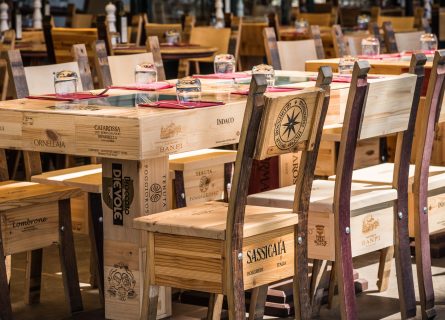
One of the most iconic sights in the region is the spectacular five-kilometer-long cypress avenue that transports visitors to the beating heart of Bolgheri’s old town. There you will discover a series of charming enoteche (wine bars) – a temple of both superlative food and exceptional wine. There is always a surfeit of local vintages to sample, washed down with game – duck, pigeon, and pheasant are local specialties – pasta dishes, bistecca alla Fiorentina, and quality salami and cheese. Many of the best destinations have outdoor terraces: super-romantic al fresco dining on a balmy summer’s evening.
A Guide to the Gastronomy of Tuscany: Read more
Wineries Recommended by Cellar Tours
-
Campo al Faro - Ca' Marcanda Visit website
- Gaudo al Tasso (Antinori) Visit website
- Guado al Melo Visit website
- Masseto Visit website
- Ornellaia Explore Tenuta dell'Ornellaia: Iconic Tuscan wines, superb terroir in Bolgheri, a legacy of quality since 1981. View winery
- Podere Sapaio Visit website
- Tenuta San Guido Visit website
- Tenuta Argentiera Visit website
Explore further
Continue Exploring Italy
Discover private journeys, the complete wine region guide, and expert stories from across Italy.
 46 tours
Private Wine Tours in Italy
Private, Chauffeured Wine Journeys Across Italy’s Finest Regions
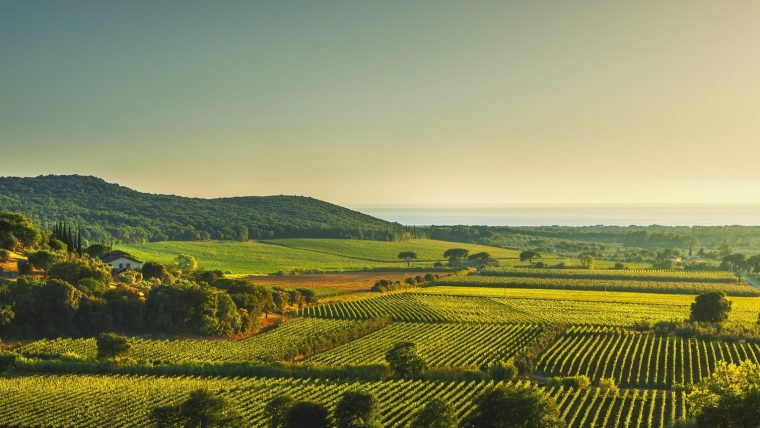 1 day (ideal from Florence)
Private Bolgheri Wine Tour from Florence
Bolgheri, Sassicaia country and the Super Tuscan coast.
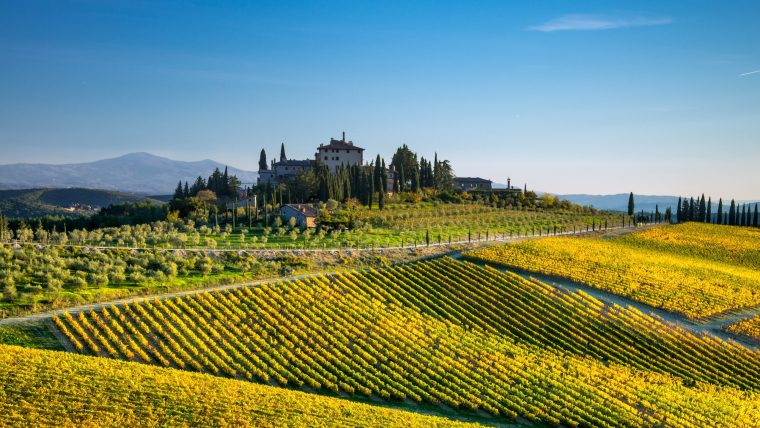 Approximately 8 hours from Florence or Siena
Private Chianti Classico Wine Tour from Florence
Private winery appointments, a leisurely Tuscan lunch and a hill town in the heart of Chianti Classico.
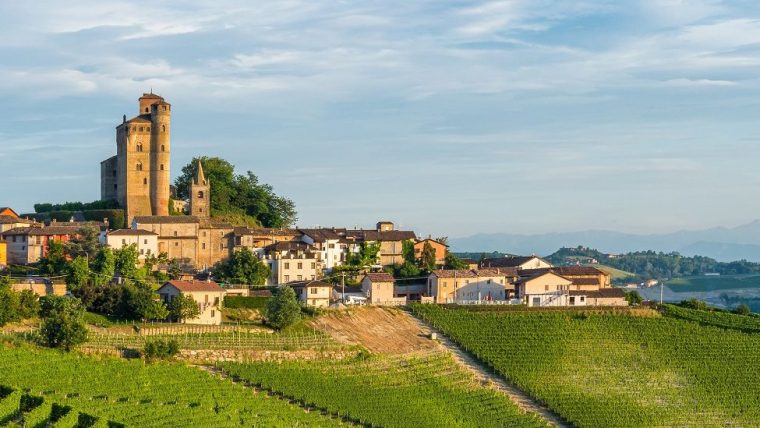
Best Wine Regions in Italy
Compare Italy’s leading wine regions by signature wines, scenery, best base, travel time and ideal stay
Explore regions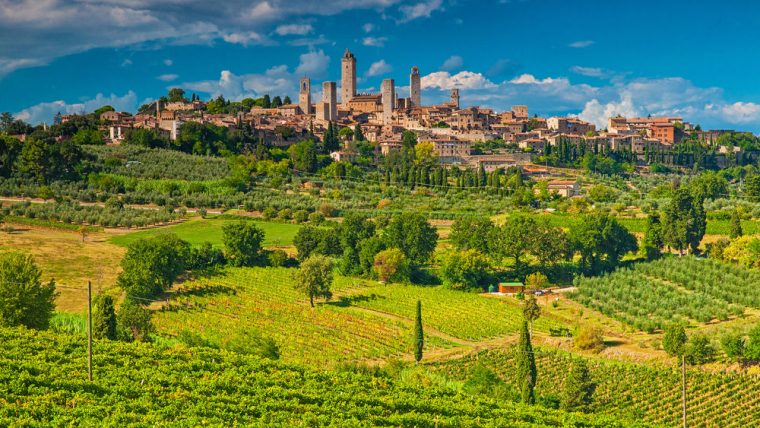
10 Exceptional Tuscan Wineries to Visit
Discover 10 exceptional Tuscan wineries to visit, from Chianti Classico and Brunello estates to Montepulciano, with tasting highlights and the best bases.
Read article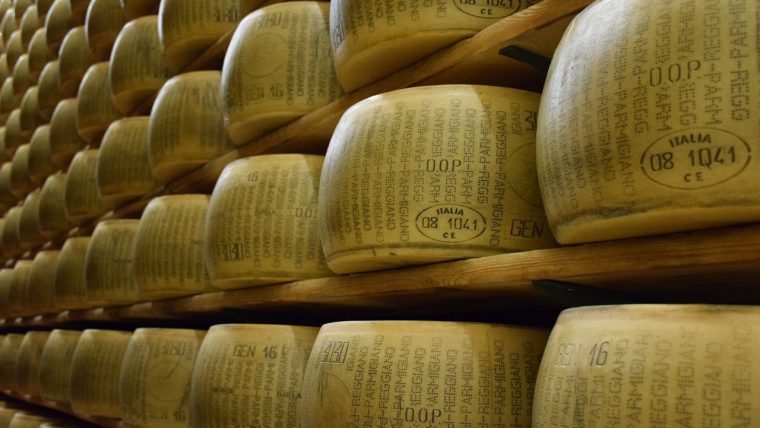
Italian Cheese Guide: Explore Diverse Varieties & Regional Specialties
Discover Italy’s best cheeses, from Parmigiano Reggiano and Mozzarella di Bufala to regional DOP specialties, wine pairings, and cheese terms.
Read articleAuthor