
French Wine Classifications
July 9, 2024
Discover the rich history and traditions that have shaped French wine production, from the creation of regulated appellations to the rise of natural wines.
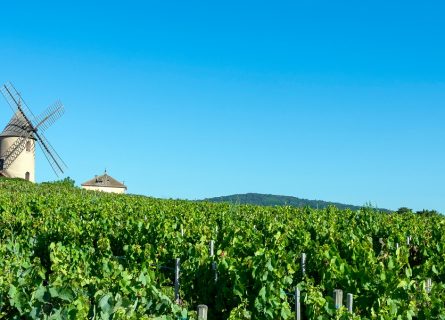
Read articleLong before its purchase by the famous Burgundian merchant house Louis Jadot, this was the Beaujolais region’s leading estate. Above all else, Château de Jacques was renowned for applying a singular, Pinot Noir-like approach to its Gamay grapes, releasing wines of considerable richness and texture unlike any other in the appellation. The arrival of Louis Jadot and master winemaker Guillaume de Castelnau in 1996 only strengthened the estates’ appeal, cementing des Jacques’ position as the finest producer of Beaujolais cru in the entire region.
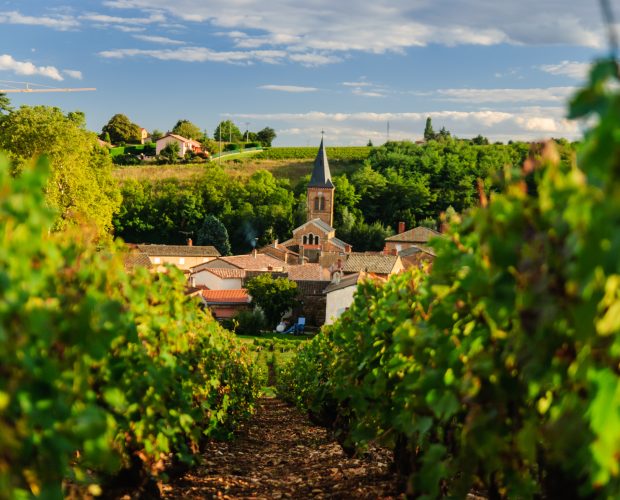
Château de Jacques is a historic and proud property with an established pedigree in quality winemaking. The cellars were constructed at the end of the 16th century, although the present Château was not built until the mid-1800s. At the time, many wealthy landowners from Paris and Lyon were investing in great Château in the Beaujolais region, building stately mansions that served as both the wineries’ headquarters and often as their summer homes. However, over time the Château’s reputation declined in line with the reputation of Beaujolais overall, not helped by the Beaujolais Nouveau craze! It was still regarded as the top producer of Beaujolais, but its status in the fine wine world had undeniably diminished.
At the end of the 20th century, its major renaissance occurred when Louis Jadot purchased the estate and installed Guillaume de Castelnau – a retired Cavalry Major- as the winemaker. Then, Jadot acquired another property, Château Bellevue, in the region of Morgon in 2001, amalgamating both properties under the flagship of Château de Jacques in 2008. But more significant was Castelnau’s arrival, which signaled a new era of prosperity for Château de Jacques; de Castelnau made substantial changes in the estate’s viticultural and winemaking practices. For a start, maceration times during fermentation were extended, as was the use of new French oak. Guillaume also set the property on a course toward bio-dynamic certification, removing chemical fertilizers and herbicides as far as possible, demonstrating a deep respect for the incredibly varied terrain of the Beaujolais region. To this extent, five separate sites have been isolated from the estate’s other Gamay vines (as a result of boasting a superior terroir), and each of these is aged in new oak, bringing the ethos of the Cote d’Or to Beaujolais.
Today, Château de Jacques is a stunningly beautiful property and a shining example of what can be achieved in a once-maligned part of Burgundy. The wines show a previously unseen sumptuous, velvety quality, particularly the Grand Crus, which have the structure to age for decades. They provide an ideal response to naysayers who insist that Gamay cannot compete with the best wines of the Cote d’Or – truly, these are the most magnificent wines made in Beaujolais today.
80 Hectares
30 years+ Low yields
July 9, 2024
Discover the rich history and traditions that have shaped French wine production, from the creation of regulated appellations to the rise of natural wines.
Read article
January 21, 2022
Discover grenache, a mediterranean grape that is dark-skinned red wine grape variety and an unlikely hero of a grape
Read article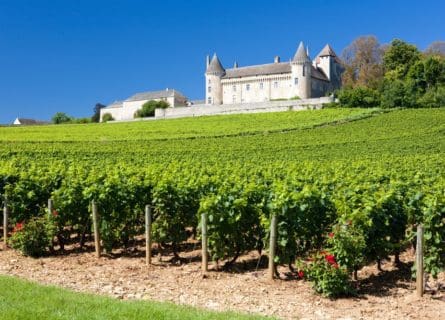
April 18, 2022
Explore the exquisite french red wine regions and discover how they maintain their charm amidst global changes in the wine industry.
Read article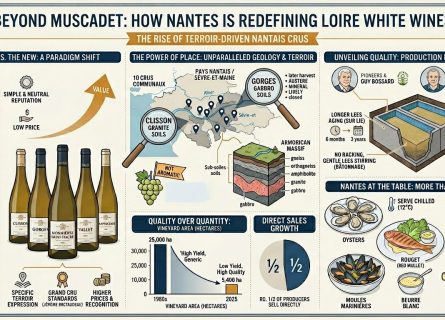
April 5, 2026
Atlantic Cool, Precision Wines: The New Pays Nantais and the Rise of Muscadet Crus
Read article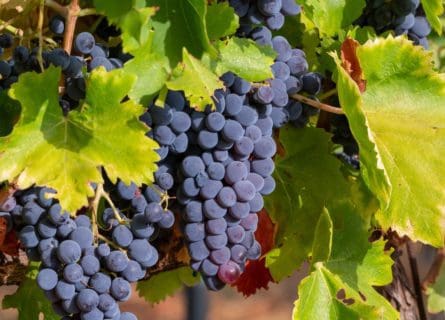
January 28, 2022
Discover Syrah, from Northern Rhône classics to Shiraz, with flavor profile, regions, aging potential, and food pairings.
Read article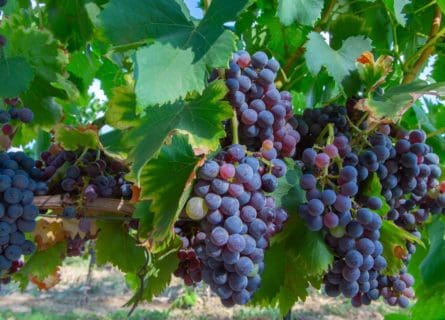
February 7, 2022
Learn about Carignan wine, from old-vine Languedoc and Priorat to its flavor profile, synonyms, food pairings, and best examples.
Read article