Quinta do Noval Winery Guide
Winery Overview
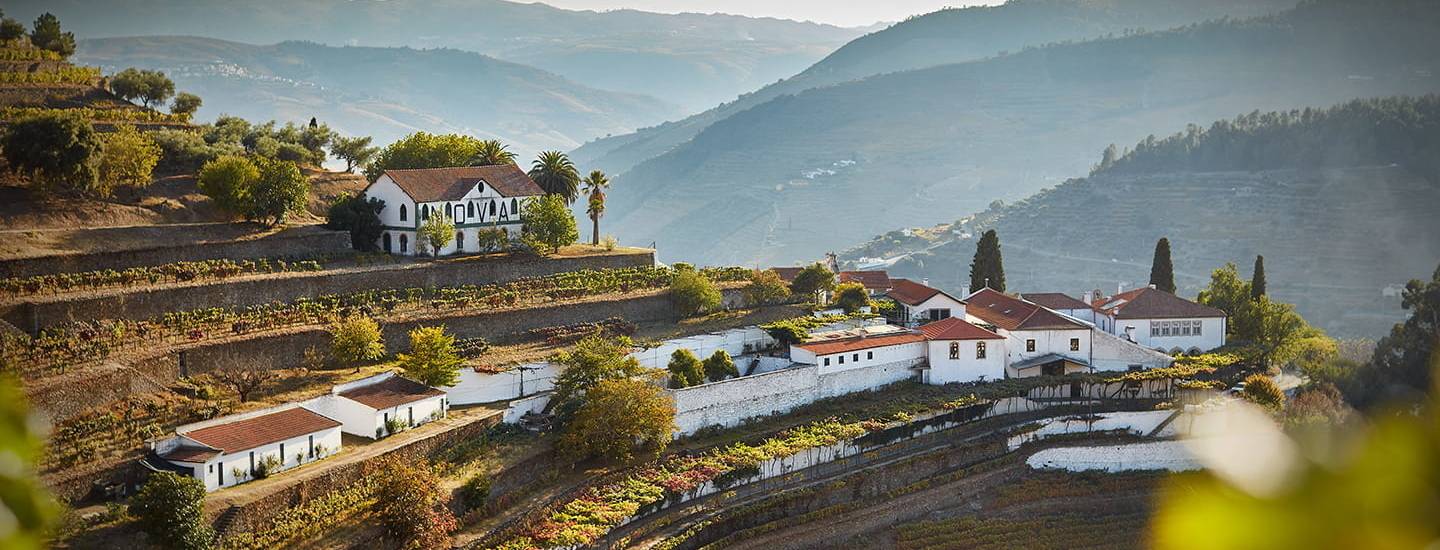
Perched high on the steep terraced slopes northeast of Pinhão, Quinta do Noval is a captivating destination for wine enthusiasts. The breathtaking views of endless vineyards are mesmerizing. As you explore the estate and delve into its rich history, the enchantment captures you. And that’s even before you can taste their legendary wines! The vineyards of Noval have a storied past, originally planted over 300 years ago and later re-established after the devastation caused by phylloxera in the late 1800s. António José da Silva, a distinguished port wine shipper from Vila Nova de Gaia, replanted most of the vineyards and preserved a select few precious vines.
The new owner reserved these vines exclusively for exceptional vintage wines, giving birth to “The Magic of Nacional Vintage.” This extraordinary vintage port wine comes from an untouched plot in the heart of the vineyard, where the grapes grow on ungrafted vines. Quinta do Noval proudly bears the vineyard’s name and is renowned for its flagship wine, Quinta do Noval Nacional Vintage.
Throughout its extensive history, Quinta do Noval has achieved numerous milestones and received well-deserved acclaim. The Vintage Declaration of 1931 was a significant moment, a defining period for the estate. While the world was going through economic challenges and many Port shippers refrained from declaring a vintage that year due to overproduction in the late 1920s, Noval boldly made the declaration. This decision elevated them to the forefront of leading Port houses. As a result, Quinta do Noval Nacional Vintage 1931 has achieved legendary status among wine lovers and experts alike.
Noval is also known for its LBV Ports, a style bottled later than Vintage Port and designed to offer some Vintage Port character with earlier drinkability. LBV Ports spend longer in wood before bottling, making them smoother and more approachable when young, while Vintage Ports are bottled earlier and generally require much longer bottle aging. Presently, Quinta do Noval is part of AXA Millésimes, the international wine group that has owned the estate since 1993. Its portfolio includes renowned estates such as Château Suduiraut, Château Pichon Baron, Château Pibran, Domaine de l’Arlot, Disznókö in Hungary, Outpost and Platt Vineyard in Napa, and Quinta do Noval in the Douro Valley. Noval continues to produce exceptional, dry DOC wines alongside their world-famous Ports. Both styles reflect the unique terroir and remain faithful to the estate’s heritage, showcasing supremely high-quality fruit that eloquently expresses itself in every bottle.
For private clients, Cellar Tours can arrange tailored Douro Valley wine experiences that may include premium Port and DOC Douro tastings, expert local guidance, chauffeured logistics, and carefully selected quinta visits. A private tasting in the Douro can offer a deeper understanding of the region’s great wine traditions, from aged Tawny and LBV Ports to Vintage Port, Nacional, and the increasingly serious dry table wines now produced in the valley.
Wines produced
-
Noval Extra Dry White Port
- Malvasia Fina
- Códega
- Gouveio
- Rabigato
Malvasia Fina, Gouveio, Rabigato, Códega and other traditional Douro white grapes. A dry white Port with a light, fruity style. Excellent as an aperitif or served as a Port tonic. Official Noval notes that these white varieties predominate in the blend. -
Noval Tawny 20 Year Old
- Sousão
- Tinta Roriz (Aragonês)
- Tinto Cão
- Touriga Franca (Touriga Francesa)
- Touriga Nacional
Traditional Douro Port varieties, mainly Touriga Nacional, Touriga Francesa, Tinta Roriz, Tinto Cão and Sousão. A mature Tawny Port aged in wooden casks, showing dried fruit, nuts, caramel notes and elegant balance. -
Noval Tawny 40 Year Old
- Sousão
- Tinta Roriz (Aragonês)
- Tinto Cão
- Touriga Franca (Touriga Francesa)
- Touriga Nacional
Traditional Douro Port varieties, mainly Touriga Nacional, Touriga Francesa, Tinta Roriz, Tinto Cão and Sousão. A deeper, older Tawny style with concentration, walnut and almond notes, long ageing character and freshness. -
Quinta do Noval Vintage Port
- Sousão
- Tinta Roriz (Aragonês)
- Touriga Franca (Touriga Francesa)
- Touriga Nacional
Vintage-dependent blend from classic Douro varieties, often including Touriga Nacional, Touriga Francesa, Sousão, Tinta Roriz and field-blend parcels. Declared only when Noval believes the year meets its standards. Powerful, age-worthy and produced in small quantities from the estate vineyard. -
Quinta do Noval Colheita
- Sousão
- Tinta Roriz (Aragonês)
- Tinto Cão
- Touriga Franca (Touriga Francesa)
- Touriga Nacional
Traditional Douro Port varieties, mainly Touriga Nacional, Touriga Francesa, Tinta Roriz, Tinto Cão and Sousão. A single-vintage Tawny Port aged in cask until the estate decides it is ready for bottling. More distinctive than an age-stated Tawny because it comes from one harvest. -
Quinta do Noval Nacional Vintage Port
- Sousão
- Tinta Roriz (Aragonês)
- Tinto Cão
- Touriga Franca (Touriga Francesa)
- Touriga Nacional
100% field blend from ungrafted vines; includes Touriga Nacional, Touriga Francesa, Tinto Cão, Tinta Roriz, Sousão and other Douro varieties. Noval’s legendary flagship Port, made from the small Nacional parcel of ungrafted vines. Rare, profound and built for very long ageing. -
Quinta do Noval LBV Unfiltered
- Tinta Roriz (Aragonês)
- Tinto Cão
- Touriga Franca (Touriga Francesa)
- Touriga Nacional
Touriga Nacional, Touriga Francesa, Tinta Roriz, Tinto Cão and other estate-grown Douro varieties. An unfiltered Late Bottled Vintage Port made in a Vintage Port style, but aged longer in cask before bottling. Structured, fruit-driven and more approachable young. -
Cedro do Noval Red
- Petit Verdot
- Syrah
- Touriga Franca (Touriga Francesa)
- Touriga Nacional
Touriga Nacional, Touriga Francesa, Syrah, field blend and Petit Verdot. A polished Douro red named after the cedar tree at the estate. It combines Portuguese varieties with Syrah for fruit, spice and accessible structure. -
Quinta do Noval Touriga Nacional
- Touriga Nacional
Touriga Nacional. A varietal Douro red made entirely from Touriga Nacional, selected from the estate vineyard. Concentrated, structured and floral, showing the Douro’s flagship red grape. -
Quinta do Noval Syrah
- Syrah
Syrah. A Douro-grown Syrah that reflects Noval’s terroir more than a typical international Syrah profile. Fresh, spicy and savoury. -
Maria Mansa Red
- Sousão
- Tinta Roriz (Aragonês)
- Tinto Cão
- Touriga Franca (Touriga Francesa)
- Touriga Nacional
Touriga Francesa, Tinta Roriz, Touriga Nacional, Tinto Cão and Sousão. A softer, approachable Douro red with red-fruit character, freshness and gentle tannins. Good for readers who want a more accessible Noval wine. -
Maria Mansa White
- Códega
- Gouveio
- Rabigato
Códega de Larinho, Viosinho, Arinto, Rabigato and Gouveio. A fresh Douro white made from higher-altitude grapes, with citrus, stone-fruit and floral notes. Useful to show that Noval’s range extends beyond Port and red wines.
Winery Contact Details
Quinta do Noval
Quinta do Noval
Vale de Mendiz
5085-110 Pinhão - Portugal
- Email [email protected]
- Tel (+351) 22 3770270
- Fax (+351) 22 3750365
- Website Visit website
Facts & Figures
-
Appellation
- Douro
-
Founded
- first appeared in land registries in 1715
-
Area under Vine
200 hectares, classified letter A.
-
Age of vines
- Average 24 years. With some very old plots
-
Oak barrel origin
- French oak
-
Winemaker
- Technical Director: Carlos Agrellos
- Ports Oenologist: Ausenda Matos
- Douro Wines Oenologist: Adalberto Ferreira.
-
Owner
- AXA Millésimes
-
Grape varietals
- Syrah, Touriga Nacional, Touriga Franca, Tinta Roriz, Sousão, Tinto Cão, Tinta Barroca, Códega, Gouveio, Petit Verdot, Rabigato
Grape Varieties Used by the Winery
-
Red grape
Petit Verdot
Petit Verdot is a full-bodied red wine grape varietal used in classic Bordeaux blends and originates in southwestern France View grape -
Red grape
Sousão
Discover Sezão, the dark-skinned Portuguese grape used in port and table wines, boasting rich flavors and a captivating history. 🍇🍷 View grape -
Red grape
Syrah
Discover Syrah, from Northern Rhône classics to Shiraz, with flavor profile, regions, aging potential, and food pairings. View grape -
Red grape
Tinta Barroca
Tinta Barroca is one of the most common red wine grapes grown primarily in the Douro region in northern Portugal. View grape -
Red grape
Tinta Roriz (Aragonês)
Discover the versatile grape: Spain's Tempranillo, and in Portugal, Aragonês and Tinta Roriz (Douro Valley). Embrace the rich cultural tapestry of this beloved varietal. View grape -
Red grape
Tinto Cão
Uncover Tinta Cão, the treasured Portuguese red wine grape. A vital Port Wine blend, embodying Portugal's winemaking legacy with grace. View grape -
Red grape -
Red grape
Touriga Nacional
Explore Touriga Nacional, Portugal’s flagship red grape, including its role in Port, Douro reds, flavor profile, aging, and food pairings. View grape -
White grape Malvasia Fina
-
White grape Códega
-
White grape
Gouveio
Learn about the unique characteristics of Gouveio, a grape variety used in the production of Port wine. Explore its flavor profile and history in our comprehensive guide. View grape -
White grape
Rabigato
Discover the unique and versatile Rabigato grape, and learn about its history, characteristics, and food pairings. View grape
Further Reading
Rabigato Grape Variety: Rarer Than Rare
February 28, 2023
Discover the unique and versatile Rabigato grape, and learn about its history, characteristics, and food pairings.
Read article
Gouveio Grape Variety: Port’s Surprise
February 20, 2023
Learn about the unique characteristics of Gouveio, a grape variety used in the production of Port wine. Explore its flavor profile and history in our comprehensive guide.
Read article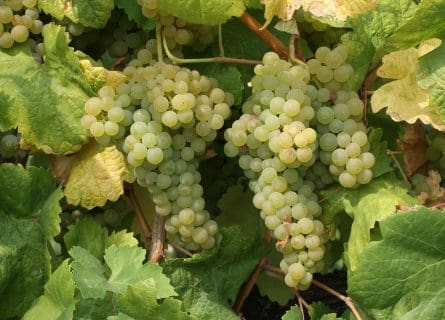
Loureiro Grape Variety
February 23, 2023
Discover the unique characteristics of Loureiro grapes. Learn about their floral aromas, zesty acidity, and the perfect food pairings. Get expert tips on how to enjoy this lesser-known grape variety.
Read article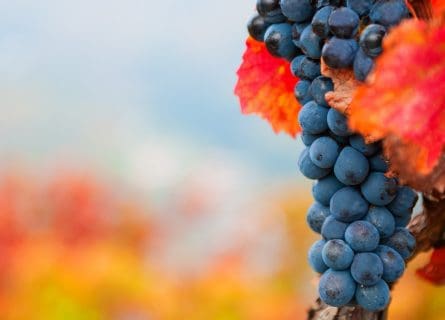
Baga Grape Variety: A Great Revival
May 6, 2022
Baga is a dark-skinned grape varietal grown mainly in the central Portuguese region of Bairrada DOC, producing high acidity tannic wines.
Read article
Guide to Portuguese White Wine
March 15, 2023
🍷 Uncover the rich and diverse world of Portuguese white wine with our comprehensive guide. From grapes to regions, we've got you covered. Cheers! 🥂
Read article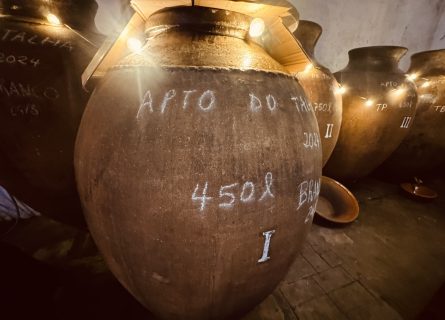
Amphora Wine: Reviving an Ancient Tradition for the Modern Era
December 1, 2024
Discover the ancient tradition of amphora wine production and how winemakers are using clay pots to create unique and concentrated fine wines.
Read articleAuthor