Ribeiro Wine Region Guide
Discover the Essence of Ribeiro: Your Essential Guide to the Wines of this Enchanting Region
Introduction
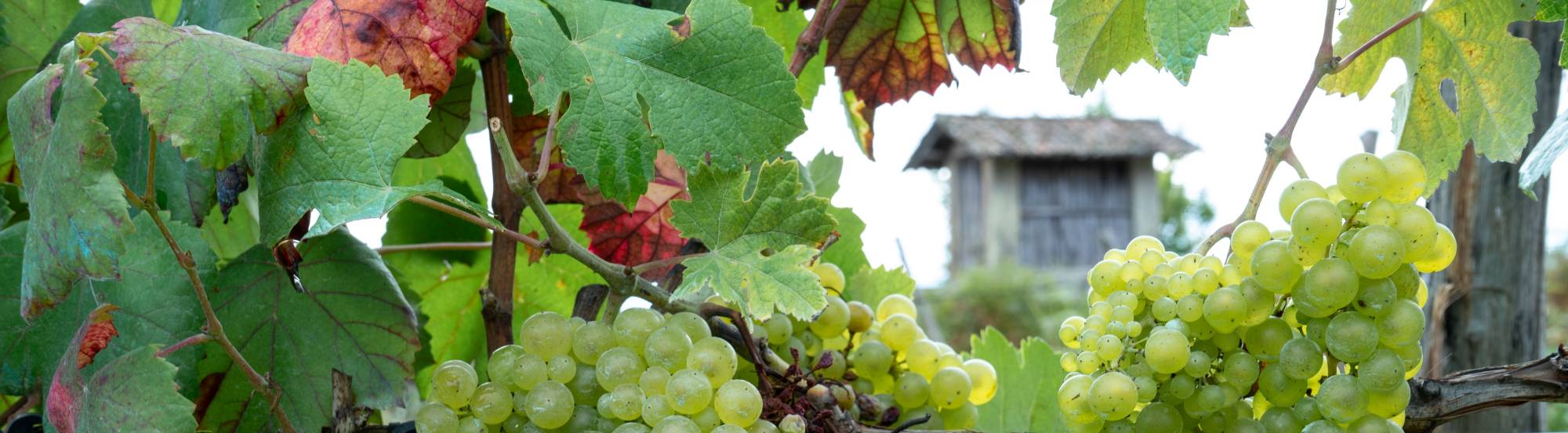
Galicia offers both the expected (think crisp Albariño on tap) and an occasional surprise or two. Ribeiro is a case in point: the wines of this nascent – and spectacular – region have yet to make a real splash abroad. Mostly, they remain an insider secret despite the soaring quality and the limitless potential of Ribeiro’s exceptional soils and position. Today Ribeiro is where you gravitate to after exploring every nook and cranny of Rias Baixas. It offers a riper, more potent expression of Galicia’s signature grape, with some exquisite Mencia and Godello in the bargain.
Discover more about Spanish Wine
History
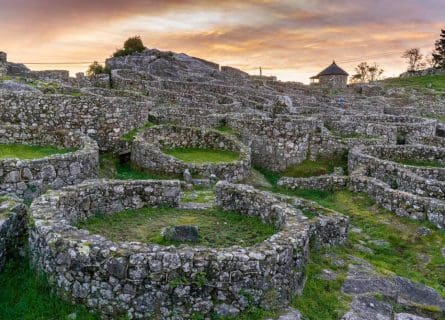
In the 1st century BC, Roman armies conquered the mountainous and verdant terrain of Galicia. After establishing a power base in the Iberian Peninsula, administrators wasted no time developing an extensive wine industry – the grape played a vital role in Roman social and cultural life. This prosperous enterprise endured until the collapse of the Western Empire in 476, an event that had massive repercussions throughout Europe. Several tribes from northern Europe attempted to subjugate Rome’s lost territories, including the Germanic Suebi. They built formidable authority in northwestern Spain, founding the so-called Kingdom of Galicia. Stability reigned under the Suebi’s generally benign and enlightened rule for a time.
The Struggle for Control of the Iberian Peninsula
Yet the Suebi weren’t the only interested party. In a spectacular reversal of fortunes, a deposed Roman emperor hired the Visigoths to perform a ‘clean sweep’ of the Iberian Peninsula, removing interlopers like the Vandals, Franks, and Suebi. The Roman emperor promised the Visigoths land in Languedoc-Roussillon and Provence in return. However, the superior forces of the Frankish troops defeated them at the border, forcing the remaining Visigothic army to flee into Spain. Establishing a capital in the handsome city of Toledo, the Visigoths maintained a precarious rule over their new prize.
Unfortunately, internal strife and widespread famine weakened their power base by the early 8th century. This paved the way for the Moorish invasion of 711, during which Arab and Berber forces overran most of Spain and Portugal. However, they stopped short of conquering Galicia, not least due to the region’s inhospitable climate and terrain.
By the Middle Ages, a Christian-led revolt was in full swing; Galicia was absorbed into the kingdom of Castilla y Leon, and winegrowing returned to the hills of northwestern Spain. Indeed, after the Cistercian monks reinvigorated Spain’s ailing vineyards, Ribeiro became associated with delicious sweet wines – Vinos Tostados – highly regarded across Northern Europe.
In the 1400s, the English Royal Family were imbibing glasses of Ribeiro long before merchants’ colonized’ the Douro Valley in Portugal. Meanwhile, trade with Spain’s colonies in South and Central America generated much wealth for an emerging middle class. But, the monarchy wasted an exorbitant amount of gold on pointless wars with France and the Low Countries.
Thus, the story of the late 19th and 20th centuries is a sad tale of decline. A poisonous louse known as phylloxera was accidentally brought to Europe in the late 1800s after it hitched a ride on vine cuttings imported from the US. Devastating vineyards everywhere it went – and almost everywhere – phylloxera did untold damage to Galicia’s wine industry. That fact, combined with the financial crash and subsequent depression, led to mass emigration and the abandonment of Ribeiro’s vineyards.
In addition, the region’s high-quality grapes were replaced with large swathes of Palomino and Alicante Bouschet – the former produces acidic dross in cool climates. Fortunately, men like Francisco Perez and winemaker José Manuel Martínez turned everything around in the early 2000s, restoring the DO’s reputation as a premier source of fine wine.
Geography and terroir
If you travel up the Minho River from the picturesque vineyards of Rias Baixas, you’ll soon arrive in the heartland of Ribeiro. The area of production centers on a major confluence in the Minho channel, where the Barbatino, Avia, and Arnoia rivers converge near the delightful town of Ribadavia. Densely planted vines carpet both the valley and the steep terraces of the river banks, where south-facing climats (vineyard sites) ripen small berries of wonderfully aromatic fruit.
Terroir and Climate Advantages in Ribeiro
Free-draining gravel dominates the terroir, reflecting sunlight and warmth into the vine canopy—a major advantage in cooler vintages. Nevertheless, Ribeiro can usually rely on over 1900 hours of sunshine per year, partly due to the shelter afforded by the Sierra del Suido. This spectacular mountain range provides a barrier against the deluge of Atlantic storms that frequently batter the coastal regions. The cumulative effect is a relatively warm and dry macroclimate, with diurnal temperature variation helping maintain the wines’ acidity and freshness. All in all, Ribeiro is a very advantageous place to grow vines.
Winemaking and regional classifications
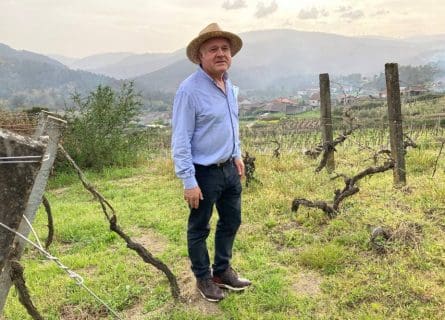
The standard of winemaking in Ribeiro has changed out of all recognition over the past 15 years. In the mid-20th century, Palomino and Alicante Bouschet dominated the landscape in this bucolic paradise, producing wines that could charitably be described as ‘tart.’ Although unsuited to the local terroir, Palomino was championed in the post-phylloxera era as a financially viable, high-yielding variety. But, thanks to the new generation’s passion, Ribeiro is once again planted to high-quality varieties, not least Albariño and Godello.
Yet the esoteric is also gaining ground in this dynamic appellation; a little-known grape called Caíño Blanco was on the verge of extinction in the late 20th century, grubbed up in favor of varieties that were easier to grow. However, winemaker Luis Rodriguez has made it his mission to resurrect the style, using massal selection cuttings to increase the acreage in Ribeiro. Today, Rodriguez produces some of the DO’s finest wines, typically fermented in stainless steel to preserve fruit and freshness above all else.
Small-Scale, Family-Run Estates and Consistent Quality
Like many bodegas in Ribeiro, his winery only exports a relatively small quantity of wine; corporate ownership and monolithic brands are not a feature of life here. This is partly because vineyard ownership is highly parcellated and also due to the predominance of modest, family-run estates. That also explains the incredibly consistent quality across the zone; whether you’re drinking a fragrant Albariño or a funky blend of Caíño Blanco, Torrontes, and Treixadura – it does happen!
A small percentage of red wine is also made here, largely for the Galician market. Nevertheless, Mencia has developed a powerful synergy with the metamorphic soils of Ribeiro, yielding very perfumed, fruit-driven, and floral reds. Today, growers cultivate a smattering of Tempranillo, Caino Tinto, and Garnacha Tinta, producing wines that range from light-bodied to positively voluptuous. Some growers even maintain the tradition of making ‘Vinos Tostados’: dessert wines that use desiccated berries (grapes raisened in the sun) to concentrate the sugars before fermentation. After several years of maturation in wood, they resemble the glorious Vin Doux of Roussillon.
Facts & Figures
-
Key wine styles
- Aromatic dry whites
- light and medium-bodied red wines
- a tiny volume of sweet wine
-
Appellation structure
- Ribeiro DO
-
Hectares under vine
- Approximately 1300 hectares
-
Average annual production
37,000 hectoliters per annum
-
Approximate number of wineries
98
The lowdown
Winemakers do not generally live under the tyranny of fashion. At least, they do not change course every time a new style or grape variety is announced as “the next big thing.” Particularly in appellations with a longstanding history of vine cultivation, growers are reluctant to simply make wines that keep the accountants happy. In this business, tradition means a great deal. The mantra of constant renewal, meanwhile, is viewed with deep suspicion.
Balancing Tradition with Market Trends
However, there is a balance to be struck. In the case of Ribeiro, the pendulum of fashion aligns with the key priorities and traditions of the DO; crisp and fruity Albariño is an easy sell in the restaurants of Madrid, San Sebastian, London, and New York.
And yet, the area’s producers continue to plant more Caíño Blanco, Loureiro, and Treixadura – grape varieties that lack global renown and financial clout. But it matters not to the passionate Gallegos of northwestern Spain. As far as they’re concerned, these indigenous and unique grapes are vital to the region’s cultural identity. In 2023, Ribeiro is in a strong position to cater to a more niche and specialized sector of the wine economy while producing enough crowd-pleasers to keep the purists happy. The bases have been thoroughly covered.
Key Grape Varietals
-
White grape
Albariño
Savor the Essence of Albariño: Northwest Spain's Delightful White Grape for Seafood Pairings. Explore the Lightness and High Acidity of this Galician Gem. View grape -
White grape
Caíño Blanco
Unlock the secrets of Caíño Blanco grape, an intriguing Spanish variety. Delve into its characteristics and origins, and explore the wines it produces. View grape -
White grape -
White grape
Godello
Discover Godello: Galicia's Exquisite White Wine Grape from Valdeorras. Unveiling the Delights of this Northwestern Spanish Varietal. View grape -
White grape
Loureiro
Explore the captivating world of the Loureiro grape. Discover its aromatic charm, origins, and the remarkable wines it produces. View grape -
White grape Torrontes
Discover Torrontés grape: Captivating aromas, unique flavors. Argentina's shining star in wine production is also cultivated in Galicia, Spain. Floral, citrus, and herbal notes create a refreshing, medium-bodied... -
White grape
Treixadura
Discover Treixadura grape: Origins, Flavor Profile, and Exceptional Wines—a must-read for wine enthusiasts seeking new taste sensations. View grape -
Red grape Caino Tinto
Caino Tinto is a red grape variety that is primarily grown in the Galicia region of northwest Spain. It is known for its high acidity and bright fruit... -
Red grape
Garnacha Tinta
Garnacha: Spain's Red Gem. Akin to Pinot Noir, it bridges terroir and winemaking, crafting captivating expressions. View grape -
Red grape
Mencia
Unearth Mencía: Spain's captivating red gem. Original and alluring, it emerges from the shadows, captivating wine enthusiasts worldwide. View grape -
Red grape
Tempranillo
Discover Tempranillo: Spain's iconic red grape. From Ribera del Duero to Toro, it yields concentrated wines. Explore its synonyms and unleash its prowess. View grape
Ribeiro gastronomy
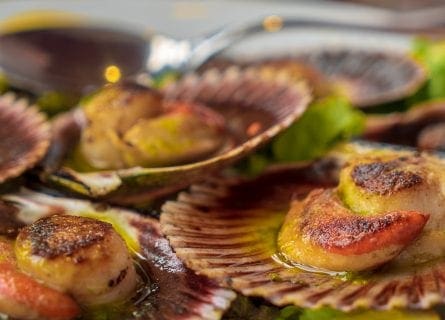
Galicia is no slacker in the gastronomy department. On the contrary, the region is celebrated for its fresh Atlantic seafood, perfectly cooked in the many taverns and restaurants that fill every corner of this verdant landscape. Of course, many visitors prefer to spend their evenings in the cozy familiarity of Galicia’s many tapas bars, where a veritable feast of bite-sized morsels awaits. Order a chilled glass of Albariño and prepare to be dazzled.
Galician Gastronomy Guide: Read more
Wineries Recommended by Cellar Tours
Further Reading
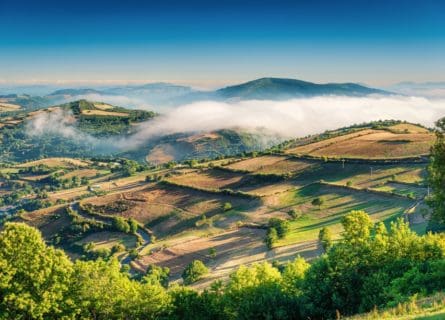
Unveiling the Gastronomic Delights: A Journey into Galician Cuisine and Gastronomy
February 4, 2022
Discover the rich flavors of Galician Gastronomy in our comprehensive guide! Indulge in mouthwatering seafood, savory empanadas, and Galician octopus. 🥟
Read article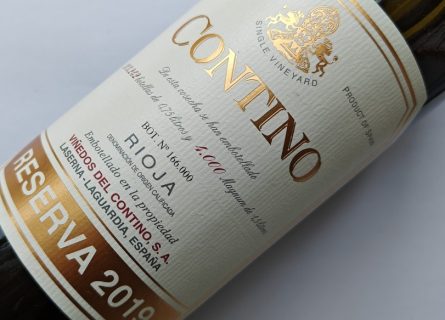
A Complete Guide to Spanish Wine Labels and Essential Terminology Glossary
April 1, 2024
Demystify Spanish wine labels and understand the key terminology. Learn about the diverse wine regions, classifications, and varietals of Spain.
Read article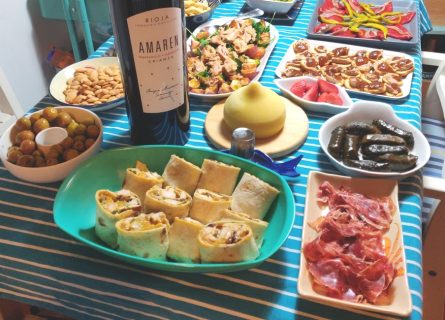
Mastering the Art of Spanish Food and Wine Pairing
August 28, 2024
Explore the diverse flavors of Spanish wines. Learn to master the art of pairing wines like Albariño, Rioja, and Cava with your favorite dishes.
Read article
Discover the Finest Godello and Albariño Wines: A Guide to the Top 10 Bottles
April 26, 2013
Explore the enchanting world of Albariño and Godello, aromatic Spanish white wines with a delightful range of flavors.
Read article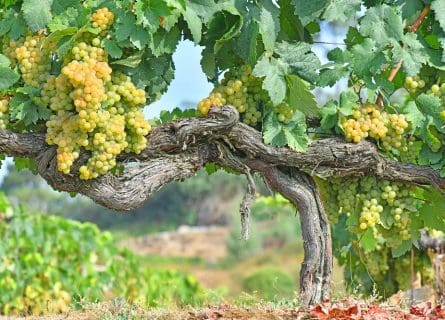
Godello Grape Variety: A Burgundy Imitation
June 22, 2022
Discover Godello: Galicia's Exquisite White Wine Grape from Valdeorras. Unveiling the Delights of this Northwestern Spanish Varietal.
Read article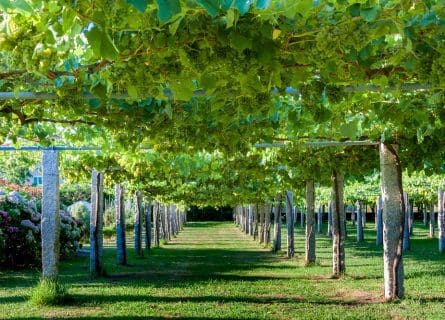
Albariño Grape Variety: Thrust into the Spotlight
June 18, 2022
Savor the Essence of Albariño: Northwest Spain's Delightful White Grape for Seafood Pairings. Explore the Lightness and High Acidity of this Galician Gem.
Read articleAuthor