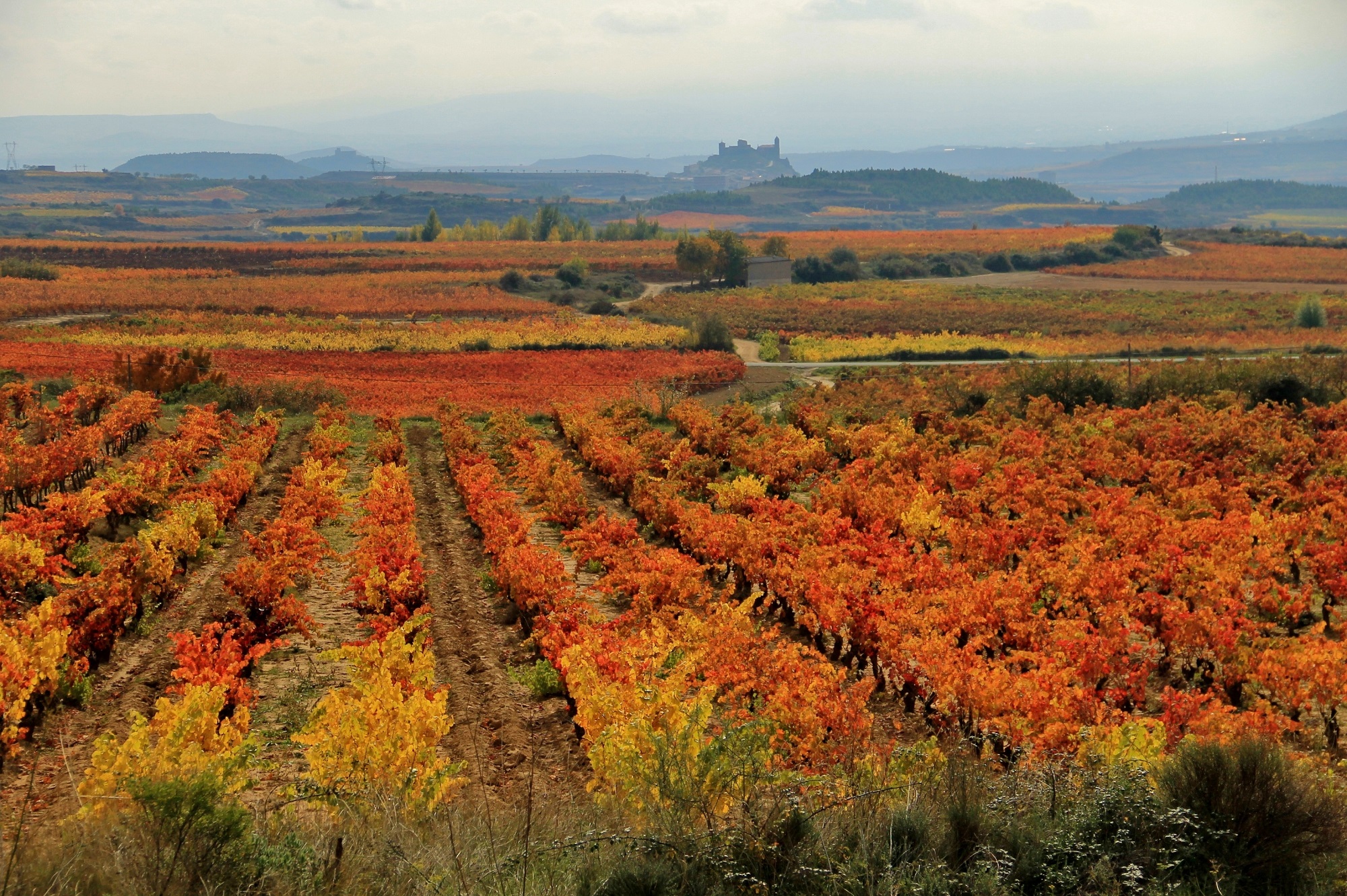
Rioja Wine Region Guide
Rioja’s vineyards, grapes, classifications and leading wineries—from Haro and Rioja Alavesa to the warmer east.
Introduction
Spain’s premier fine wine region is in a state of flux. Its historic winemaking culture has been called into question – the debate surrounding the value of blending versus terroir began here – while growers in Rioja Alavesa pursued an ultimately unsuccessful attempt to establish a separate appellation in the Basque Country. Indeed, few great wine regions span so many terroirs, and yet, historically, Rioja marketed a single, overarching wine style: silky reds aged in wood for many years. This state of affairs is now simply intolerable from the perspective of younger winemakers.
However, that does not mean tradition is moribund in the hills of Rioja. Indeed, winemakers in the appellation produce plenty of single-site cuvées and groundbreaking wines today. Their high scores and growing popularity suggest this isn’t simply a flash in the pan. Yet long-aged Reservas – and Gran Reservas – are still astonishingly popular with oenophiles, not least because they offer such tremendous value – a complex and velvety red that is not released (unlike Bordeaux) until the wine is ready. The quality of Rioja Blancos (whites) has also soared recently. In the 20th century, Rioja had the Spanish fine wine market to itself. Those days are long gone. But this spectacular region’s internal variety, traditions, and adaptability have kept it in the front rank.
Discover more about Spanish Wine

History
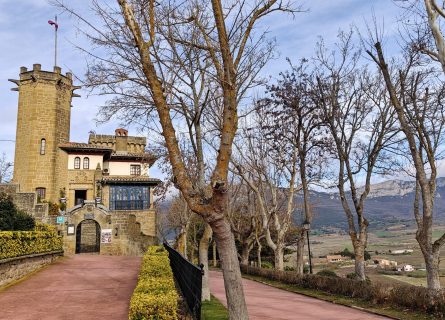
Rioja is no stranger to the vine. Since the pre-Roman period, vineyards have been cultivated on these ancient soils. By the Middle Ages, the monasteries of San Millán de la Cogolla, Valvanera, Santa María la Real de Nájera, and San Martín de Albelda had become significant owners of vineyards and cellars.
By the fourteenth century, English traders had acquired a taste for Rioja wines, a blend of white and red wines called Blancos Pardillos. Three hundred years later, the Mayor of Logroño banned carriages from passing along the roads near the bodegas, worried that they would disturb the wines! In the 18th century, the Royal Economic Society of Harvesters of Castilian Rioja established itself to encourage the cultivation of vines in addition to Rioja’s commercial development.
Yet until the late 1800s, Rioja remained a provincial backwater, certainly when benchmarked against Bordeaux and Burgundy. That began to change in the mid-19th century, when Marqués de Murrieta and Marqués de Riscal adopted Bordeaux methods; mildew and phylloxera later brought French buyers and winemakers to the Rioja region.
As a result, many of Rioja’s most famous wineries, including Marqués de Riscal, López de Heredia, and Marqués de Murrieta, were founded during this period. Rioja’s denomination was officially recognized in 1925 and awarded Calificada status in 1991. Today, Rioja’s bodegas produce a wide variety of styles, from sun-kissed rosé to single-vineyard “vinos de autor” (icon wines).
Geography and terroir
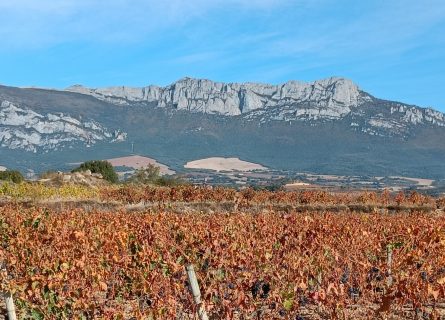
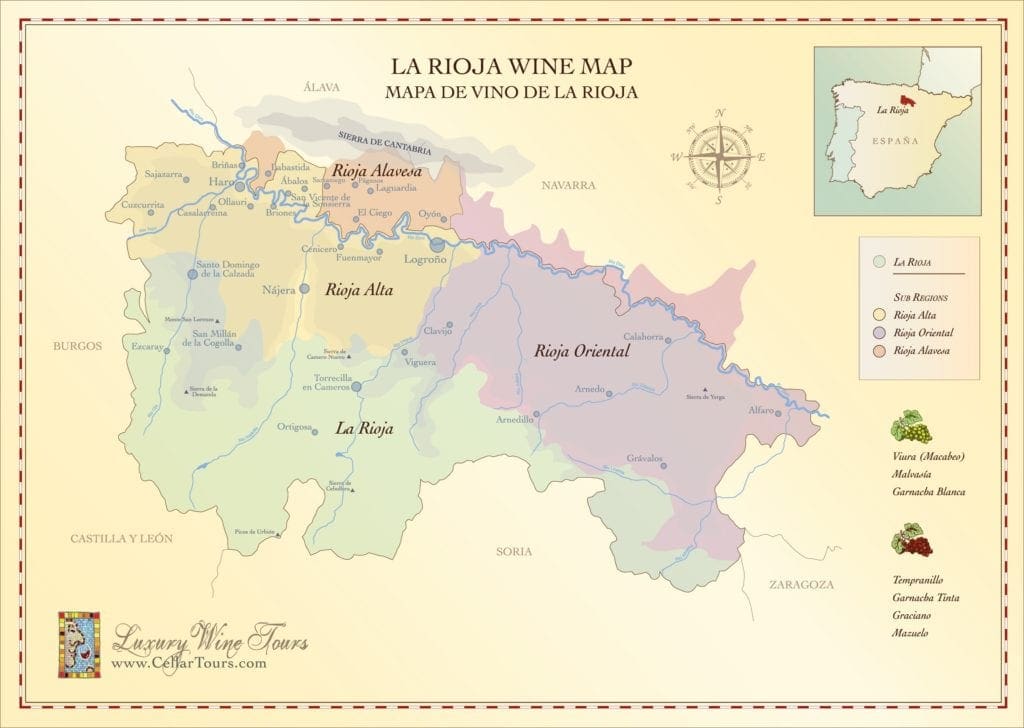
The Rioja DOCa stretches across parts of La Rioja, Álava in the Basque Country, and Navarra, with a small enclave in Burgos. Protected by the massive wall of the rocky Sierra de Cantabria, the vineyards encircle the River Ebro in northeastern Spain. To the south lie the Sierra de la Demanda and Las Cameros mountain ranges. The region has long been subdivided into three districts: Rioja Alta, Rioja Alavesa, and Rioja Oriental (formerly Baja). Each of these subregions offers a unique set of growing conditions due to variances in soil and climate. Indeed, Rioja slopes from east to west, with the climate becoming increasingly drier and hotter in the east owing to the Mediterranean influence. A summer’s day in Rioja Oriental is a world apart from the temperatures on the higher slopes of Rioja Alavesa!
Unique Characteristics
La Rioja Alta is the western, higher part south of the River Ebro. The soils are a mixture of clay-limestone, ferruginous clay, and alluvial matter close to the river banks. As a rule, the hillier, more inclement western area produces wines with good acidity and moderate alcohol; the climate in the village of Cenicero is transitioning from humid to semi-arid. Rioja Alavesa, meanwhile, is the smallest of the three subzones. It lies to the north of the Ebro, near the area called ‘Conchas de Haro.’ The calcareous soils rank among the finest in Rioja, and the high altitudes continue to produce some of the region’s most elegant and fresh wines.
This is a world apart, however, from the arid vineyards of Rioja Oriental. Located to the southeast of Logroño – a large part is south of the river – Rioja Oriental produces some of Rioja’s finest Garnacha wines. The soils are a mixture of alluvial silt and ferruginous clay; the landscape is a patchwork of small plots of old bush vines, ripening to high alcohol levels in the intense summer heat. In the 20th century, critics derided the zone as too hot to produce wines of real interest and finesse. However, the pioneering work of Álvaro Palacios has laid that misconception to rest.
Planning a Wine Tour in Rioja
Riojan vineyards extend for approximately 100 kilometers, and attempting to cover Rioja Alta, Rioja Alavesa, and Rioja Oriental in one day is not viable. A sensible route would use Haro as a base, combining the historic bodegas of the Barrio de la Estación with the villages of Rioja Alta, before moving to Laguardia for a second day devoted to Elciego and the estates of Rioja Alavesa. Rioja Oriental deserves a separate excursion toward Alfaro, particularly for those interested in old-vine Garnacha.
Most leading wineries receive visitors by prior appointment, with two private tastings per day leaving sufficient time for a full Riojan lunch. A chauffeured vehicle removes the obvious difficulty of tasting and driving. Spring and autumn are generally the best times to visit the region; the harvest period is wonderfully atmospheric but exceptionally busy for working bodegas. Cellar Tours can arrange private tastings and tours at leading wineries, exclusive access to smaller boutique bodegas, and lunch at outstanding local and Michelin-starred restaurants.
Planning resources
Winemaking and regional classifications
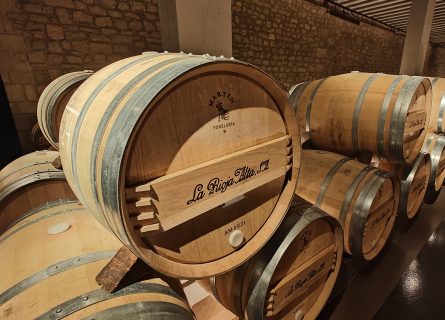
Debating the subject of ‘classical versus contemporary’ winemaking in Rioja is analogous to throwing a rock at a hornet’s nest. On one side of the divide are staunch traditionalists like López de Heredia. They conform to a paradigm that considers blending and maturation far more important than terroir. Thus, they age their wines for many years (over five for Gran Reservas) in old American oak. Moreover, many bodegas still market their wines according to the time they spend in barrel, with Joven, Crianza, Reserva, and Gran Reserva priced in ascending order. This red and white Rioja interpretation can be sublime: elegant, soft, and unbelievably complex. There are plenty of consumers today who remain steadfastly loyal to this age-old wine style. It is their lightness of structure and silky texture that so many oenophiles find irresistible. This method of classifying wines has stood the test of time.
Challenge Traditional Methods
Yet there was a significant pushback in the late 20th century as younger winemakers sought a different path. Their argument was simple: extensive oak maturation subjugates the fruit and provides no sense of place. As a result, Rioja underwent a revolution in winemaking techniques, sourcing grapes from estate vineyards instead of purchasing them from growers across the wider region. These exceptional raw materials then undergo a long maceration process, extracting a great deal of color, extract, and tannin. Often matured for fewer than 16 months in French barrique, the result is a concentrated and powerful wine.
Is one approach to winemaking innately superior? No. It is simply a matter of individual choice. But it is undoubtedly true that the functions of growing and bottling are increasingly combined. That was not the case 40 years ago, nor does everyone necessarily welcome this development. Artisan producers like Benjamin Romeo and the multi-regional blenders – Marques de Caceres, Faustino, etc. – continue to regard each other with mutual suspicion.
A Guide to the Wine Types and Classifications in La Rioja: Read more
Facts & Figures
-
Key wine styles
- Red, white, and rosé wines: both single-varietal styles and blends
- A small volume of traditional method sparkling wine
- Read more
-
Appellation structure
- Rioja DOCa (Denominación de Origen Calificada)
-
Registered vineyard area
66,638 hectares in 2024
-
Average annual production
- approximately 276 million litres annually, 2015–2024
-
Registered winery holders
642 at 31 December 2024, including 586 registered bottlers
The lowdown

Spain’s most famous – and essential – wine region began the 21st century in a state of massive upheaval. Radically different values, ideas, and philosophies collided head-on, culminating in Bodegas Artadi announcing its decision to leave the appellation in 2015; the Association of Rioja Alavesa producers (ABRA) petitioned the Basque government to create a separate appellation for Rioja Alavesa wines in the following year.
When asked about the motivation behind this decision, owner Juan-Carlos Lopez de Lacalle said:
“The Rioja DO is simply too large; there is no other singular appellation covering such a large vineyard area. Furthermore, Rioja is a designation that gives no due recognition to any differential in vineyard quality, and it is for this reason that we have been forced to leave.“
With grievances running at an all-time high, the regulatory council feared that Rioja’s trailblazing wineries might also jump ship, empowered by the publication of Telmo Rodriguez’s terroir manifesto in 2016.
Yet a critical mass of high-profile wineries voicing their desire to stay in the system has alleviated any concerns within the Consejo Regulador of a ‘domino effect’ in the region. The situation was defused, at least in part, by the introduction of the Viñedos Singulares designation in 2017. Moreover, a key feature of the framework regulations is that both the single-vineyard name and the traditional Crianza/Reserva/Gran Reserva designations can concurrently appear on labels – the council is keen to avoid mutual exclusivity.
The separate-appellation attempt ultimately failed: following a court judgment, the Basque government annulled its favorable decision on the proposed Arabako Mahastiak/Viñedos de Álava appellation in December 2025.
Embracing Diversity and Innovation in Rioja
The classification continues to be adopted by a diverse portfolio of wineries. The Vinos de Zona and Vinos de Pueblo categories identify wines by one of Rioja’s three production areas or one of its 144 municipalities. The most exacting origin designation, however, is Viñedo Singular. When this appears on a label, you know that the wine is based on fruit grown in a single climat (vineyard site) and that every stage of the viticultural and winemaking process has complied with strict quality regulations.
This is all cause for celebration. After decades of bland, homogenous representation, Rioja is diversifying its offer. The decision to allow single-vineyard wines to be marketed on labels was just the beginning – a surge of innovation is sweeping across this corner of Spain. The authorities introduced a new category of Riojan sparkling wines in 2017 while liberalizing the rules concerning post-fermentation aging. Exports of white Rioja also continue to grow as the region becomes renowned as the source of oak-aged whites and reds. Wineries like Ramón Bilbao are refining viticultural and vinification techniques, investigating the advantages of fermentation and aging in concrete. Sustainability and climate change adaptation are also taking center stage in the debate about the region’s future. Rioja, despite the ever-increasing competition, is still number one.
Rioja’s Three Subregions
-
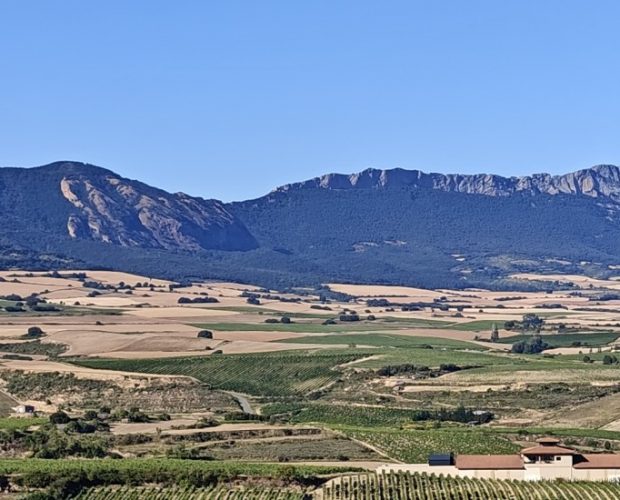
Rioja Alavesa Wine Region Guide
Explore the Rioja Alavesa wine region: Tempranillo, terroir, key grapes, wineries, a regional map, and expert advice for planning a private wine tour. Explore region -
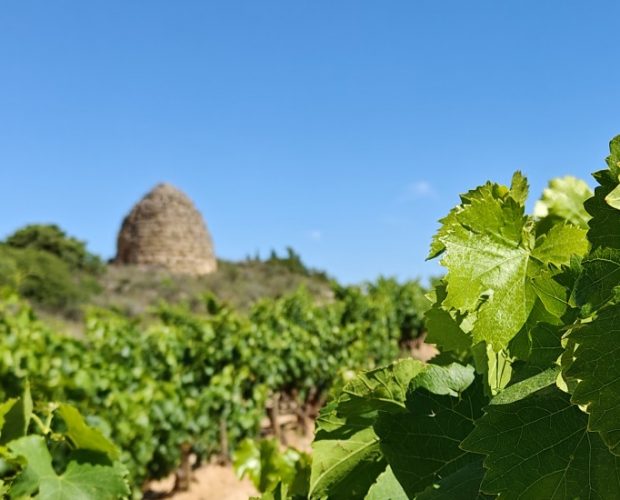
Rioja Alta Wine Region Guide
Explore the beautiful Rioja Alta wine region in northern Spain. Discover the best wineries, restaurants, and attractions in our comprehensive guide. Plan your trip today! Explore region -
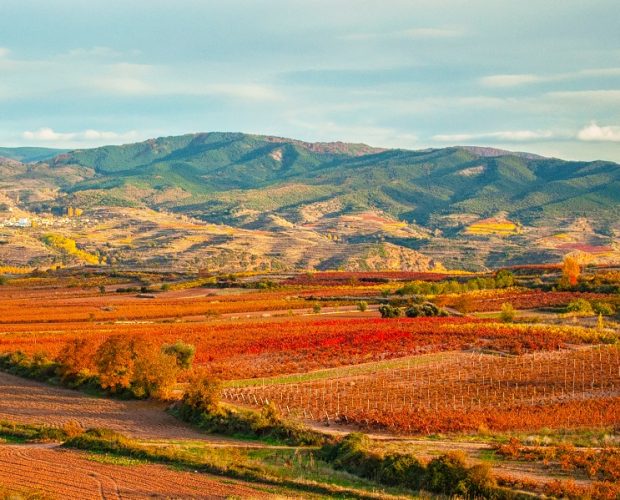
Rioja Oriental Wine Region Guide
Explore Rioja Oriental’s Garnacha, Mediterranean terroir, principal wine towns and key wineries, with a map of eastern Rioja. Explore region
Key Grape Varietals
-
White grape
Garnacha Blanca
Discover the Allure of Grenache Blanc: Full-Bodied White Wine from Northeastern Spain. Experience the Richness of High Alcohol, Low Acidity Wines. View grape -
White grape
Malvasía de Rioja
Explore the allure of Malvasía de Rioja grape. Uncover its origins, tasting notes, and its contribution to the exquisite wines of Rioja. View grape -
White grape
Tempranillo Blanco
Explore the allure of Tempranillo Blanco: La Rioja, Spain's unique white grape. Born from a red Tempranillo mutation, it unveils a refreshing twist in every sip. View grape -
White grape
Viura
Discover Viura: Rioja's Prominent White Grape & Catalonia's Macabeo. Explore its versatility in exquisite wines. A must-read for wine enthusiasts. View grape -
Red grape
Garnacha
Garnacha: Spain's Red Gem. Akin to Pinot Noir, it bridges terroir and winemaking, crafting captivating expressions. View grape -
Red grape -
Red grape Maturana Tinta
Maturana Tinta is a rare Rioja red valued for its deep violet colour, high acidity, and distinctive spicy and balsamic character. -
Red grape
Mazuelo (Carignan)
Learn about Carignan wine, from old-vine Languedoc and Priorat to its flavor profile, synonyms, food pairings, and best examples. View grape -
Red grape
Tempranillo
Discover Tempranillo: Spain's iconic red grape. From Ribera del Duero to Toro, it yields concentrated wines. Explore its synonyms and unleash its prowess. View grape
Rioja gastronomy
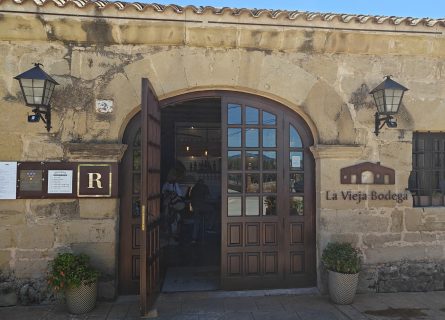
Rioja’s gastronomy has long been driven by a surfeit of exceptional local produce: fruit and vegetables grown in market gardens, wild meat and game, and seafood taken from the Atlantic and, indeed, local rivers. So it’s little wonder that every dinner is memorable in the region’s bustling restaurants and tapas bars. Haro and Logroño can rival San Sebastian in serving exquisite, bite-sized morsels of tasty food prepared in a multitude of different ways.
But this is just the beginning. Solomillo al vino de Rioja (beefsteak macerated in Rioja and brandy, served with mushrooms) is one of the major highlights. At the same time, lamb chops, roast leg of lamb, young goat (cabrito), and quail deserve pairing with a silky old Gran Reserva. Milk-fed lamb, rubbed with garlic and roasted in a wood-fired oven, has a depth of flavor beyond description. Yet fish is not neglected: trout and crayfish whet the appetite – hake (merluza) is best grilled and served with a red pepper and tomato sauce. Did someone call for a Rioja Blanco?
Wineries to Visit Across Rioja
Independent producer in Rioja Alavesa 1 winery
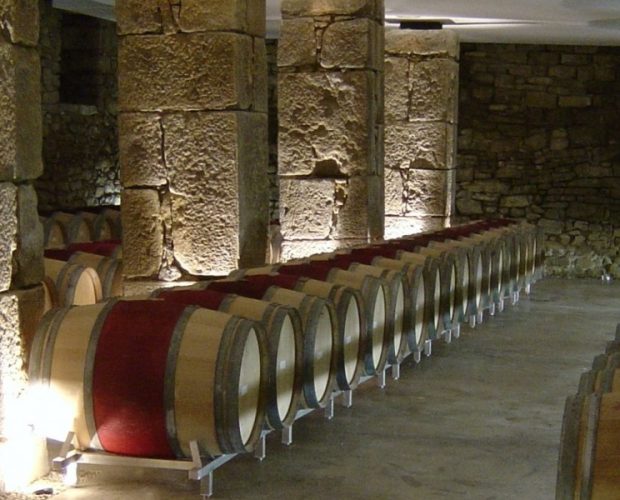
Rioja Alta 11 wineries
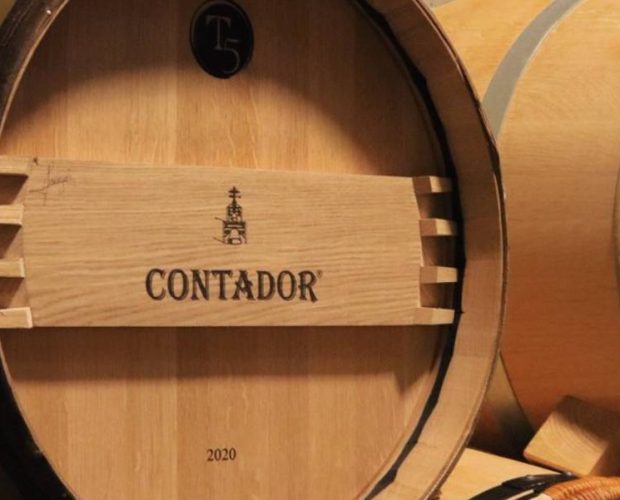
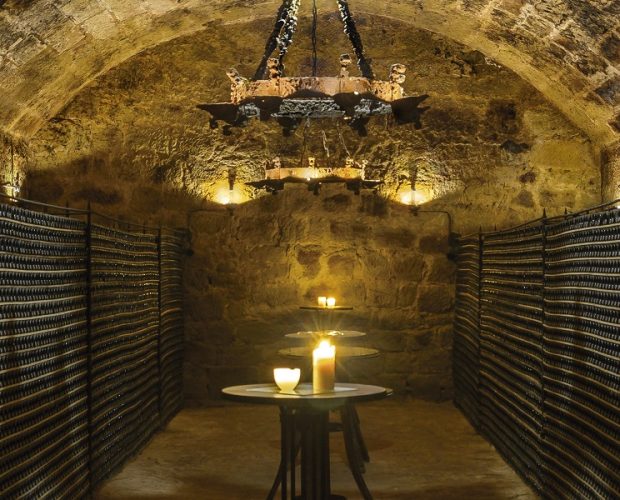
- Bodega Contador (Benjamin Romeo) Explore Benjamín Romeo’s cult wines at Bodega Contador in San Vicente de la Sonsierra, from the original cave beneath the castle to the modern Rioja Alta winery. View winery
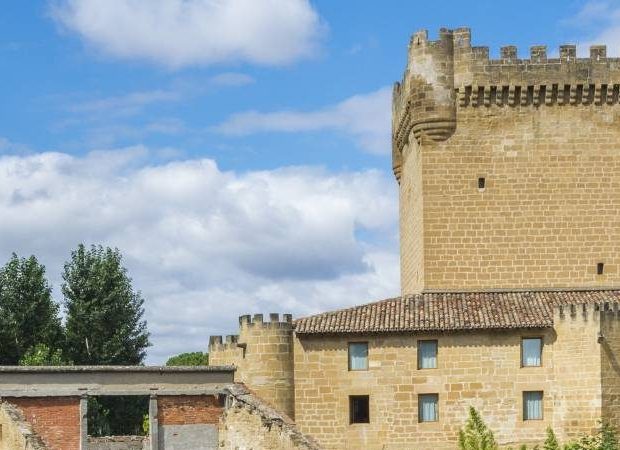
- Castillo de Cuzcurrita Discover Castillo de Cuzcurrita in Rioja Alta, its medieval castle, vineyards, Tempranillo and Viura wines, history and current winery details. View winery
- Conde de los Andes Discover the exceptional wines and storied history of Conde de los Andes winery in Rioja with Cellar Tours. Plan your visit today View winery
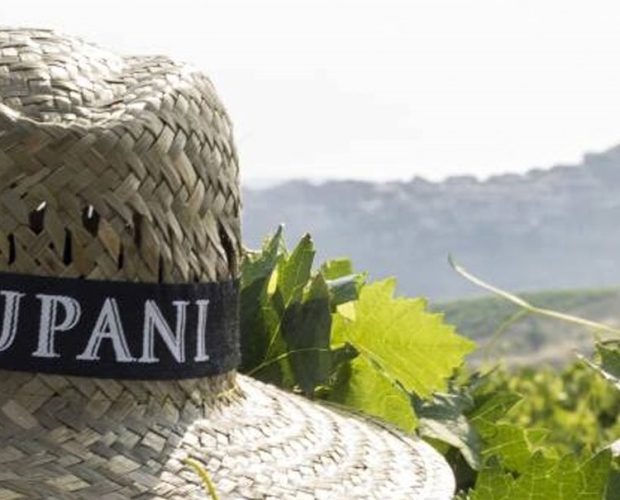
- Heredad San Andrés (Cupani) Discover the exquisite wines and rich heritage of Heredad San Andrés winery in Rioja. Our expert guide offers insider access to this family-owned estate. Plan your visit today! View winery
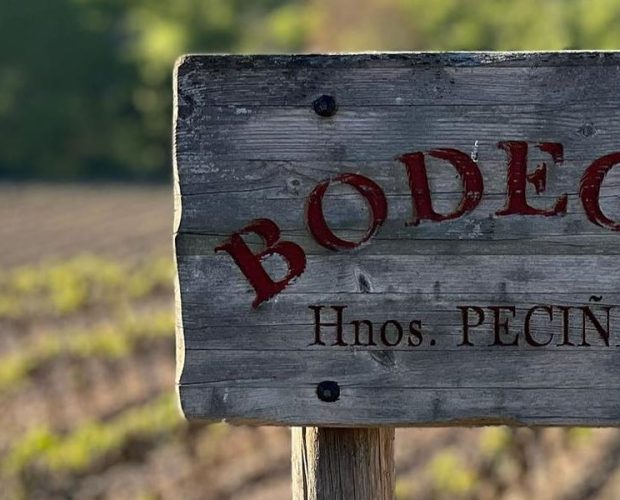
- Hermanos Peciña Explore the exceptional wines of Hermanos Peciña winery in Rioja with Cellar Tours—this iconic estate is known for its commitment to crafting wines with character and finesse. Plan... View winery
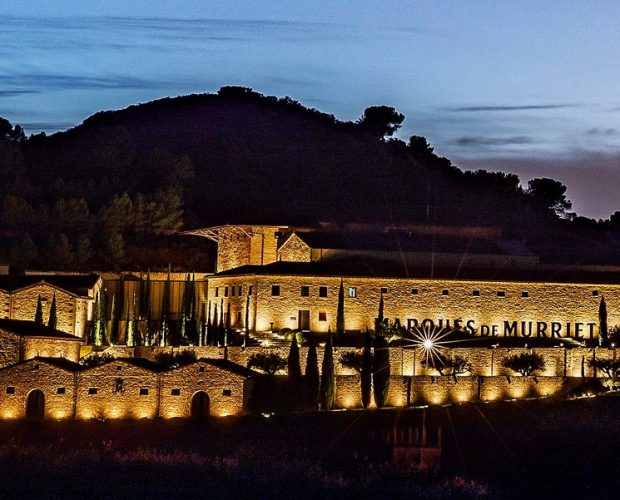
- Marqués de Murrieta Discover the captivating story of Marqués de Murrieta winery, and learn about its rich history, winemaking process, and world-class wines. Plan your visit today! View winery
- Miguel Merino Discover the charm of one of Spain's most renowned boutique wineries Miguel Merino. Learn about the winery's history and winemaking techniques. Plan your visit today! View winery
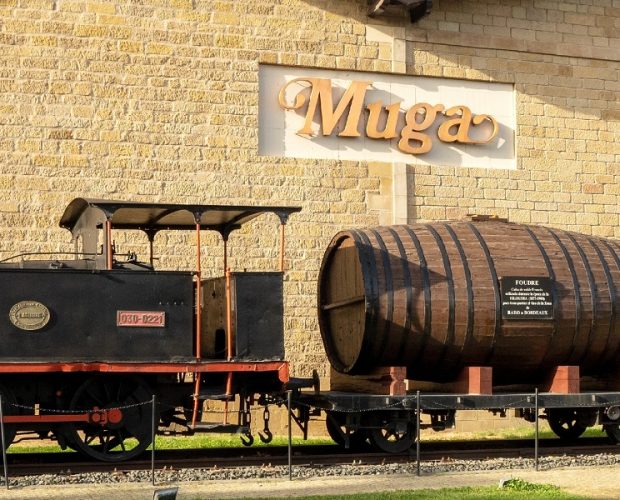
- Muga Explore Bodegas Muga in Haro’s Barrio de la Estación, from its family history and cooperage to Prado Enea, Torre Muga and private Rioja wine tour ideas. View winery
- Roda Plan a visit to Roda in Haro’s Barrio de la Estación: explore this Rioja Alta estate, RODA I, CIRSION, SELA, Tempranillo and travel details. View winery
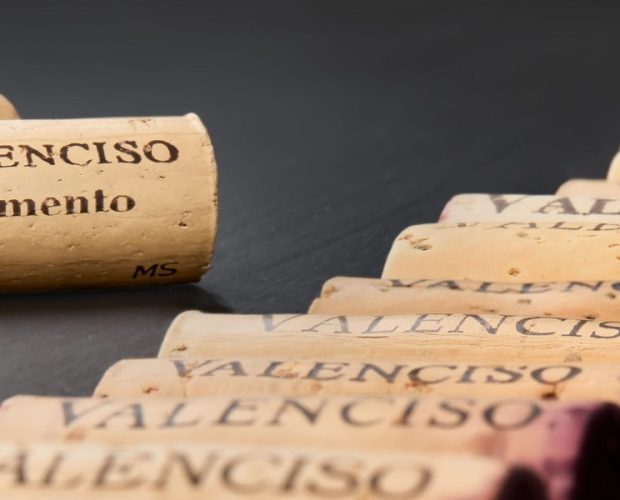
- Valenciso Savor the artisanal wines of Valenciso. Learn about their traditional winemaking techniques and taste their acclaimed blends of Tempranillo and Graciano grapes. Plan your visit today! View winery
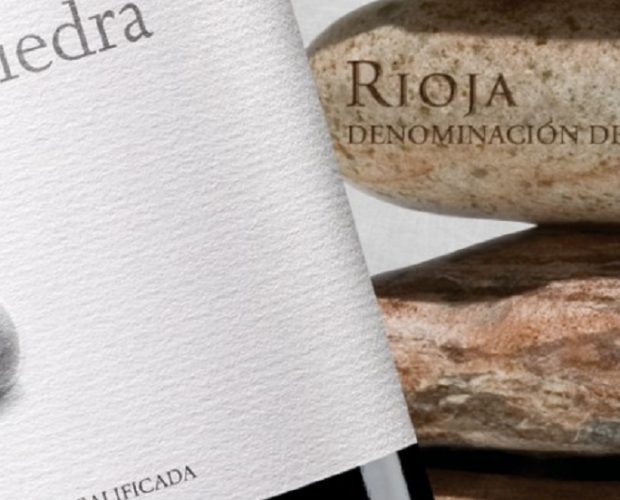
- Valpiedra Plan a visit to Finca Valpiedra in Rioja: explore this single-estate Martínez Bujanda winery, its Tempranillo-led Reservas, Graciano, Maturana and travel details. View winery
Rioja Alavesa 5 wineries
- Contino Contino Winery guide: explore this historic Rioja Alavesa estate, its vineyards, winemaking history, Viña del Olivo and other leading Contino wines. View winery
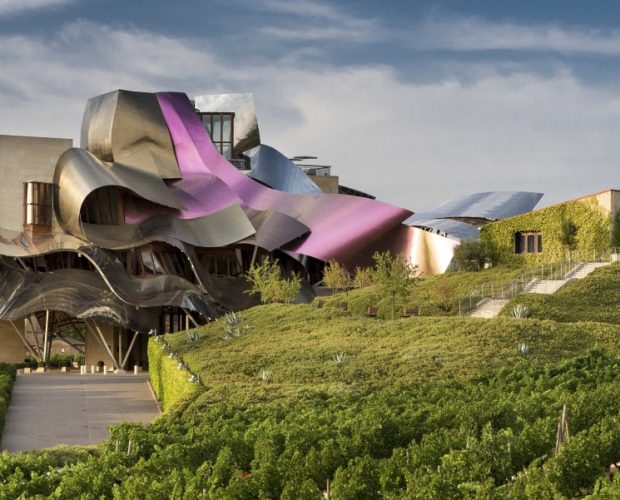
- Marqués de Riscal Discover the iconic Marqués de Riscal Winery with Cellar Tours. Located in the heart of Rioja, this renowned winery boasts a rich history and a commitment to innovation... View winery
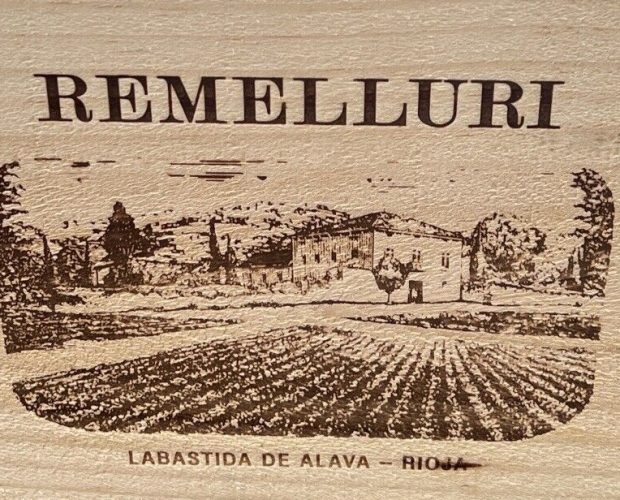
- Remelluri Discover the exquisite wines of Remelluri winery. Experience the terroir-driven wines from this acclaimed boutique winery. Plan your trip today! View winery
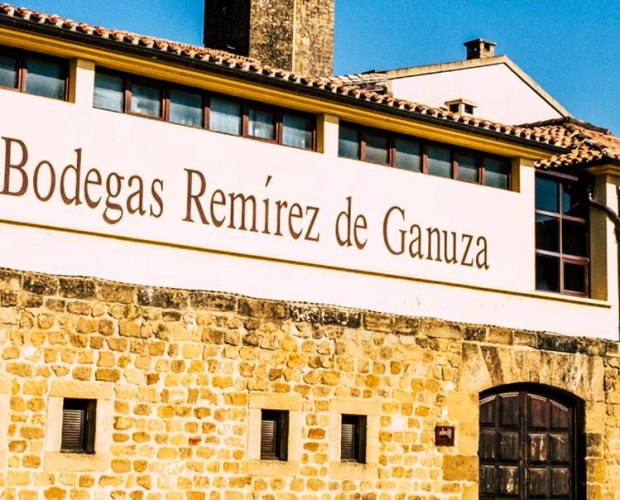
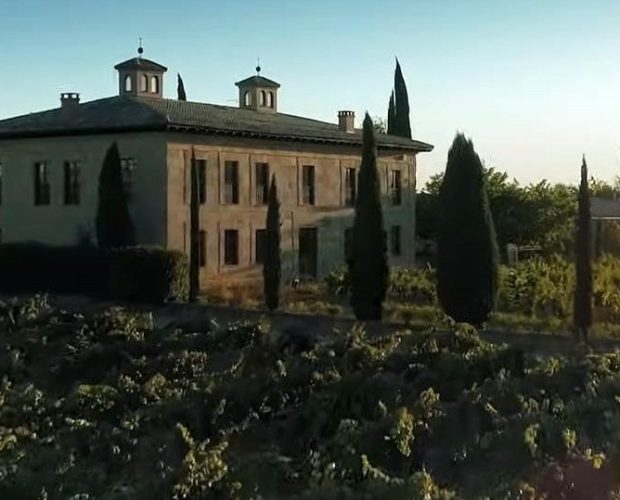
- Remírez de Ganuza Discover Remírez de Ganuza in Samaniego, Rioja Alavesa: founded in 1989, with 80 hectares of estate vineyards and acclaimed contemporary Rioja wines. View winery
- Torre de Oña Discover the exquisite wines of Torre de Oña winery. Learn about their sustainable vineyard practices and taste their handcrafted Tempranillo and Graciano wines. Plan your visit today! View winery
Rioja Oriental 3 wineries
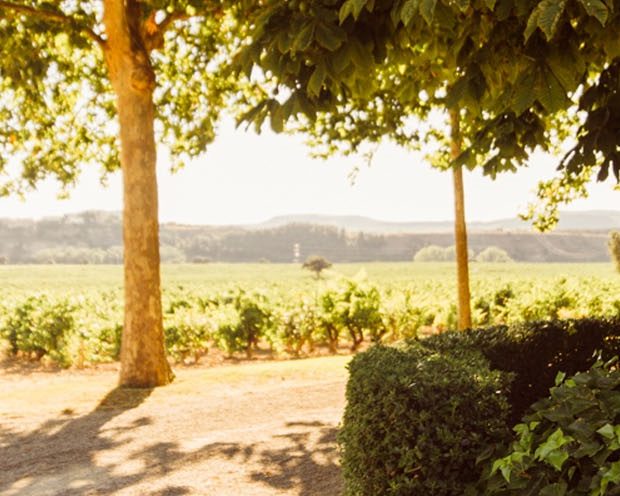
- Ilurce Four generations of the Escudero family have worked vineyards around Alfaro at Ilurce, offering an intimate introduction to the old vines of Rioja Oriental. Visit website
- Marqués de Reinosa Based in Autol, Marqués de Reinosa provides a revealing introduction to Rioja Oriental through Garnacha, Maturana Tinta, Tempranillo Blanco and the vineyards surrounding Monte Yerga. Visit website
- Palacios Remondo Palacios Remondo explores the high slopes of Monte Yerga through Garnacha-led wines including La Montesa and the exceptional Quiñón de Valmira. Visit website
Further Reading
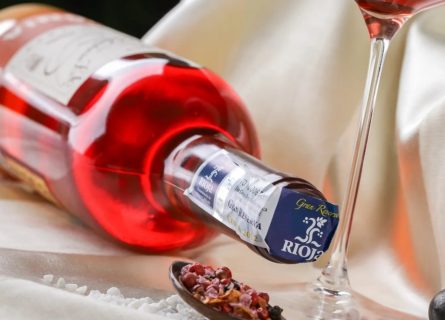
Exploring Spanish Rosé Wine
October 17, 2024
Discover the hidden gem of Spanish rosé wine! Explore the top regions, producers, and food pairings in this article.
Read article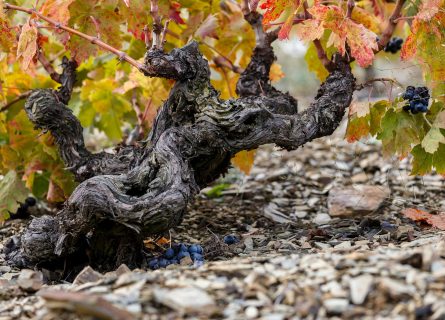
How Priorat’s New Wine Classification System Elevates Terroir
November 25, 2024
Explore Priorat's new wine classification system, Els Noms de la Terra, and its innovative approach to terroir-driven winemaking.
Read article
Exclusive Rioja Wine Tasting Masterclass in Laguardia
March 10, 2024
Experience exclusive Rioja wine masterclasses with Mikel Ruiz de Viñaspre in Laguardia. Dive into cult wines and Rioja's trends with an expert.
Read article
Madrid Wine Tasting Masterclass: From the Atlantic to the Mediterranean
February 20, 2025
Join the Madrid Wine Tasting Exclusive Masterclass and discover exquisite Spanish wines with expert guidance from Ezequiel.
Read article
Malvasía De Rioja Grape Variety: Small but not Forgotten
July 20, 2022
Explore the allure of Malvasía de Rioja grape. Uncover its origins, tasting notes, and its contribution to the exquisite wines of Rioja.
Read article
Albariño Grape Variety: Thrust into the Spotlight
June 18, 2022
Savor the Essence of Albariño: Northwest Spain's Delightful White Grape for Seafood Pairings. Explore the Lightness and High Acidity of this Galician Gem.
Read articleAuthor