Guide to French Red Wines By Region
April 18, 2022
Explore the exquisite french red wine regions and discover how they maintain their charm amidst global changes in the wine industry.
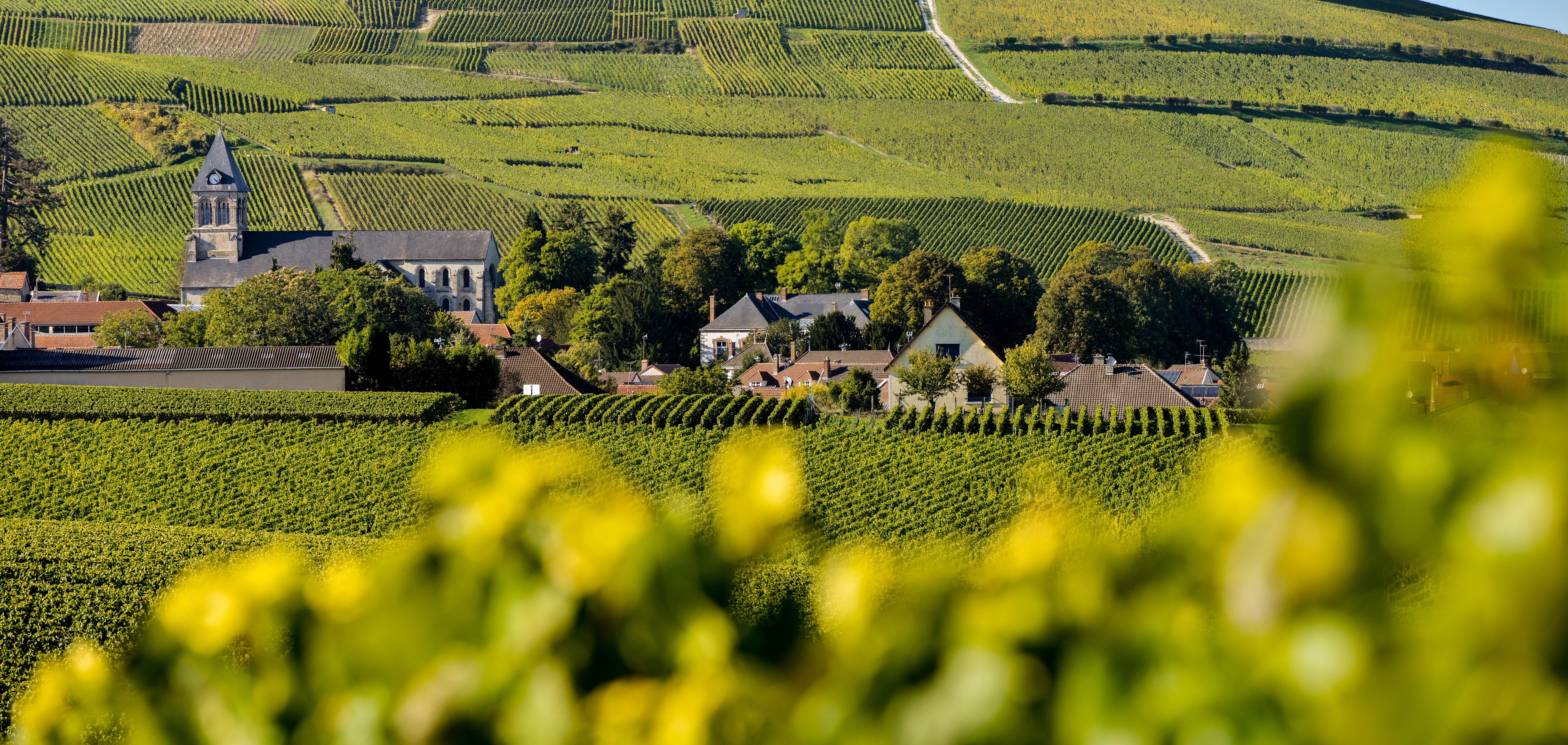
Read articleA remarkable small producer, Anselme Selosse (a tremendously dynamic and charismatic figure in the wine world), releases small quantities of impressive Champagne every year. The vineyard approach is biodynamic, and yields are severely restricted to provide the most incredible fruit intensity possible. Indeed, the focus here is squarely on attention to minute detail, resulting in massive and powerful wines atypical for the champagne region, but all the better for it!
Jacques Selosse, the father of Anselme, founded this small property in 1950 and quickly built a strong reputation for excellence, producing wines of the typical Champagne mold. Anselme has continued his work since 1980, when he took control of the house and vowed to take it to new heights while honoring his father’s hard work and dedication. Anselme trained in Burgundy under the stewardship of the great estates of Coche-Dury and Leflaive, which instilled in him the importance of terroir and viticulture. Since the 1980s, he has instigated a series of radical changes at Jacques, including dramatically reducing yields and committing to chemical-free farming. He uses oak in all stages of fermentation and aging of his wines, something the Champagne community took a while to get used to. Indeed, he is a man unafraid to challenge the established order. He is also known for decanting his champagnes, an uncommon practice.
We cannot imagine a finer introduction to the smaller, grower-led segment of the region. If you are looking for something different, look no further, as these are some of the most exciting and original wines in the appellation!
1950
15 hectares
31 years+
55,000 bottles per annum
April 18, 2022
Explore the exquisite french red wine regions and discover how they maintain their charm amidst global changes in the wine industry.
Read article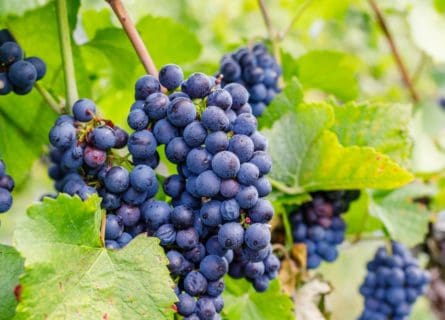
February 26, 2022
Discover Gamay wine, from Beaujolais and crus to its bright red-fruit profile, serving tips, food pairings, and age-worthy examples.
Read article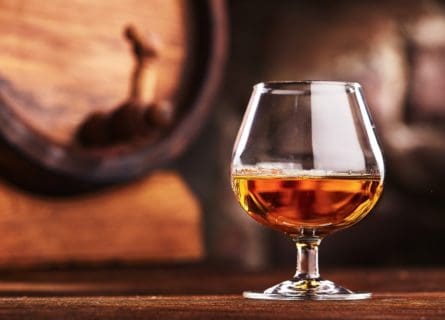
December 31, 2021
Marc de Bourgogne is regarded as the 'Grand Cru' of pomace brandy, not least because it involves world-class grapes and superior terroir
Read article
February 27, 2026
Explore the unique flavors of Loire Wines at Nantes’ first five-star hotel, Maison Maubreuil, featuring exquisite selections.
Read article
July 9, 2024
Discover the rich history and traditions that have shaped French wine production, from the creation of regulated appellations to the rise of natural wines.
Read article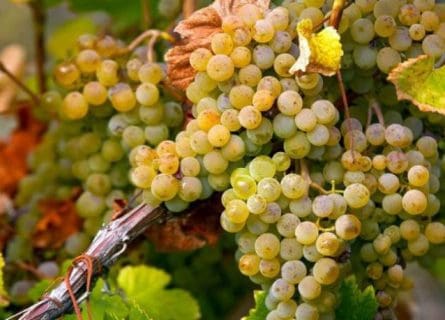
September 8, 2022
Mauzac: A white grape mainly grown in Gaillac and Limoux, Languedoc-Roussillon, Southern France. Often used in sparkling wines like Crémant de Limoux.
Read article