 21 tours
Country tours
Private Wine Tours in France
Unveiling France's Finest: Customized VIP Wine Tours and Gourmet Escapes
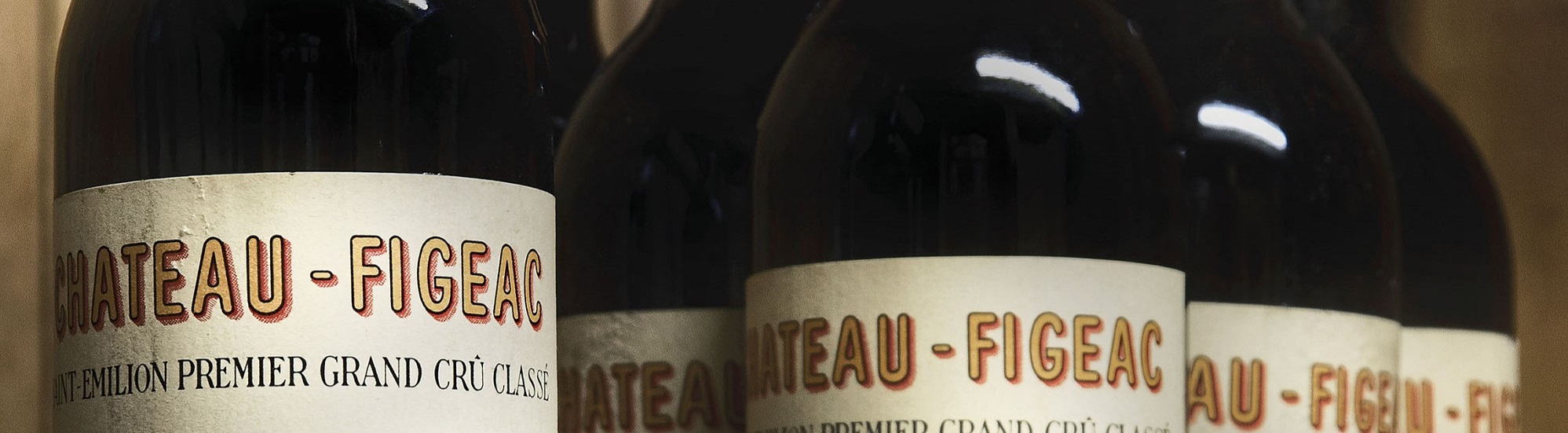
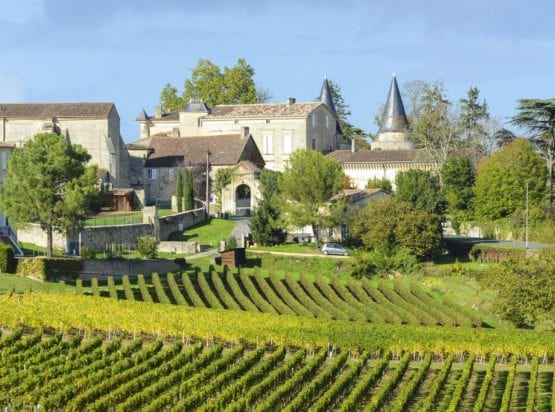
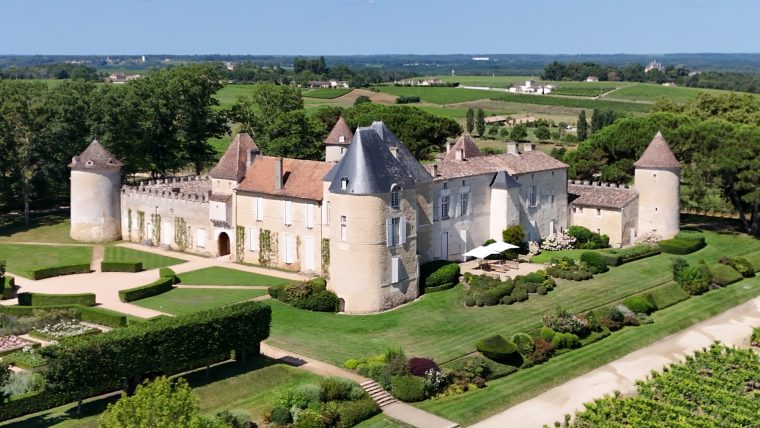
Château Figeac is a regal landmark property in Bordeaux and one of our favorite estates to send our special guests. The quality of its wines and the magnificent Château’s beauty are legendary. The St-Emilion Appellation could not want a better ambassador for the region. The Manoncourt family and their ancestors have been producing wine on this site since the 19th century and today continue to extol the virtues of this idyllic wine paradise.
The property has a long and distinguished history, far longer than its cousins in the Médoc region of Bordeaux. Historical research has shown that a Gallo-Roman Villa stood where the Château lies today, built by the ruler Figeacus. Fast forward a few centuries, and the site was occupied in medieval times by the Lescours family, who owned the rights to this land. Figeac then came under the De Cazes family’s control in the 15th century, who replaced the medieval structure with a Renaissance-style Château at the end of the 16th century. However, Figeac’s modern-day history begins with the Vital Carles family, who built the Château we see today in the 17th century. Before the French Revolution, the Vital Carles was highly successful at marketing the wine to British Merchants, and Figeac found great favor across Northern Europe in the 18th century. The estate grew significantly under their stewardship, reaching 200 hectares in its heyday.
Sadly, during the 19th century, the estate was broken up to pay for the spiraling debts of the Countess de Carle-Trajet, whose neglect, combined with the harsh economic conditions, meant that significant portions of the vineyards were sold to other estates. Interestingly, parts of the legendary property Cheval Blanc were formerly part of the Figeac vineyards. The property languished in obscurity until the Manoncourt’s ancestors acquired Figeac in 1982. When Thierry Manoncourt inherited the property in 1947, he set Figeac back on track to produce splendid wines from some of the region’s most remarkable vineyards. Sadly, Thierry died in 2010, but his hard work is continued today by his daughter and passionate son-in-law, Comte Eric d’Aramon.
This Saint Emilion wine estate has produced splendid wines since the 1950s and has a relatively flawless record of consistency and excellence. Any indifference to Figeac’s wines quickly fades when tasting their old vintages – complex, sumptuous, rich, and long. The estate must be one of the most beautiful and inviting of St-Emilion; imagine a stately and pristine Château attached to a large park; the grounds alone are worth visiting.
1852
40 hectares
40 years+
120,000 bottles per annum
Explore further
Discover private journeys, the complete wine region guide, and expert stories from across France.
21 tours
Unveiling France's Finest: Customized VIP Wine Tours and Gourmet Escapes
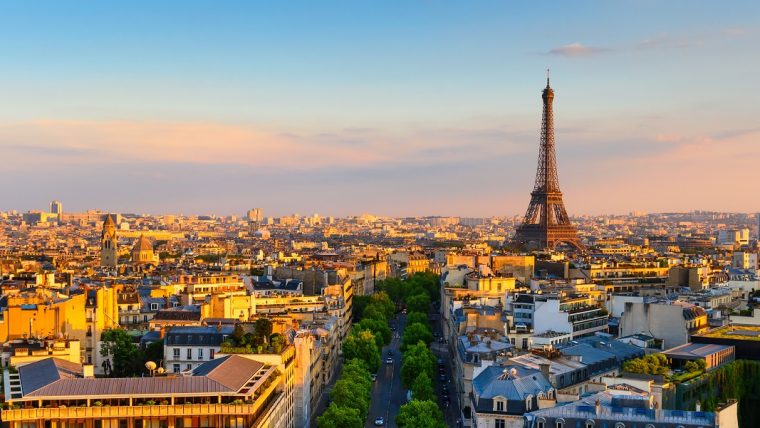 14 days
Paris, Champagne, Burgundy, Lyon and Bordeaux in one grand French journey.
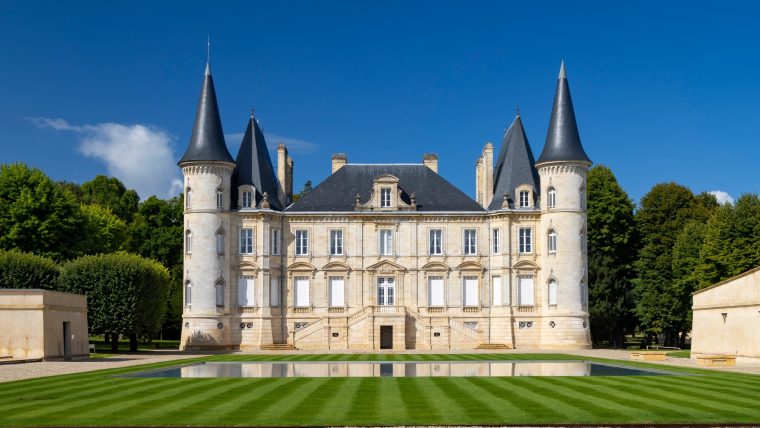
Left Bank, Right Bank and sweet-wine country from Bordeaux.
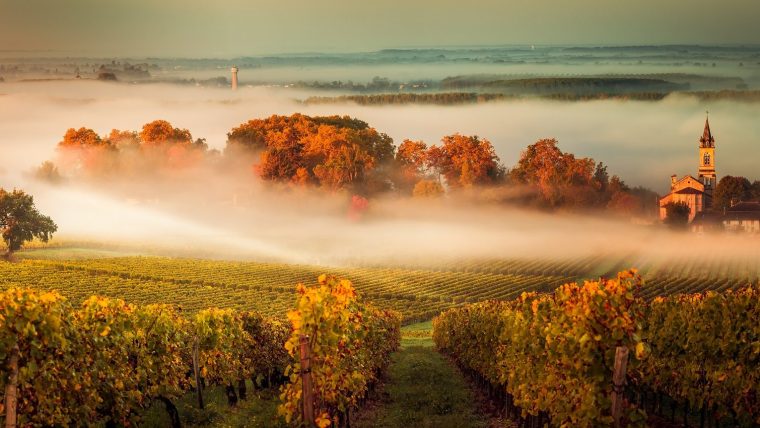
Compare France’s leading wine regions by grapes, wine styles, scenery, best base and ideal stay
Explore regions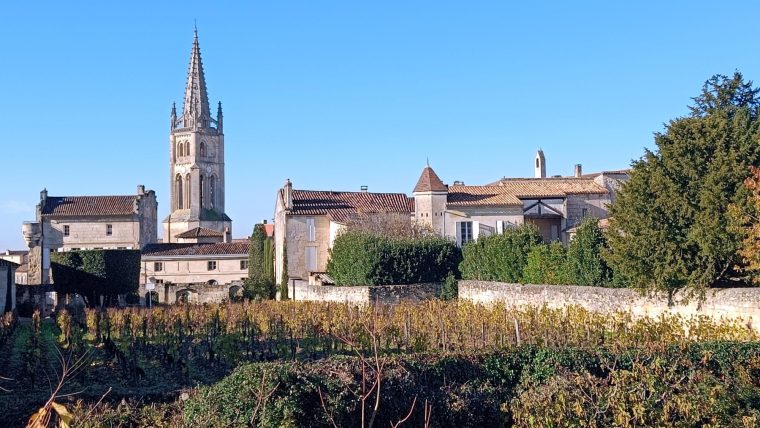
Explore the 1955 St Emilion Classification, a distinct system emphasizing detailed terroir analysis and rigorous wine tasting.
Read article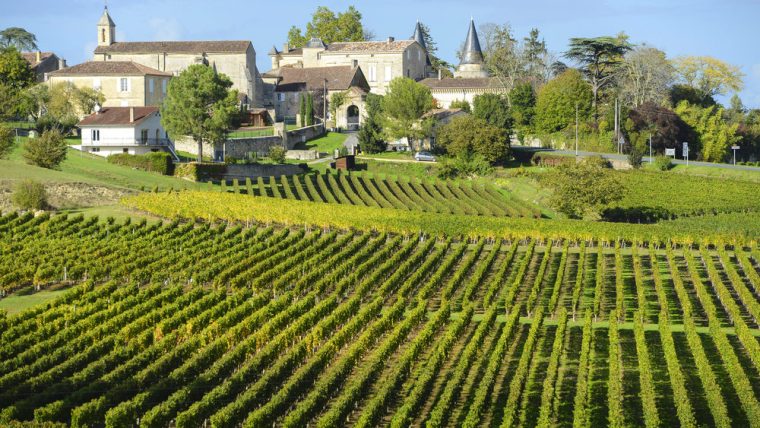
Discover nine outstanding Bordeaux winery visits, from Pauillac and Margaux to Sauternes and Saint-Émilion, with tastings, dining, art and luxury stays
Read article