 21 tours
Country tours
Private Wine Tours in France
Unveiling France's Finest: Customized VIP Wine Tours and Gourmet Escapes
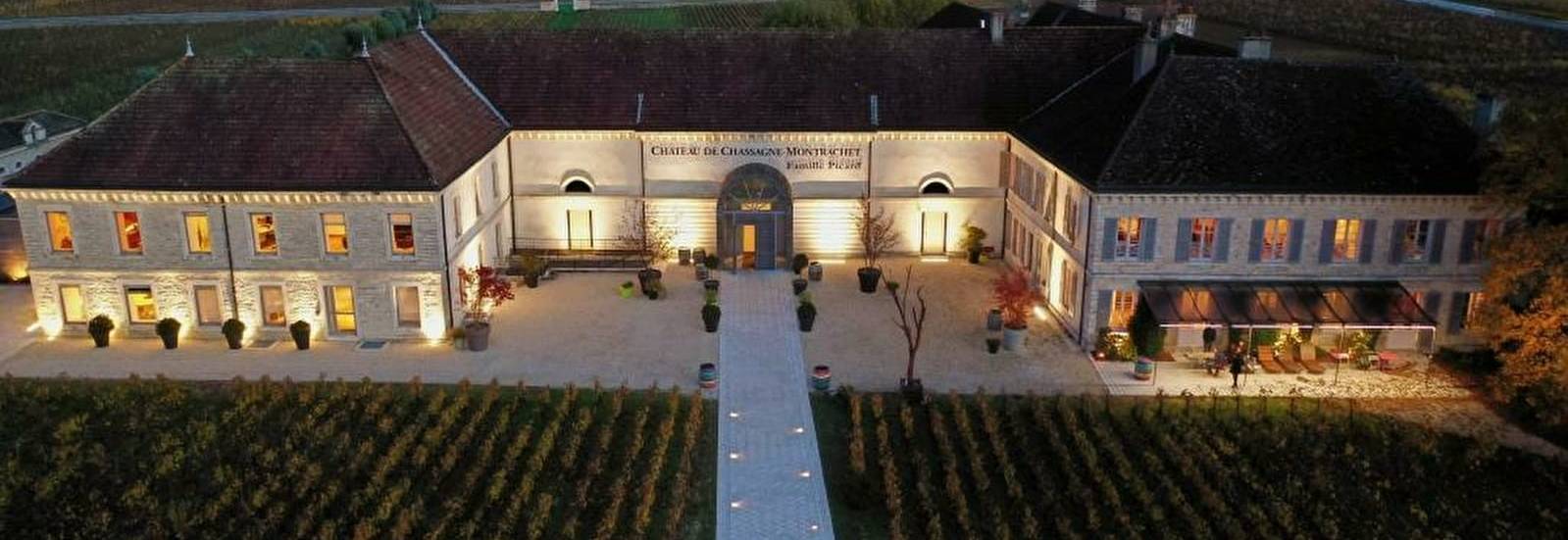
Château de Chassagne Montrachet is undoubtedly one of the Burgundy region’s most renowned and iconic wine lovers’ addresses. Facing the mystical Grand Cru Vineyard of Le Montrachet – the world’s most expensive and sought-after white wine – the Château has welcomed visitors for centuries and has endured its fair share of turbulent history. Having been knocked about and rebuilt over the years, it is currently under Maison Michel Picard’s stewardship, who has taken the wines to new heights. Today, Château de Chassagne Montrachet produces some of the most exciting and original wines in the appellation due to the family’s meticulous approach to viticulture, including respect for biodynamic principles and the expertise of the director Francine Picard and winemaker Fabrice Lesne. Indeed, the beauty of the Château’s wines is that they are totally individual: reflecting the style and approach to the quality of Michel Picard rather than just the stamp of the appellation.
The Château boasts a long and varied history – its current owners believe that vines were planted on this site in the 9th century. In contrast, the original building was constructed in the 11th century. History records that many nobles inherited the Château over the centuries, including the Ferrieres and Longevilles families. The descendants of the Ferrieres family, the Boutieres, inherited the property in 1600. They kept control until 1709 when Jean Francois de Clermont-Montoison inherited the estate due to marriage with Charles de Boutieres’ daughter. The Château, after that, prospered and managed to survive the onslaught of the French Revolution, although the incumbent owner, Charles de la Guiche, met the guillotine in 1797. The building survived because history tells of the revolutionaries being primarily interested in raiding the cellars to drink the sweet nectar of Chassagne Montrachet! The Château was rebuilt to its present form in 1849 and changed hands several times until Maison Michel Picard brought the property in 1997. At that time, the Château’s reputation was still much respected, but the buildings and winery were quite dilapidated due to a lack of investment by previous owners. Michel Picard, a respected negociant and producer in Burgundy, promptly fell in love with the estate and invested millions in restoring the property to its former glory.
Since Picard took control of Château de Chassagne Montrachet, his dynamic daughter and the estate’s director, Francine, has spearheaded an immense restoration and expansion program. She has overseen the installation of a brand-new winery and restoring the ancient cellars, with a capacity of 1000 barrels. This, however, was merely the beginning of Francine’s grand plans for the estate; in 2003, she embarked upon an unprecedented tourism project for the Château, building a new tasting room akin to the ones found in Napa Valley and opening a series of luxury rooms inside the Château. Styled by some leading Italian designers – including Antonio Citterio and Emilio Nanni – the Château now has some of the most desirable luxury accommodations in the Côte-d’Or. But, at the heart of this iconic property is top-notch winemaking, coupled with an increasing emphasis on biodynamic vineyard management and non-interventionist winemaking, which gives superb wines that display elegance rather than brute power. So, in other words, a highly reliable source of exquisite white and red Burgundy.
1886
35 hectares
35 years+
300,000 bottles per annum
Explore further
Discover private journeys, the complete wine region guide, and expert stories from across France.
21 tours
Unveiling France's Finest: Customized VIP Wine Tours and Gourmet Escapes
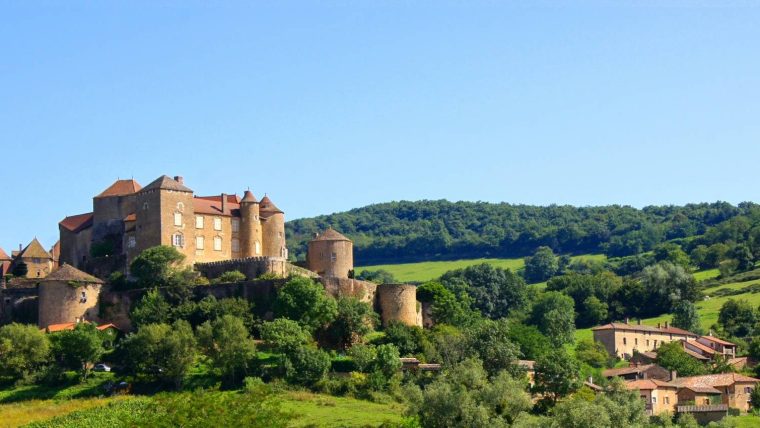 8 days
Burgundy: Grand Cru Country — Chardonnay, Pinot Noir and legendary wine villages.
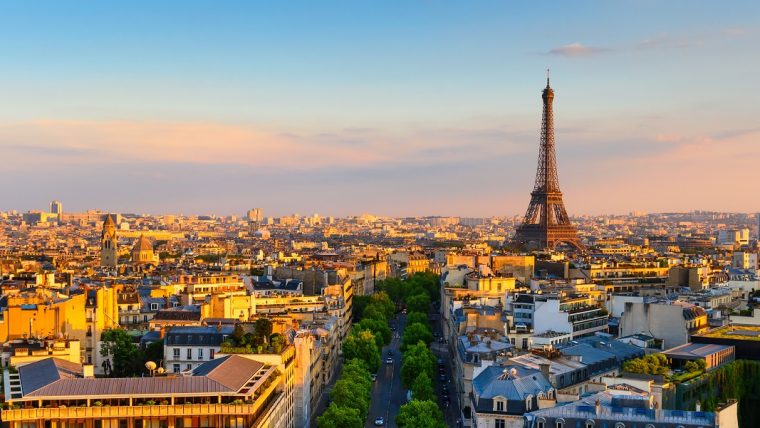 14 days
Paris, Champagne, Burgundy, Lyon and Bordeaux in one grand French journey.
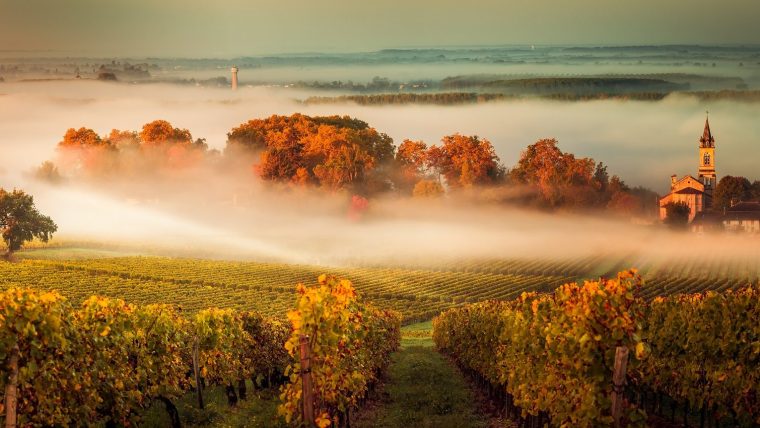
Compare France’s leading wine regions by grapes, wine styles, scenery, best base and ideal stay
Explore regions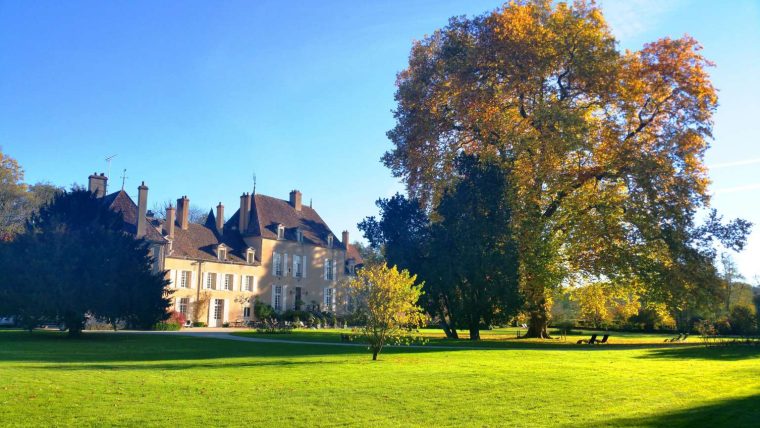
Sip & Stay: Unearth Burgundy's Best Boutique Wine Hotels - A Vinous Escape amidst Vineyards! 🍷 Plan your trip today!
Read article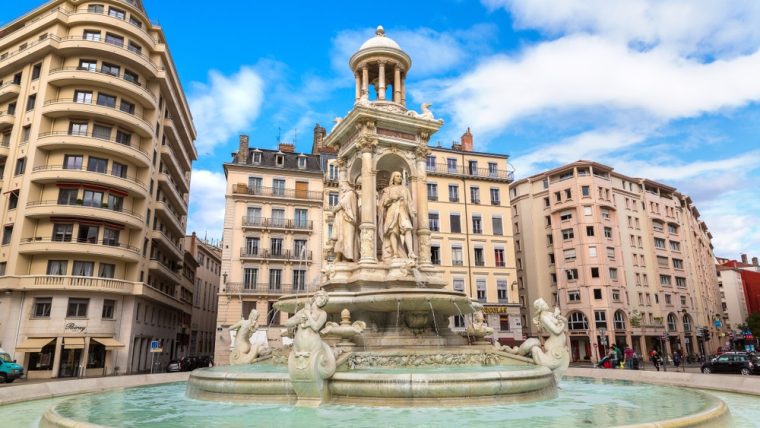
Unearth Lyon's beauty, excitement, and top cuisine in our Insider Guide - France's 3rd largest city, a culinary paradise with buzzing energy!
Read article